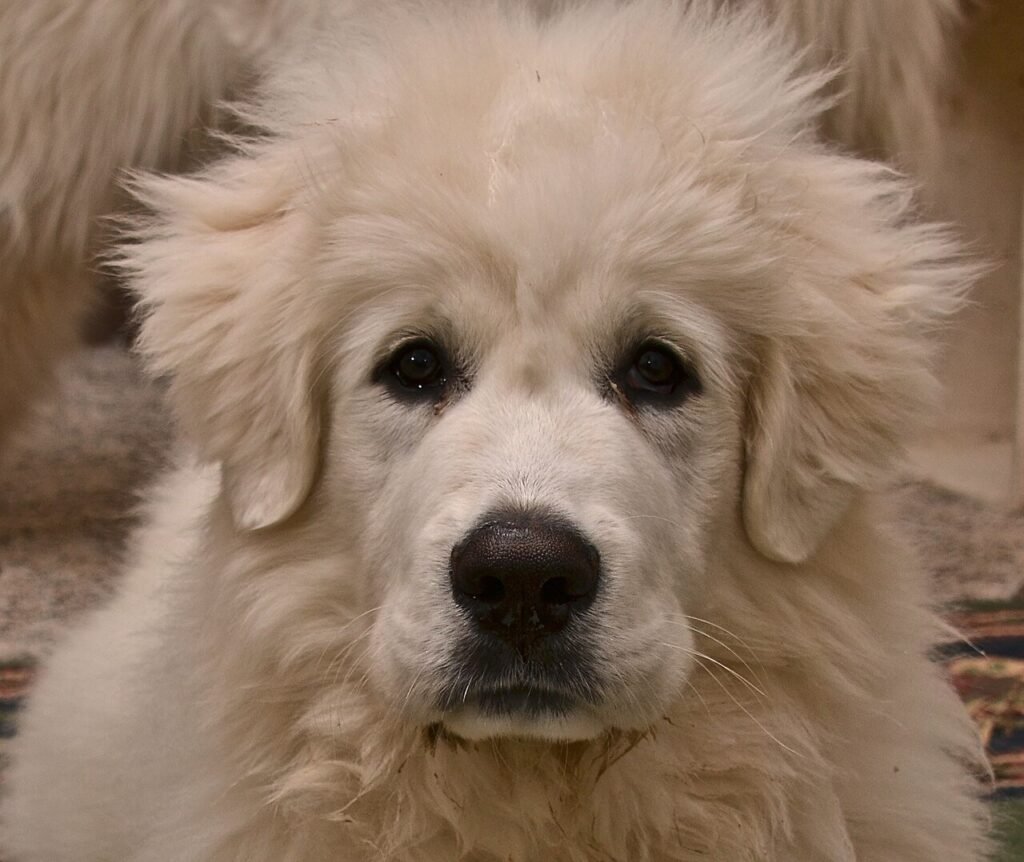
A puppy growth chart tracks your puppy’s weight over time against the typical pattern for their size. Small and toy breeds usually finish growing by about 8 to 12 months, medium breeds by 12 to 15 months, large breeds by 15 to 18 months and giant breeds by 18 to 24 months. Weigh your puppy every week or two.
Quick takeaways
- Puppies grow fastest in their first few months, then slow down as they near adult size.
- Small breeds finish growing much sooner than large and giant breeds.
- A home growth chart made from regular weigh-ins is more useful than any generic table.
- Growth plates in large breeds stay open longer, so avoid hard, repetitive exercise early.
- Steady, lean growth is the goal. Faster isn’t better.
In this guide
- How fast do puppies grow by breed size?
- Puppy growth chart by week: the early months
- How do I make my own puppy growth chart?
- Puppy growth chart for large breeds
- Puppy growth chart for small breeds
- What are puppy growth plates?
- Can I use a puppy growth chart to predict adult size?
- When do puppies have growth spurts?
- When should a puppy’s growth worry me?
- Frequently asked questions
Is your puppy growing too fast, too slowly or right on track? A puppy growth chart helps you answer that question. Generic charts can give you a rough idea, but the best chart is one you build from your own puppy’s weigh-ins. Here’s how both kinds work and what to look for.
How fast do puppies grow by breed size?
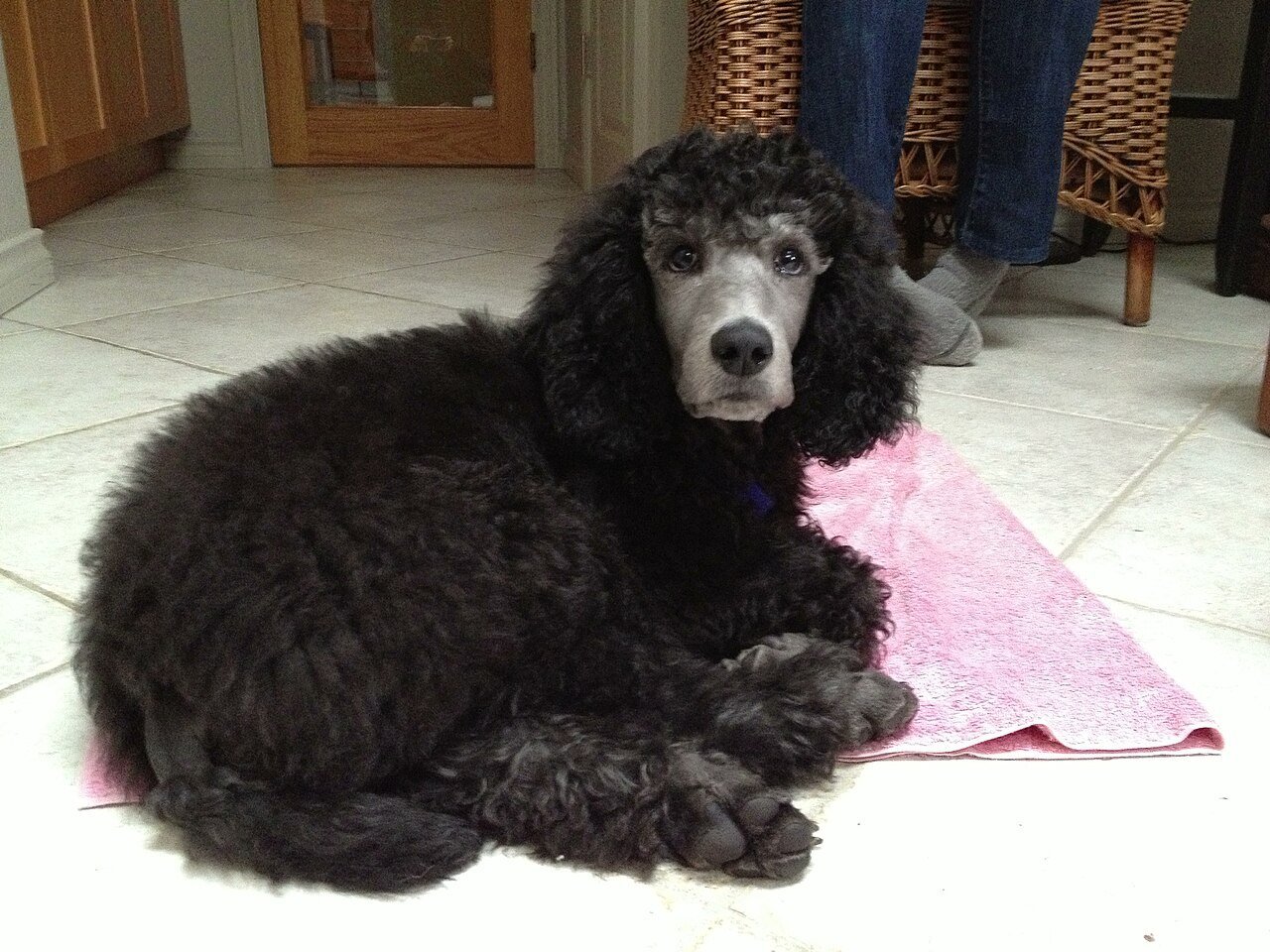
Size is the biggest factor in how long a puppy keeps growing. Small dogs race through puppyhood. Giant breeds take their time.
| Size group | Typical adult weight | Typical age when fully grown |
|---|---|---|
| Toy | About 5 to 12 lb | 8 to 12 months |
| Small | About 12 to 24 lb | 9 to 12 months |
| Medium | About 24 to 59 lb | 12 to 15 months |
| Large | About 59 to 99 lb | 15 to 18 months |
| Giant | Over 100 lb | 18 to 24 months |
These ranges come from PetMD’s guide to when dogs stop growing. Other vet sources draw the lines a little differently. The AKC, for example, says small breeds often stop growing by 6 to 8 months, and some very large breeds such as Mastiffs may not reach full size until 24 months. Treat any chart as a range, not a deadline.
Puppy growth chart by week: the early months
The steepest growth happens in the first few months. During this time, many puppies gain weight noticeably from one week to the next. That’s why vets weigh puppies at every vaccine visit.
If you have a puppy under 4 months old, weigh them weekly. Small puppies can go on a kitchen or baby scale. For bigger puppies, weigh yourself, then weigh yourself holding the puppy, and subtract.
How do I make my own puppy growth chart?
A homemade chart tells you far more about your puppy than a breed average. All you need is a scale and a notebook, phone note or spreadsheet.
- Pick a regular time. The same day each week, before breakfast, gives the most consistent numbers.
- Write down the date, age in weeks and weight.
- Note anything unusual, like a food change, illness or a big jump in activity.
- Plot it. A simple line graph in a spreadsheet makes the curve easy to see.
- Bring it to the vet. Your vet can compare the curve with your puppy’s body condition.
Here’s a blank template you can copy:
| Date | Age (weeks) | Weight (lb) | Body shape notes | Food and amount |
|---|---|---|---|---|
| 8 | ||||
| 9 | ||||
| 10 | ||||
| 12 | ||||
| 16 |
What you want to see is a smooth curve that rises steadily and then flattens out as your puppy nears adult size. Sudden drops, long plateaus during the early months or sharp jumps are worth a call to your vet.
Puppy growth chart for large breeds
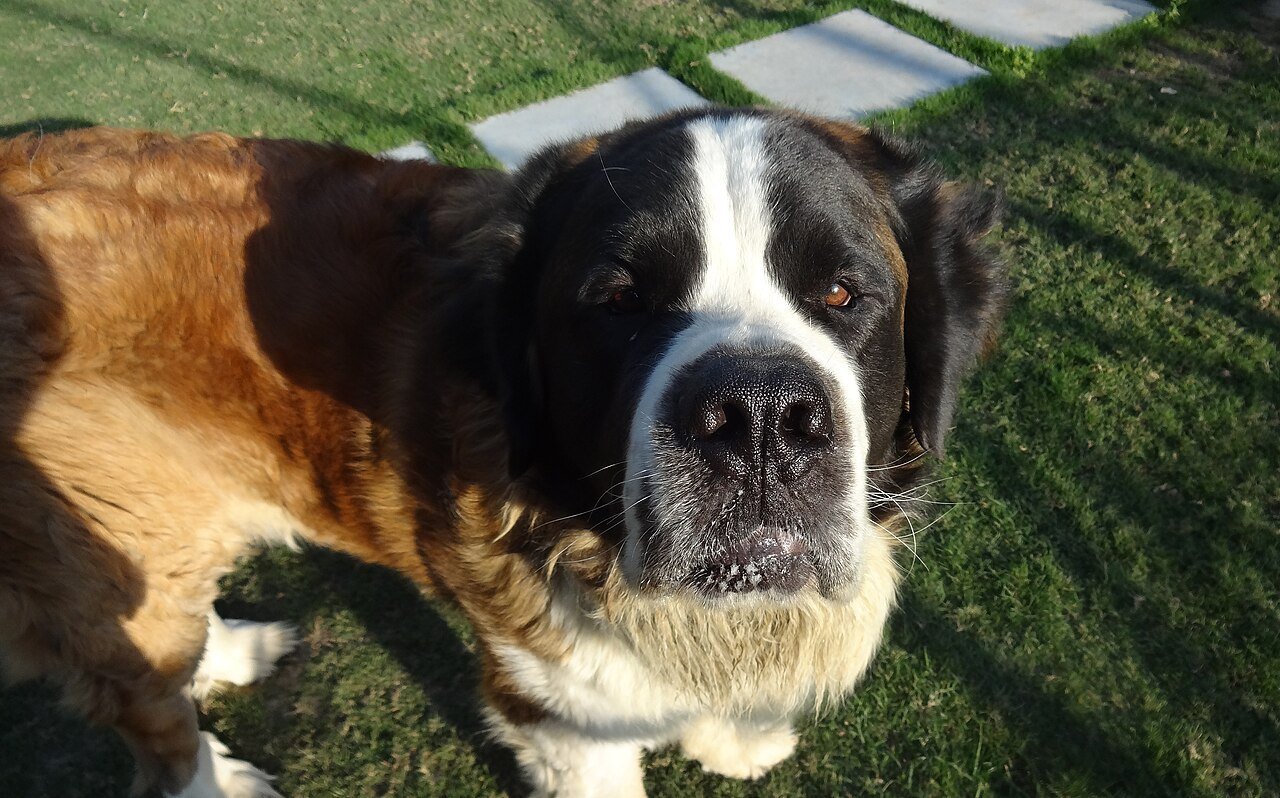
Large and giant breed puppies need extra care. Their bones grow for longer, and growing too fast can raise the risk of joint and bone problems. The AKC’s guide to large-breed dogs quotes its chief veterinarian, Dr. Jerry Klein, who explains that growth plates in large and giant breeds fuse later, as late as 16 to 18 months, compared with 6 to 9 months in toy dogs.
For a large-breed puppy:
- Feed a food labeled for growth of large-size dogs, meaning those expected to be 70 lb or more as adults.
- Keep your puppy lean. You should feel the ribs easily.
- Don’t add calcium or other supplements unless your vet prescribes them.
- Choose free play on soft surfaces over long, repetitive runs on pavement.
Our guide on how much to feed a puppy explains how to set calories and adjust them as your puppy grows.
Puppy growth chart for small breeds
Small and toy breed puppies grow quickly and reach adult size early. Their main risks are different. Tiny puppies can have trouble keeping their blood sugar steady if they skip meals, so they often need small, frequent meals for longer. A weight drop in a toy puppy is more serious than the same drop in a big one, so call your vet sooner rather than later.
What are puppy growth plates?
Growth plates are areas of soft, developing tissue near the ends of a puppy’s long bones. New bone forms there, which is how legs get longer. As your puppy matures, the plates harden and “close,” and that bone stops growing.
While growth plates are open, they’re more prone to injury than mature bone. That’s the reason for the common advice to avoid forced running, lots of jumping and hard, repetitive exercise until your vet says your puppy is ready. A vet can confirm closure with an X-ray if it matters for a sport or activity.
Can I use a puppy growth chart to predict adult size?
Somewhat. Your growth curve, your puppy’s breed and the size of the parents all give clues. But predictions get less reliable for mixed breeds and for puppies whose parents you don’t know. See our puppy weight calculator guide for the common methods and their limits.
When do puppies have growth spurts?
Puppies grow fastest in the first few months, but growth isn’t perfectly smooth. Many owners notice phases where their puppy suddenly looks long-legged and skinny, followed by a filling-out phase. Appetite and sleep can go up during these stretches too.
As long as your puppy is eating well, has normal energy and keeps a lean but not bony shape, these swings are usually normal. Our guide to puppy development stages explains how physical and behavioral growth line up.
When should a puppy’s growth worry me?
Call your vet if your puppy:
- Loses weight or stops gaining for more than a week or two in the early months
- Gains weight much faster than expected and looks round
- Has a pot belly with thin legs and ribs, which can point to worms
- Limps, has swollen joints or seems sore after play
- Seems small and weak compared with littermates
Your vet will use your puppy’s weight history, body shape and exam to decide whether anything needs to change. If you’re not sure how old your puppy is, our puppy age chart can help you estimate. And if you’re wondering when it ends, see when puppies stop growing.
Frequently asked questions
What is puppy growth chart?
It’s a simple record or graph of your puppy’s weight at different ages. Some charts show typical ranges by breed size. The most useful version is the one you make yourself from regular weigh-ins, because it shows your puppy’s own pattern and makes sudden changes easy to spot.
What are puppy growth plates?
Growth plates are soft areas near the ends of a puppy’s long bones where new bone forms. As a puppy matures, they harden and close, and the bone stops growing. According to the AKC’s chief veterinarian, large and giant breeds can have open growth plates until about 16 to 18 months, compared with 6 to 9 months in toy dogs.
What are puppy growth stages?
Puppies move from the neonatal stage (birth to 2 weeks) through transitional, socialization and juvenile stages, then into adolescence at around 6 months. Physical growth is steepest in the early months, while behavior keeps maturing well past the first birthday.
When are puppies growth spurts?
Most puppies gain weight fastest in the first few months of life. You may also notice stretches where your puppy looks lanky and all legs, then fills out. These spurts vary by puppy. Regular weigh-ins help you see what’s normal for yours.
How do puppies grow up?
They grow in size first and maturity later. Bones lengthen until growth plates close, then muscle and body shape fill in. Many dogs look adult by 1 year but still act like puppies, especially large breeds, which may not be fully mature until about 2 years old.
Vet note: This article is general information and is not a substitute for advice from your own veterinarian. If your puppy is having trouble breathing, collapses, has a seizure or may have eaten something toxic, call your vet or the nearest emergency animal hospital right away. ASPCA Animal Poison Control: 888-426-4435 (a fee may apply).
