
Grain free puppy food leaves out wheat, corn, rice and other grains, usually swapping in peas, lentils or potatoes. Most puppies don’t need it, since true grain allergies are uncommon. The FDA has looked into reports of heart disease (DCM) in dogs eating many grain-free diets, so talk to your vet before choosing one.
Quick takeaways
- Grain-free isn’t a nutrition category. Any puppy food still needs an AAFCO statement for growth or all life stages.
- Food allergies in dogs are most often to proteins like beef, dairy or chicken, not grains.
- In 2018 the FDA began investigating reports of DCM in dogs, many eating grain-free diets heavy in peas, lentils or potatoes.
- The FDA hasn’t proven that grain-free food causes DCM, and research is ongoing.
- Large breed puppies need a food that meets AAFCO’s growth profile for large size dogs, grain-free or not.
In this guide
- What does grain-free mean on a puppy food?
- Why did grain-free food get so popular?
- Is grain-free puppy food linked to heart disease?
- Does my puppy need grain-free food?
- What about grain-free food for large or small breeds?
- Wet, salmon and other grain-free options
- How to choose a puppy food, with or without grains
- Should I switch if my puppy already eats grain-free?
- Frequently asked questions
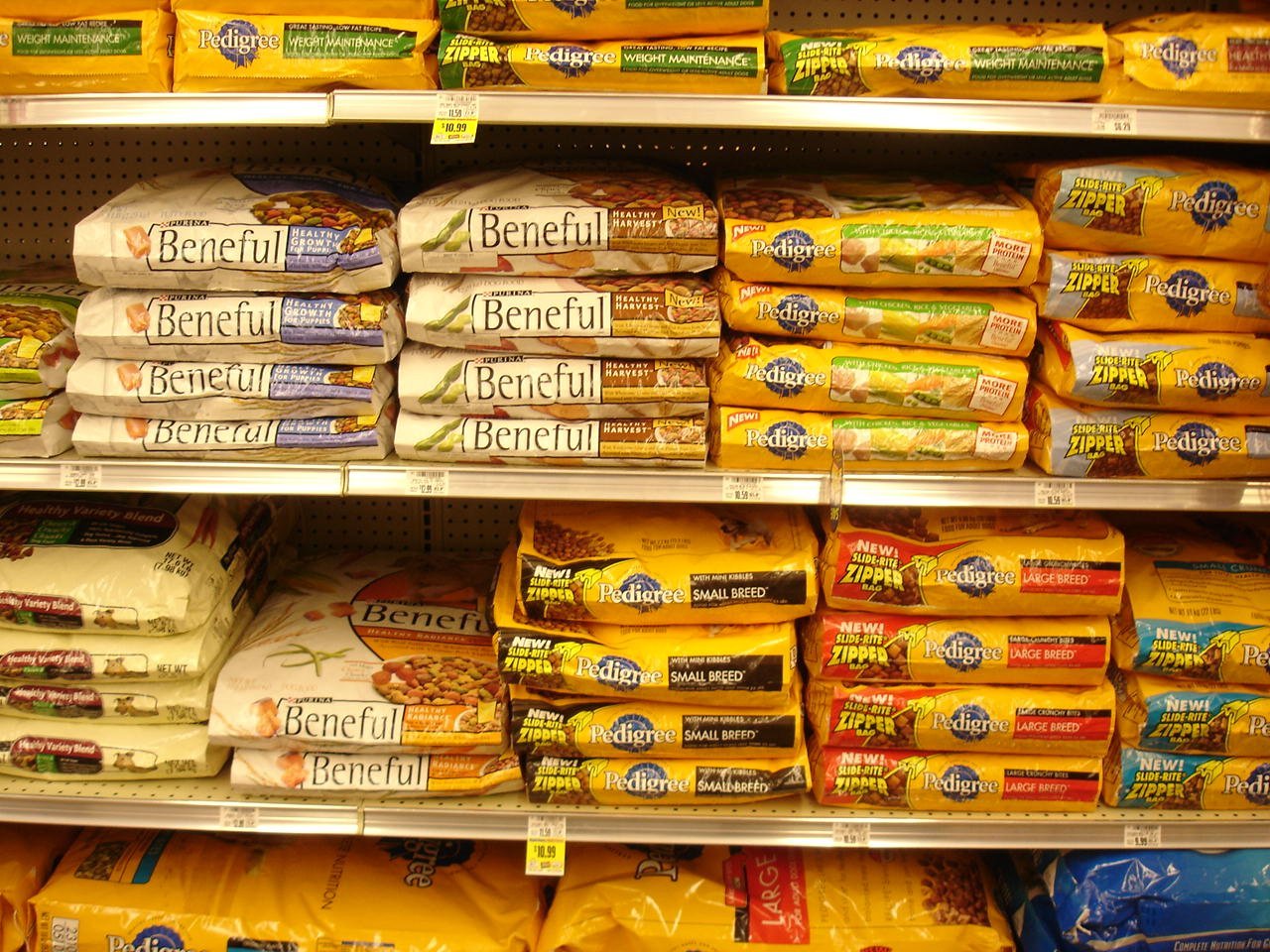
Walk down the dog food aisle and you’ll see “grain-free” on a lot of bags, often next to pictures of wolves and fresh vegetables. It’s easy to assume that means healthier. For puppies, the picture is more complicated. Here’s what grain free puppy food actually is, what the FDA’s heart disease investigation found, and how to decide what to feed.

What does grain-free mean on a puppy food?
A grain-free food leaves out cereal grains like wheat, corn, rice, barley and oats. Kibble still needs starch to hold its shape, so most grain-free recipes use peas, lentils, chickpeas, potatoes or sweet potatoes. Grain-free foods are often just as high in carbohydrates as regular kibble. They come from a different source, that’s all.
What matters most for a puppy is the nutritional adequacy statement on the bag. Under AAFCO guidelines, a puppy food should say it’s formulated to meet AAFCO nutrient profiles for growth or for all life stages. “Grain-free” says nothing about whether a food meets those standards.
Why did grain-free food get so popular?
Mostly marketing. Grains got a reputation as cheap fillers, and grain-free foods were sold as more natural. In reality, cooked grains supply energy, fiber and some protein, and most dogs digest them well.
Food allergies are a common reason owners switch. But VCA notes that dogs with food allergies most often react to proteins such as beef, dairy and chicken. True grain allergies are uncommon. If your puppy has itchy skin or loose stool, a vet visit makes more sense than switching to grain-free on a hunch.

Is grain-free puppy food linked to heart disease?
This is the big question, and the honest answer is that nobody knows for sure yet.
In July 2018, the FDA announced it was investigating reports of dilated cardiomyopathy (DCM) in dogs eating certain diets. Many were labeled grain-free and had peas, lentils, other legumes or potatoes among the first 10 ingredients. Many of the dogs were breeds not known to be prone to the inherited form of the disease.
DCM is a disease of the heart muscle. The heart gets bigger and pumps poorly, which can lead to congestive heart failure. The FDA has said the possible link between diet and DCM is complex and may involve genetics, other health conditions and diet. In December 2022 it said it doesn’t plan more public updates until there’s meaningful new science to share. It hasn’t shown that grain-free foods cause DCM, and it hasn’t told owners to stop feeding them.
The FDA’s advice is simple: your vet is in the best position to advise you on how to feed your dog, so talk to them before making a change.
Does my puppy need grain-free food?
Most don’t. Grain-free makes sense mainly when your vet has a specific reason, such as a confirmed reaction to an ingredient that only a particular diet avoids. Even then, vets often use a prescription or limited-ingredient diet, not a regular grain-free food from the store.
Signs it’s worth a vet visit before changing foods:
- Ongoing itching, ear infections or paw licking
- Diarrhea or vomiting that lasts more than a day or two
- Poor growth or a dull coat
- Gas and soft stool after every meal
Parasites, infections and plain old diet changes cause a lot of tummy trouble in puppies, so it helps to rule those out first.
What about grain-free food for large or small breeds?
Breed size matters more than grains. Large breed puppies need a food that meets AAFCO’s growth profile for large size dogs, which limits calcium to support steady bone growth. If a grain-free food doesn’t carry that statement, it isn’t right for a future Lab or Great Dane, however good the ingredient list looks.
Small breed puppies need small kibble and regular meals, since toy breeds can develop low blood sugar if they skip food. The grain question doesn’t change either of those needs.
Wet, salmon and other grain-free options
Grain-free wet foods and salmon recipes are popular, especially for picky eaters. They can be fine if they’re complete and balanced for growth. Wet food is mostly water, so it has fewer calories per ounce, and portions look bigger. If you mix wet and dry, cut back on each so the total stays on target.
How to choose a puppy food, with or without grains
- Find the AAFCO statement for growth or all life stages (and for large size dogs, if your puppy will be big).
- Pick a company that employs a qualified veterinary nutritionist and does feeding trials or nutrient testing. You can call or email and ask.
- Feed the amount on the bag as a starting point, then adjust using your puppy’s body shape and your vet’s advice. Our puppy feeding schedule has timetables by age.
- Switch foods slowly over about a week.
- Plan ahead for the move to adult food. See puppy vs. adult dog food and when to switch a puppy to adult food.
Should I switch if my puppy already eats grain-free?
Don’t panic, and don’t switch overnight. Bring the bag or a photo of the label to your next vet visit and ask whether that food is a good fit. If your vet suggests a change, mix the new food in gradually. If your puppy ever shows signs like coughing, fast breathing at rest, fainting or low energy, see your vet promptly, whatever it eats.
For most puppies, a well-made growth food that includes grains is a safe, affordable choice. Save grain-free for when your vet has a reason to recommend it.
Frequently asked questions
What is grain free puppy food?
It’s a puppy food made without cereal grains such as wheat, corn, rice, barley or oats. To keep the kibble together and supply energy, most grain-free foods use peas, lentils, chickpeas or potatoes instead. Grain-free doesn’t mean low-carb, and it isn’t a separate AAFCO category.
Is grain free bad for puppies?
Not automatically, but it isn’t better for most puppies either. The FDA has investigated reports of dilated cardiomyopathy in dogs eating many grain-free diets, and the cause still isn’t settled. Unless your vet has a specific reason to avoid grains, a complete growth diet that includes grains is a sensible default.
How much grain free dog food to feed?
Start with the feeding chart on the bag for your puppy’s age and expected adult weight, then adjust based on body condition. Calories per cup differ a lot between foods, so don’t assume the amount from your old food carries over. Your vet can help you set a daily target.
Is grain free dog food good or bad?
It depends on the dog and the specific food. A few dogs do better on a particular limited-ingredient diet, which may or may not be grain-free. For most healthy puppies and dogs there’s no proven benefit to skipping grains, and there’s an open question about heart health, so many vets suggest grain-inclusive foods.
Is grain free dog food linked to heart disease?
The FDA found that many dogs reported with DCM were eating grain-free foods with peas, lentils, other legumes or potatoes high on the ingredient list. It also said the link is complex and may involve several factors, and it hasn’t shown that these diets cause DCM. Ask your vet if you’re worried.
Vet note: This article is general information and is not a substitute for advice from your own veterinarian. If your puppy is having trouble breathing, collapses, has a seizure or may have eaten something toxic, call your vet or the nearest emergency animal hospital right away. ASPCA Animal Poison Control: 888-426-4435 (a fee may apply).
