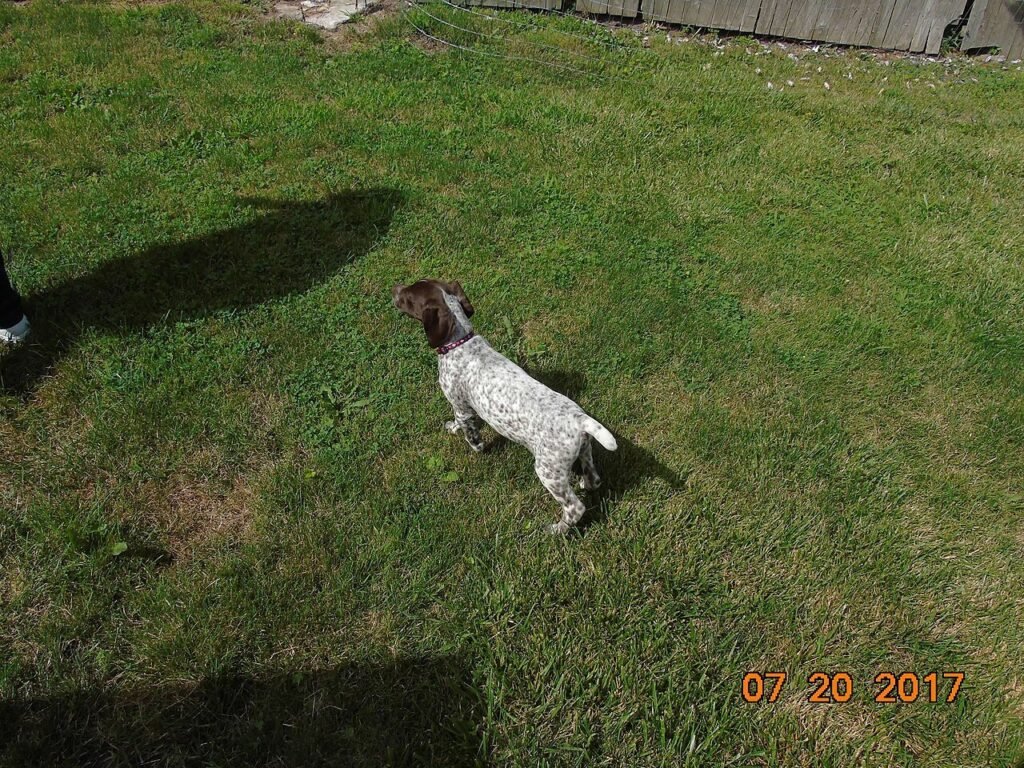
A 10 week old puppy schedule centers on potty breaks every hour or two while awake, three or four meals a day, and lots of sleep, often 18 hours or more. Fit in short play and training sessions between naps, take your puppy out after every meal and nap, and keep bedtime and wake-up times the same each day.
Quick takeaways
- Take a 10-week-old puppy out after waking, eating, drinking, playing and every hour or two in between.
- Feed three or four measured meals a day.
- Plan for long, frequent naps. Overtired puppies get bitey.
- Keep training sessions to a few minutes, several times a day.
- Many puppies get a round of vaccines around this age, so ask your vet about safe socialization.
In this guide
- What does a 10-week-old puppy need each day?
- Sample 10 week old puppy schedule
- What is the 10 week old puppy feeding schedule?
- How often should a 10-week-old puppy go out?
- What is the 10 week old puppy sleep schedule?
- What should a 10 week old puppy training schedule include?
- What about vaccines at 10 weeks?
- Can you board a 10-week-old puppy?
- How much exercise does a 10-week-old puppy need?
- What if the schedule isn’t working?
- How will the schedule change next?
- Frequently asked questions
By 10 weeks, most puppies have been home for a week or two. The first-night chaos has settled, and you’ve probably noticed some patterns: when your puppy wakes up, when it gets the zoomies, and when it starts chewing on your ankles because it really needs a nap. A steady 10 week old puppy schedule turns those patterns into a routine that makes potty training and sleep easier for everyone.
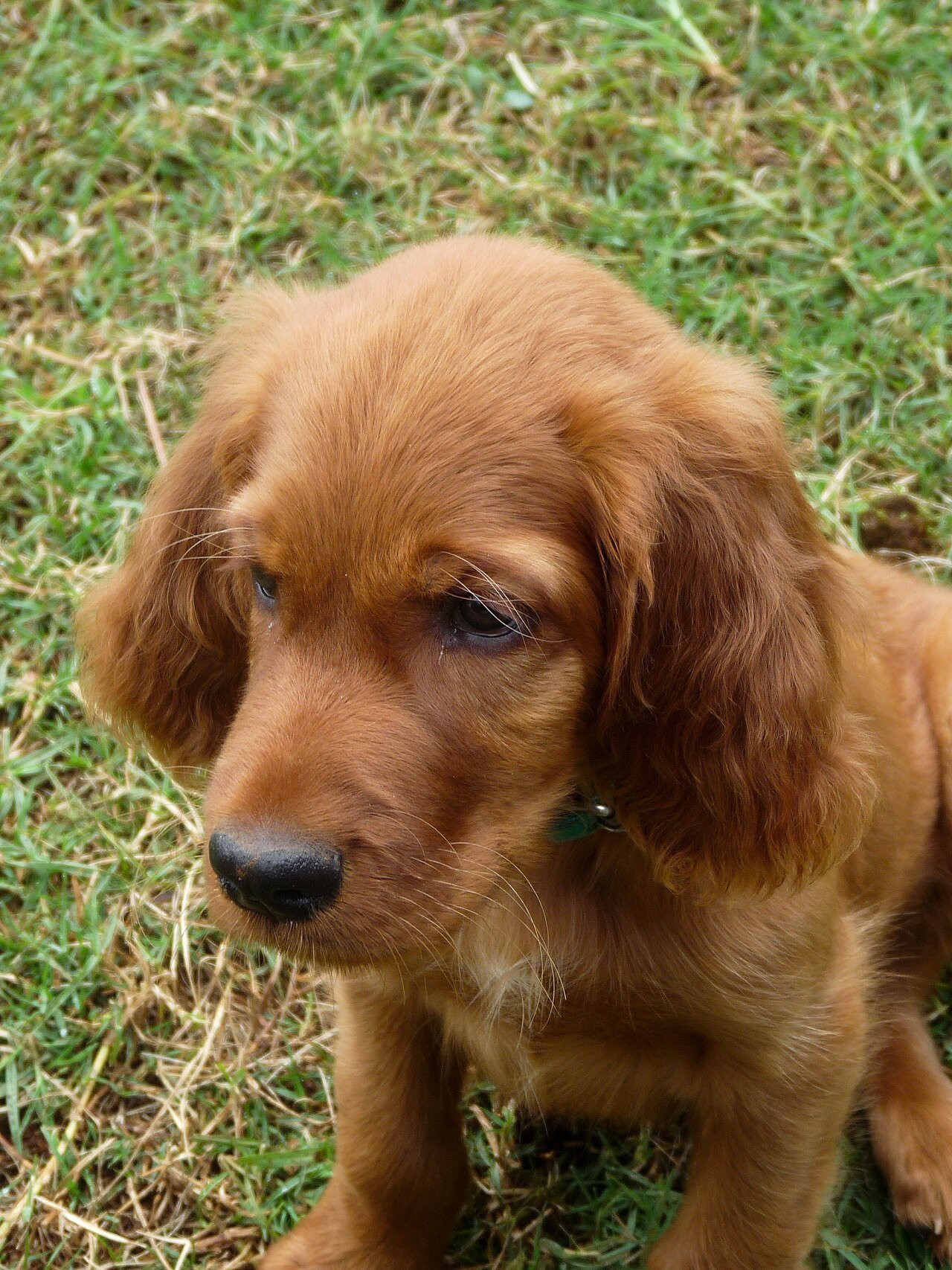
What does a 10-week-old puppy need each day?
At this age, a puppy’s day is mostly sleep, punctuated by short bursts of eating, potty trips, play and learning. Your schedule should cover:
- Frequent potty breaks
- Three or four small meals
- Lots of sleep, often 18 hours or more out of 24
- A few minutes of training several times a day
- Gentle new experiences for socialization
- Calm chew time in a crate or pen
Sample 10 week old puppy schedule
Treat this as a template. Shift the times to fit your home, but keep the order of events: wake, potty, activity, potty, nap.
| Time | Activity |
|---|---|
| 6:30 a.m. | Wake up, straight outside to potty |
| 6:45 a.m. | Breakfast, then potty |
| 7:00 a.m. | Play and a short training game |
| 7:45 a.m. | Potty, then nap in the crate or pen |
| 9:45 a.m. | Wake, potty, explore a new surface or sound |
| 10:30 a.m. | Potty, nap |
| 12:00 p.m. | Wake, potty, lunch, potty |
| 12:30 p.m. | Play, short training session |
| 1:15 p.m. | Potty, nap |
| 3:15 p.m. | Wake, potty, chew toy time |
| 4:00 p.m. | Potty, nap |
| 5:30 p.m. | Wake, potty, dinner, potty |
| 6:00 p.m. | Family time, gentle handling practice |
| 7:00 p.m. | Potty, nap or quiet chew |
| 8:30 p.m. | Wake, potty, calm play |
| 9:30 p.m. | Last water |
| 10:30 p.m. | Final potty, bedtime |
| About 3:00 a.m. | Quiet potty break if needed |
If you’re coming from our 8 week old puppy schedule, you’ll notice awake periods are a little longer now. They’ll keep stretching over the next few weeks.

What is the 10 week old puppy feeding schedule?
Most 10-week-old puppies eat three or four meals a day. Split the daily amount on the food’s feeding chart evenly between meals, then adjust based on your puppy’s body shape and your vet’s advice. Toy breeds may need more frequent small meals to keep their blood sugar steady.
Feed at the same times every day. A predictable feeding schedule leads to predictable potty times, which speeds up house training. Pick up the bowl after about 15 to 20 minutes, and take your puppy out right after it eats.
How often should a 10-week-old puppy go out?
Often. A common rule of thumb is that puppies can hold it for about as many hours as their age in months, plus one, but young puppies vary a lot and that rule is a stretch during busy, playful times. At 10 weeks, plan to go out:
- Right after waking, including from short naps
- Within a few minutes of eating or drinking
- During and after play
- About every hour or two while awake
- Before bed, and once overnight if needed
Reward your puppy right after it goes in the right spot. If accidents happen, clean them with an enzyme cleaner and take your puppy out more often.
What is the 10 week old puppy sleep schedule?
Puppies this age need a lot of sleep, and many won’t settle on their own. If your puppy gets wild, mouthy or whiny after an hour or so awake, it’s often overtired, not underexercised. Put it in its crate or pen with a safe chew, and let it rest.
At night, keep the crate close to your bed for now. If your puppy wakes and cries, take it out to potty calmly, with no play, and put it back. Our guide to puppy crying at night has more help.
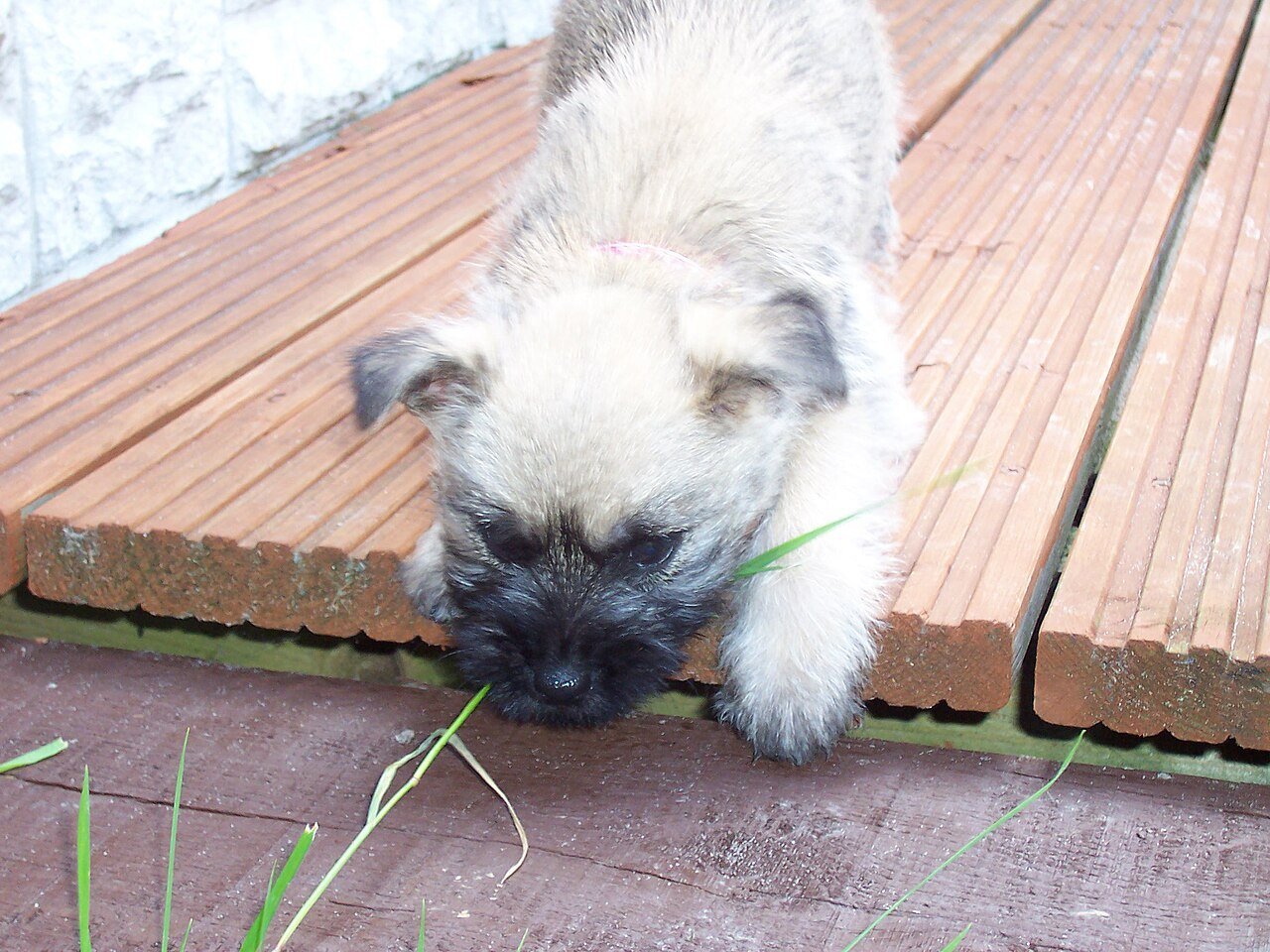
What should a 10 week old puppy training schedule include?
Keep sessions to about 3 to 5 minutes, two to four times a day. Good skills to work on now:
- Name recognition
- Sit and down
- Coming when called, indoors
- Settling on a mat or bed
- Crate time with a chew
- Gentle handling of paws, ears and mouth
Puppy biting is normal at this age. Redirect to a toy, and end play calmly if the teeth keep coming.
What about vaccines at 10 weeks?
Many puppies get a round of core vaccines somewhere between 6 and 16 weeks, with boosters every few weeks. Your vet will set the exact timing. Until the series is complete, avoid places where unknown dogs gather, like dog parks and pet store floors. You can still socialize safely: carry your puppy to new places, invite healthy, vaccinated dogs over, and sign up for a puppy class that requires vaccine records. Our guide on how to socialize a puppy has a safe plan for this stage.
Can you board a 10-week-old puppy?
It’s best to avoid it if you can. Many boarding kennels require completed vaccines, and a new place can disrupt house training. If you have to travel, a pet sitter who stays in your home or a trusted friend is usually a better option at this age. Check with your vet first.
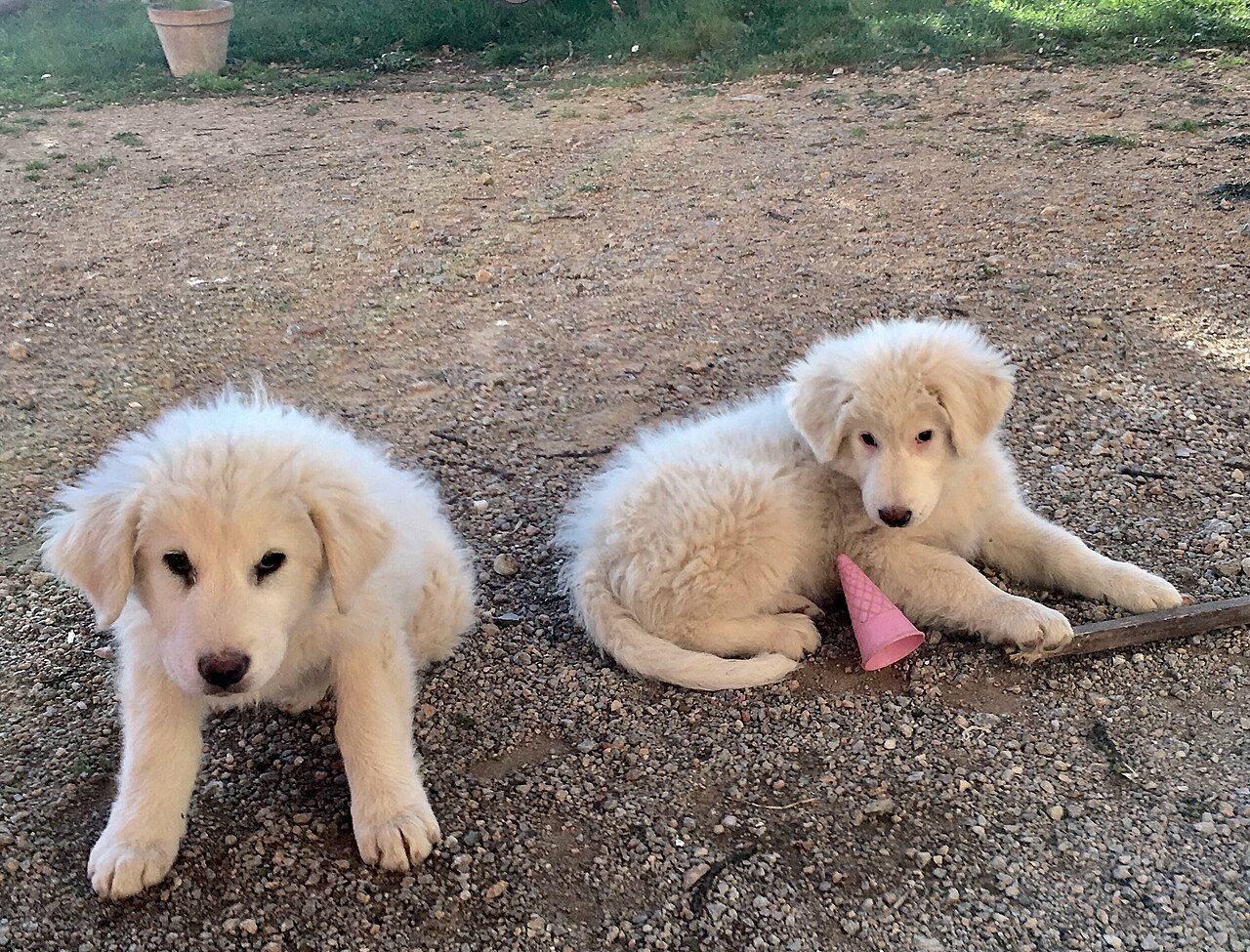
How much exercise does a 10-week-old puppy need?
Less than most people expect. At this age, short bursts of free play in a safe yard or room, a few minutes of sniffing around on a leash, and gentle training games are plenty. Your puppy will usually tell you when it’s done by flopping down or getting cranky.
Skip long walks, jogging and repeated stairs for now. Let your puppy set the pace, and stop well before it’s worn out. Mental work tires a young puppy out too. A food puzzle, a snuffle mat or a short training session can take the edge off a busy afternoon without wearing out growing joints.
What if the schedule isn’t working?
Every puppy is a little different, so treat the sample schedule as a starting point. If your puppy has a lot of accidents, shorten the time between potty breaks. If it fights every nap, try a darker, quieter spot and a calm wind-down first. If nights are rough, move dinner and the last drink a bit earlier and keep the final potty trip boring. Call your vet if your puppy seems tired all the time, eats poorly or has diarrhea, since those can point to a health problem rather than a schedule problem.
How will the schedule change next?
By 12 weeks, many puppies can stay awake a little longer, sleep a bit better at night and go slightly longer between potty breaks. Our 12 week old puppy schedule picks up from here, and our guide to puppy development stages covers the bigger picture of what’s ahead.
Frequently asked questions
How often should a 10 week old puppy go outside?
Plan on a potty trip right after waking, eating, drinking and playing, and about every hour or two while your puppy is awake. Many 10-week-old puppies still need one potty break overnight. Watch for sniffing, circling or wandering off, which often mean your puppy needs to go now.
How often should i take my 10 week old puppy out?
Every hour or two during the day is a good starting point, plus after every meal, nap and play session. Overnight, set an alarm for one quiet trip if your puppy can’t make it until morning yet. Stretch the time between trips slowly as your puppy stays dry.
Can you board a 10 week old puppy?
Some boarding facilities take young puppies, but many require a full or nearly full vaccine series first, so check their rules. A trusted pet sitter or friend who comes to your home is often a better choice at this age, since it limits disease exposure and keeps your puppy’s routine steady. Ask your vet before you book.
Vet note: This article is general information and is not a substitute for advice from your own veterinarian. If your puppy is having trouble breathing, collapses, has a seizure or may have eaten something toxic, call your vet or the nearest emergency animal hospital right away. ASPCA Animal Poison Control: 888-426-4435 (a fee may apply).
