
Puppy crying at night usually means your puppy needs to potty, feels lonely in a new place, or isn’t tired enough. Keep the crate beside your bed, take your puppy out right before sleep, and answer a cry after a long nap with a quiet potty trip. Most puppies cry less within one to two weeks.
Quick takeaways
- Most night crying comes from a full bladder, loneliness or boredom, not from being spoiled.
- A crate within arm’s reach of your bed settles most puppies faster than a room down the hall.
- Treat a cry after an hour or more of sleep as a potty need until you know otherwise.
- Keep night trips dull: no play, low light and straight back to bed.
- Call your vet if crying comes with diarrhea, vomiting, straining or a puppy who won’t settle at all.
In this guide
- Why is my puppy crying at night?
- Should I ignore my puppy crying at night?
- How to handle puppy crying at night in the crate
- What to do when a puppy cries after a potty trip
- Puppy crying at night on the first night
- How long does puppy crying at night last?
- How to calm a crying puppy without making it worse
- When should puppy crying worry me?
- Frequently asked questions
Hearing a new puppy cry at 2 a.m. is hard, especially when you’re running on little sleep. The good news is that night crying is normal for a puppy who just left their litter, and it usually fades with a steady routine. The trick is to figure out what the crying means so you can respond the right way.
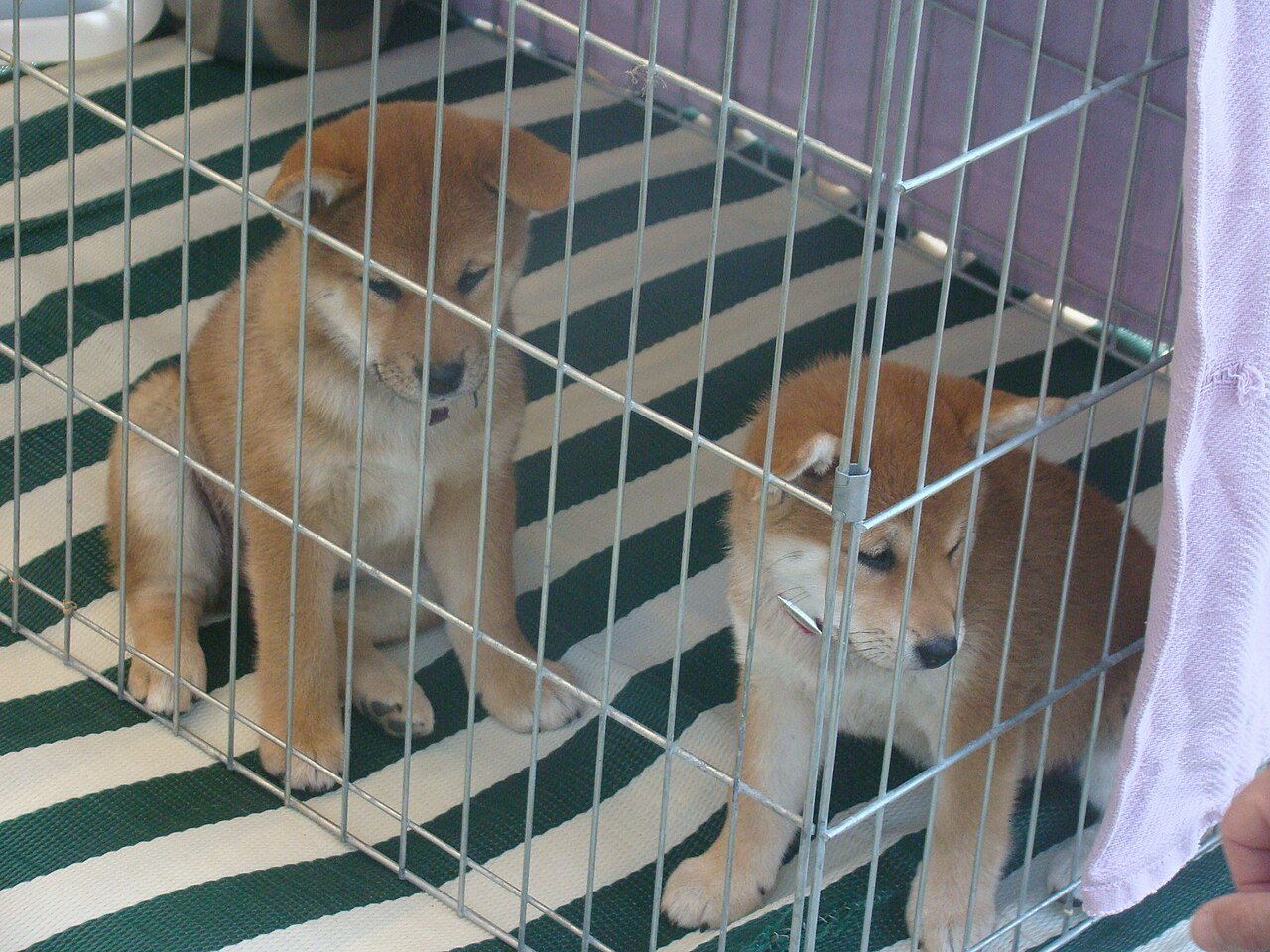
Why is my puppy crying at night?
A puppy who cries at night is trying to tell you something. The most common reasons are simple.
- They need to go. Young puppies have small bladders. An 8 to 10 week old puppy often can’t make it through the night without a trip outside.
- They’re lonely. Until last week your puppy slept in a warm pile of littermates. A quiet room can feel strange and scary.
- They aren’t tired. A puppy who napped all evening may be ready to play when you’re ready to sleep.
- They’re uncomfortable. A crate that’s too cold, too warm or too big can keep a puppy restless.
- They’ve learned that crying works. If every whine earns a play session, some puppies learn to cry for company.
Less often, crying points to a health problem such as an upset stomach, worms or pain. That’s why it helps to notice what else is going on. A puppy who cries and also has diarrhea, vomits, strains to pee or seems to hurt when picked up should see a vet.
Should I ignore my puppy crying at night?
Not at first. On the first few nights, ignoring a crying puppy can mean ignoring a full bladder, and it can make the crate feel like a scary place. A better approach is to respond in a calm, boring way that meets the need without turning night into playtime.
Here’s a simple way to read the cry:
| What’s happening | What it usually means | What to do |
|---|---|---|
| Crying right after you put them down | Settling in, missing you | Wait a few minutes, speak softly, rest a hand near the crate |
| Waking up after an hour or more of sleep | Potty need | Carry them out, wait for them to go, then straight back to bed |
| Crying right after a potty trip | Unsettled, cold or wired | Check the blanket, offer a chew, stay quiet and close |
| Frantic howling, drooling, trying to escape | High stress | Move the crate closer or sit beside it until they calm down |
Once your puppy is a few weeks into the routine and you know they’ve just been out, you can wait out short bouts of fussing. Many puppies whine for a few minutes and then fall asleep. What you want to avoid is long stretches of panicked crying with no response, since that can build fear of the crate.
How to handle puppy crying at night in the crate
A crate gives your puppy a small, den-like spot to sleep, and most puppies won’t soil the place they sleep if it’s sized right. Those two things make it one of the best tools for quiet nights. If you haven’t started yet, our guide on how to crate train a puppy walks through the steps.

A few setup details make a big difference:
- Put the crate next to your bed. A puppy who can hear you breathe usually settles faster. You can move the crate to its long-term spot once your puppy sleeps through the night.
- Size it right. Your puppy should be able to stand, turn around and lie down. If the crate is meant for an adult dog, use the divider.
- Add something soft and safe. A washable towel or blanket works well. Skip thick beds with stuffing until you know your puppy won’t chew them.
- Give one safe chew. A puppy-safe rubber toy can keep their mouth busy while they wind down.
- Try partial cover. Draping a light blanket over the back and sides of a wire crate helps some puppies relax. Leave the front open for airflow.
What to do when a puppy cries after a potty trip
This one confuses a lot of owners. You take your puppy out, they go, you put them back, and the crying starts again.
Usually the trip woke them up. Bright lights, chatting and cuddling all tell a puppy that it’s time to be awake. Keep night trips as dull as possible. Carry your puppy out on a leash, use a small flashlight instead of turning on every light, praise quietly when they go, and walk straight back to the crate.
If the crying keeps going, check whether they might still need to go. Some puppies pee and then need to poop a few minutes later, especially if they ate late. Wait outside a little longer next time. Our guide to potty training a puppy at night covers the timing in more detail.
Puppy crying at night on the first night
The first night is often the loudest. Your puppy has had a big day: a car ride, new people, new smells and no littermates. A little crying is expected.

Set yourself up before bedtime. Feed dinner about three hours before you plan to sleep, pick up the water bowl about an hour before unless your vet says otherwise, and play a gentle game earlier in the evening. Take your puppy out right before lights out, even if they went recently. Set an alarm for one planned potty trip in the early hours so your puppy doesn’t have to cry to get out.
Ask your breeder or shelter for a cloth that smells like the litter. A familiar smell helps.
How long does puppy crying at night last?
There’s no fixed timeline, but most puppies cry a lot less within the first week or two when the routine stays the same every night. Some settle in a couple of nights. Others take longer, especially puppies who were never crated before or who are naturally more anxious.
The amount of night crying usually drops as your puppy’s bladder grows. A common rule of thumb is that a puppy can hold it for about one hour per month of age, plus one, up to a limit. So a 2 month old may last about three hours, and a 4 month old about five. Use that as a rough guide, not a promise.
If your puppy is still crying hard every night after two or three weeks, look at the routine again. Check daytime exercise, late naps and how far away the crate is. It’s also worth a call to your vet to rule out a health problem, and a certified trainer can help if the crying looks like true panic.
How to calm a crying puppy without making it worse
What you do during the day shapes how your puppy sleeps at night.
- Give the day some structure. Play, training, meals and naps at roughly the same times make bedtime easier to predict. Short, upbeat sessions from our puppy training guide count as mental exercise.
- Practice short alone time. Step out of the room for a minute while your puppy chews a toy in the crate or pen, then come back calmly. This builds confidence a little at a time.
- Skip scolding. Yelling or banging on the crate adds stress and usually makes crying worse.
- Don’t reward the cry with play. Meet the need, then go back to sleep mode.

When should puppy crying worry me?
Most night crying is about adjusting to a new home. Call your vet if crying comes with any of the following:
- Diarrhea, especially with blood or mucus. See our guide on blood in puppy stool for what to watch.
- Vomiting, refusing food or a swollen belly.
- Straining to pee, peeing very often, or crying while peeing.
- Limping, yelping when picked up or other signs of pain.
- Crying that doesn’t stop no matter what you try, along with drooling, panting or chewing at the crate until their mouth or paws are hurt.
Trust your gut. You’ll learn your puppy’s normal sounds quickly, and a change in that pattern is worth a phone call.
Frequently asked questions
How to handle puppy crying at night?
Start with the basics: a potty trip right before bed, a crate next to your bed and a chew toy inside. If your puppy cries after sleeping for a while, carry them out to potty and bring them straight back. If they cry right after you put them down, wait a few minutes and speak softly before you do anything else.
How to stop puppy crying at night in crate?
Make the crate a good place during the day first. Feed meals in it, toss treats inside and let your puppy nap there with the door open. At night, keep the crate close enough that your puppy can smell and hear you, add a washable blanket.
How to help puppy crying at night?
Tire your puppy out with gentle play and a short training session in the evening, then wind down for the last half hour. A warm, washable blanket, a safe chew and a fan or white-noise machine help many puppies relax.
How to stop puppy crying at night outside?
Young puppies shouldn’t sleep outside. They can’t control their body temperature as well as adult dogs, and being shut out away from you is a common reason for nonstop crying. Bring the crate inside to your bedroom.
How to prevent puppy crying at night?
Set the same bedtime routine every night: dinner about three hours before bed, water picked up about an hour before, play, a calm wind-down and a final potty trip. Plan one alarm for a middle-of-the-night potty break so your puppy doesn’t have to cry to get out.
Vet note: This article is general information and is not a substitute for advice from your own veterinarian. If your puppy is having trouble breathing, collapses, has a seizure or may have eaten something toxic, call your vet or the nearest emergency animal hospital right away. ASPCA Animal Poison Control: 888-426-4435 (a fee may apply).
