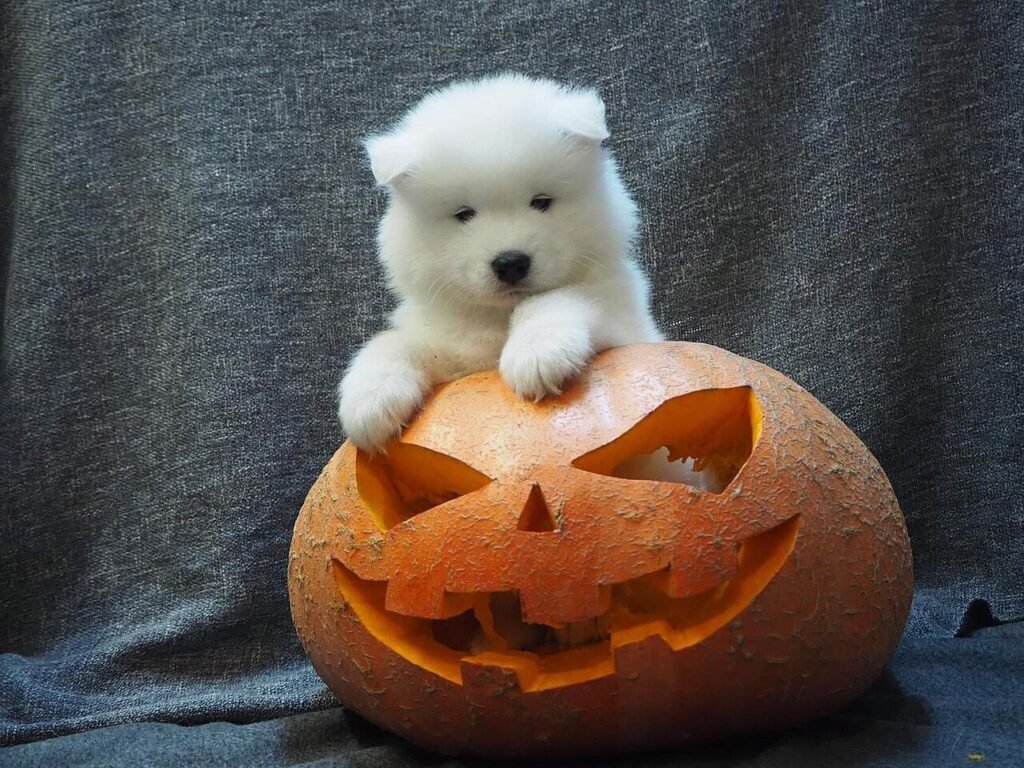
Can puppies eat pumpkin? Yes, if it’s plain. A small spoonful of 100% canned pumpkin puree or cooked, peeled pumpkin is usually fine once your puppy is eating solid food. Skip pumpkin pie filling, pie, lattes and anything with sugar, spices or xylitol. Keep portions treat-sized and check with your vet.
Quick takeaways
- Plain 100% pumpkin puree and cooked, peeled pumpkin are the safe forms.
- Pumpkin pie filling and pie can contain sugar, spices like nutmeg, and sometimes xylitol.
- Start with about a teaspoon for small puppies and a tablespoon for bigger ones.
- Treats, pumpkin included, should stay under about 10% of your puppy’s daily calories.
- Pumpkin isn’t a fix for puppy diarrhea. Call your vet if loose stool lasts or comes with other signs.
In this guide
- Can puppies eat pumpkin safely?
- Which kinds of pumpkin are safe for puppies?
- Can puppies eat pumpkin pie?
- Can puppies eat pumpkin seeds?
- How much pumpkin can a puppy have?
- Does pumpkin help puppy diarrhea?
- How do I make pumpkin for my puppy?
- What else should I know before sharing fall foods?
- Frequently asked questions
Fall in the US means pumpkins everywhere: on porches, in coffee and baked into pies. If your puppy is giving you big eyes while you cook, it’s natural to wonder whether they can have a taste. The short version is yes, plain pumpkin is generally safe in small amounts. The details, though, make a big difference.
Can puppies eat pumpkin safely?
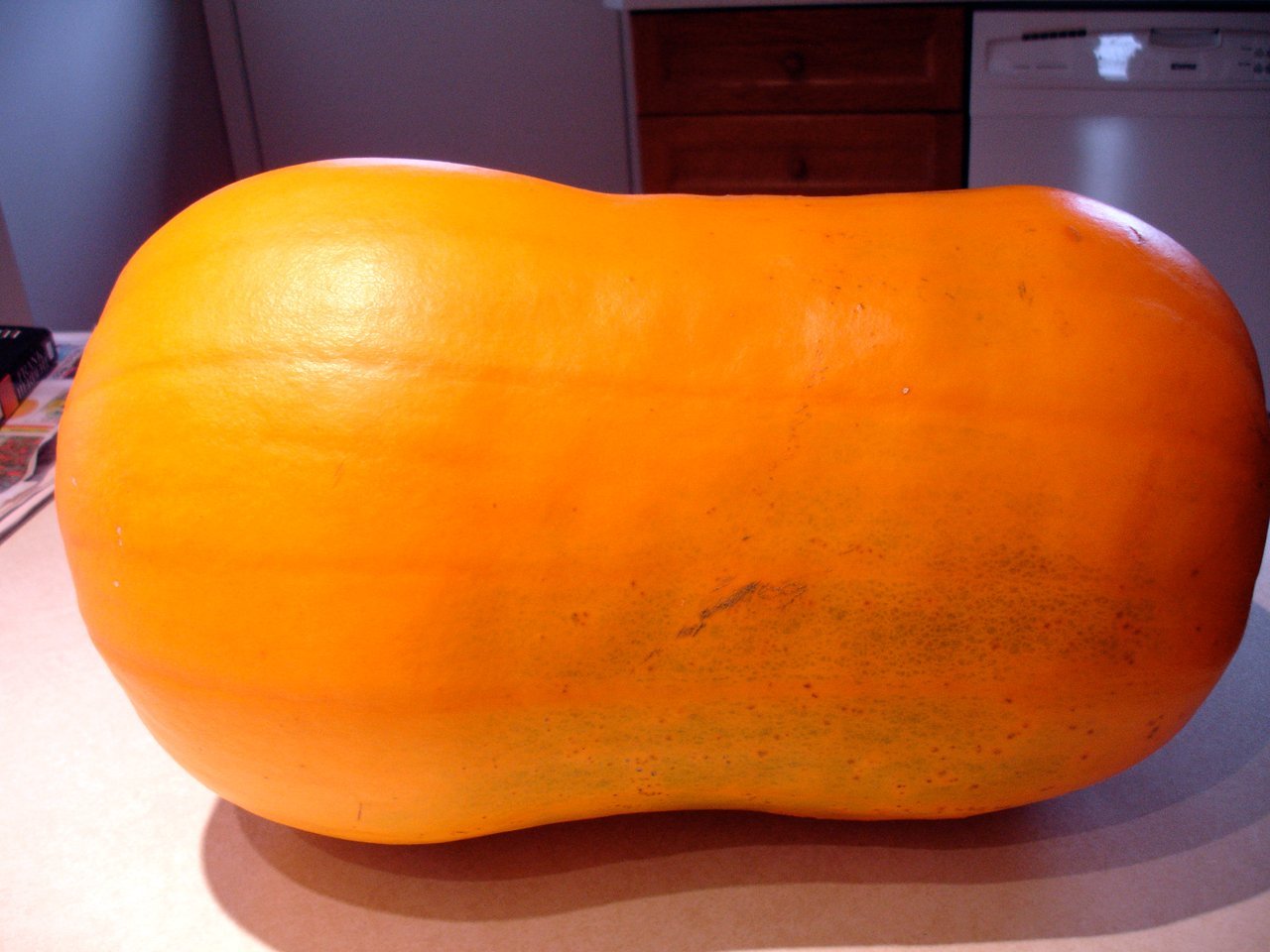
Plain pumpkin isn’t toxic to dogs. The American Kennel Club lists pure pumpkin among the foods dogs can eat and recommends choosing 100% pumpkin puree or roasting the pumpkin yourself and feeding the peeled flesh.
Puppies have a few extra reasons for caution, though. Their stomachs are more sensitive, they need every bite of their food to support growth, and many common pumpkin foods contain things they shouldn’t have. So the real question isn’t whether pumpkin is OK. It’s which pumpkin and how much.
Which kinds of pumpkin are safe for puppies?
| Type of pumpkin | Safe for puppies? | Notes |
|---|---|---|
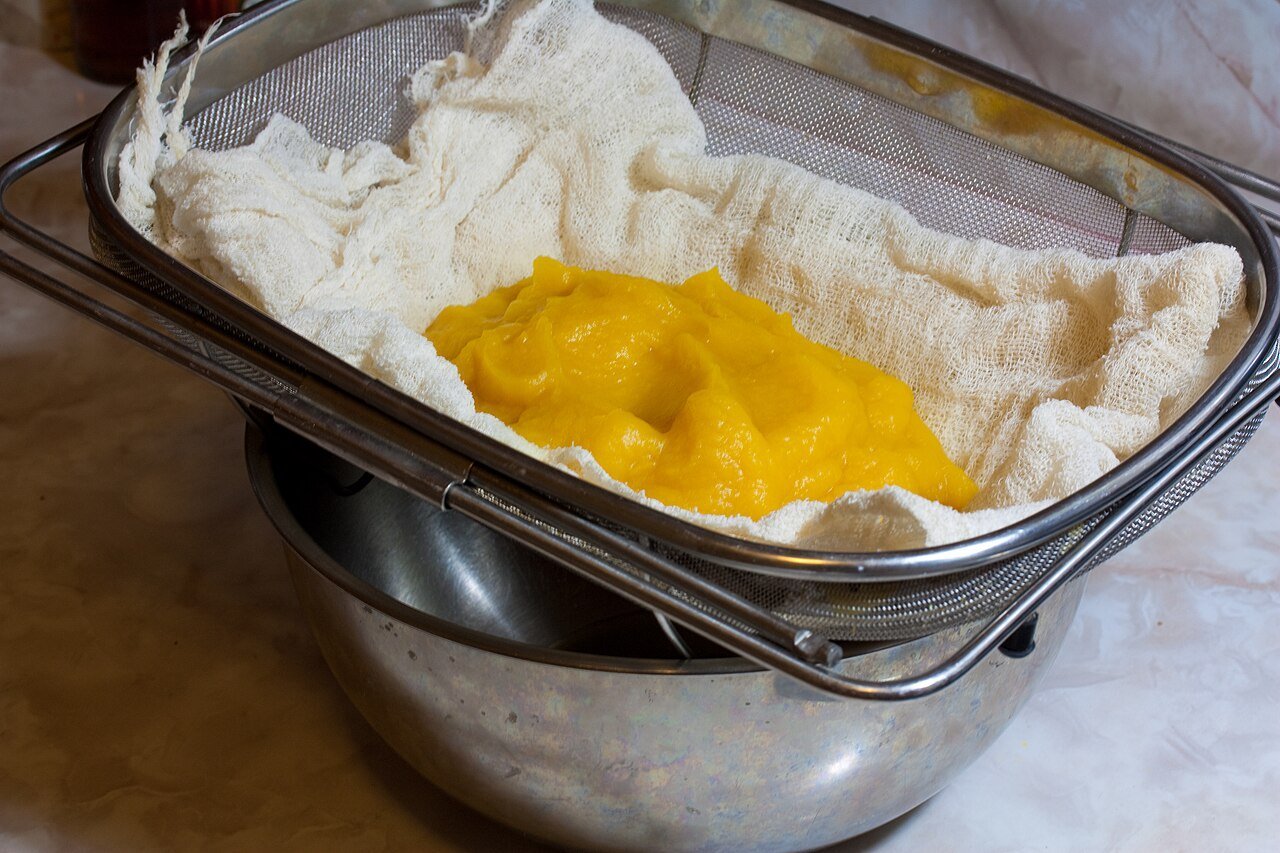
| 100% canned pumpkin puree | Yes, in small amounts | Read the label for added salt or sugar |
| Fresh pumpkin, cooked and peeled | Yes, in small amounts | Steam or roast plain, then mash |
| Pet pumpkin powders or treats | Usually | Follow the package and ask your vet |
| Raw pumpkin flesh | Not ideal | Harder to digest |
| Rind, stem and guts | No | Tough, fibrous and a blockage risk |
| Pumpkin seeds, roasted plain and ground | A pinch only | Never salted or seasoned |
| Pumpkin pie filling or pie | No | Sugar, spices and possibly xylitol |
| Pumpkin spice lattes, muffins, bread | No | Sugar, fat, spices, dairy, caffeine |
| Carved jack-o’-lanterns | No | Can grow mold and may have wax or paint |
Can puppies eat pumpkin pie?
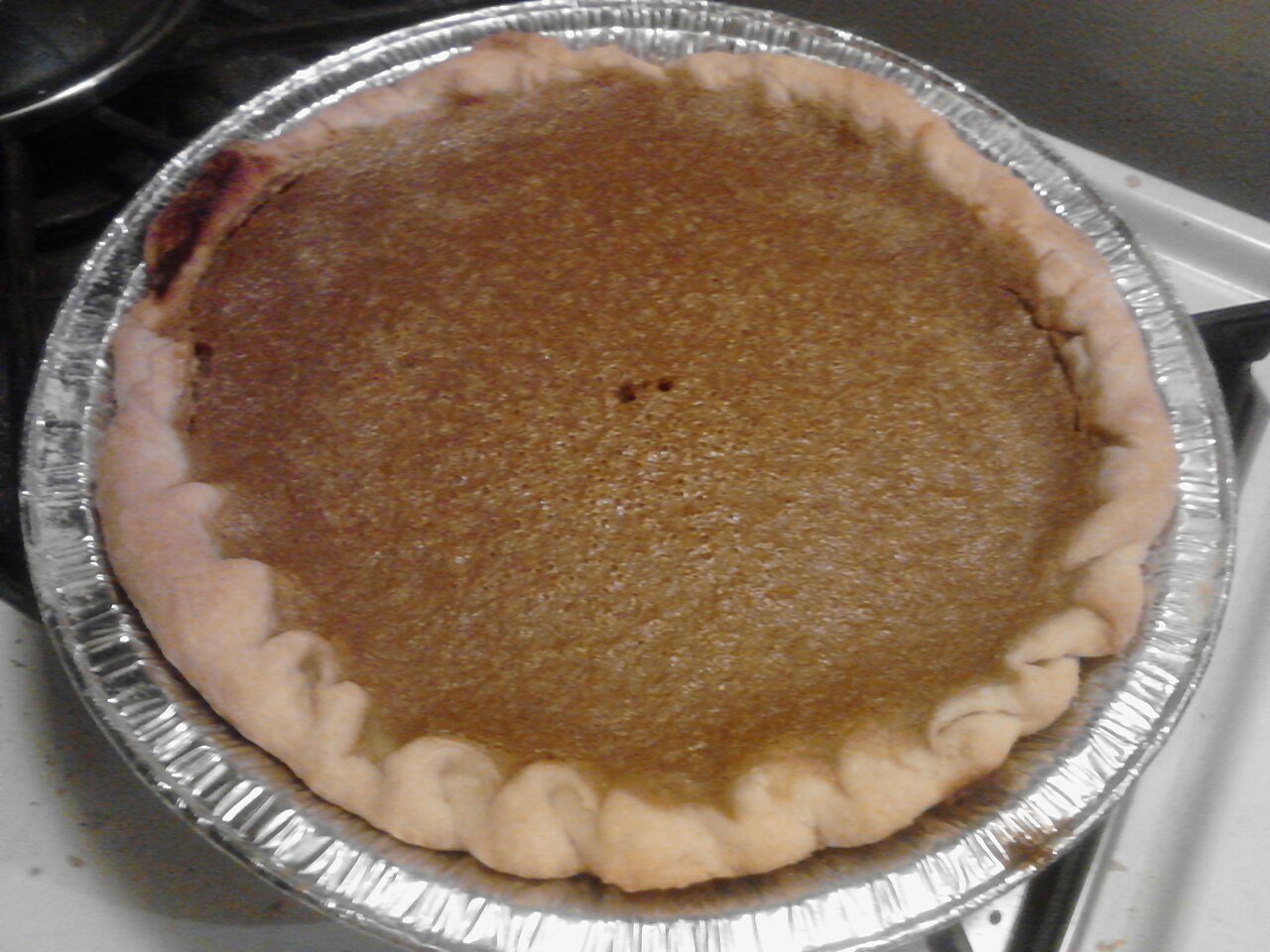
No. Pumpkin pie and canned pumpkin pie filling contain sugar and spices, including nutmeg, which can cause problems for dogs in larger amounts. The AKC also warns that some pie fillings may contain xylitol, a sugar substitute that’s toxic to dogs. Pie crust adds fat and butter, which can upset a puppy’s stomach.
If your puppy steals a bite of pie, check the ingredients for xylitol (sometimes listed as birch sugar) and call your vet or the ASPCA Animal Poison Control Center if you see it or aren’t sure. A consultation fee may apply. The ASPCA’s list of people foods to avoid feeding pets is worth bookmarking before Thanksgiving.
Can puppies eat pumpkin seeds?
In tiny amounts, prepared the right way. PetMD says the safest way to serve pumpkin seeds is roasted and then ground, and notes that whole seeds can be a choking hazard for small dogs. For a puppy, that means:
- Rinse the seeds and roast them plain, with no salt, oil or seasoning.
- Let them cool fully, then grind them into a coarse powder.
- Sprinkle a pinch over food. That’s plenty.
Skip the salted, spiced or candied seeds from the snack aisle.
How much pumpkin can a puppy have?
Less than most people think. Plain canned pumpkin is fairly low in calories. Tufts University’s Petfoodology blog puts it at about 83 calories per cup. Still, a growing puppy’s calories should come mostly from their puppy food. Treats of all kinds should make up no more than about 10% of daily calories.
As a starting point:
- Toy and small puppies: about 1 teaspoon.
- Medium puppies: 1 to 2 teaspoons.
- Large-breed puppies: about 1 tablespoon.
Offer it a few times a week rather than every day, and cut back if you see gas, loose stool or constipation. Mix it into a meal, or put a little in a rubber chew toy and freeze it for a teething treat. Our puppy feeding schedule can help you fit treats around meals.
Does pumpkin help puppy diarrhea?
Pumpkin is often suggested for mild stomach upset in adult dogs. VCA Animal Hospitals lists small amounts of plain canned pumpkin as one supportive option, after you’ve talked with your veterinary team.
With puppies, be more careful. Diarrhea in a young puppy can come from worms, a sudden food change or serious infections like parvovirus. Puppies also dehydrate faster than adult dogs. Don’t use pumpkin to wait out a problem. Call your vet if your puppy has diarrhea along with vomiting, low energy, not eating, blood in the stool, or if it lasts more than a day.
Tufts’ nutrition team also points out that the fiber in pumpkin is fairly small and variable compared with vet-prescribed fiber options. If your puppy has ongoing stool problems, your vet may suggest a different diet instead.
How do I make pumpkin for my puppy?
If you’d rather skip the can:
- Cut a small sugar or pie pumpkin in half and scoop out the seeds and stringy pulp.
- Roast cut side down at around 350°F until soft, usually 45 minutes to an hour.
- Let it cool, scoop the flesh away from the skin and mash it.
- Freeze extra in an ice cube tray. Each cube makes a few small servings.
Don’t add butter, salt, sugar or spices. Carving pumpkins work but tend to be stringy and bland, and you should never feed a jack-o’-lantern that’s been sitting out.
What else should I know before sharing fall foods?
Pumpkin is one of the safer fall foods. Many others aren’t. Keep Halloween candy, chocolate, raisins, grapes, onion-heavy stuffing, turkey bones and fatty table scraps away from your puppy. If you’d like more safe fruit and veggie ideas, see our guide on whether puppies can eat apples.
If you’re thinking about bigger diet changes, such as homemade or raw diets for puppies, talk with your vet first. Growing puppies need carefully balanced calcium, phosphorus and protein, and a small mistake can affect bone growth. Our guide on puppy vs adult dog food explains why puppy formulas are different.
Frequently asked questions
What age can puppies eat pumpkin puree?
There’s no official age, but wait until your puppy is fully weaned and eating puppy food well, usually around 8 weeks. Even then, give only a tiny taste the first time and watch for an upset stomach. Your vet can tell you whether it’s a good idea for your puppy.
Is pumpkin good for puppies?
Plain pumpkin is a low-calorie treat with fiber and some vitamins. It’s not something puppies need, since a complete and balanced puppy food already covers their nutrition. Think of it as an occasional extra, not a supplement.
What does pumpkin do for puppies?
The fiber in pumpkin can affect stool, which is why it’s often mentioned for mild digestive upset. It won’t treat the cause of diarrhea, and in puppies loose stool can point to worms, parvovirus or a food change. Talk to your vet before using pumpkin for tummy trouble.
Can puppies eat pumpkin seeds raw?
It’s best not to. Whole raw seeds can be hard for small puppies to digest and may be a choking risk. If you want to share seeds, roast them plain with no salt or oil, let them cool and grind them up, then offer just a pinch.
Can puppies eat pumpkin puree?
Yes, if it’s 100% pumpkin with nothing added. Check the label before you open the can. Plain pumpkin puree and pumpkin pie filling often sit side by side on the same shelf and look almost identical.
Vet note: This article is general information and is not a substitute for advice from your own veterinarian. If your puppy is having trouble breathing, collapses, has a seizure or may have eaten something toxic, call your vet or the nearest emergency animal hospital right away. ASPCA Animal Poison Control: 888-426-4435 (a fee may apply).
