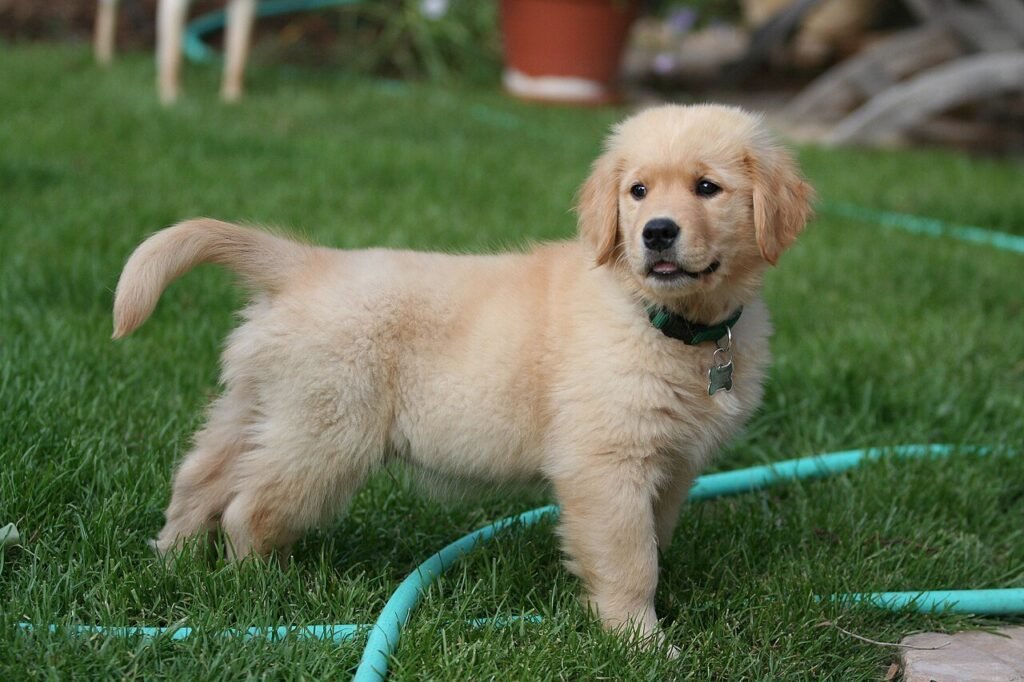
A Golden Retriever puppy grows into a friendly, eager-to-please family dog of about 55 to 75 lb, with an average life span of 10 to 12 years. Expect a mouthy, high-energy puppy who sheds and needs daily exercise and training. Choose a breeder who health tests hips, elbows, eyes and heart, or look into Golden rescue.
Quick takeaways
- Goldens are gentle and trainable, but the puppy stage is busy, bitey and long.
- Adults usually weigh 55 to 75 lb, so feed a large-breed puppy food and keep them lean.
- Ask breeders for hip, elbow, eye and heart test results on both parents.
- Prices vary widely by region and breeder, and the purchase price is only the start of the cost.
- Short, upbeat training sessions and lots of chew toys get you through the mouthy months.
In this guide
- What is a Golden Retriever puppy like?
- What is the Golden Retriever puppy price?
- Golden Retriever puppy adoption and rescue
- What health tests should a Golden Retriever breeder do?
- What should a Golden Retriever puppy eat?
- How do I train a Golden Retriever puppy?
- Why is my Golden Retriever puppy so bitey?
- How much exercise does a Golden Retriever puppy need?
- How do I groom a Golden Retriever puppy?
- Is a Golden Retriever puppy right for me?
- Frequently asked questions
Golden Retrievers are one of the most popular breeds in the US, and it’s easy to see why. They’re friendly, playful and eager to please, and as puppies they’re about as cute as it gets. They’re also big, busy, mouthy and covered in fur. Here’s what to expect from a Golden Retriever puppy, from the price tag to the first round of training.

What is a Golden Retriever puppy like?
Goldens were bred in Scotland to retrieve birds for hunters, and that history shows up in your living room. Golden puppies love to carry things, chew things and be wherever you are. They’re usually social with people and other dogs and handle family noise well.
That same drive also means they need jobs to do. A bored Golden puppy will invent their own activities, which often involve your shoes.
| Trait | What to expect |
|---|---|
| Adult weight | 65 to 75 lb (males), 55 to 65 lb (females) |
| Adult height | 23 to 24 in (males), 21.5 to 22.5 in (females) |
| Life span | 10 to 12 years |
| Energy | High, especially in the first two years |
| Shedding | Moderate year-round, heavier in spring and fall |
| Trainability | High, very food- and praise-motivated |
Sizes and life span above come from the AKC Golden Retriever breed page.
What is the Golden Retriever puppy price?
There isn’t one national price. Golden Retriever puppy prices vary by region, breeder reputation, demand and what’s included. Puppies from breeders who health test both parents and raise litters in the home generally cost more. A low price can be a warning sign that testing and care were skipped.
When comparing breeders, ask what the price covers:
- First vaccines and deworming
- A vet exam and health records
- A microchip
- A written contract and health guarantee
- A promise to take the dog back at any age if you can’t keep it
The purchase price is only part of the picture. Food, vet care, grooming, training classes, gear and possibly pet insurance all add up over a Golden’s life. Get quotes from local vets and trainers so you can plan a realistic budget.
Golden Retriever puppy adoption and rescue
Golden rescue groups operate across the US and sometimes have puppies, along with young adults that are past the chewing stage. The Golden Retriever Club of America is the national breed club and a good place to start looking for breeder referrals and rescue information.

What health tests should a Golden Retriever breeder do?
Goldens can inherit certain joint, eye and heart problems. The AKC lists hip, elbow, eye and cardiac evaluations as recommended health tests for the breed. Ask to see results for both parents. Many are searchable on the Orthopedic Foundation for Animals database.
Goldens are also known to have a higher risk of some cancers as they age. You can’t test a puppy for that, but you can ask breeders about the age and health of older dogs in their lines.
What should a Golden Retriever puppy eat?
Goldens are a large breed, so feed a puppy food labeled complete and balanced for growth, including large-size dogs expected to be 70 lb or more as adults. That wording is part of the AAFCO statement on the bag. Large-breed formulas control calcium and calories, which helps support steady bone growth.
A few feeding tips:
- Measure every meal. Goldens tend to eat everything and ask for more.
- Feed three to four meals a day for young puppies, then move to two or three.
- Keep your puppy lean. You should be able to feel the ribs easily. Extra weight puts strain on growing joints.
- Count treats. Keep them under 10% of daily calories.
Our guide on how much to feed a puppy walks through calories and cups.

How do I train a Golden Retriever puppy?
Goldens are among the easier breeds to train, but they still need you to show them the rules. Start right away with short, positive sessions.
First lessons (8 to 12 weeks)
- Name, sit and come
- Crate time and potty training
- Gentle handling of paws, ears and mouth
- Calm greetings, with four paws on the floor
Next steps (3 to 6 months)
- Down, stay and leave it
- Loose-leash walking, before they’re strong enough to pull you over
- Drop it and trade games, which suit a dog who loves to carry things
- Puppy classes and safe socialization
A good group class helps a lot. Our guide to puppy training classes explains what to look for.
Why is my Golden Retriever puppy so bitey?
Retrievers explore the world with their mouths. Puppy biting is normal and usually peaks before the adult teeth come in. Redirect to toys, take short breaks from play when teeth hit skin, and make sure your puppy is getting enough sleep. An overtired Golden puppy can turn into a little shark. The AKC’s tips on puppy biting are worth a read, and our guide on how to stop puppy biting has an age-by-age plan.
How much exercise does a Golden Retriever puppy need?
Plenty, but in the right form. Young puppies do best with short walks, sniffing time, gentle play and training games. Skip long runs, repeated jumping and hours of nonstop fetch until your vet says their joints are mature. Many Goldens love swimming, which is a great low-impact option once your puppy is old enough and you can supervise closely.
How do I groom a Golden Retriever puppy?
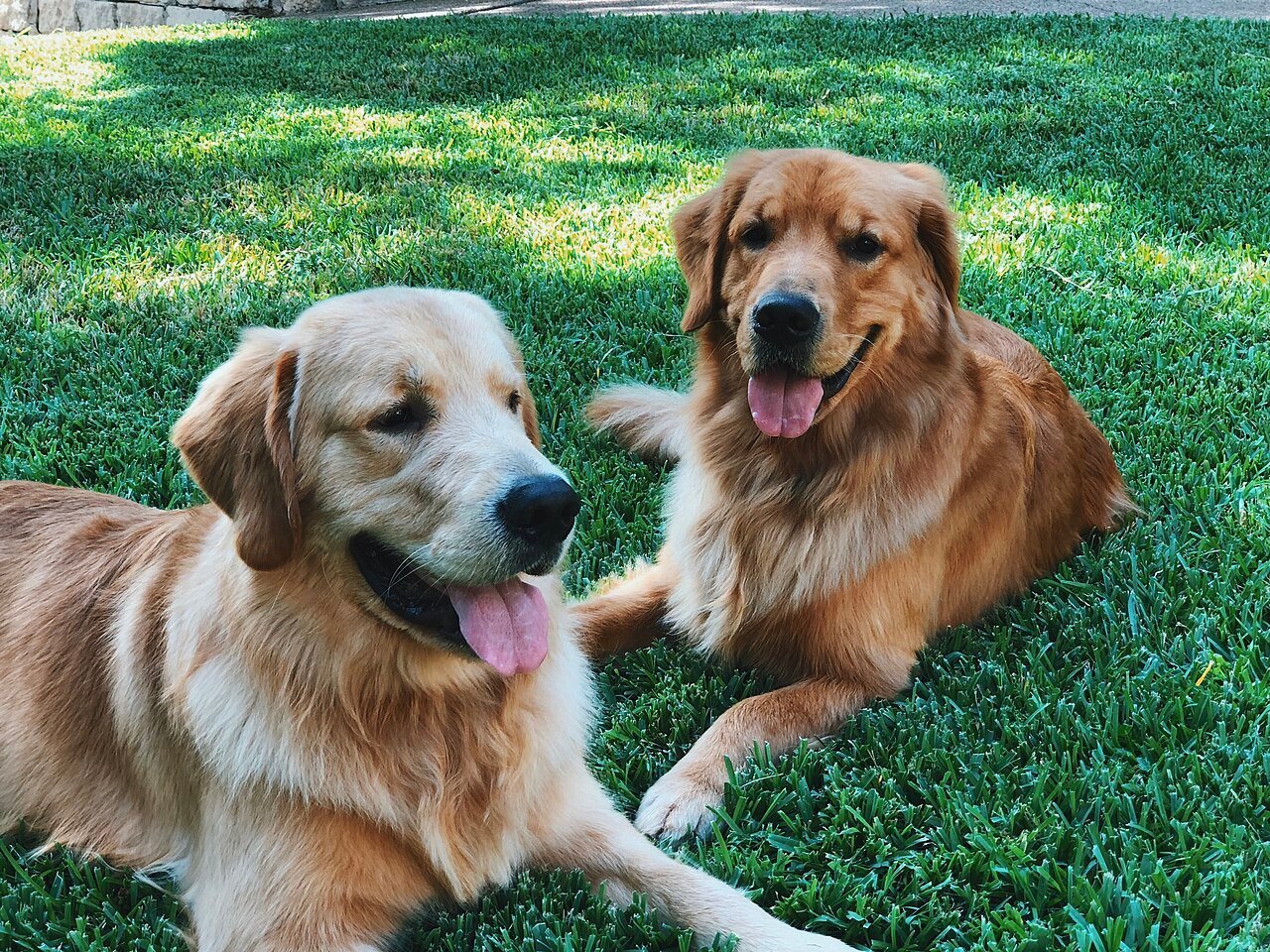
Brush a few times a week to keep tangles out of the feathering on the legs, chest and tail. Your puppy’s coat will get thicker as they grow. Trim nails every couple of weeks, check and clean ears regularly, since floppy ears trap moisture, and start brushing teeth early.
Is a Golden Retriever puppy right for me?
A Golden is a great fit if you want an active, people-loving dog and have time for daily exercise, training and a bit of hair on everything. They’re less suited to homes where they’d be alone most of the day.
Still deciding? Compare Goldens with other popular choices in our list of the best dog breeds for first time owners, or look at smaller, lower-shedding options like the Cavapoo. If you want a high-energy dog with a very different personality, our Husky puppy guide is a good comparison.
Frequently asked questions
How to train golden retriever puppy?
Start the day your puppy comes home with short, reward-based sessions a few times a day. Teach their name, sit, down, come and leave it, and practice loose-leash walking early before they get big. Goldens love food and praise, so they usually learn fast. A puppy class gives you structure and safe socialization.
How to stop golden retriever puppy from biting?
Goldens are retrievers and naturally mouthy. When teeth touch skin, stop play for a moment, then offer a toy instead. Keep chew toys everywhere, give lots of naps, since overtired puppies bite more, and reward calm behavior. Most Goldens grow out of the worst of it as their adult teeth come in.
What should golden retriever puppy eat?
Feed a complete and balanced puppy food that meets AAFCO standards for growth of large-size dogs, meaning those expected to be 70 lb or more as adults. Measure meals, feed three or four times a day at first, and keep treats under 10% of daily calories. Avoid extra calcium unless your vet recommends it.
What is golden retriever puppy price?
It varies a lot by region, breeder and demand. Puppies from breeders who do full health testing on the parents usually cost more than those who don’t. Rescue groups charge an adoption fee that’s typically much lower. Ask exactly what’s included, such as vaccines, deworming, a microchip and a health guarantee.
What are common golden retriever puppy behaviors?
Expect mouthing and chewing, carrying things around, jumping up to greet people, bursts of zoomies and a strong interest in food and water, including puddles and lakes. Most Goldens are social and want to be near their people all the time, so they don’t love being left alone for long.
Vet note: This article is general information and is not a substitute for advice from your own veterinarian. If your puppy is having trouble breathing, collapses, has a seizure or may have eaten something toxic, call your vet or the nearest emergency animal hospital right away. ASPCA Animal Poison Control: 888-426-4435 (a fee may apply).
