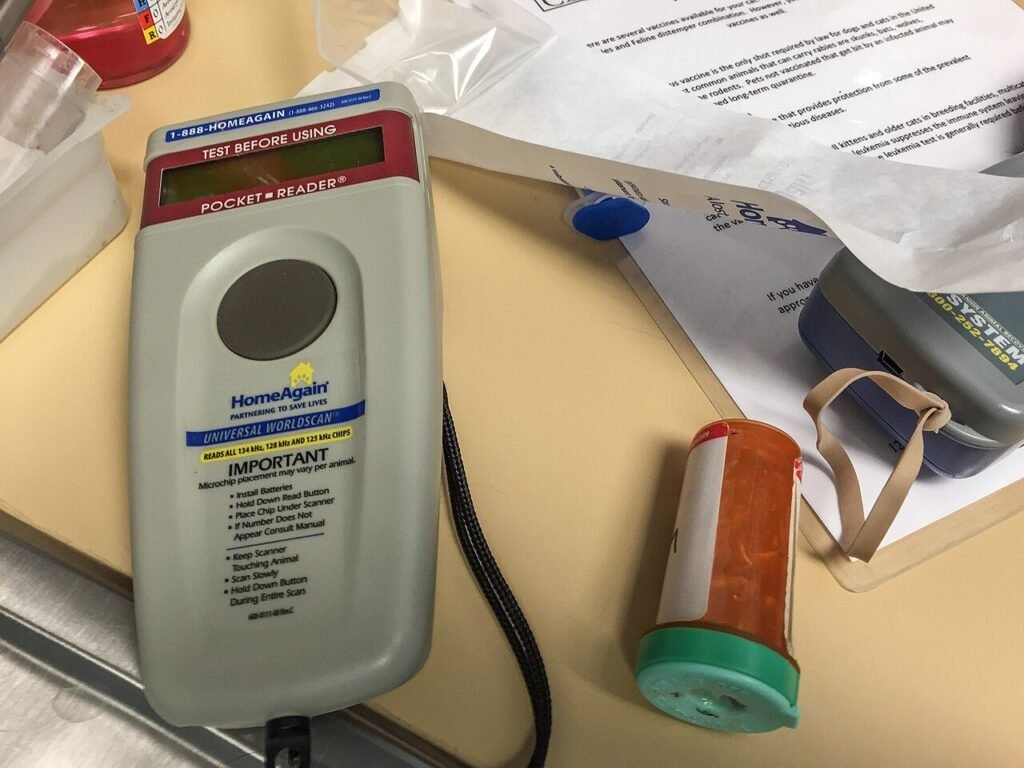
A puppy microchip is a rice-sized ID chip placed under the skin between the shoulder blades with a needle, much like a vaccine. Most vets can chip a puppy at its first visits, often around 8 weeks. The chip only helps if it’s registered, so record your contact details with the chip’s registry and keep them current.
Quick takeaways
- A microchip is a permanent ID, not a GPS tracker.
- Implanting it is quick and doesn’t usually need anesthesia.
- Registration is a separate step. An unregistered chip can’t lead anyone back to you.
- When you buy or adopt a puppy, transfer the chip into your name right away.
- Keep a collar tag with your phone number too, since anyone can read a tag.
In this guide
- What is a puppy microchip?
- Does microchipping help lost dogs get home?
- How early can you microchip a puppy?
- Does getting a microchip hurt?
- How much does a puppy microchip cost?
- How do you register a puppy microchip?
- How do you transfer a microchip from a breeder or shelter?
- How do you update microchip details?
- Do you still need a collar and ID tag?
- What should you do if your dog goes missing?
- What if you buy a puppy without a microchip?
- Frequently asked questions
Every year, lots of dogs slip out a door, dig under a fence or bolt during fireworks. A collar can come off. A puppy microchip can’t. It’s a small, one-time step that gives a lost dog a much better chance of getting home, as long as you handle the registration part too.
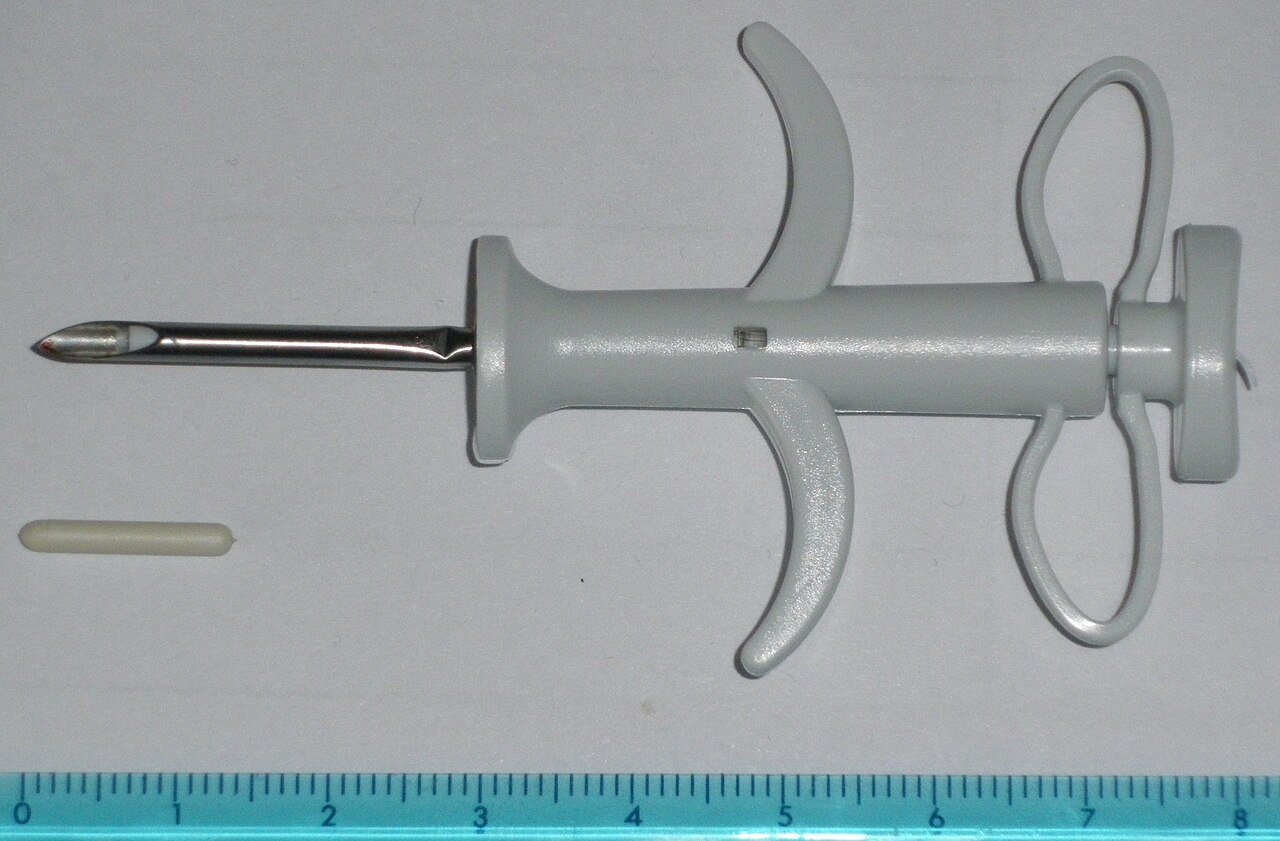
What is a puppy microchip?
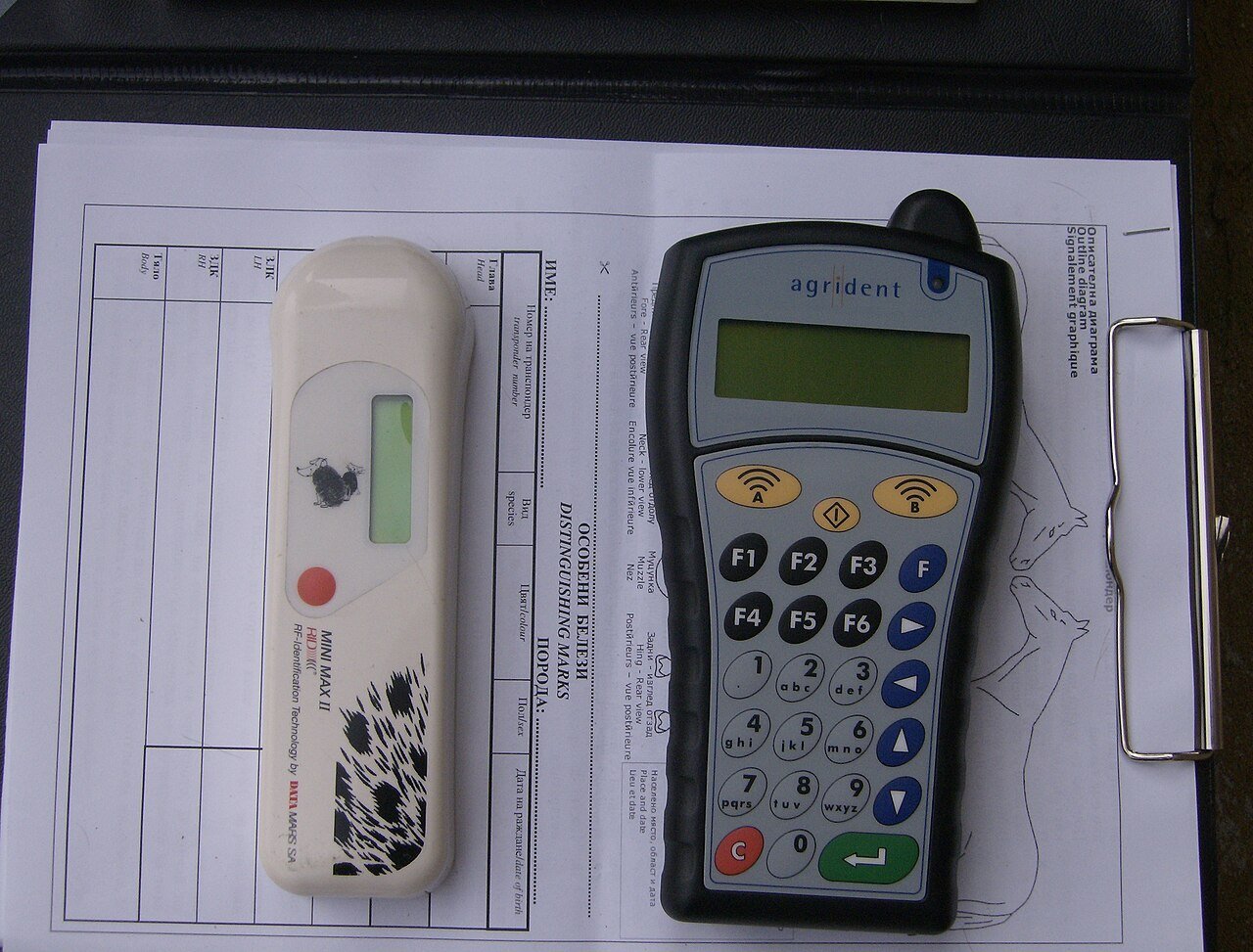
A microchip is a tiny electronic chip, about the size of a grain of rice, sealed in a glass or polymer capsule. It carries a unique ID number. It doesn’t have a battery and doesn’t track location. When a vet clinic or shelter passes a scanner over your dog, the scanner powers the chip briefly and reads the number. The shelter then looks up that number to find the registry and your contact details.
That last part is why registration matters so much. The chip holds a number, not your phone number.
Does microchipping help lost dogs get home?
Yes. The AVMA points to a large study of shelter animals that found microchipped dogs were returned to their owners far more often than dogs without chips. The same study found that many chips weren’t registered or had outdated contact information, which is often what stopped a dog from getting home.
How early can you microchip a puppy?
There’s no single required age. Many breeders and shelters chip puppies before they go home, around 8 weeks. If yours isn’t chipped yet, your vet can do it at one of the early vaccine visits or during spay or neuter surgery. Ask your vet about timing for a very small puppy.
Bring up the chip at your puppy’s first vet appointment. If the breeder or shelter says it’s chipped, ask the vet to scan it anyway to confirm the chip works and the number matches your paperwork.
Does getting a microchip hurt?
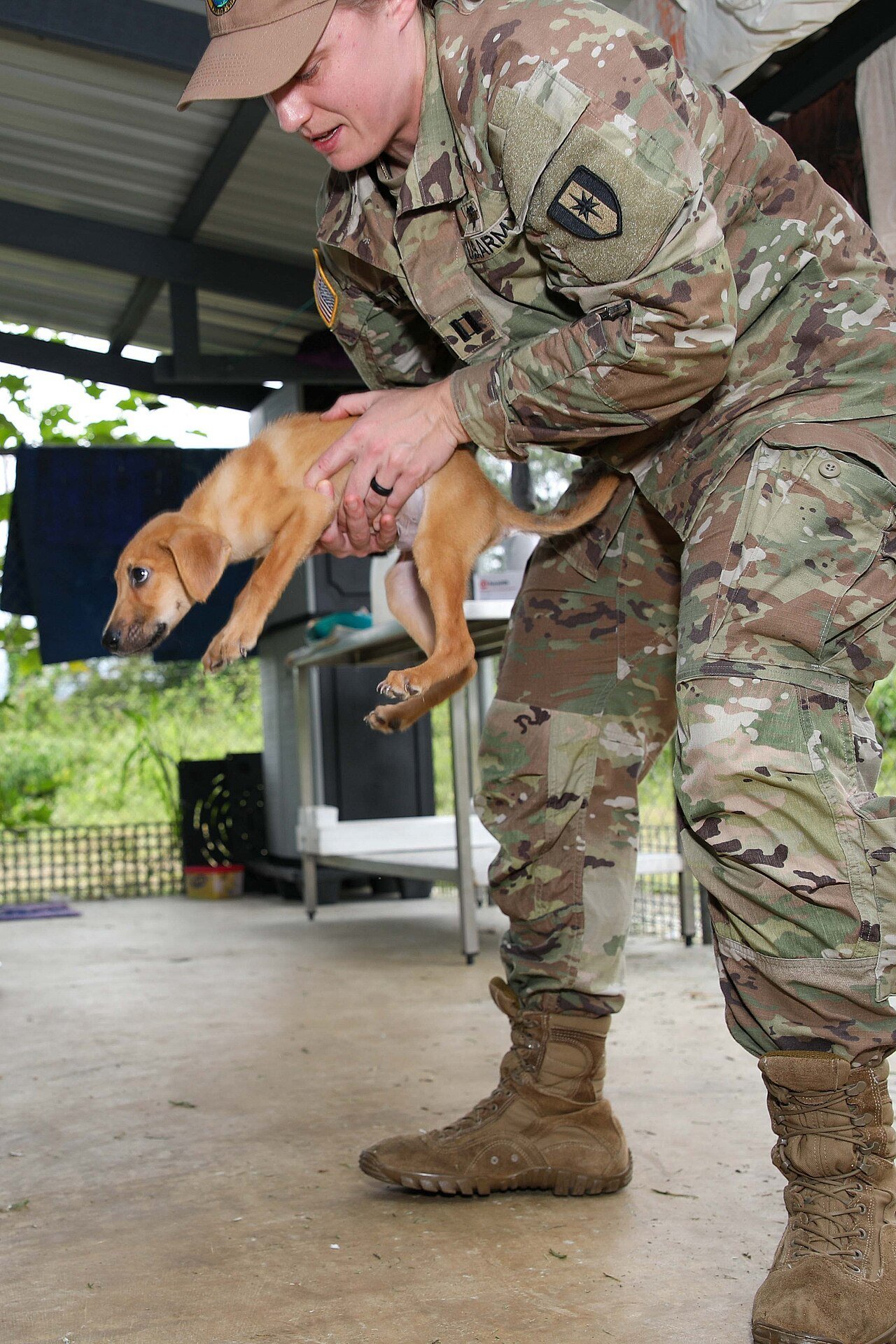
It’s similar to getting a vaccine, with a slightly larger needle. The vet places the chip under the loose skin between the shoulder blades. It takes a few seconds and doesn’t usually need anesthesia, though some owners choose to have it done while the puppy is already under anesthesia for spay or neuter. Most puppies react about the same as they do to a shot, and a treat right after helps.
Problems are uncommon. Call your vet if you notice swelling, discharge or a lump at the site that doesn’t go away.
How much does a puppy microchip cost?
The cost varies by clinic and region, and some shelters and rescues include a chip in the adoption fee. Low-cost clinics and community events sometimes offer chipping for less. Registration may be free or have a small fee, depending on the company. Our guide to puppy cost in the first year shows how a chip fits into first-year expenses.
How do you register a puppy microchip?
- Get the chip number from your vet, breeder or shelter paperwork, or ask your vet to scan your puppy.
- Look it up on the AAHA Universal Pet Microchip Lookup. It tells you which company the chip is registered with or which company made it.
- Register with that company using your name, phone, email and address. Add a backup contact, like a friend or relative.
- Save the chip number in your phone and with your puppy’s records.
Many owners skip step 3 because they assume the vet or breeder did it. Check.
How do you transfer a microchip from a breeder or shelter?
If the chip was registered to the breeder or shelter, it needs to move into your name. Ask for the chip number and any transfer paperwork before you leave with your puppy. Some registries need the current registrant to approve the transfer. Others let you claim it with proof of purchase or adoption. Do it the first week, while you’re already working through the new puppy checklist.
How do you update microchip details?
Log in to the registry and update your info whenever you move, change phone numbers or rehome a dog. It takes a few minutes. Set a yearly reminder to check that everything is current, maybe on your puppy’s birthday or at the annual checkup.
Do you still need a collar and ID tag?
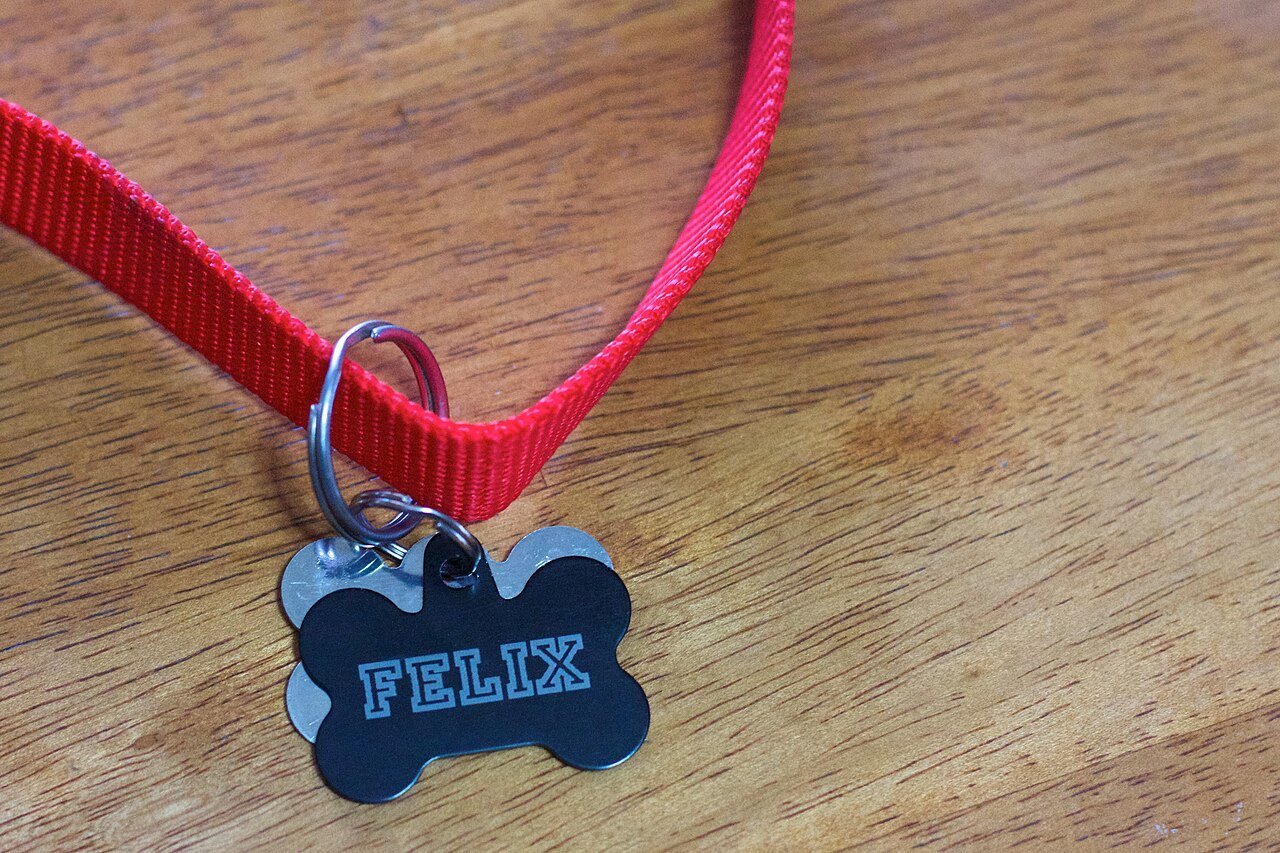
Yes. Anyone who finds your dog can read a tag and call you right away, without a scanner. A microchip is the backup for when the collar comes off. Use both, and keep the phone number on the tag current.
What should you do if your dog goes missing?
Act fast. Call the microchip registry to report your dog as lost and confirm your contact details are right. Then call or visit local shelters and animal control, and contact nearby vet clinics, since those are the places most likely to scan a found dog. Post on neighborhood groups and lost pet pages with a clear photo, and put up flyers close to where your dog was last seen.
Check shelters in person if you can, and keep checking every day or two. A scared dog may hide for a while before anyone finds it, so don’t give up after the first few days. Once your dog is home, take a minute to update anything that was out of date.
What if you buy a puppy without a microchip?
In most of the US, it’s legal to sell a puppy without a chip, though some states and cities have their own rules. Have your vet chip the puppy at the first visit, then register it in your name. If you’re still deciding when to bring a puppy home, our guide on the best age to bring a puppy home can help, and a puppy training class is a good place to start working on recall, which is the best way to keep your dog from getting lost in the first place.
Frequently asked questions
How to register puppy microchip?
Find the chip number on your adoption or vet paperwork, or ask your vet to scan your puppy. Look the number up on AAHA’s Universal Pet Microchip Lookup to see which company the chip belongs to, then register with that company’s registry using your name, phone, email and address. Some registries charge a fee and some don’t.
How to change puppy microchip details?
Log in to the registry where the chip is enrolled and update your phone number, email and address. If you don’t know the registry, look up the chip number on AAHA’s lookup tool. Update details every time you move or change numbers, and add a backup contact.
How to transfer puppy microchip?
Ask the breeder, shelter or previous owner for the chip number and any transfer paperwork. Many registries have a transfer form or let the current registrant release the chip to you. Then enroll it in your name. Do this as soon as your puppy comes home, so the chip doesn’t still lead to the seller.
How early can you microchip a puppy?
Puppies can be chipped young, and many breeders and shelters chip them before they go home around 8 weeks. Your vet can chip a puppy at a routine visit or during spay or neuter surgery. Ask your vet what timing makes sense for your puppy’s size and age.
What happens if you buy a puppy without a microchip?
In most of the US it’s legal to sell a puppy without a chip, though some places require one, so check your local rules. Ask your vet to implant one at the first visit, then register it in your name. Rules differ elsewhere: in England, Scotland and Wales, for example, puppies must be microchipped by 8 weeks of age.
Vet note: This article is general information and is not a substitute for advice from your own veterinarian. If your puppy is having trouble breathing, collapses, has a seizure or may have eaten something toxic, call your vet or the nearest emergency animal hospital right away. ASPCA Animal Poison Control: 888-426-4435 (a fee may apply).
