
A good puppy playpen setup gives your puppy separate zones: a bed or open crate for sleeping at one end, water and toys in the middle, and a potty pad or turf patch at the far end if you need one. Choose a pen tall enough that your puppy can’t climb out, and introduce it with treats and short sessions.
Quick takeaways
- Puppies don’t like to soil where they sleep, so keep the bed and the potty spot far apart.
- Pick a pen tall enough that your puppy can’t climb or jump out as it grows.
- Put the pen where your puppy can see and hear the family.
- Only safe, durable chews and toys go in the pen when you’re not watching.
- Build up time in the pen slowly, with treats, chews and calm exits.
In this guide
- Why use a puppy playpen?
- How big should a puppy playpen be?
- What’s the best puppy playpen setup?
- Where should the playpen go?
- What toys are safe to leave in the pen?
- How do you train a puppy to like the playpen?
- Playpen or crate: which one do you need?
- Can you leave a puppy in a playpen overnight?
- How do you make a DIY puppy playpen?
- When can a puppy stop using a playpen?
- Frequently asked questions
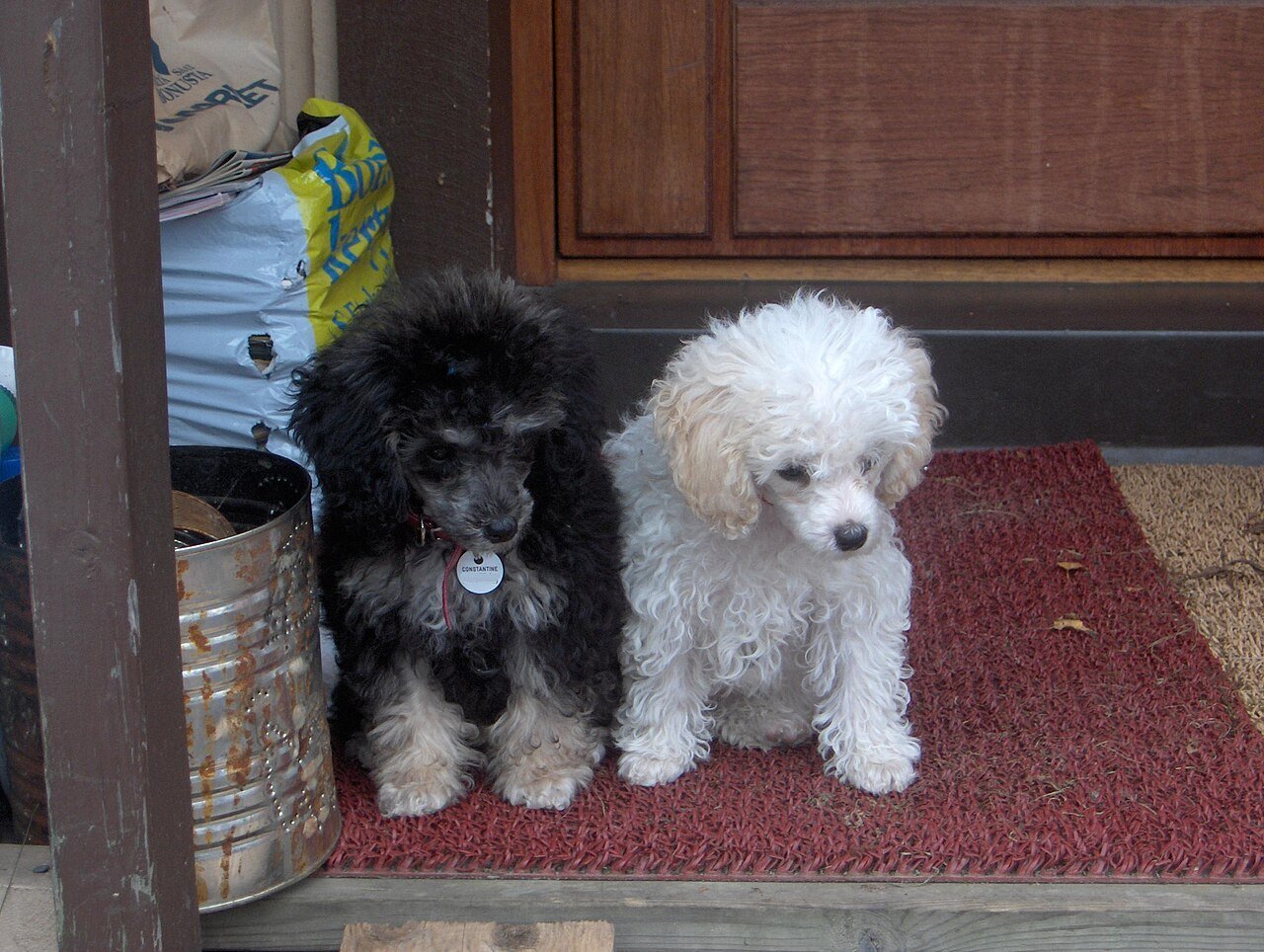
A playpen gives a new puppy a safe place to hang out when you can’t watch every move. It’s bigger than a crate, smaller than the whole house, and it saves a lot of shoes, cords and rugs. The trick is setting it up so it helps with potty training and sleep instead of becoming a messy dog cage your puppy hates.
Why use a puppy playpen?
A pen fills the gap between the crate and free run of the house. It’s useful when:
- You’re working from home and need an hour of focus
- You’re cooking, showering or on a call
- Your puppy needs a nap but isn’t ready for long crate stretches
- You have to leave for a short time and want your puppy to have room to move
A pen doesn’t replace supervision, exercise or training. It’s a management tool that keeps your puppy safe while it learns the rules.
How big should a puppy playpen be?
Size it to fit three zones with a little space to move between them. Many owners use a pen with eight panels, shaped into a square or rectangle. Too large, and a puppy may treat one corner as a bathroom you didn’t plan for. Too small, and the bed and potty area end up side by side.
Height matters as much as floor space. Small breeds may be fine with a shorter pen, while large breed puppies grow fast and some learn to climb. Buy for the size your puppy will be in a few months, not the size it is today.
What’s the best puppy playpen setup?
Think of the pen as a tiny studio apartment with three areas.
- Sleep zone. Put a bed, or an open crate with a bed inside, at one end. Many puppies like a covered, den-like spot.
- Play zone. In the middle, add water in a spill-resistant bowl and two or three safe toys.
- Potty zone (optional). At the far end, put down a pee pad or a patch of artificial turf if your puppy can’t get outside often enough yet.
Puppies naturally avoid soiling where they sleep, which is why the distance between the bed and the potty zone matters. If your goal is outdoor potty training, still take your puppy outside often. The indoor potty spot is a backup, not the plan.
Where should the playpen go?
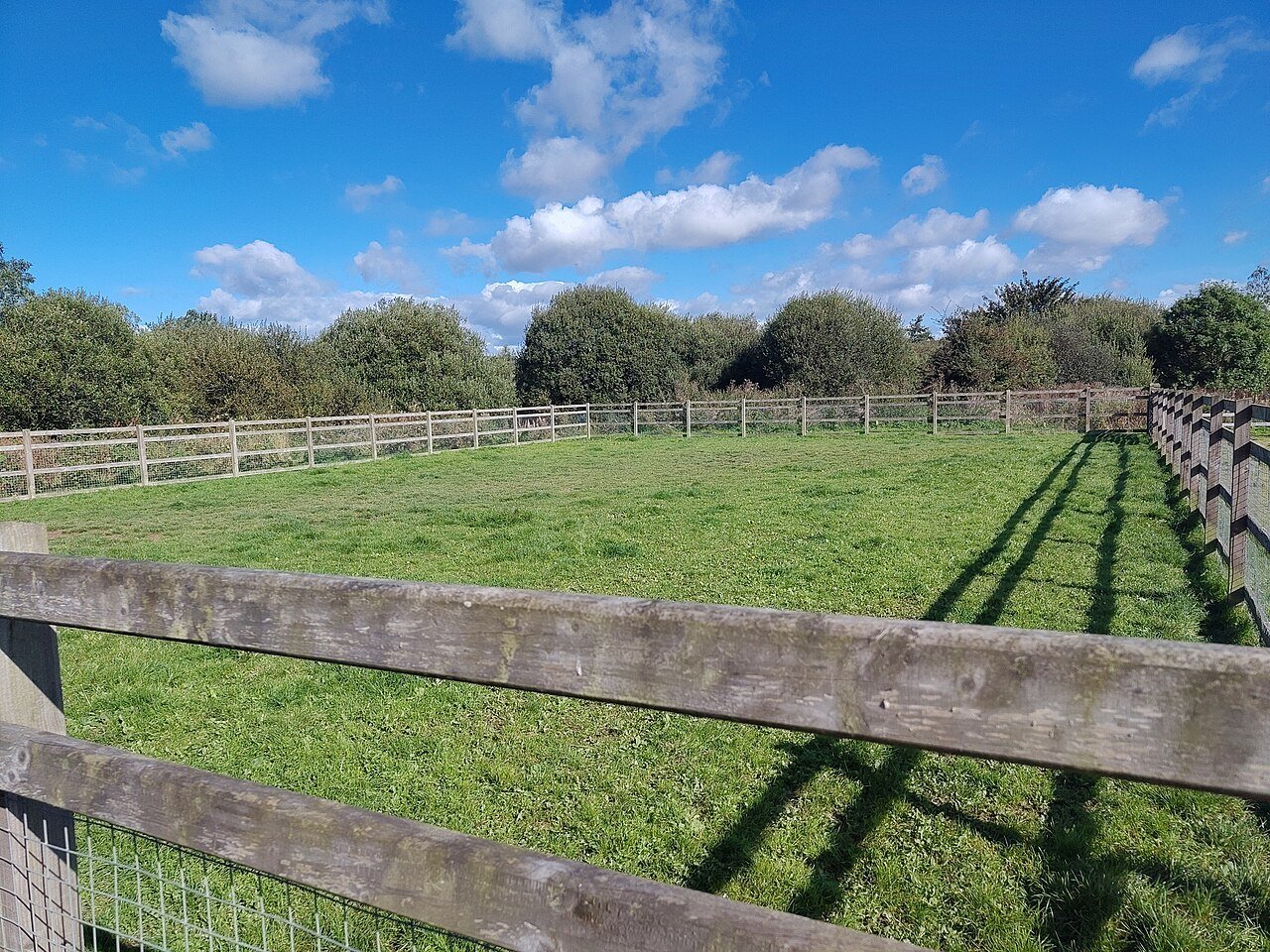
Pick a spot where your puppy can see and hear people, like the edge of the kitchen or family room. Puppies left alone in a far-off room often fuss more. Avoid drafts, direct sun, radiators and heat vents. Put a waterproof mat or washable rug under the pen to protect your floors.
Check the area for hazards: cords, houseplants, curtains and anything your puppy could pull through the panels. Our guide to taking care of a puppy covers puppy proofing beyond the pen.
What toys are safe to leave in the pen?
Only leave toys your puppy can’t tear apart or swallow while you’re not watching. Good choices include a durable rubber toy stuffed with part of a meal and a sturdy chew sized for your puppy. Save plush toys, rope toys and anything with small parts for supervised play. Our list of puppy toys that keep them busy has more ideas.
Never leave anything in the pen that your puppy could eat and get sick from. Holiday treats and candy are a common risk. Read what to do if your dog ate Halloween candy.
How do you train a puppy to like the playpen?
Go slowly so the pen means good things.
- Toss a few treats inside and let your puppy wander in and out.
- Feed a meal in the pen with the gate open.
- Give a stuffed toy and close the gate for a minute while you sit next to it.
- Open the gate while your puppy is calm, before it starts crying.
- Build up time and distance a little each day.
If your puppy barks or whines, wait for a short pause before you let it out, so quiet is what works. Make sure it has had a potty break, exercise and attention first, since a puppy with unmet needs will fuss no matter how good the setup is.
Playpen or crate: which one do you need?
Many owners end up using both. A crate is small and cozy, which helps with house training because most puppies try not to soil where they sleep. A playpen gives more room to stretch, play and use a potty pad during longer stretches when you can’t take your puppy outside on time.
A simple way to think about it: the crate is for sleep and short rests, and the pen is for awake time when you can’t watch closely. Putting an open crate inside the pen gives your puppy both a bed and a play area in one spot. If you only want to buy one thing at first, a crate with a divider panel can grow with your puppy.
Can you leave a puppy in a playpen overnight?
Some owners do, especially with a crate inside the pen. Many puppies sleep better near their people for the first weeks, though, and you’ll still need to take your puppy outside overnight. Our guide on how to potty train a puppy at night explains the routine.
How do you make a DIY puppy playpen?
You don’t need to buy a dedicated pen. Baby gates can block off a laundry room, bathroom or corner of the kitchen. Sturdy panels can be zip-tied together. Whatever you use, check for gaps a puppy could squeeze through, sharp edges, and chewable trim or cords inside.
When can a puppy stop using a playpen?
When your puppy is reliably house-trained and has stopped chewing things it shouldn’t, start giving it more freedom, one room at a time. Many dogs still enjoy a pen or crate as a quiet retreat long after puppyhood.
Frequently asked questions
How big should puppy playpen be?
Big enough for a bed at one end, a potty area at the other if you use one, and room to play and stretch in between. Many owners use a pen with eight panels, which can be shaped into a square or rectangle. Height matters too: get one tall enough that your puppy can’t hop over it once it’s full grown or nearly so.
How to use puppy playpen?
Use it as a safe space when you can’t watch your puppy closely, like while you cook, shower or work. Give your puppy a chew or a stuffed toy when it goes in, keep sessions short at first, and let it out when it’s calm. Don’t use the pen as punishment.
How to train puppy playpen?
Toss treats into the pen and let your puppy walk in and out. Next, feed a meal in there. Then close the gate for a minute or two while you sit nearby, and open it before your puppy fusses. Slowly build up time and distance. Reward quiet behavior, and avoid letting your puppy out while it’s barking or whining.
How to set up puppy playpen?
Pick a spot near family life, away from drafts and heat vents. Put a washable mat or old rug down, place the bed or open crate at one end, water and toys in the middle, and a pad or turf patch at the far end if needed. Check for gaps and secure the panels so they can’t be pushed over.
How to make a puppy playpen?
You can build a simple pen from baby gates or sturdy panels secured to each other, or use gates to block off a small room like a laundry room. Make sure there are no gaps a puppy could squeeze through, no sharp edges, and nothing inside it could chew and swallow, like cords or loose trim.
Vet note: This article is general information and is not a substitute for advice from your own veterinarian. If your puppy is having trouble breathing, collapses, has a seizure or may have eaten something toxic, call your vet or the nearest emergency animal hospital right away. ASPCA Animal Poison Control: 888-426-4435 (a fee may apply).
