
If your dog ate Halloween candy, find the wrapper, estimate how much is missing and note the time. Then call your vet or a pet poison line. Chocolate, xylitol (sugar-free) candy and raisins are the most dangerous, and wrappers can cause a blockage. Do not make your dog vomit unless a vet tells you to.
Quick takeaways
- Call first: your vet, ASPCA Animal Poison Control (888-426-4435) or Pet Poison Helpline (855-764-7661). Both may charge a consultation fee.
- Dark and baking chocolate are far more dangerous than milk chocolate, and small puppies reach a risky dose fastest.
- Anything sugar-free may contain xylitol, which can drop a dog’s blood sugar within an hour.
- Foil, cellophane and lollipop sticks can block the gut even when the candy itself is harmless.
- Never induce vomiting at home unless a veterinarian tells you to.
In this guide
On Halloween, candy sits in bowls by the door, kids drop wrappers on the floor, and a puppy’s nose finds all of it. If you just caught your dog with a mouthful of candy, start with the steps below and keep this page open while you make the call.
What to do if your dog ate Halloween candy?
Work through these steps in order. Most take less than a minute.
- Move your dog away from the candy and pick up anything left on the floor.
- Find the wrappers or packaging. The brand, the type of chocolate and the ingredient list are what the vet will ask about first.
- Estimate how much is missing and when it happened. “About six fun-size bars, twenty minutes ago” is the kind of detail that helps.
- Weigh your dog, or use the weight from the last vet visit. Dose depends on body weight, so a 10 lb puppy and a 70 lb Lab are very different cases.
- Call your vet or an emergency clinic. If they are closed, call ASPCA Animal Poison Control at 888-426-4435 or Pet Poison Helpline at 855-764-7661. Both are staffed around the clock and may charge a consultation fee.
- Follow their instructions. Do not give hydrogen peroxide, salt or anything else to make your dog vomit unless a veterinarian tells you to. It can injure the stomach and throat, and some swallowed items are worse coming back up.
Go straight to an emergency vet if your dog is shaking, having a seizure, collapsing, breathing hard, or vomiting over and over. Call on the way so the team can get ready.
What candy is toxic to dogs?
Some candy is a stomach ache. Some is an emergency. These are the ingredients that move a case into the second group.
Chocolate
Chocolate contains theobromine and caffeine, which dogs clear from their bodies much more slowly than people do. The darker and less sweet the chocolate, the more theobromine it has. Baking chocolate and cocoa powder are the worst, dark chocolate comes next, and milk chocolate has much less. White chocolate has very little theobromine, but its fat and sugar can still cause vomiting and diarrhea.
The Merck Veterinary Manual puts mild signs at about 20 mg of theobromine per kg of body weight, heart effects at 40 to 50 mg/kg, and seizures at 60 mg/kg and above. You don’t need to do that math yourself. Poison control does it every day, and they will ask for the exact product.
Signs usually start within 6 to 12 hours:
- vomiting and diarrhea
- restlessness, panting or pacing
- drinking and peeing more than usual
- a racing heartbeat
- muscle tremors or seizures in serious cases

Xylitol in sugar-free candy and gum
Xylitol, sometimes listed as birch sugar, is a sweetener found in sugar-free gum, mints and some candies. In dogs it causes a fast release of insulin, and blood sugar can fall within 10 to 60 minutes. Larger amounts can damage the liver. Watch for weakness, stumbling, vomiting, trembling or seizures. Treat any sugar-free candy as a reason to call right away, even if your dog seems fine. The FDA has a short warning page about xylitol and dogs that is worth reading.
Raisins and chocolate-covered raisins
Grapes and raisins can cause kidney injury in dogs, and there is no known safe amount. Chocolate-covered raisins and mixed trail packs combine two problems in one bite. Call your vet even if only a few are missing.
Wrappers, sticks and hard candy
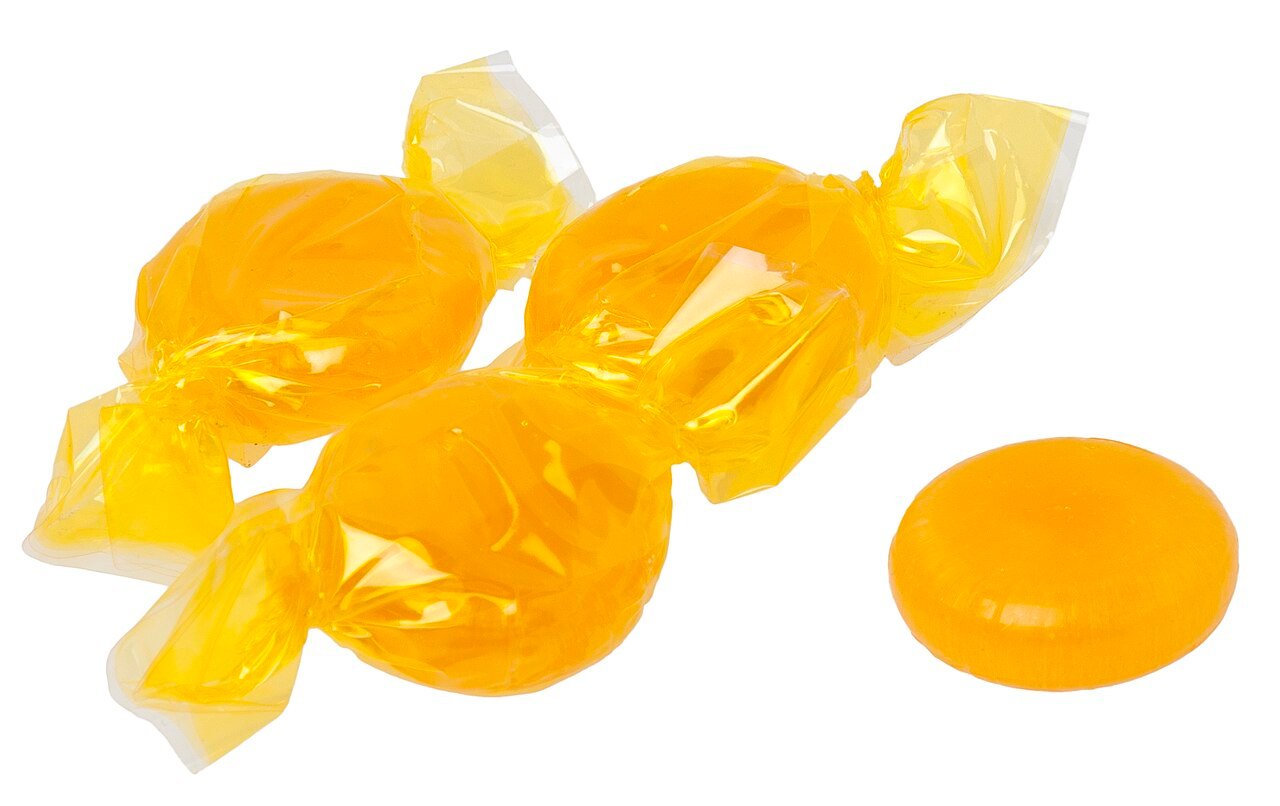
Foil, cellophane and plastic don’t poison a dog, but they can bunch up in the stomach or intestines. Lollipop sticks are a particular worry because they can get stuck or poke the gut wall. Hard candy and gumballs are a choking risk for small mouths. A blockage may not show up for a day or two, so watch for repeated vomiting, a tight or sore belly, not wanting to eat, and straining without passing stool.
Sugar and fat in large amounts
A pile of plain sugary candy is rarely toxic, but a dog that eats a whole bag can end up with vomiting, diarrhea and, in some cases, pancreatitis, which is painful and can need hospital care. Small breeds and puppies tend to have a harder time.
What candy can dogs eat?
No Halloween candy is a good snack for a dog. A piece of plain candy without chocolate, xylitol or raisins usually causes nothing worse than a mild upset stomach, but it gives your dog nothing it needs. If you want your puppy to join in, buy dog treats or make a small pumpkin treat with plain canned pumpkin (not pie filling). Keep the human candy out of reach.
How do vets treat a dog that ate candy?
Treatment depends on what was eaten, how much and how long ago. If your dog got to the clinic soon after eating, the vet may give a drug that causes vomiting in a controlled way. Activated charcoal is sometimes used for chocolate. Dogs with more serious signs may need IV fluids, heart monitoring, blood sugar checks or medication to control tremors. For wrappers, the vet may take X-rays and, in some cases, an ultrasound. Bring the packaging with you. It saves time.
How to puppy-proof Halloween night
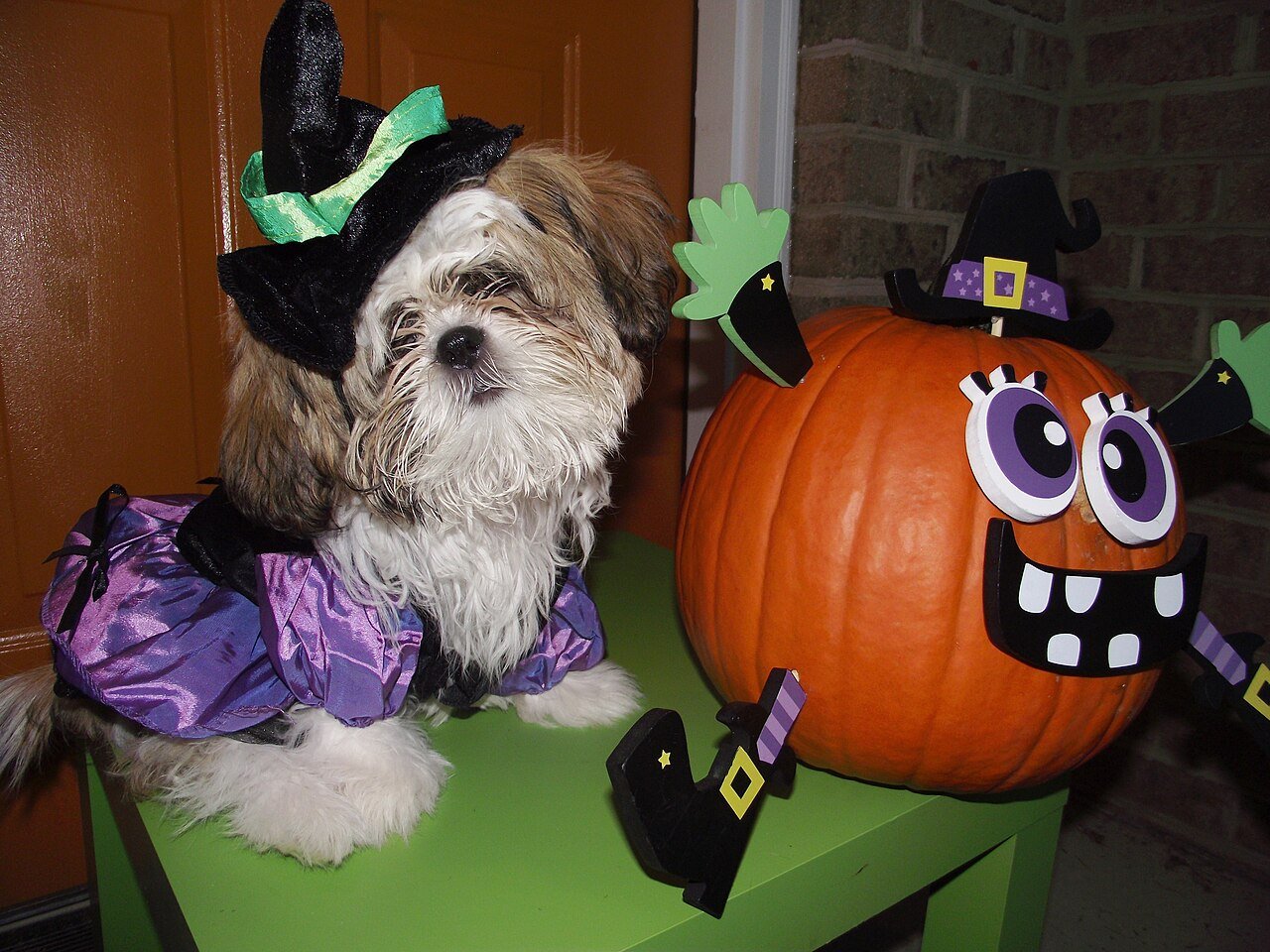
Most candy emergencies happen in the first busy hour of trick-or-treating or the next morning when bags are left on the floor. A few habits cover most of the risk:
- Keep the treat bowl on a high shelf or a table your dog can’t reach, and don’t leave it by the open door.
- Put your puppy in a quiet room, crate or playpen during trick-or-treat hours. It also stops door dashing.
- Ask kids to store their candy bags in a closed cupboard, not on the bedroom floor or under the bed.
- Empty the trash or use a can with a locking lid. Wrappers still smell like chocolate.
- Do a floor sweep the next morning, including the car and the front steps.
- Give your dog a safe chew or a stuffed food toy while the doorbell is busy.

If you are setting up your home for a new puppy, our guide to puppy-proofing your house covers the rest of the house, and how to take care of a puppy walks through the daily basics. Cold nights are on the way too, so see puppy cold weather safety before the first frost.
Frequently asked questions
My dog ate Halloween candy wrappers. What should I do?
Call your vet and describe how many wrappers and what kind. A single small wrapper often passes, but several, or a lollipop stick, can cause a blockage. Watch for vomiting, not eating, a painful belly or straining with no stool, and get seen right away if any of those show up.
How long after eating chocolate will a dog get sick?
Signs of chocolate poisoning usually appear within 6 to 12 hours and can last a day or more. Call your vet as soon as you know your dog ate chocolate. Treatment works best early, often before any signs appear.
Is a little bit of milk chocolate OK for a big dog?
A large dog that eats one fun-size milk chocolate bar may only get an upset stomach, but the risk depends on the dog’s weight and the type of chocolate. Poison control or your vet can work out the dose for you in a few minutes.
Can dogs eat candy corn?
Candy corn has no chocolate or xylitol, but it is almost pure sugar. A handful can cause vomiting or diarrhea, and a whole bag can lead to pancreatitis. Keep it away from your dog.
Vet note: This article is general information and is not a substitute for advice from your own veterinarian. If your puppy is having trouble breathing, collapses, has a seizure or may have eaten something toxic, call your vet or the nearest emergency animal hospital right away. ASPCA Animal Poison Control: 888-426-4435 (a fee may apply).
