
Puppy worms in poop are common and usually treatable. Long, white, spaghetti-like worms are most likely roundworms, while small flat segments that look like grains of rice point to tapeworms. Seeing worms right after a deworming dose is normal. Bag a sample and call your vet so they can confirm the type and treatment.
Quick takeaways
- Roundworms look like strands of cooked spaghetti. Tapeworm segments look like grains of rice.
- Hookworms and whipworms are rarely visible, so a fecal test is the only way to rule them out.
- Passing worms for a day or two after deworming is expected.
- Most puppies need repeat deworming every 2 weeks early on, so one dose is rarely the end of it.
- Some puppy worms can infect people, so pick up poop promptly and wash hands well.
In this guide
Few things make a new puppy owner freeze like spotting something wriggling in the yard. Worms in puppy poop are unpleasant, but they’re also one of the most common problems vets see in young dogs, and they’re very treatable. Here’s how to tell what you’re probably looking at, why it happens even after deworming, and what to do next.
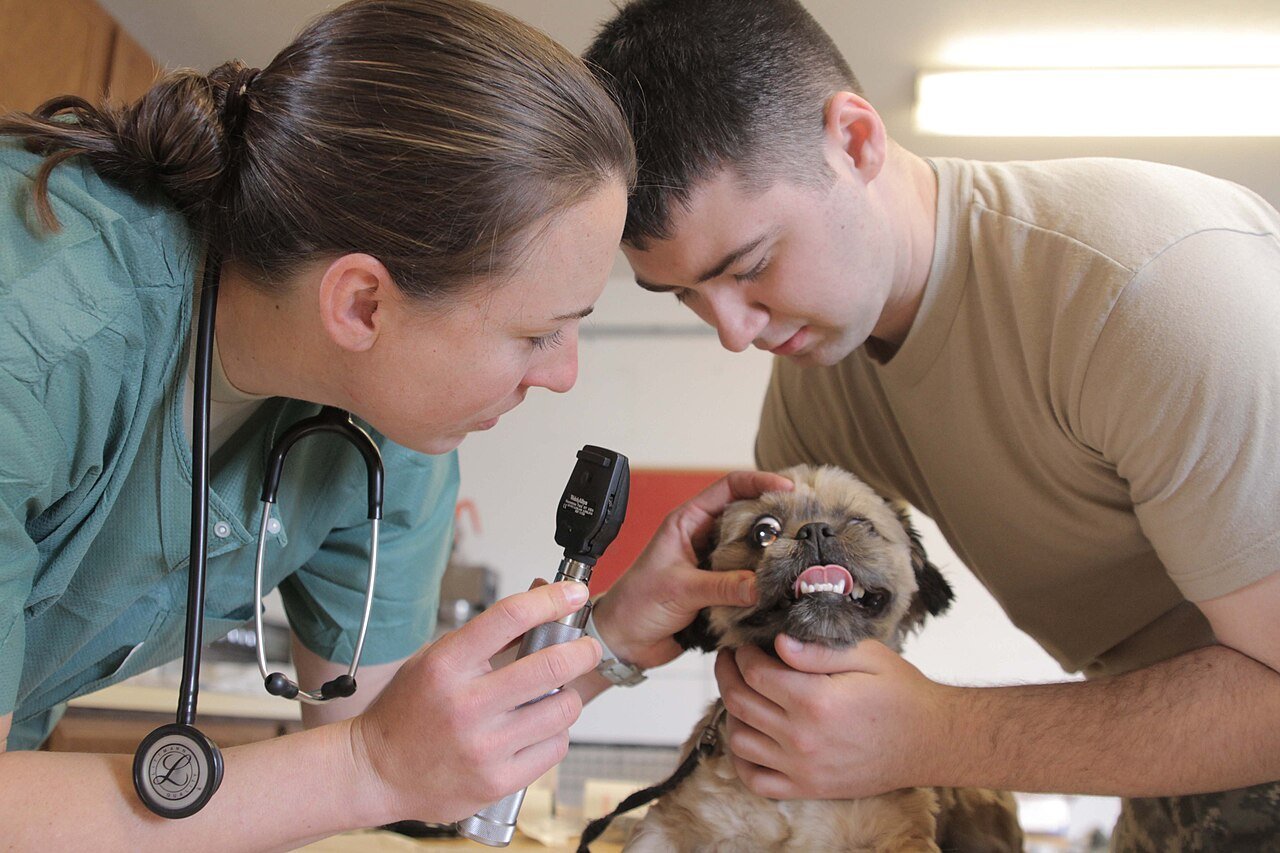
Why do so many puppies have worms?
Many puppies are born with worms or pick them up within weeks. Roundworm larvae can pass from the mother to her puppies before birth and through her milk. The Companion Animal Parasite Council (CAPC) tells vets to assume that essentially every puppy is carrying developing roundworms. That’s not a sign of a bad breeder or a dirty home. It’s simply how these parasites spread.
Puppies also pick up worm eggs from soil, from sniffing and licking things outside, and, in the case of tapeworms, from swallowing fleas while grooming.
What do the different worms look like?
| Worm | What you might see | How puppies get it |
|---|---|---|
| Roundworms | White or tan, round, a few inches long, often coiled like spaghetti | From mom before birth or through milk, or eggs in soil |
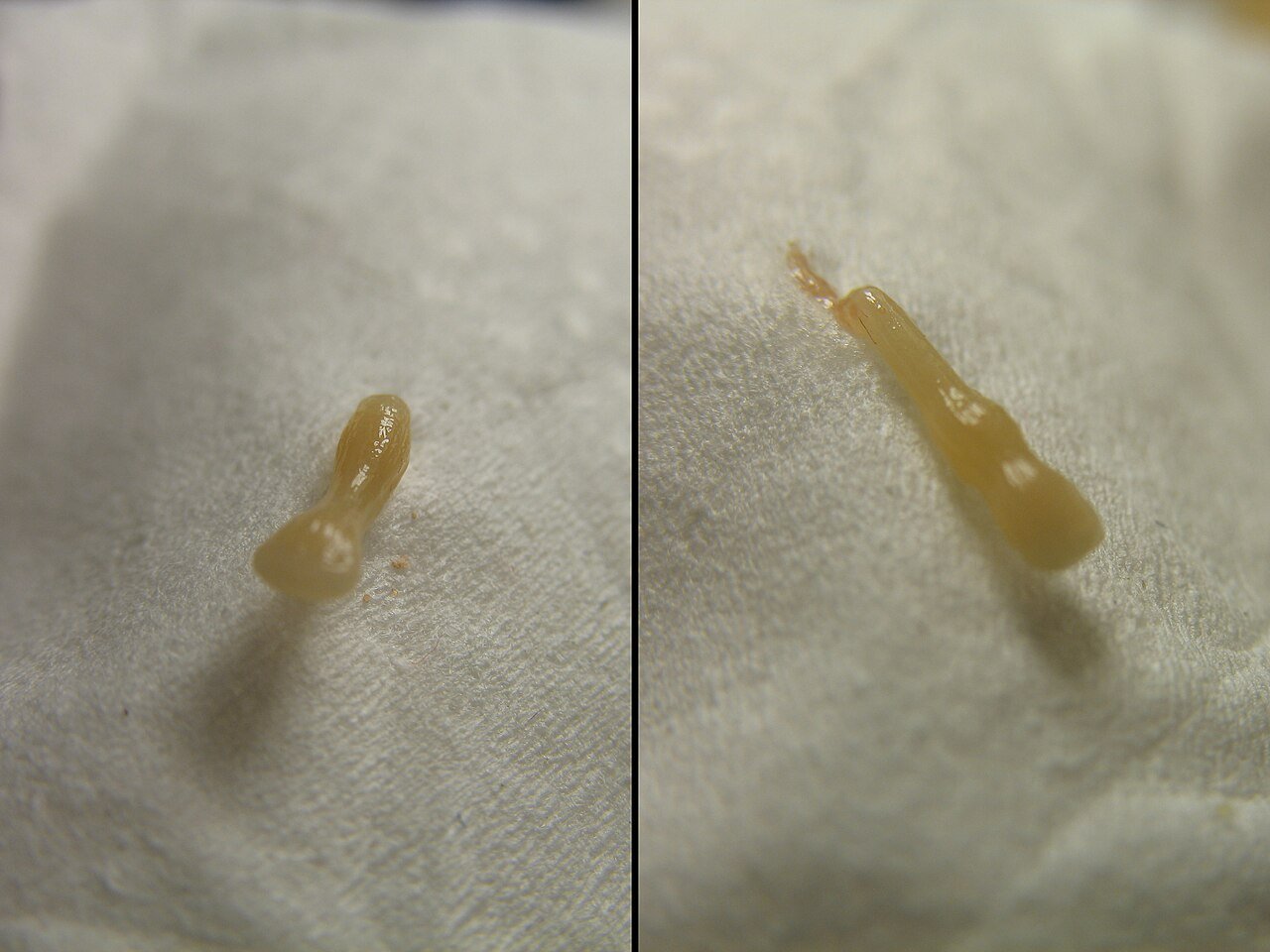
| Tapeworm segments | Flat, white, about the size of a grain of rice; may move | Swallowing infected fleas |
| Hookworms | Usually nothing; too small to spot | Mom’s milk, contaminated soil, through the skin |
| Whipworms | Usually nothing | Eggs in soil |
| Coccidia and giardia | Nothing; these are single-celled parasites, not worms | Contaminated water, soil or feces |
VCA describes tapeworm segments as looking like grains of rice or cucumber seeds, about half an inch long. You may spot them stuck to the fur under the tail or on your puppy’s bedding before you ever see one in the poop. Our guide to puppy flea treatment age explains how to keep fleas, and the tapeworms they carry, under control.
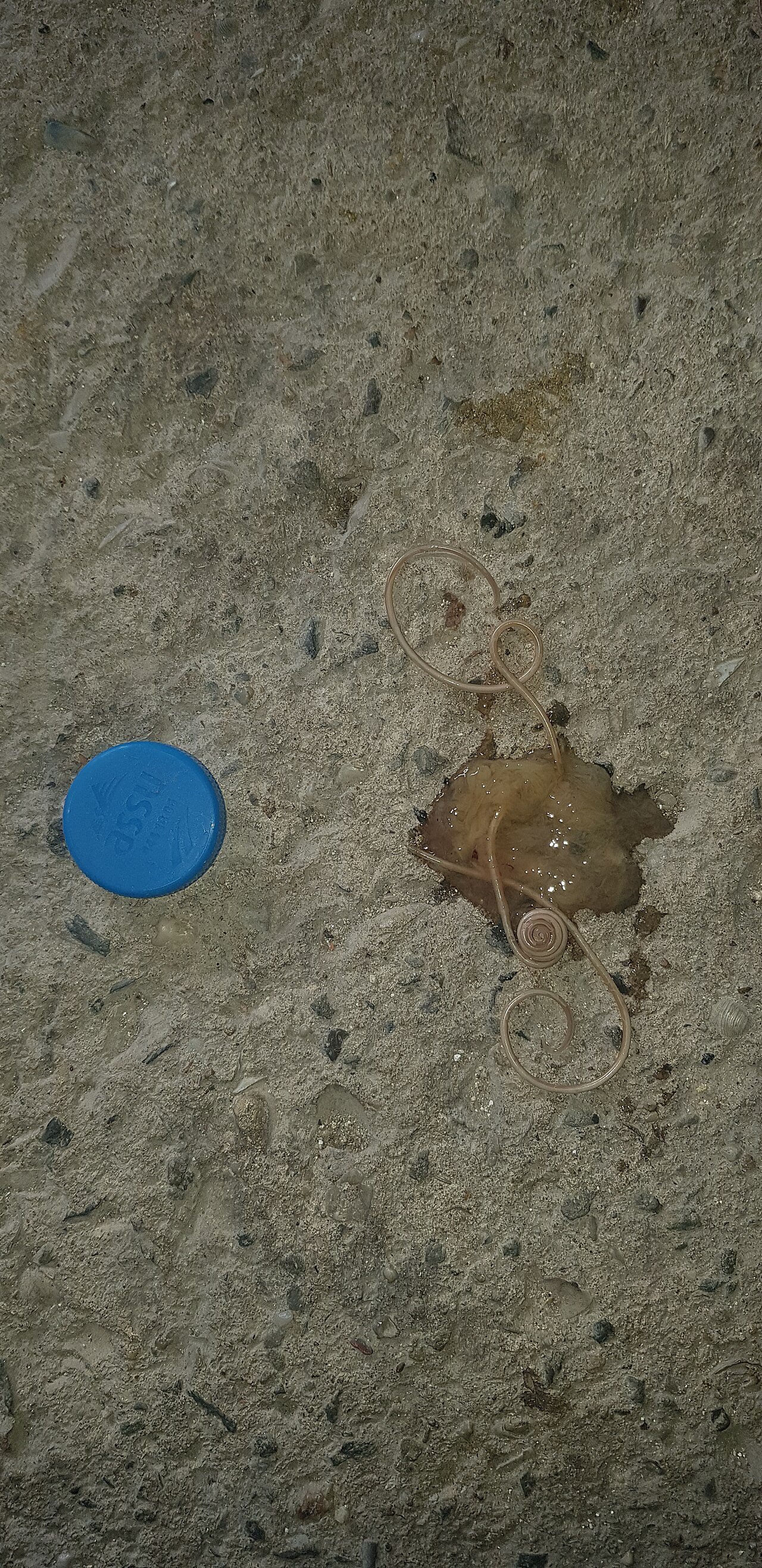
Is it normal to see worms after deworming?
Yes. Most dewormers for roundworms work by paralyzing the worms so your puppy’s body can push them out. For a day or two after a dose, you may see whole worms in the stool, sometimes still moving. It looks awful, but it means the medicine is doing its job.
What’s not normal is seeing lots of worms week after week despite treatment. That can mean your puppy needs a different product, a different schedule, or a check for another parasite. Let your vet know.
How do vets test for worms?
Your vet will ask for a fresh stool sample, usually about a teaspoon. They look for eggs under a microscope using a test called fecal flotation, and many clinics send samples to a lab that can also check for parasite proteins. Because some worms shed eggs only on and off, one negative test doesn’t always mean your puppy is worm free.
Bring a sample to your first vet visit even if the poop looks fine. Put it in a clean zip-top bag, keep it cool, and get it to the clinic within a day if you can.
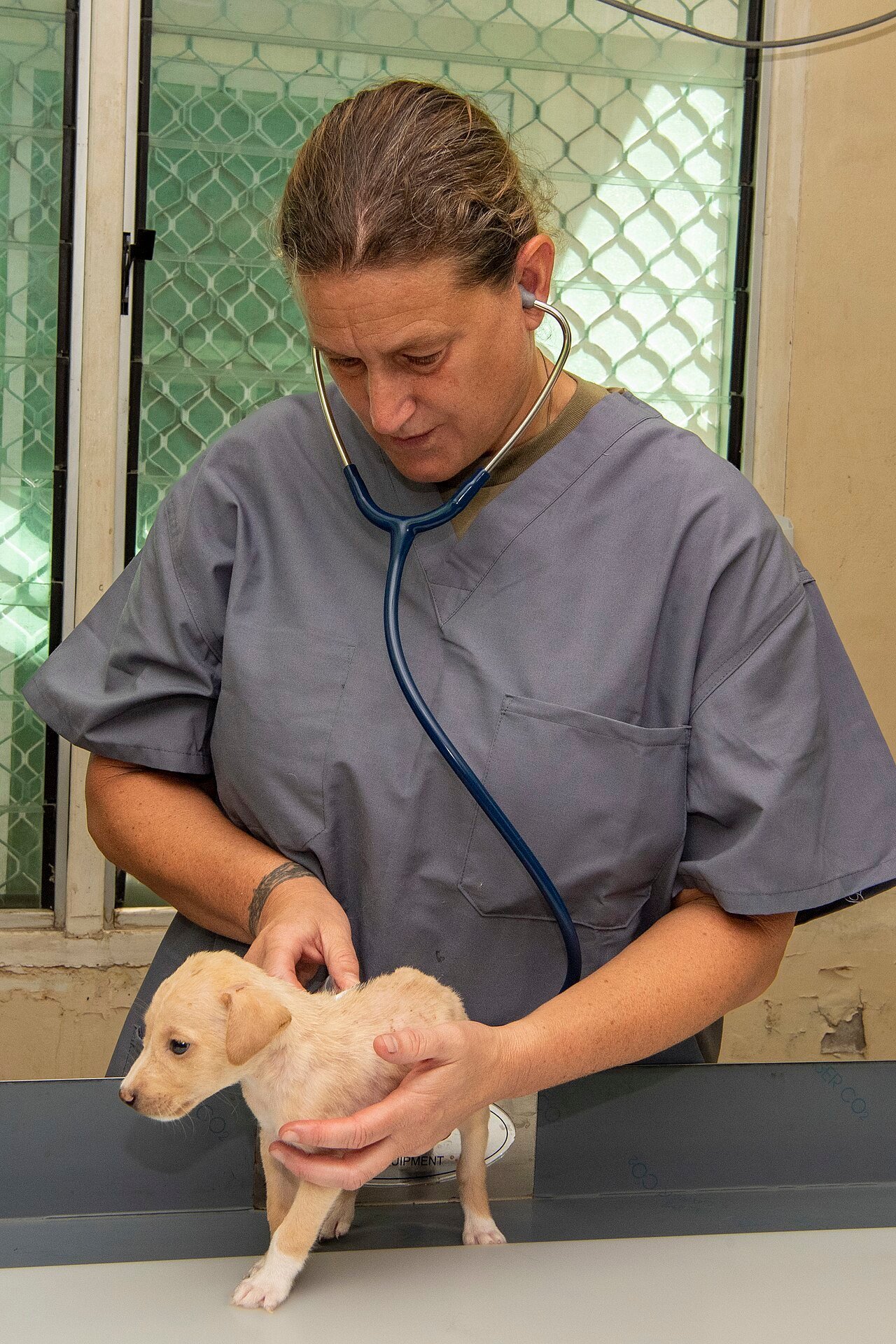
How are puppy worms treated?
Treatment depends on the type of worm, which is why it’s worth getting a diagnosis instead of grabbing whatever is on the pet store shelf. Over-the-counter products often cover only one or two kinds of worms and won’t touch tapeworms or giardia.
CAPC recommends that puppies be dewormed starting at 2 weeks of age and every 2 weeks after that until they move onto a monthly parasite preventive. In practice, many puppies get several doses before and after they come home. Your vet will match the schedule to your puppy’s age and history, often around the same visits as the puppy vaccination schedule.
Things to keep in mind:
- Give the full course on time, even if the worms disappear after the first dose.
- Weigh your puppy before each dose. The dose is based on weight, and puppies grow fast.
- Ask whether your puppy’s heartworm preventive also covers intestinal worms. Many monthly products do.
- Bring another stool sample after treatment if your vet asks for one.
When are worms an emergency?
Most worm cases aren’t urgent, but a heavy infection can make a small puppy very sick. Hookworms feed on blood, and CAPC notes they can cause serious anemia in young puppies. Call your vet the same day if your puppy has:
- Pale gums
- Weakness, or sleeps far more than usual
- Black, tarry or bloody diarrhea
- Repeated vomiting, or vomiting worms
- A swollen, tight belly along with poor growth
- Signs of dehydration, such as sticky gums
If it’s after hours, call an emergency animal hospital. Tiny puppies dehydrate and drop their blood sugar quickly.
Can people catch worms from a puppy?
Some can. Roundworm and hookworm eggs and larvae can infect people, and young children who play in dirt are most at risk. The CDC recommends picking up dog poop promptly, washing hands after handling pets, and keeping pets on a parasite control plan from the vet.
Simple habits go a long way:
- Pick up poop right away, ideally every time.
- Wash hands after cleanup, yard work and puppy play.
- Keep kids from playing where dogs go potty.
- Cover sandboxes when not in use.
How can you keep worms from coming back?
Once the first round of deworming is done, the goal is prevention. Keep your puppy on the year-round parasite control your vet recommends, stay on top of fleas, clean up the yard daily, and take a stool sample to your annual checkup. Puppies explore the world with their mouths, so you won’t stop every exposure. A steady routine keeps a new infection from turning into a big one.
Seeing worms is gross, but it’s usually just the start of a straightforward fix. Snap a photo, call your vet, and stick with the schedule they give you.
Frequently asked questions
Can you see worms in puppies poop?
Sometimes. Roundworms and tapeworm segments are big enough to see. Hookworms and whipworms are tiny or stay attached to the gut wall, so you usually can’t see them at all. A puppy can have worms even if its poop looks normal, which is why vets run fecal tests.
Is it normal for puppies to poop out worms?
It’s common, especially in young puppies and in the day or two after a deworming dose, when the medicine paralyzes the worms and they pass out in the stool. It still means your puppy has worms, so keep up the deworming schedule your vet gives you.
What does puppy worm poop look like?
With roundworms you may see white or light tan worms a few inches long, often coiled, in the stool or vomit. With tapeworms you may see small white segments in the poop, on the fur around the bottom, or on bedding. Heavy worm loads can also cause diarrhea, mucus or a pot-bellied look.
What to do if puppy has worms in poop?
Take a photo, bag a fresh sample, and call your vet. They can identify the worm and prescribe the right dewormer and schedule. Clean up the yard and wash your hands. Call right away if your puppy is weak, has pale gums, has bloody diarrhea, or is vomiting repeatedly.
What are white worms in puppy poop?
Long white worms are usually roundworms. Short, flat, white pieces that may move a little are usually tapeworm segments. They need different medicines, so tell your vet exactly what you saw or bring a photo.
Vet note: This article is general information and is not a substitute for advice from your own veterinarian. If your puppy is having trouble breathing, collapses, has a seizure or may have eaten something toxic, call your vet or the nearest emergency animal hospital right away. ASPCA Animal Poison Control: 888-426-4435 (a fee may apply).
