
How to take care of a puppy comes down to a few basics. Feed a complete and balanced puppy food on a schedule, take them outside to potty often, give them plenty of sleep in a safe crate or pen, and keep up with vet visits for vaccines and deworming. Add daily training and a puppy-proofed home.
Quick takeaways
- A steady daily routine for meals, potty breaks, play and naps makes everything else easier.
- Young puppies need a lot of sleep, often 18 hours or more a day.
- Vet visits every few weeks during the vaccine series are a normal part of the first months.
- Short, positive training sessions every day beat one long weekend session.
- If you work full time, plan for a midday potty break from a family member, neighbor or dog walker.
In this guide
- What does a puppy need every day?
- How should I feed my puppy?
- How do I potty train a puppy?
- How much sleep and exercise does a puppy need?
- What vet care does a puppy need in the first year?
- How do I train and socialize my puppy?
- How do I keep my puppy safe at home?
- How do I groom a puppy?
- How do I take care of a puppy if I work full time?
- When should I call the vet?
- Frequently asked questions
Bringing home a puppy is a lot of fun, and it’s also a lot of work. The first year is when your puppy learns how to live in your home, gets their vaccines and builds the habits they’ll carry into adulthood. Here’s a clear, practical plan for how to take care of a puppy from day one through their first birthday.
What does a puppy need every day?
Think of your puppy’s day in four parts: food, potty breaks, sleep and learning. Get those right and most other things fall into place.
| Daily need | 8 to 12 weeks | 3 to 6 months | 6 to 12 months |
|---|---|---|---|
| Meals | 3 to 4 a day | 3 a day | 2 to 3 a day |
| Potty breaks | Every 1 to 2 hours awake | Every 2 to 4 hours | Every 4 to 6 hours |
| Sleep | 18 to 20 hours | 16 to 18 hours | 14 to 16 hours |
| Training | A few 5-minute sessions | A few 5 to 10-minute sessions | Daily practice in new places |
These are general ranges. Your vet can tailor them to your puppy’s breed and size.
How should I feed my puppy?
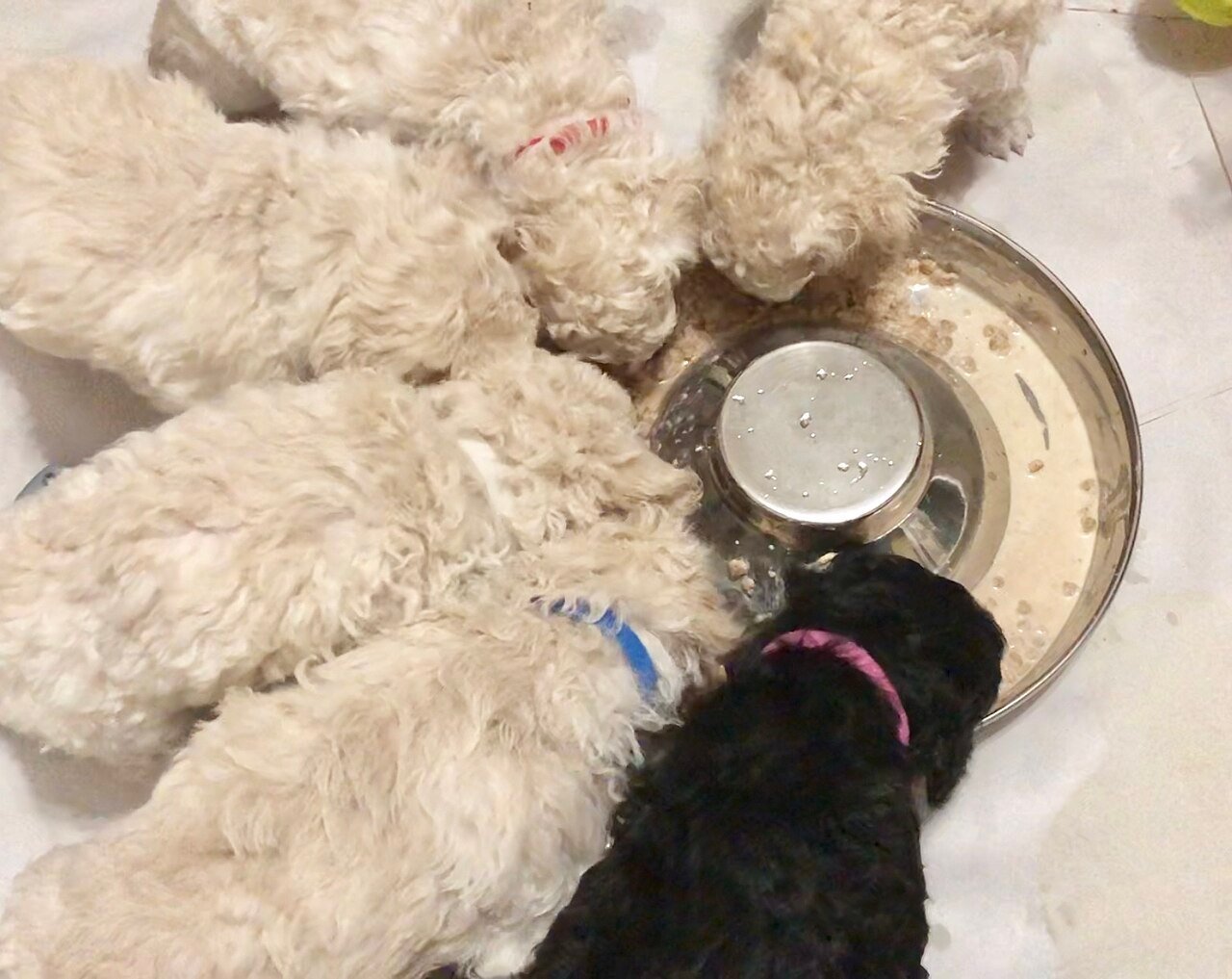
Pick a puppy food that says it’s complete and balanced for growth or for all life stages. That wording comes from AAFCO nutrient standards, and you’ll find it in small print on the bag. If you have a large-breed puppy, choose a food that meets the standard for large-size dogs at maturity, since big puppies need carefully controlled calcium and calories.
Feed measured meals at set times rather than leaving food out. It makes potty training more predictable and helps you notice right away if your puppy’s appetite drops. Use the bag’s chart as a starting point and adjust based on body shape and your vet’s advice. Keep treats small, and skip people food, since some common foods are toxic to dogs.
How do I potty train a puppy?
Take your puppy out first thing in the morning, after every meal, after naps, after play and right before bed. Go to the same spot, wait quietly and praise or treat the moment they finish. Accidents happen. Clean them with an enzyme cleaner and don’t scold, since that only teaches puppies to hide when they go.
A crate or small pen helps a lot, because most puppies avoid soiling where they sleep. A common rule of thumb is that a puppy can hold it about one hour per month of age, plus one, up to a limit. Use that as a rough guide, not a rule.

How much sleep and exercise does a puppy need?
More sleep than you’d guess. Young puppies need lots of naps, and a puppy who skips them often turns bitey and wild. Give them a quiet crate or pen and put them in it for a nap after an hour or so of activity.
For exercise, short bursts of play and exploring are better than long runs. Let your puppy set the pace, avoid forced running on pavement and save jogging until your vet says their joints are mature.
What vet care does a puppy need in the first year?
Plan for several visits in the first few months:
- First exam within a few days of coming home.
- Vaccine boosters every few weeks until about 16 weeks of age or older, then a booster around a year later.
- Rabies vaccine at the age your state and vet require.
- Deworming and fecal tests on a schedule your vet sets.
- Flea, tick and heartworm prevention as your vet recommends for your area.
- A spay or neuter talk based on breed, size and lifestyle.
- A microchip, registered with your current contact info.
Keep your puppy away from unknown dogs and high-traffic dog areas until your vet says vaccines are complete. Parvovirus survives in the environment, and young puppies are most at risk.
How do I train and socialize my puppy?
Start the day you bring your puppy home. Teach their name, sit, come and a calm “leave it.” Use treats, praise and play, and keep sessions short. Five minutes a few times a day works better than one long lesson.
Socialization matters just as much. Gently introduce your puppy to different people, sounds, surfaces, car rides and handling of their paws, ears and mouth. Pair new things with treats and let your puppy go at their own speed. Puppy classes that require vaccine records are a great way to do this safely.

How do I keep my puppy safe at home?
Puppies explore with their mouths, so get down at their level and look for trouble. Hide electrical cords, store cleaning products and medications up high, keep trash cans covered and pick up shoes, socks and kids’ toys. Our puppy proofing checklist walks through each room.
Watch for seasonal risks too. Halloween candy, especially chocolate and sugar-free treats with xylitol, can be dangerous. Our guide on what to do if your dog ate Halloween candy explains the next steps. In winter, keep puppies warm, wipe salt off their paws and keep antifreeze out of reach. See our tips for puppies in cold weather.
Save these numbers in your phone: your vet, your nearest 24-hour emergency hospital and the ASPCA Animal Poison Control Center. A consultation fee may apply.
How do I groom a puppy?
Grooming is as much about handling practice as it is about looks.
- Brush a few times a week, or daily for long coats.
- Trim nails every couple of weeks, taking just a little at a time.
- Check ears and teeth weekly, and start gentle tooth brushing with a dog toothpaste.
- Bathe only when your puppy is dirty or smelly, using a dog shampoo. Our guide on how to give a puppy a bath covers the steps.
Keep every session short and sweet with lots of treats.

How do I take care of a puppy if I work full time?
It can work with some planning. Try to take a few days off when your puppy first arrives so you can set the routine together. After that:
- Use a puppy pen, not a crate, for long stretches. Include a bed, water, safe chews and a potty pad in one corner.
- Arrange a midday break. A family member, neighbor or professional dog walker can let your puppy out, give lunch and play for a bit.
- Make mornings and evenings count. A walk, some training and a play session before and after work help your puppy rest while you’re gone.
- Leave something to do. A food puzzle or a stuffed rubber toy keeps your puppy busy.
If you’re still choosing a dog and know you’ll be gone a lot, an adult dog may be a better fit. Our list of the best dog breeds for first time owners can help.
When should I call the vet?
Call right away for vomiting more than once, diarrhea that lasts more than a day or has blood, refusing food, low energy, trouble breathing, a swollen belly or anything you think your puppy may have eaten that could be harmful. With young puppies, it’s always better to call early.
Frequently asked questions
How to take care of a puppy 2 months old?
An 8 week old puppy needs three to four small meals a day of puppy food, potty trips every hour or two while awake and right after sleeping, eating and playing, and lots of naps. Book a vet visit in the first few days, keep them away from unknown dogs until vaccines are done, and start gentle handling and simple training like their name and sit.
How to take care of a puppy for beginners?
Start with the basics: a vet visit, a puppy food that meets AAFCO growth standards, a crate or pen, and a predictable routine. Puppy-proof your home before they arrive. Keep training short and positive, reward what you like, and redirect chewing and biting onto toys. Ask your vet any question, no matter how small.
How to take care of a puppy when working full time?
Set up a safe pen with a bed, water, toys and a potty area, rather than a closed crate for the whole day. Arrange a midday visit from a dog walker, neighbor or family member so your puppy can go out, eat lunch and play. Give a good walk and play session before and after work.
How to take care of a puppy when you work?
Try to take a few days off when your puppy first comes home to set the routine. After that, use a puppy pen, a midday helper and food puzzles to fill the hours. Puppy daycare can help some young dogs, but ask your vet when it’s safe given your puppy’s vaccine status.
How to take care of a puppy without its mother?
Call a vet right away. Orphaned newborn puppies need round-the-clock care: warmth, a commercial puppy milk replacer (never cow’s milk), bottle or tube feeding every few hours and help peeing and pooping after meals. Your vet will show you how to do this safely and tell you how much to feed.
Vet note: This article is general information and is not a substitute for advice from your own veterinarian. If your puppy is having trouble breathing, collapses, has a seizure or may have eaten something toxic, call your vet or the nearest emergency animal hospital right away. ASPCA Animal Poison Control: 888-426-4435 (a fee may apply).
