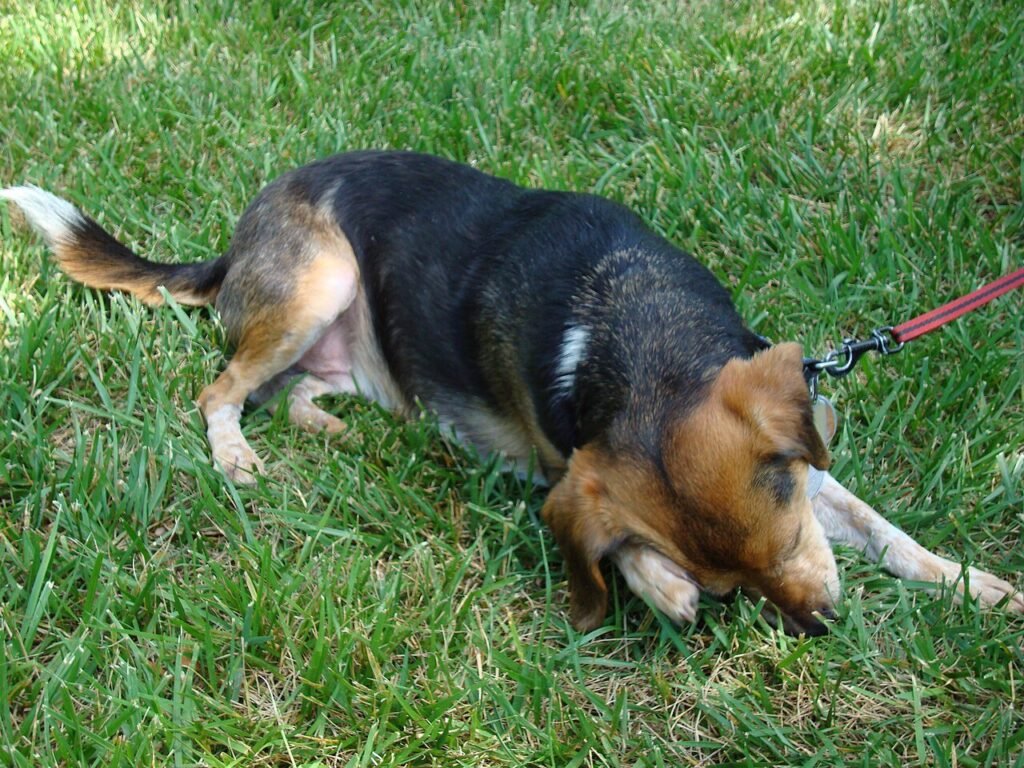
To get rid of puppy fleas, call your vet for a flea product labeled for your puppy’s age and weight, comb out fleas daily with a fine-toothed flea comb, and wash bedding in hot water. Treat every pet in the home. Very young or weak puppies need a vet visit first, since heavy flea loads can cause anemia.
Quick takeaways
- Flea dirt that turns reddish on a damp paper towel confirms fleas even if you can’t see the insects.
- Every flea product has a minimum age and weight on the label. Follow it exactly and never use a cat or large-dog product on a puppy.
- A flea comb and a gentle bath are safe for most young puppies and remove fleas right away.
- Most of the flea population lives in the house as eggs, larvae and pupae, so cleaning matters as much as treating the puppy.
- Expect to see a few fleas for several weeks while the home infestation dies out.
In this guide
- Puppy fleas symptoms: how to tell
- My puppy has fleas: what to do first
- How to use a flea comb on a puppy
- Is a puppy fleas shampoo safe?
- Puppy fleas treatment: what your vet may suggest
- Puppy fleas home remedy: what works and what to skip
- How to get fleas out of your home
- Fleas and tapeworms
- When to call the vet
- Frequently asked questions
Finding a flea on a new puppy is upsetting, but it’s common and very treatable. The catch is that many flea products aren’t safe for young or small puppies, and the fleas you see are only a small part of the problem. This guide walks you through confirming fleas, what’s safe to do today and how to clear your home so they don’t come back.
Puppy fleas symptoms: how to tell
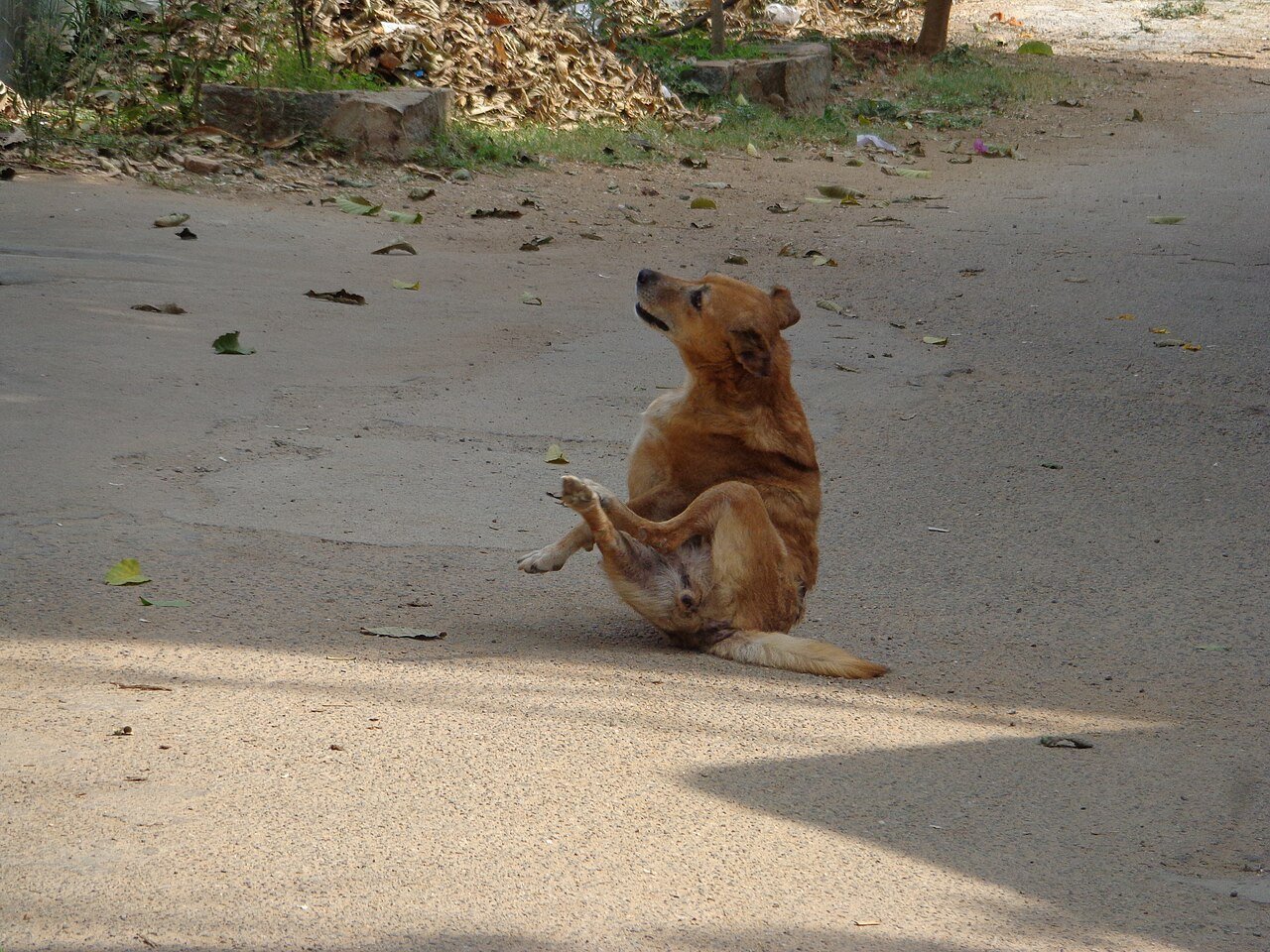
Fleas are small, dark brown, flat insects that move fast through the fur. On a puppy you’ll often spot them on the belly, around the base of the tail and behind the ears. Common signs include:
- Scratching, chewing or biting at the skin, especially the rump and tail base
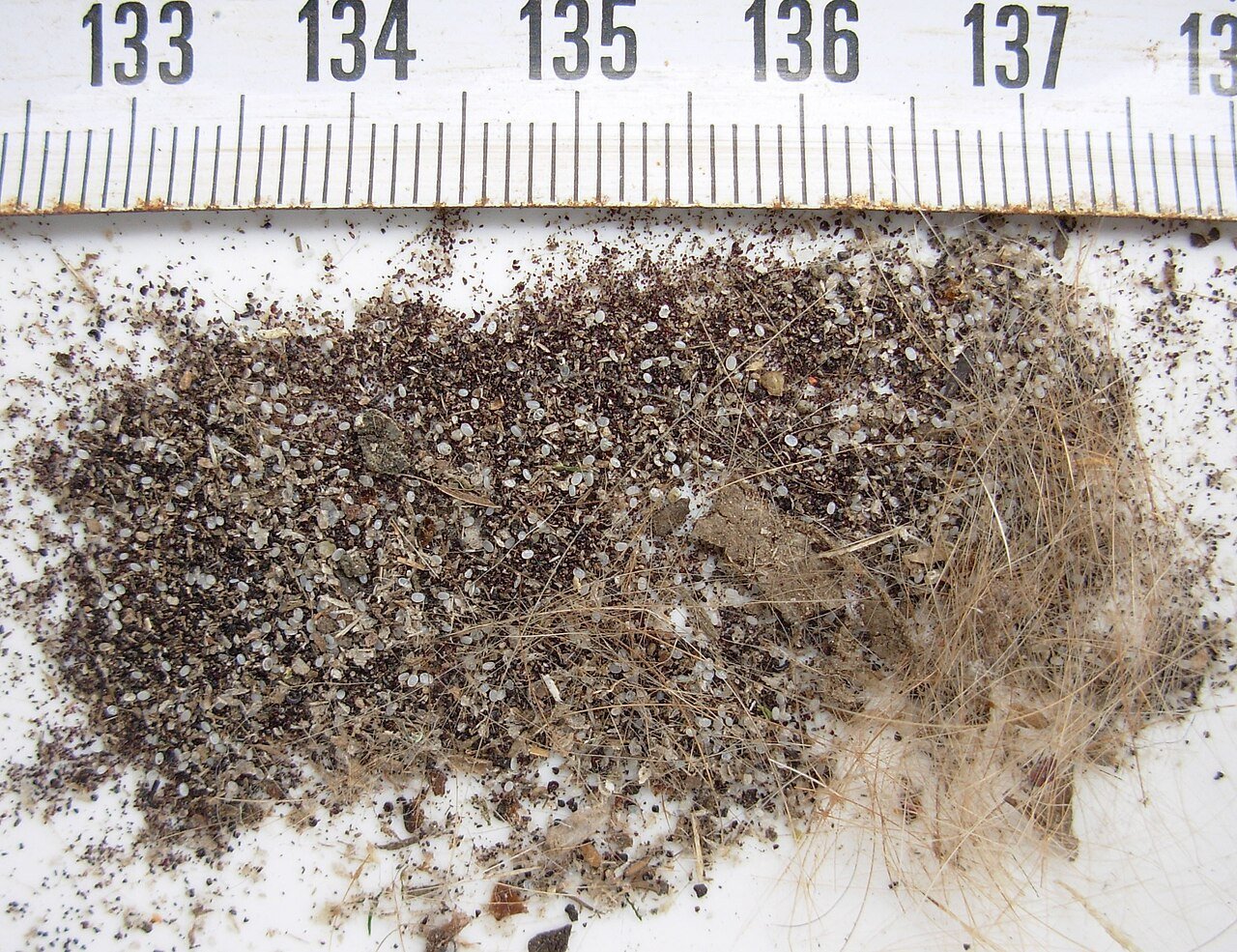
- Tiny black specks in the fur, called flea dirt
- Red bumps or scabs on the belly or inner thighs
- Restless sleep or sudden yelping and turning to bite
The paper towel test
Flea dirt is digested blood. Comb a few specks onto a damp white paper towel. If they smear reddish brown, that’s flea dirt, and your puppy has fleas even if you haven’t seen one yet. The Merck Veterinary Manual describes the same test.
My puppy has fleas: what to do first
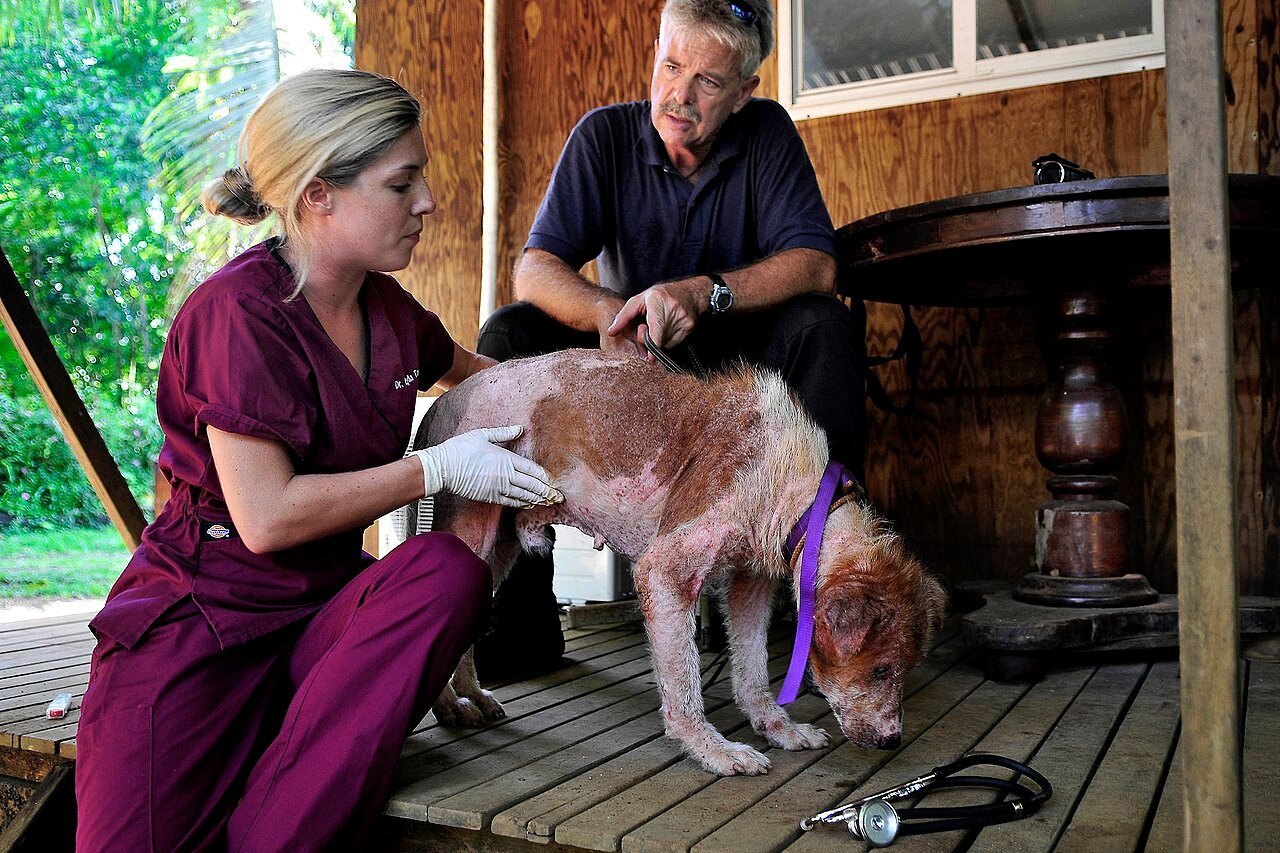
- Check your puppy’s gums and energy. Pale gums, weakness or a puppy that’s very tired can mean anemia from blood loss. Merck notes that anemia can develop in young puppies or heavy infestations. This is an emergency for small puppies, so call your vet right away.
- Call your vet before buying a product. Tell them your puppy’s age and current weight. Many flea treatments are labeled only from a certain age or weight, and the vet can pick one that fits.
- Comb out what you can now. A flea comb is safe at any age and gives relief the same day.
- Check every pet in the house. Fleas move between dogs and cats. If one pet has them, assume they all do.
How to use a flea comb on a puppy
A fine-toothed metal flea comb is the safest tool you have, and it’s the first thing many vets suggest for very young puppies.
- Fill a small bowl with water and a few drops of dish soap.
- Comb in short strokes from head to tail, paying attention to the neck, belly and base of the tail.
- After each stroke, dip the comb in the soapy water to drown any fleas.
- Comb once or twice a day until you stop finding fleas, then a few times a week to keep watch.
Keep sessions short and give treats. Many puppies relax once they learn combing comes with a snack.
Is a puppy fleas shampoo safe?
A bath with a mild puppy shampoo washes off many adult fleas and flea dirt. It doesn’t protect your puppy afterward, so fleas from the house will jump back on. Ask your vet before using a medicated flea shampoo, since some aren’t labeled for young puppies.
Bath tips for young puppies:
- Use lukewarm water and keep the room warm.
- Lather the neck first so fleas don’t run up to the face and ears.
- Keep water and soap out of the eyes and ears.
- Rinse well, then towel dry and keep your puppy warm until fully dry. Small puppies chill fast.
Puppy fleas treatment: what your vet may suggest
Flea control products for dogs come as monthly chewables, topical spot-on liquids, sprays and collars. Some kill adult fleas fast and some stop flea eggs from hatching. Each product label lists the minimum age and weight it’s approved for, and those limits differ a lot between products.
Some safety rules that apply no matter what you use:
- Use only a product labeled for dogs and for your puppy’s age and weight range.
- Never split a large-dog dose or use a cat product on a puppy. Never use a dog product on a cat, because some dog flea products are dangerous to cats.
- Weigh your puppy before each dose. Puppies change weight classes quickly.
- Watch for drooling, vomiting, trembling or unusual skin redness after a dose, and call your vet or a poison control line if you see them.
The Companion Animal Parasite Council’s flea guidelines recommend starting flea prevention as early as the label allows and treating every pet in the home. For the age question in more detail, see our guide on what age puppies can have flea treatment.
Puppy fleas home remedy: what works and what to skip
Some home steps really help: combing, bathing, washing bedding and vacuuming. Others carry risk.
- Skip essential oils. Some essential oils, like tea tree oil, can be toxic to dogs, and puppies are more sensitive.
- Skip garlic. It belongs to the onion family and can damage a dog’s red blood cells.
- Be careful with “natural” sprays. Natural doesn’t mean safe for a puppy, and many have no proven effect on fleas.
- Skip human lice products. They aren’t dosed for puppies.
When in doubt, call your vet’s office. It’s a quick question and they hear it often.

How to get fleas out of your home
Fleas lay eggs on your puppy, but those eggs fall off into carpets, bedding and furniture. CAPC notes that eggs, larvae and cocoons develop in protected indoor spots like carpets, under furniture and along baseboards. That’s why the house needs treatment too.
- Wash your puppy’s bedding, blankets and soft toys in hot water every few days.
- Vacuum floors, rugs, furniture and the car daily for a couple of weeks. Empty the canister or toss the bag outside.
- Pay extra attention to places your puppy sleeps and rests.
- Ask your vet before using any household flea spray or fogger, and keep pets out of treated rooms as the label directs.
Flea cocoons can wait for weeks before hatching, so you may keep seeing a few new fleas for a while. Merck says control of an infestation can take 6 weeks to 3 months. That’s normal and doesn’t mean the treatment failed.
Fleas and tapeworms
Puppies swallow fleas while grooming, and fleas can carry a type of tapeworm. If you see small, rice-like segments near your puppy’s tail or in the stool, tell your vet. Your vet can choose a dewormer that covers tapeworms. Our puppy vaccination schedule visits are a good time to bring up parasite control.
When to call the vet
Call your vet promptly if your puppy:
- Is younger than the minimum age on the flea products you have
- Has pale gums, weakness or low energy
- Has open sores, hair loss or skin that smells bad
- Keeps scratching after the fleas are gone, which can point to another skin problem
If your puppy has diarrhea, vomiting or isn’t eating along with the flea problem, get them seen. Those signs aren’t caused by fleas and can mean something more serious, like the infections in our guide to parvo symptoms in puppies. If the itching continues without fleas, read puppy itching with no fleas.
Frequently asked questions
How to remove puppy fleas?
Comb your puppy with a fine-toothed flea comb over a bowl of soapy water and drop each flea in. Bathe with a gentle puppy shampoo if your vet agrees, then dry your puppy well. For lasting control, use a vet-recommended product labeled for your puppy’s age and weight.
How to treat puppy fleas?
Treat the puppy, every other pet in the home and the house itself. Your vet can recommend a product that fits your puppy’s age, weight and health. Vacuum daily and wash bedding in hot water for several weeks.
How to get rid puppy fleas?
Combine a vet-approved flea product with daily combing and home cleanup. Fleas can keep hatching from cocoons in carpet for weeks, so stick with the plan even after you stop seeing them.
What do fleas do to puppies?
Fleas cause itching and skin irritation, and they can pass tapeworms when a puppy swallows one while grooming. In young puppies or heavy infestations, blood loss can cause anemia, which shows up as pale gums, weakness and low energy. That needs a vet right away.
Do puppies get fleas easily?
Yes. Puppies can pick up fleas from their mother, littermates, other pets, yards and homes with an existing infestation. Fleas jump on from the environment, so a puppy that has never been outside can still get them from a carpet or pet bed.
Vet note: This article is general information and is not a substitute for advice from your own veterinarian. If your puppy is having trouble breathing, collapses, has a seizure or may have eaten something toxic, call your vet or the nearest emergency animal hospital right away. ASPCA Animal Poison Control: 888-426-4435 (a fee may apply).
