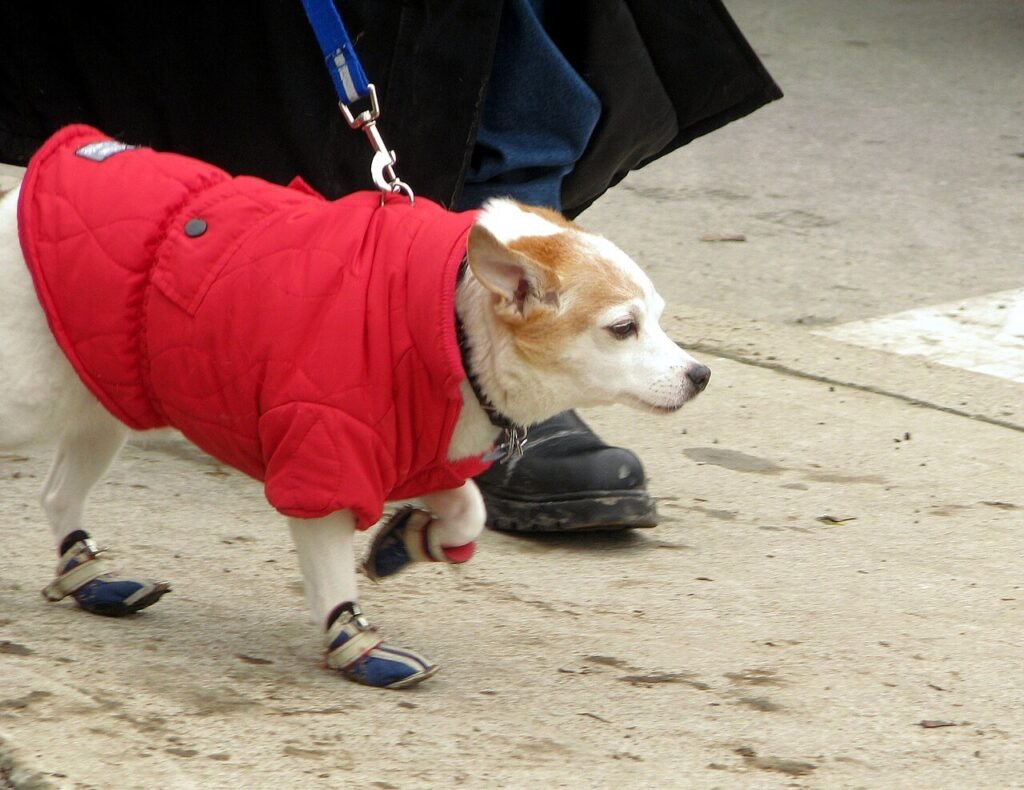
Many puppies benefit from puppy winter boots when sidewalks are salted, icy or very cold, and small, short-coated or thin puppies often need a coat too. Thick-coated breeds may need neither for short outings. Pick waterproof boots that fit snugly, introduce them slowly at home, and keep walks short when it’s bitter out.
Quick takeaways
- Boots help most on salted sidewalks, ice and packed snow, and for puppies who get snowballs between their toes.
- Small, short-coated, thin and very young puppies lose heat faster and are the ones most likely to need a coat.
- Measure the front paw while your puppy stands, and buy for the bigger of front or back paws if they differ.
- Introduce boots over several short sessions with treats before the first real walk.
- Wash and dry paws after winter walks whether or not your puppy wore boots.
In this guide
The first snowy week of the year usually brings the same question from new puppy owners: does this little dog need gear, or is a coat of fur enough? The honest answer depends on your puppy’s size and coat, how cold it gets where you live and what’s on your sidewalks. Here’s how to decide, and how to make boots work if you go that route.
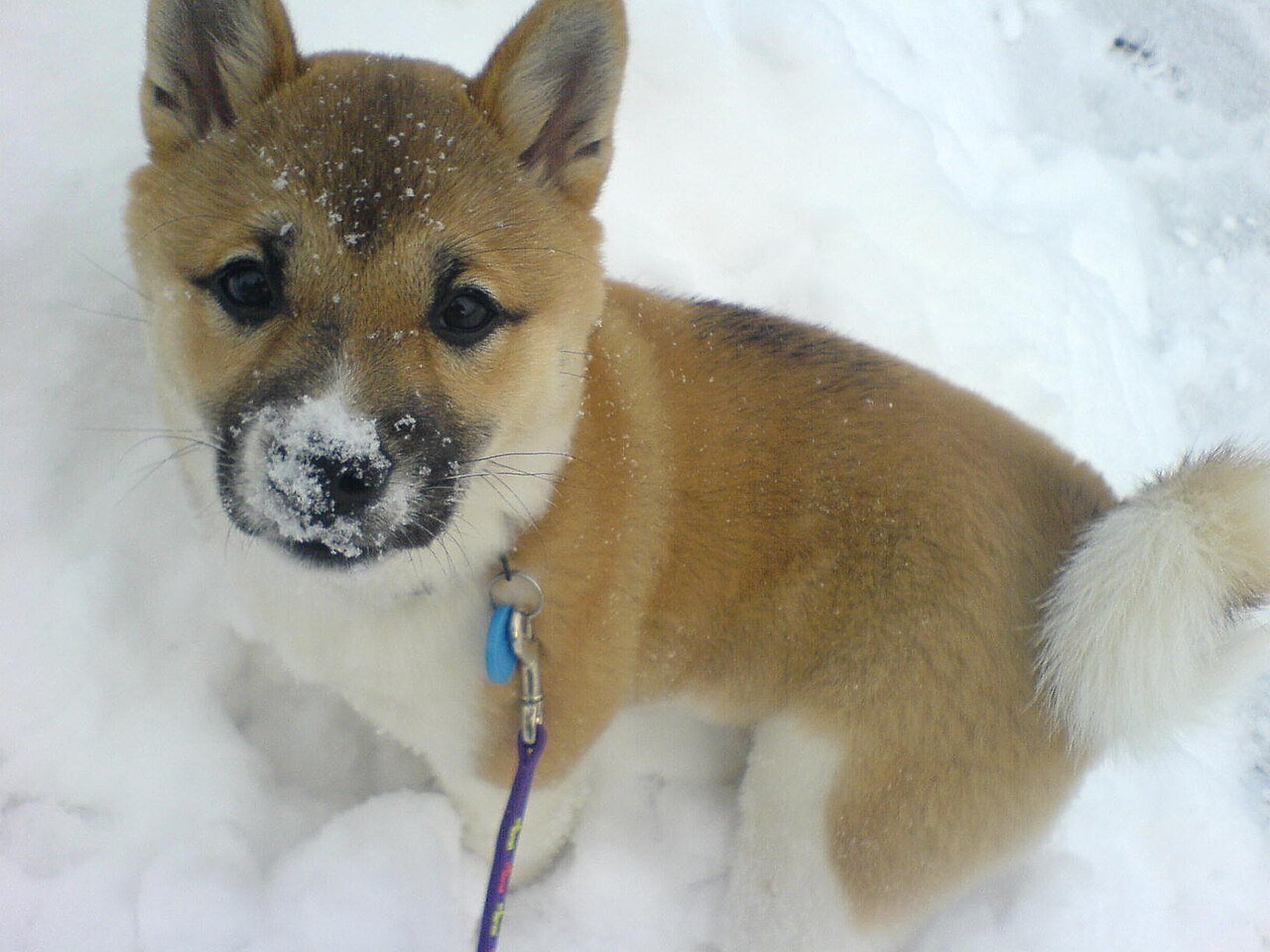
Do puppies need winter boots?
Some do and some don’t. Dog paws handle cold better than our bare feet would, but winter sidewalks bring problems that fur can’t fix. Ice melt and road salt can irritate pads and get licked off later. Sharp ice and frozen gravel can nick pads. Long-haired puppies also collect ice balls between their toes, which pull at the hair and make them limp.
The ASPCA’s cold weather safety tips suggest booties for extra coverage against salt and sand, along with paw protectant and pet-friendly ice melt where you can choose it. Boots are one tool. A towel by the door is another.
Signs your puppy would do better in boots
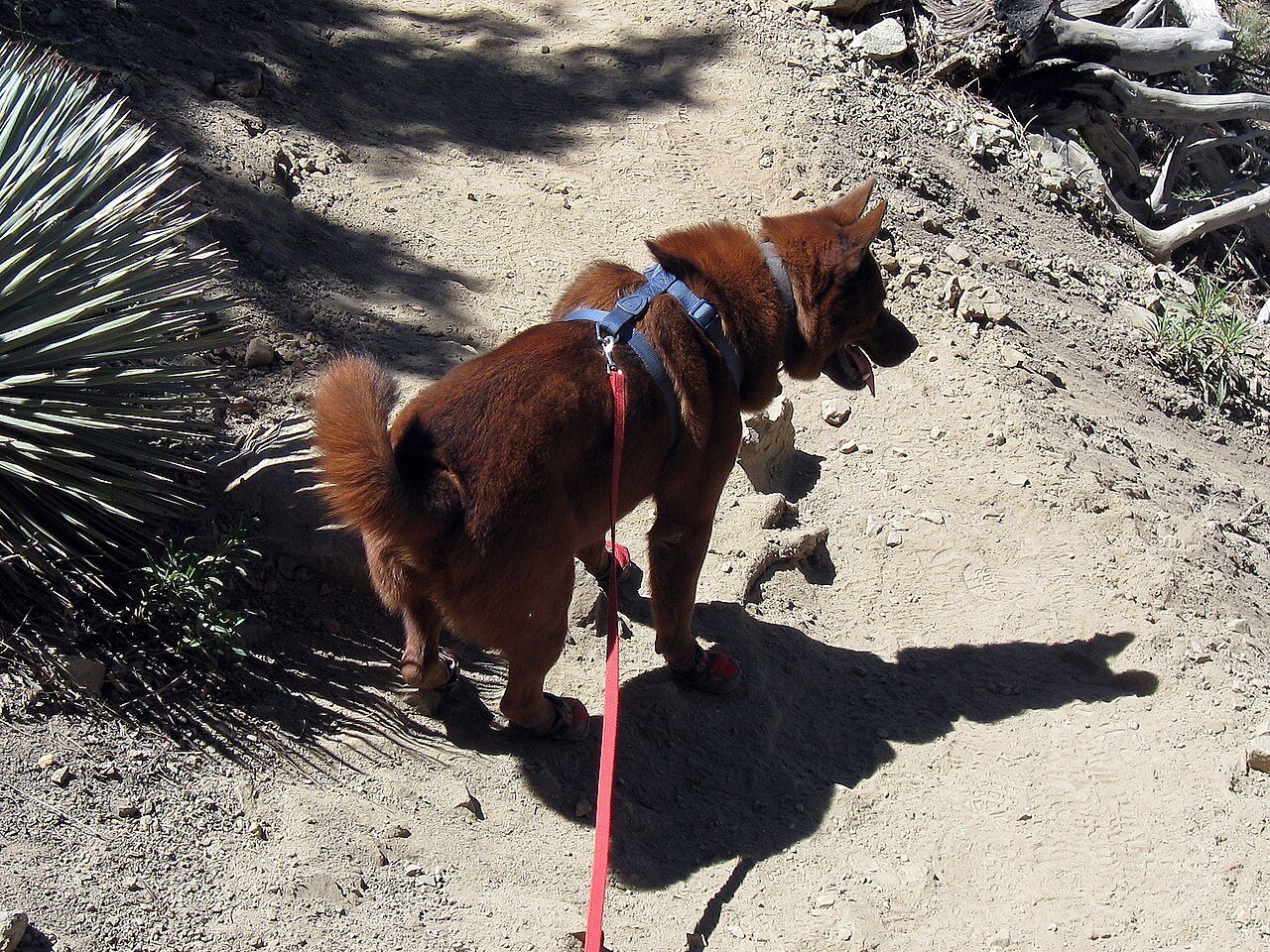
- Lifting paws, hopping or refusing to walk on salted pavement
- Licking the feet hard after coming inside
- Red skin between the toes or small cracks on the pads
- Clumps of ice stuck in the fur between the toes
- Slipping a lot on icy steps or paths
If you see bleeding, a limp that lasts after the paws warm up, or swelling, have your vet take a look. For paw care after salty walks, see our guide to ice melt and dog paws.
Does my puppy need a winter coat?
A coat matters more than boots for some puppies. Small and toy breeds, short-coated breeds like Chihuahuas, Whippets and Boxers, thin puppies, and very young puppies all lose body heat faster than a fluffy, well-padded puppy. Breeds built for cold, like Huskies, Malamutes and Bernese Mountain Dogs, usually don’t need one for normal walks.
A good rule is simple: if your puppy is shivering, slowing down, tucking the tail or trying to turn back home, they’re cold, and the walk should end. ASPCA advises a coat or sweater with a high collar for short-haired dogs, covering from the base of the tail to the belly.
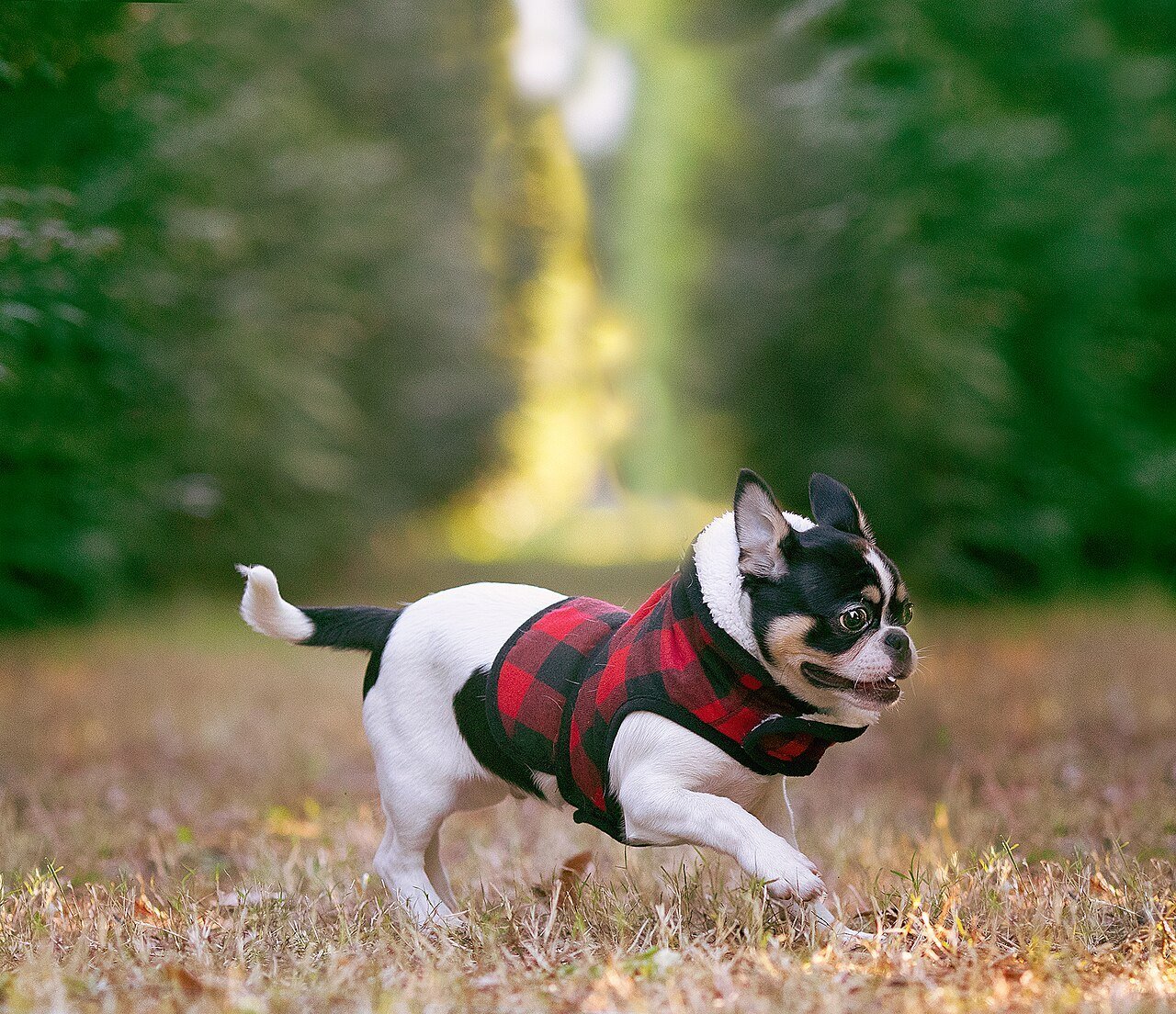
Coat or sweater?
- A sweater is fine for dry, cold days and short walks.
- A water-resistant coat is better for snow, sleet and rain, because a wet sweater pulls heat away.
- Look for coverage over the chest and belly, which sit closest to the snow on short-legged puppies.
- Leave room for the legs to move and make sure nothing presses on the throat.
Take the coat off indoors. Puppies can overheat in a warm house, and a coat worn all day can rub.
How to choose dog winter boots that stay on
Boots fall off when they’re the wrong size or the closure is weak. Fit is the main thing to get right.
- Stand your puppy on a piece of paper with weight on one front paw.
- Mark the widest points on each side and the tip of the longest nail to the back of the pad.
- Compare those numbers to the brand’s size chart. Sizes vary a lot between brands.
- Check the back paws too. Many dogs have slightly smaller back feet, and some brands sell mixed sets.
- If your puppy is between sizes, ask the seller whether to size up or down for that style.
Puppies grow fast, so expect to buy more than one pair in the first year. Cheaper boots can make sense for a growing puppy.
Features worth paying for
| Feature | Why it helps |
|---|---|
| Waterproof upper | Keeps feet dry in slush, which keeps them warmer |
| Rubber sole with grip | Better footing on ice and slick floors |
| Two straps or a wide hook-and-loop closure | Boots that stay on through snow and running |
| Reflective strip | Easier to see on dark winter evenings |
| Soft cuff | Less rubbing at the ankle |
What about dog winter boots with suspenders? Some boots come with straps that run over the back to hold them up. They can help with long-legged dogs who walk out of their boots, but they add another piece of gear to fit. For most puppies, a correct size with a good strap works fine.
Disposable rubber boots, sometimes called balloon boots, are thin and give a puppy more feel for the ground. Some dogs accept them faster. They don’t add much warmth.
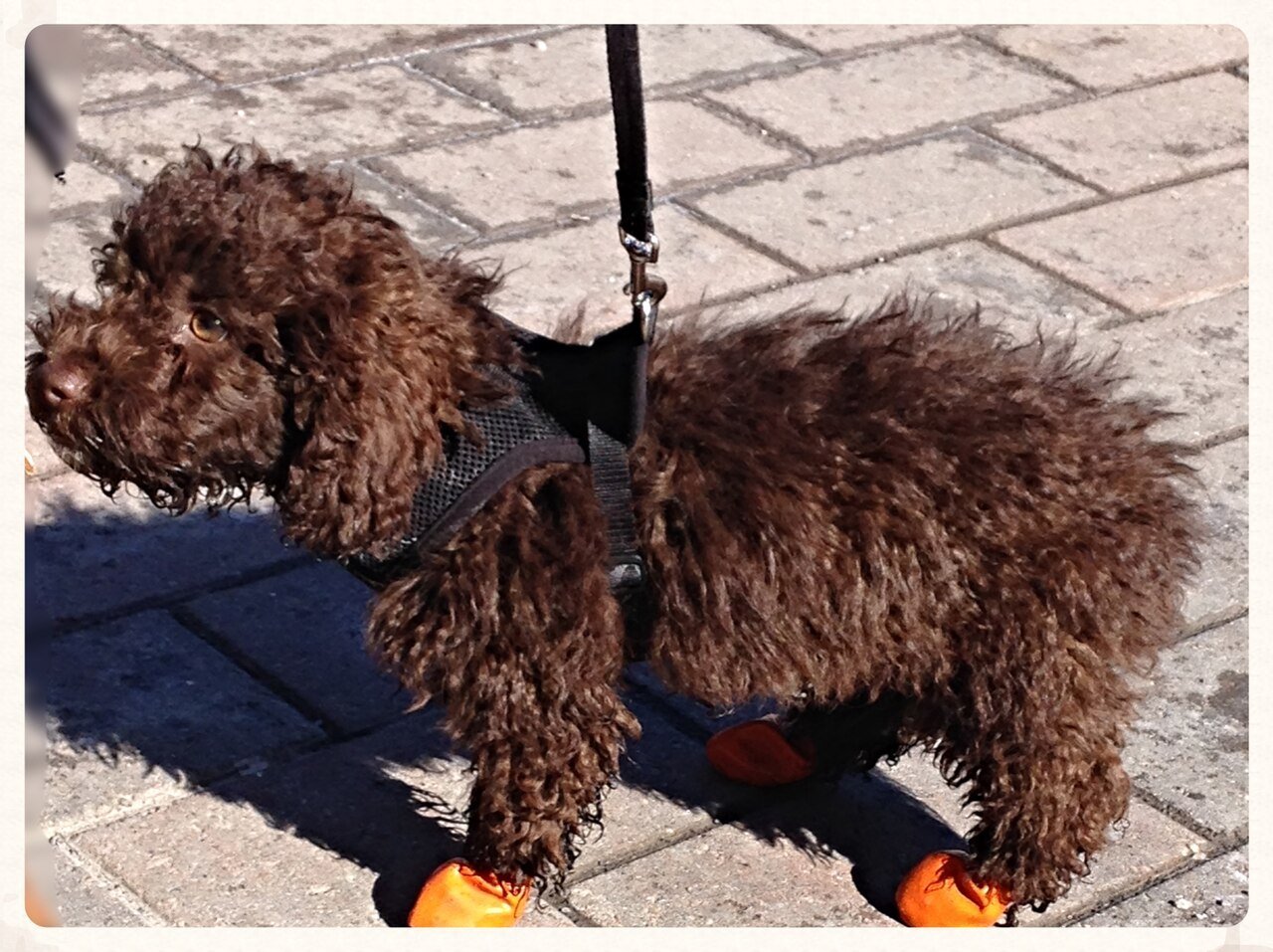
How to get your puppy used to boots
Almost every puppy does a funny high-stepping walk the first time. That’s normal. Go slowly and make it worth their while.
- Let your puppy sniff the boots and give a treat. Repeat a few times.
- Put one boot on for a few seconds, treat, and take it off.
- Work up to all four boots for a minute or two indoors while you play or toss treats.
- Try a short walk around the house or yard once your puppy moves normally.
- Use them on a real walk only after several calm practice sessions.
Keep sessions short and end before your puppy gets frustrated. If your puppy panics or chews at the boots, back up a step. Never leave a puppy alone in boots, because they may chew them off and swallow pieces.
How long can a puppy be outside in winter?
That depends on the temperature, wind, wet and your puppy. Young, small and short-coated puppies have the least tolerance. Short potty trips and several brief walks are better than one long outing on very cold days. Our guide on taking care of a puppy covers daily exercise needs by age.
Go inside right away if your puppy shivers hard, seems weak or sleepy, whines, or keeps lifting paws. Call your vet if your puppy seems lethargic or the skin on the ears, tail tips or paws looks pale or gray after being out.
After-walk paw care
Boots or not, clean paws after winter walks:
- Wipe each paw and the belly with a damp cloth or rinse in lukewarm water to remove salt and chemicals.
- Dry well, including between the toes.
- Check pads for cracks and the skin between the toes for redness.
- Ask your vet about a paw balm if the pads look dry.
Other winter hazards for puppies
Winter brings a few other risks worth knowing. Antifreeze is very toxic and tastes sweet, so wipe up any drips in the garage. Ice melt can upset the stomach if a puppy eats it. Holiday treats, like the leftover candy we covered in what to do if your dog ate Halloween candy, are a reminder that puppies will eat almost anything left at nose height.
More dogs get lost in winter because snow can cover scents they use to find their way. Keep your puppy on a leash near snow and ice, and make sure the ID tag is current.
Frequently asked questions
Do puppies need winter boots?
Not every puppy does. Boots are most useful where sidewalks are treated with ice melt, on rough ice, or for puppies who pick up painful ice balls between their toes. A puppy who walks on grass or clean snow for a few minutes may do fine with a paw wipe afterward.
Do puppies need snow boots?
Puppies who play in deep or wet snow for long stretches often stay more comfortable in boots, especially long-haired breeds that collect snowballs on their feet. Short play sessions followed by a warm towel are enough for many puppies.
Should I get my dog boots for winter?
Get them if you walk on salted streets, if your dog limps or lifts paws in the cold, or if you see cracked pads or redness between the toes. If your dog hates them, a vet-approved paw balm and a careful wash after each walk is a reasonable alternative.
Does my dog need winter shoes?
Winter shoes and winter boots are the same thing for dogs. What matters is a grippy sole, a snug closure and a fit that doesn’t rub. Check the paws after the first few walks for any sore spots.
Vet note: This article is general information and is not a substitute for advice from your own veterinarian. If your puppy is having trouble breathing, collapses, has a seizure or may have eaten something toxic, call your vet or the nearest emergency animal hospital right away. ASPCA Animal Poison Control: 888-426-4435 (a fee may apply).
