
Adopting a puppy from a shelter starts with an honest look at your time, budget and home. Then you search local shelters and rescues, meet puppies, fill out an application, talk with staff about the best match, pay the adoption fee and bring your puppy home. Expect a few weeks of adjustment.
Quick takeaways
- Be honest with yourself about time, money, housing rules and family plans before you apply.
- Search local shelters and rescues, and ask staff to help you find a good match.
- Ask about health, vaccines, deworming, spay or neuter status, microchip and behavior.
- Adoption fees vary, and many include vaccines, a microchip and spay or neuter surgery.
- Plan on days to weeks of settling in. The 3-3-3 rule is a helpful guide.
In this guide
- Why adopt a puppy from a shelter?
- What should you consider before adopting a puppy from a shelter?
- What are the steps to adopting a puppy from a shelter?
- How do you prepare for your shelter puppy’s homecoming?
- What happens in the first weeks at home?
- What if you’re adopting a puppy with a rough start?
- Is adopting a puppy from a shelter worth it?
- Frequently asked questions

Why adopt a puppy from a shelter?
Shelters and rescues have puppies of every size and mix, and adopting gives one of them a home. Humane World for Animals recommends starting your search at a shelter or rescue group. It also notes that most dogs lose their homes because of owner-related problems like cost, time, moving, a new baby or allergies, not because of anything the dog did.
Adopting also helps you avoid puppies from pet stores and websites, which Humane World says often come from mass breeding facilities. If you’re weighing your options, our guide on buying a puppy vs adopting compares both paths.
What should you consider before adopting a puppy from a shelter?
A puppy is a big commitment no matter where it comes from. Before you apply, think through these questions:
- Time. Young puppies need potty breaks every couple of hours, plus training, play and socialization. Can someone be home or come home at midday?
- Budget. The adoption fee is only the start. Food, vet care, gear and training add up in the first year. See our puppy cost first year breakdown.
- Housing. Check lease, landlord or HOA rules on dogs, size limits and breed restrictions.
- Family. Is everyone on board? Will young kids and other pets be safe and comfortable?
- Size and energy. Mixed-breed puppies can grow bigger than expected. Ask staff for their best guess.
Puppy or adult dog?
Some families are better suited to an adult dog. Adults often come house-trained, with a known size and personality. Our guide to adopting a puppy vs adult dog can help you choose.
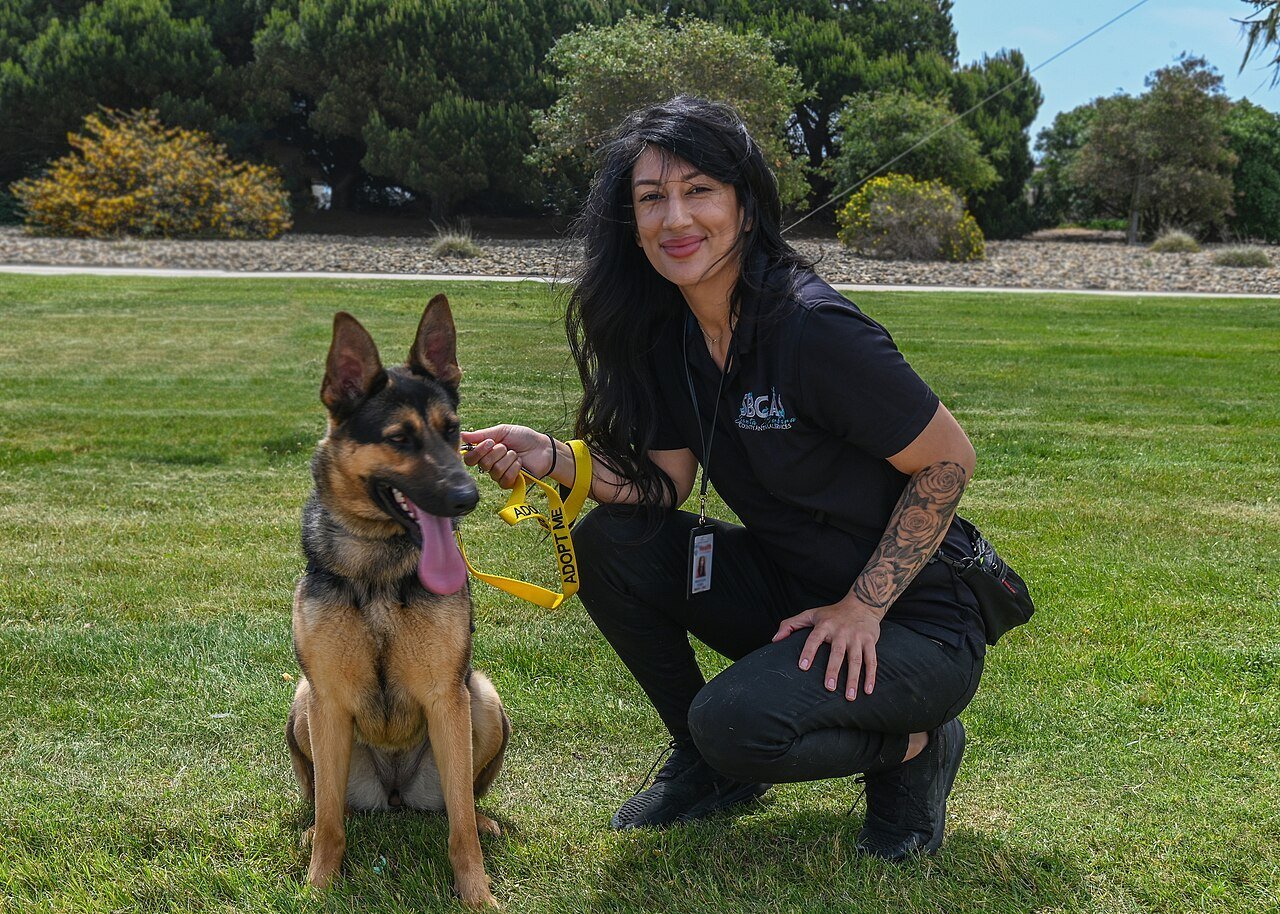
What are the steps to adopting a puppy from a shelter?
1. Search local shelters and rescues
Start with your city or county shelter and local humane societies, then look at breed-specific rescues and rescue groups that place puppies in volunteer homes. The ASPCA’s adoptable dog search lets you search shelters and rescues nationwide by ZIP code.
2. Meet puppies in person
Visit at a quiet time if you can. Watch how each puppy plays, how it reacts to gentle handling and how quickly it recovers from a surprise. Shyness in a shelter isn’t always a sign of a shy dog, since kennels are loud and stressful.
3. Ask the right questions
- How old is the puppy, and how did it come to the shelter?
- What vaccines and deworming has it had? When is the next dose due?
- Is it spayed or neutered and microchipped?
- Has it shown any health issues, such as coughing or diarrhea?
- How does it do with other dogs, cats and kids?
- Has it spent time in a volunteer home, and how did it act there?
4. Apply and talk with staff
Applications usually ask about your home, schedule, experience and other pets. Many shelters now use a friendly conversation rather than a strict checklist. Be honest. Staff want a match that lasts, and they know the puppies well.
5. Introductions and paperwork
Some shelters ask you to bring your current dog for a meet-and-greet. You’ll sign an adoption contract, which may include promises about spay or neuter, return policies and care. Rescues may also do a home visit.
6. Pay the fee and plan pickup
Fees vary by shelter, region and age. Many include early vaccines, deworming, a microchip and spay or neuter surgery. Ask what’s included so you can plan your first vet visit.

How do you prepare for your shelter puppy’s homecoming?
Get the basics ready before pickup day: a crate, bed, food the shelter has been feeding, bowls, a collar or harness with an ID tag, a leash, chew toys, enzyme cleaner and potty pads if you’ll use them. Our new puppy checklist covers the full list.
- Puppy-proof the main living area. Pick up cords, shoes, medicines and trash.
- Set up the crate in a family area, plus one near your bed at night.
- Book a vet visit within the first week or two.
- Update the microchip registration with your contact details.
What happens in the first weeks at home?
Many shelters use the 3-3-3 rule as a rough guide: about three days to decompress, three weeks to learn the routine, and three months to feel fully at home. Humane World for Animals describes “adoption shock,” when the reality of a new pet doesn’t match what adopters pictured. It cites data from Human Animal Support Services showing that 66% of “nuisance” returns happen in the first 30 days.
That’s why the first month matters so much. A few tips:
- Keep the world small at first. Too much at once can overwhelm a new puppy.
- Stick to a routine. Regular times for meals, potty trips, play, naps and bed help your puppy feel safe.
- Start crate training gently. Our guide on how to crate train a puppy walks you through it.
- Socialize safely. Introduce new people, sounds and surfaces in small, happy doses.
- Ask for help early. Many shelters offer post-adoption support for training and behavior questions.
What if you’re adopting a puppy with a rough start?
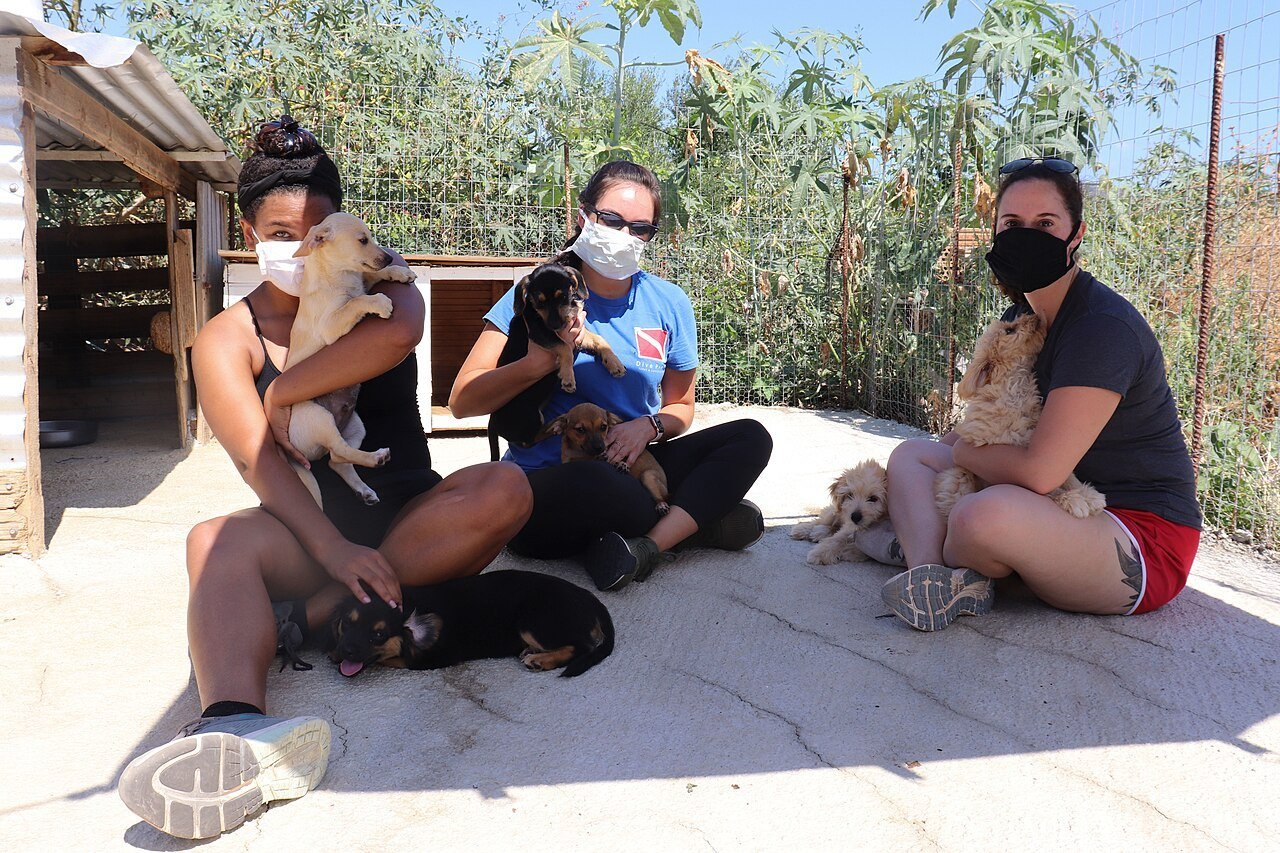
Some shelter puppies come from hoarding cases or puppy mills. They may be fearful, hard to house train or behind on socialization. Go slowly, reward brave choices, and work with your vet or a qualified positive-reinforcement trainer. Our upcoming guide on adopting a puppy mill survivor will cover this in depth.
If you’re thinking about bringing home a puppy and a kitten together, read our guide on adopting a puppy and kitten at the same time first.
Is adopting a puppy from a shelter worth it?
For most families who plan ahead, yes. You get a puppy that’s often already vaccinated, microchipped and checked by a vet, and you give a homeless dog a family. Go in with realistic expectations, lean on shelter staff, and give your puppy time to show you who it really is.
Frequently asked questions
How do you adopt a puppy from a shelter?
Browse local shelters and rescues online or in person, meet the puppies you’re interested in, and talk with adoption staff. Fill out the application, bring ID and proof of housing if asked, pay the fee and schedule pickup. Many shelters can do same-day adoptions, while some rescues include a home visit.
What should you consider before adopting a puppy from a shelter?
Think about the time a puppy needs every day, your first-year budget, landlord or HOA pet rules, other pets and kids in the home, and whether your work schedule allows midday potty breaks. Also think about adult size and energy level, since mixed-breed puppies can be hard to predict.
What are the steps to adopting a puppy from a shelter?
Prepare your home and budget, search shelters and rescues, meet puppies and ask questions, apply, complete any interview or home check, sign the adoption contract, pay the fee, then bring your puppy home and book a vet visit within the first week or two.
How much is it to adopt a puppy from a shelter?
Fees vary widely by shelter, region and the puppy’s age, and puppies often cost more than adult dogs. Many fees include early vaccines, deworming, a microchip and spay or neuter surgery, which would cost much more on their own. Ask your local shelter for its current fee and what it covers.
How does adopting a dog from a shelter work?
Many shelters now use a conversation-based process. Staff ask about your home and lifestyle, then help match you with a dog. You meet the dog, sometimes with your current dog, then sign an adoption contract and pay the fee. Some shelters offer follow-up support after adoption.
Vet note: This article is general information and is not a substitute for advice from your own veterinarian. If your puppy is having trouble breathing, collapses, has a seizure or may have eaten something toxic, call your vet or the nearest emergency animal hospital right away. ASPCA Animal Poison Control: 888-426-4435 (a fee may apply).
