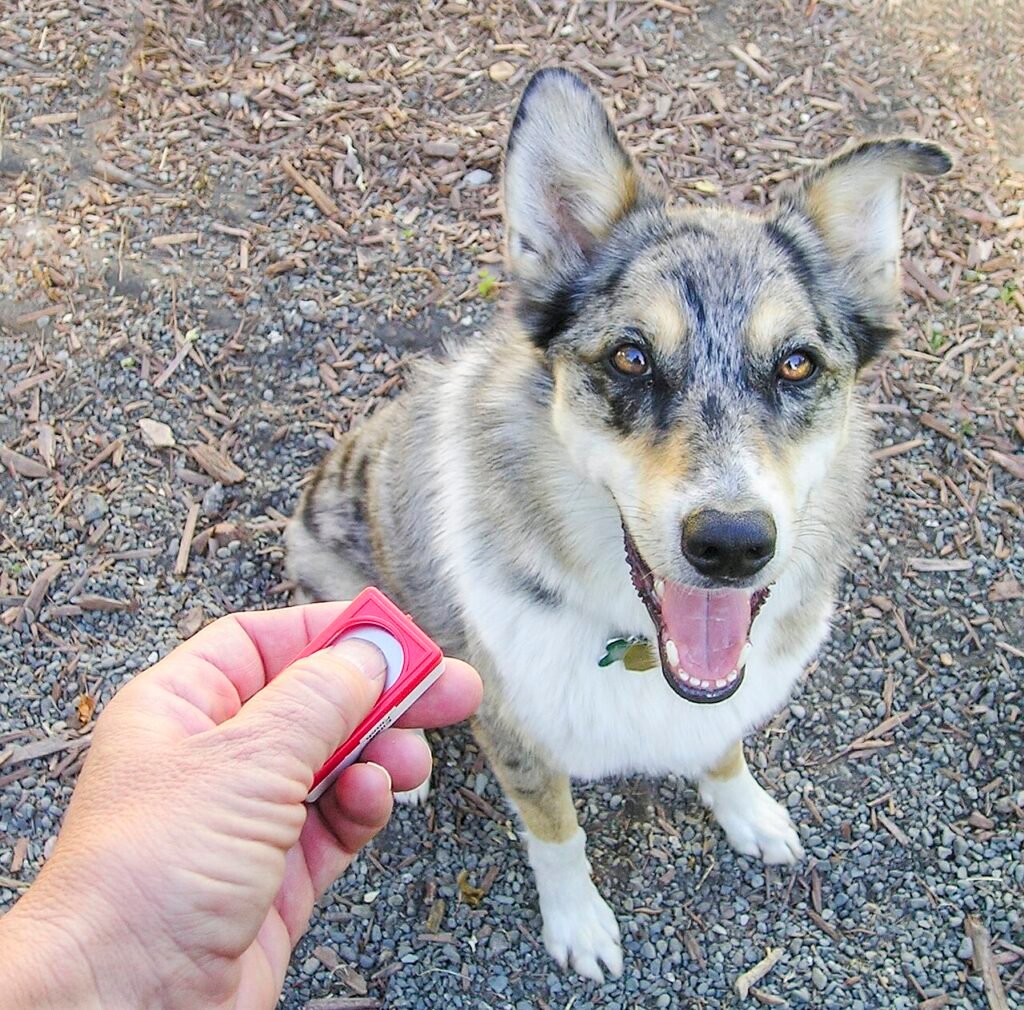
To train a puppy, start the day they come home with short sessions of three to five minutes, several times a day. Reward the behavior you want the moment it happens with a small treat or praise. Teach potty habits, their name, sit, come and calm handling first, then add leash walking and settling in a crate.
Quick takeaways
- You can start training at 8 weeks. Puppies learn quickly at this age.
- Keep sessions to three to five minutes and end while your puppy is still keen.
- Reward-based training works well and avoids the fear that punishment can cause.
- Potty training, name, sit, come and handling come first. Leash skills and longer stays follow.
- Puppy classes can start once your puppy has had at least one set of vaccines, if your vet agrees.
In this guide
- What age can you train a puppy?
- How puppy training works
- What to train a new puppy first?
- A week-by-week puppy training plan
- How to train a puppy to poop outside?
- What age to train a puppy to potty?
- What to train a Lab puppy?
- When to start puppy classes
- Common puppy training mistakes
- Frequently asked questions
Puppies start learning the minute they arrive, whether you plan for it or not. Every time a puppy jumps up and gets attention, or sits and gets ignored, they learn something. Training is just making those lessons deliberate. This plan covers the first eight weeks at home and the habits that matter most.
What age can you train a puppy?
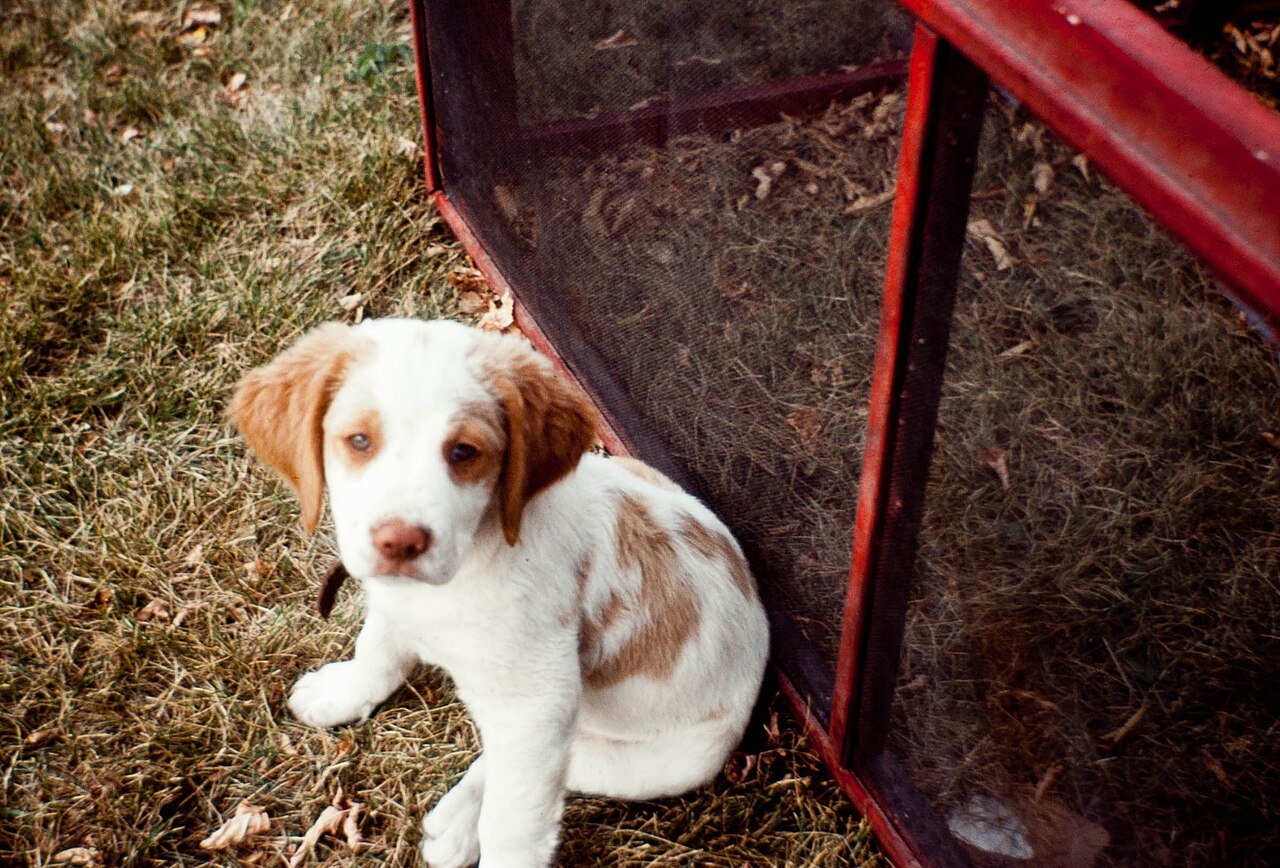
You can start the day your puppy comes home, usually around 8 weeks old. Puppies this age can learn their name, a marker word, sit and simple recall. They have short attention spans, so keep each session to three to five minutes and stop before they lose interest.
The window from about 3 to 14 weeks is also when puppies are most open to new people, places and sounds. The American Veterinary Society of Animal Behavior (AVSAB) recommends starting socialization during this period, before the vaccine series is finished, while avoiding places where unknown dogs gather. Talk to your vet about where it is safe to go in your area.
How puppy training works
Most modern trainers and veterinary behaviorists use reward-based training. The idea is simple: behavior that earns something good gets repeated. AVSAB’s position statements advise against punishment-based methods because they can cause fear and damage the bond between you and your dog.
Three tools make it work:
- A marker. A clicker or a short word like “yes” said at the exact moment your puppy gets it right. It bridges the gap between the action and the treat.
- Small rewards. Pea-sized soft treats, pieces of kibble from the daily ration, a toy or praise. Keep treats under about 10 percent of daily calories.
- Good timing. Reward within a second or two. Late rewards teach whatever your puppy happened to be doing at the time.
What to train a new puppy first?
Start with the habits that make daily life easier. In rough order:
- Potty habits. Take your puppy out after waking, after eating, after play and every couple of hours in between. Reward right after they go.
- Their name. Say it once in a happy voice and mark and reward when they look at you.
- Sit. Hold a treat at their nose and move it slowly up and back. Most puppies sit as the head goes up. Mark and reward.
- Come. Say your recall word as you move away, then reward big when they reach you. Never call your puppy to something unpleasant.
- Handling. Touch ears, paws and mouth for a second, then treat. It makes grooming and vet exams easier later.
- Crate comfort. Feed meals in the crate and toss treats inside so it becomes a calm resting spot. Our crate training guide has the full steps.
A week-by-week puppy training plan
This plan assumes your puppy comes home at about 8 weeks. If yours is older, start at week one anyway and move faster through the parts they already know.
| Week at home | Main focus | Try this |
|---|---|---|
| Week 1 | Settling in, potty routine, name | Potty trips every 1 to 2 hours, name game 5 times a day, open crate with treats |
| Week 2 | Marker word, sit, handling | Charge the marker (say “yes”, give a treat, repeat 10 times), lure a sit, touch paws and ears |
| Week 3 | Come, gentle mouth | Recall across a room, swap a toy for hands when they nip |
| Week 4 | Collar and leash indoors | Wear the leash for short supervised periods, reward walking beside you in the hallway |
| Week 5 | Down, short waits | Lure a down from a sit, wait one second before a meal bowl goes down |
| Week 6 | Leash outside, new places | Short walks in quiet areas, sit for a treat while a car passes |
| Week 7 | Settle on a mat, door manners | Reward lying calmly on a mat, sit before the door opens |
| Week 8 | Practice with distractions | Repeat known cues in the yard, at a friend’s house or in class |
Don’t worry if your puppy is ahead of or behind this table. Puppies of the same age vary a lot. Move on when a skill works about four times out of five in the current setting.

How to train a puppy to walk on a leash
Start indoors where nothing is more interesting than you. Let your puppy wear a light collar or harness, attach the leash, and reward every few steps they walk near your leg. If they pull, stop moving and wait until the leash goes slack, then continue. Outside, keep walks short and let your puppy sniff. Our guide to leash training a puppy goes step by step.
How to train a puppy to stop biting
Nipping is normal puppy play. When teeth touch skin, stop the game for a few seconds, then offer a toy instead. Keep a soft tug toy handy so you always have something better to give. Overtired puppies bite more, so a nap in the crate often fixes the worst biting hour of the day.
How to train a puppy to poop outside?
Puppies usually need to go soon after waking, eating, drinking and playing. Use those moments:
- Carry or walk your puppy to the same spot every time, on a leash.
- Stand still and wait quietly for a few minutes. Say a cue like “go potty” as they go.
- Mark and reward right away, outside, not when you get back in.
- If nothing happens after five minutes, go inside, keep your puppy close or in the crate for 10 to 15 minutes, and try again.
- Clean any indoor accidents with an enzyme cleaner so the smell doesn’t draw them back.
Our complete guide to potty training a puppy covers schedules and setbacks. If you live without a yard, there are separate guides for potty training in an apartment and using a pee pad.
What age to train a puppy to potty?
Start potty training the day your puppy comes home, at around 8 weeks. Young puppies don’t have full bladder control yet, so the early weeks are mostly about getting them outside at the right times. Many puppies are mostly reliable by 4 to 6 months, though accidents can happen later during growth spurts or changes in routine. Sudden new accidents in a puppy who was doing well are a reason to check with your vet, because a urinary infection can look like a training problem.

What to train a Lab puppy?
Labrador Retrievers are friendly, food-motivated and strong as adults, so a few skills matter even more:
- Loose-leash walking, before they reach 60 or 70 pounds.
- Calm greetings. Reward four paws on the floor so jumping on guests doesn’t become a habit.
- Drop it and leave it. Labs pick things up constantly, including things they shouldn’t swallow.
- Retrieve games for exercise and focus, kept short while joints are still growing.
Food motivation makes Labs easy to train, so use part of their daily kibble as rewards to avoid weight gain.
When to start puppy classes
A good puppy class gives your puppy safe practice around other puppies and people. AVSAB suggests puppies can start classes as early as 7 to 8 weeks, as long as they have had at least one set of vaccines and a deworming at least seven days before the first class. Look for classes that use rewards, keep groups small and ask for vaccine records. Your vet can tell you where your puppy is in the vaccination schedule and which classes fit.

Common puppy training mistakes
- Sessions that run too long. Five good minutes beat twenty frustrated ones.
- Repeating a cue over and over. Say it once, help your puppy succeed, then reward.
- Calling your puppy to end the fun, like leaving the park or getting a bath. Go get them instead.
- Practicing only in the kitchen. Cues need practice in new places before they work everywhere.
- Expecting adult behavior from a baby. Puppies regress during teething and again in adolescence, which is normal.
If you run into fear, growling over food or toys, or biting that seems more than play, talk to your vet. They can check for pain and refer you to a qualified trainer or a veterinary behaviorist.
Frequently asked questions
How long does it take to train a puppy?
Basic cues like sit and come can show up within a few days of practice, but reliable behavior around distractions takes months. Most puppies are mostly house trained somewhere between 4 and 6 months, and many need refreshers through adolescence.
How many times a day should I train my puppy?
Three to five short sessions a day works well for most puppies. Fold practice into normal life too, like asking for a sit before meals or before opening the door.
Should I use a clicker or a word?
Either works. A clicker makes a sharp, consistent sound, while a word like “yes” is always with you. Pick one, say or click it the instant your puppy does the right thing, and follow it with a treat every time.
Is it OK to say no to a puppy?
A calm “no” or “uh-oh” to interrupt is fine, but it doesn’t teach your puppy what to do instead. Follow it by showing the behavior you want, like chewing a toy instead of a shoe, and reward that.
Vet note: This article is general information and is not a substitute for advice from your own veterinarian. If your puppy is having trouble breathing, collapses, has a seizure or may have eaten something toxic, call your vet or the nearest emergency animal hospital right away. ASPCA Animal Poison Control: 888-426-4435 (a fee may apply).
