Puppy food is designed to fuel growth, so knowing when to switch puppy to dog food for adults is an important decision. Switch too early and a growing puppy may miss out on nutrients it needs. Switch too late and you risk extra calories that lead to weight gain. So when is the right time?
The short answer is that it depends mostly on your puppy’s expected adult size. Small breeds mature fastest and can usually switch earliest, while large and giant breeds need puppy or large breed puppy food for much longer. This guide gives you a clear timeline by size, the signs your puppy is ready, and a simple step by step plan for making the switch without an upset stomach.
Quick answer: when to switch puppy to adult food
These are typical ranges. Your vet can give advice for your individual puppy.
| Expected adult size | Typical age to reach adult size | Typical age to switch to adult food |
|---|---|---|
| Toy and small breeds | Around 6 to 8 months | Around 8 to 12 months |
| Medium breeds | Around 9 to 12 months | Around 12 months |
| Large breeds | Around 12 to 18 months | Around 12 to 15 months, sometimes later |
| Giant breeds | Up to around 24 months | Around 18 to 24 months |
The age to reach adult size is based on VCA Animal Hospitals’ guidance, and the switching ages follow the AKC’s breed size guide. Activity level, neutering and your puppy’s body condition can shift these timings.
Why puppies need puppy food in the first place
Puppies grow fast, and growth takes a lot of nutrition. Food labelled for growth, or for all life stages, is formulated to meet the higher nutrient needs of growing dogs, including protein, fat, calcium, phosphorus and energy.
Puppy food vs adult dog food
- Calories. Puppy food is usually more energy dense to support growth and play.
- Protein and fat. Growth formulas typically contain more of both.
- Minerals. The balance of calcium and phosphorus is set for growing bones. This matters a lot for large breeds.
- Kibble size. Puppy kibble is often smaller and easier for little mouths.
Adult maintenance food is designed to keep a fully grown dog at a healthy weight. Feeding it to a puppy that’s still growing may not provide the right balance of nutrients.

Why large breed puppy food is different
Large and giant breed puppies grow for longer and are more prone to developmental bone and joint problems. Diets made for large breed puppies control energy and calcium levels to support slower, steadier growth. That’s why large breed puppies shouldn’t just eat regular puppy food or adult food. Read our full guide to large breed puppy food for more detail.
When to switch by breed size
Toy and small breeds
Small dogs such as Chihuahuas, Yorkshire Terriers and Miniature Dachshunds reach their adult size quickly. Many can move to adult food at around 8 to 12 months. Some tiny puppies are prone to low blood sugar when young, so keep small, frequent meals going while they’re little and follow your vet’s advice. Our small puppy breeds guide has more on caring for little dogs.

Medium breeds
Medium breeds such as Border Collies, Beagles and many mixed breeds usually reach adult size at around 9 to 12 months. The switch to adult food commonly happens around their first birthday.
Large breeds
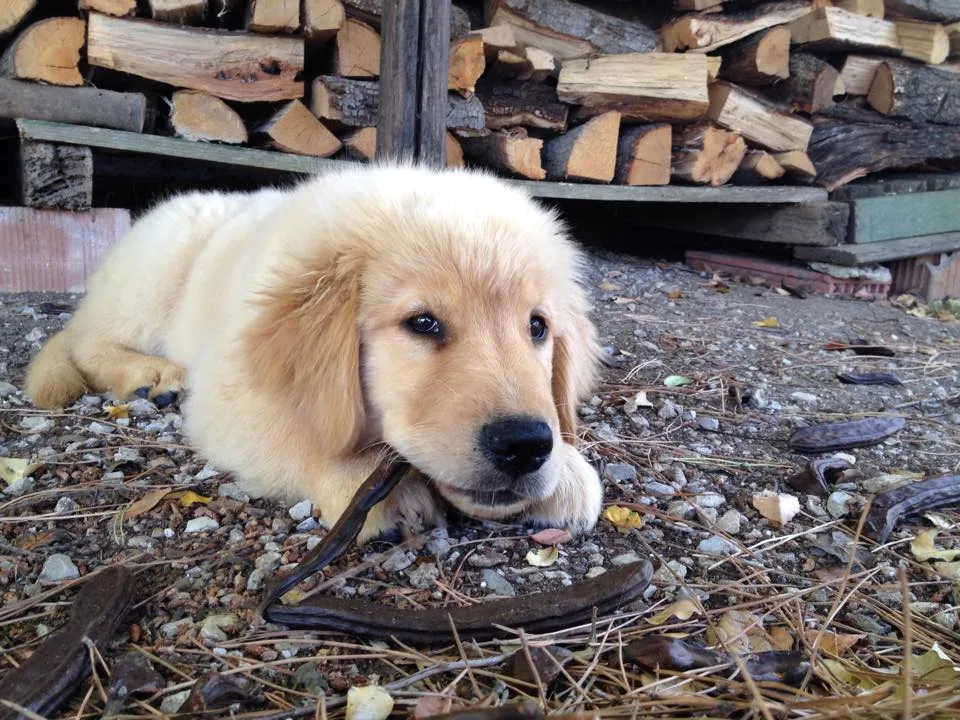
Labradors, Golden Retrievers, German Shepherds and similar breeds keep growing for longer. Most stay on a large breed puppy diet until somewhere around 12 to 15 months, and some benefit from staying longer. See our large puppy breeds guide.
Giant breeds
Great Danes, Mastiffs, Newfoundlands and other giants may not finish growing until around two years old. They often stay on a large or giant breed puppy formula until around 18 to 24 months. Because growth problems are a concern in these breeds, work closely with your vet on diet and body condition.

Mixed breed puppies
If you don’t know your puppy’s adult size, ask your vet for an estimate. Paw size alone isn’t reliable. Your vet can look at the puppy’s current size, growth rate and likely breeds. If your puppy might become a large dog, a large breed puppy formula is a safe choice. Our guide to mixed breed puppies and when puppies stop growing can help you estimate.
Signs your puppy may be ready for adult food
- Growth has slowed or stopped. Your puppy’s height has stayed about the same for a while.
- It’s reached the typical age for its size. See the table above.
- It’s gaining too much weight. Puppy food is calorie dense. If your nearly grown puppy is getting chubby, it may be time. Check with your vet first, since the answer for a growing puppy is usually portion control rather than switching food early.
- It’s leaving food. Older puppies need fewer calories per kilo of body weight than young puppies, and some start leaving part of their meal.
- It’s been neutered. Neutering can lower energy needs, so your vet may suggest adjusting the food or portions afterwards.
What happens if you switch too early?
Switching too early may mean your puppy doesn’t get the right balance of nutrients for growth. For large and giant breeds, the calcium and energy balance matters a lot for healthy bone development. If you’re unsure, it’s usually better to stay on a growth formula a little longer and adjust portions to keep your puppy lean.
What happens if you switch too late?
Staying on puppy food after growth has finished means extra calories, which can lead to weight gain. Excess weight puts strain on joints and is linked to a range of health problems. If your adult dog is still on puppy food, talk to your vet about moving to an adult diet.
How to switch your puppy to adult food
Change food gradually over about a week to reduce the risk of tummy upsets. Many vets suggest a schedule like this:
| Days | Old puppy food | New adult food |
|---|---|---|
| Days 1 to 2 | About 75% | About 25% |
| Days 3 to 4 | About 50% | About 50% |
| Days 5 to 6 | About 25% | About 75% |
| Day 7 onwards | 0% | 100% |
If your puppy has a sensitive stomach, go more slowly and spread the change over two weeks or longer.
Tips for a smooth switch
- Stick with the same brand if you like it. Moving to the same brand’s adult version can make the change easier.
- Check the label. Choose a food labelled complete and balanced for adult maintenance or for all life stages. The AAFCO consumer guide to pet food explains what label claims mean.
- Measure portions. Adult food may have a different calorie content. Use the feeding guide as a starting point and adjust to keep your dog lean.
- Watch the poop. Some softening is common during a change. Slow down if it doesn’t firm up.
- Keep treats small. Treats add calories, especially during training.
When to call your vet
Contact your vet if your puppy has vomiting, diarrhea that lasts more than a day or two, blood in its stool, refuses food, or seems unwell. Very young puppies and small breeds can become ill quickly. Our sick puppies guide lists warning signs, but always get professional advice if you’re worried.
How to choose an adult dog food
The best food is one that’s complete and balanced, suits your dog’s size and activity level, and keeps your dog at a healthy body condition. Things to consider:
- Life stage. Adult maintenance or all life stages.
- Size. Some formulas are made for small or large breeds, with matching kibble size and nutrient levels.
- Activity. Working and sporting dogs may need more energy.
- Health needs. Your vet may recommend a special diet for allergies, sensitive stomachs or weight control.
- Wet or dry. Both can be complete and balanced. Many owners mix them.
The World Small Animal Veterinary Association has global nutrition guidelines with helpful questions to ask about any pet food maker. The PetMD guide to switching puppy to adult dog food is another useful reference.
How often to feed at each stage
Meal frequency changes as your puppy grows, too.
- Young puppies. Usually three to four small meals a day.
- Older puppies. Often three meals a day, dropping to two as they grow.
- Adult dogs. Most do well on two meals a day.
Toy breeds may need more frequent meals for longer. For exact amounts at each age, see our how much to feed a puppy guide.
A puppy food timeline from weaning to adulthood
It helps to see the switch to adult food as one stage in a longer process.
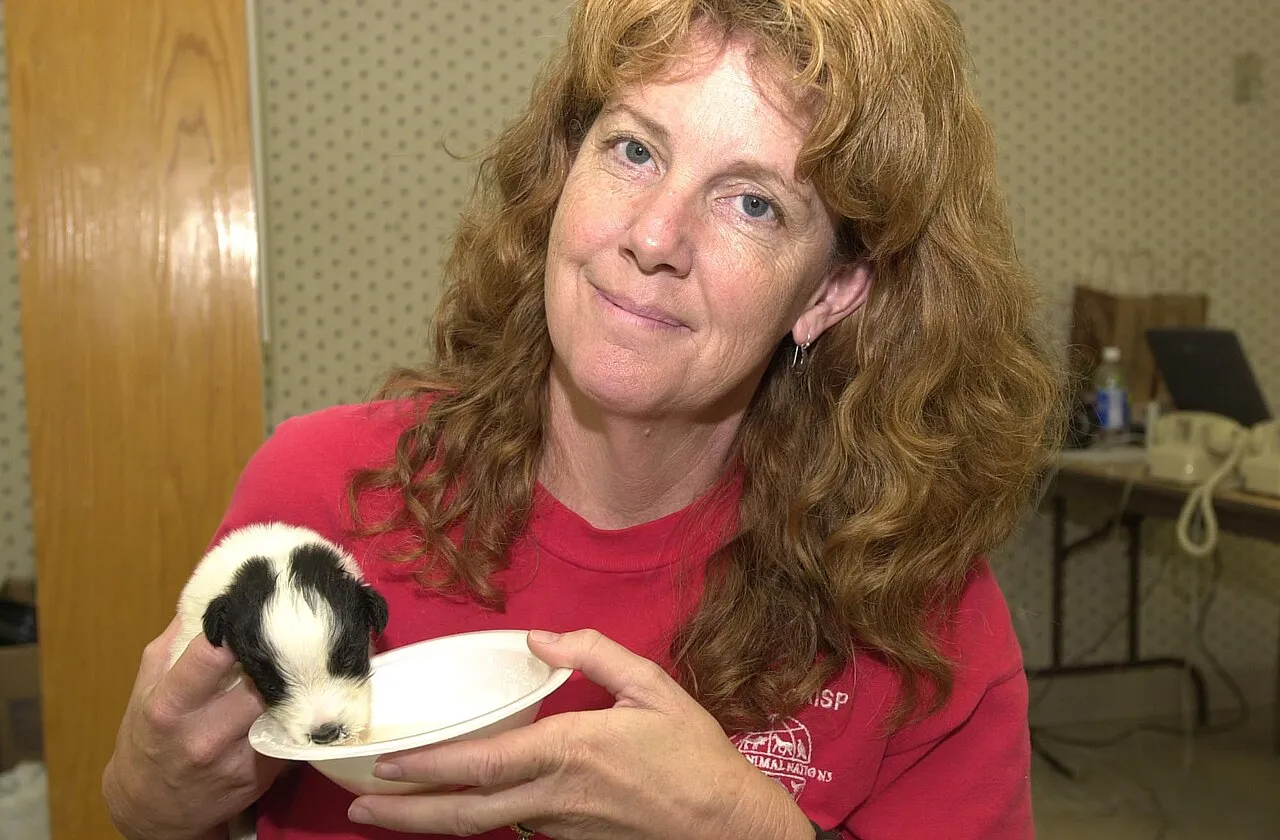
- Weaning. Puppies start trying soft food while still nursing. See when to wean puppies and when puppies can eat solid food.
- Around 8 weeks. Puppies go home eating puppy food. Keep feeding the same food at first.
- First months. Feed a complete puppy or large breed puppy food in several meals a day.
- Later puppyhood. Reduce meal frequency as your puppy grows. Monitor body condition.
- Adulthood. Switch to adult food at the right age for your puppy’s size.
For more on what puppies can and can’t eat along the way, read can puppies eat adult dog food and what human food puppies can eat. Our puppy development stages guide explains how growth changes over the first two years.
Frequently asked questions
How long should a puppy eat puppy food?
Small breeds usually eat puppy food until around 8 to 12 months, medium breeds until around 12 months, large breeds until around 12 to 15 months, and giant breeds until around 18 to 24 months. Your vet can tailor this to your puppy.
Can a 4 month old puppy eat adult dog food?
It’s generally not recommended. At four months, most puppies are still growing quickly and need a food made for growth. A food labelled for all life stages can be suitable, since it’s formulated to meet growth needs.
What happens if my puppy eats adult dog food by accident?
A few mouthfuls are unlikely to cause harm, though a sudden change may cause a mild stomach upset. Just go back to the usual puppy food. Call your vet if your puppy seems unwell.
Can adult dogs eat puppy food?
An occasional bowl won’t hurt, but long term puppy food usually has more calories than most adult dogs need, which can lead to weight gain.
Should I switch to adult food after neutering?
Not automatically. Neutering can reduce energy needs, so your vet may suggest reducing portions. If your puppy is still growing, it usually stays on a growth formula until it reaches the right age for its size.
How do I know my puppy has stopped growing?
Growth slows and then stops as your puppy approaches its adult size. Track height and weight over a few weeks, and ask your vet to check growth plates and body condition if you’re unsure.
The bottom line
Most puppies switch to adult food when they’re close to their adult size. That’s around 8 to 12 months for small breeds, around 12 months for medium breeds, around 12 to 15 months for large breeds and up to about two years for giants. Change food gradually over a week or more, measure portions to keep your dog lean, and ask your vet if you’re not sure your puppy is ready.
Photo credits
- Golden Retriever puppy lying on gravel outdoors: Photo: Pava, Milano ( IT WIKI ) / Wikimedia Commons, CC BY-SA 3.0 it
- Open bag of dry dog food with a measuring scoop: Photo: Alisha Vargas / Wikimedia Commons, CC BY 2.0
- Black Chihuahua puppy chewing an orange toy: Photo: KNOW MALTA by Peter Grima / Wikimedia Commons, CC BY-SA 2.0
- Six week old Great Dane puppy resting on a blanket in a car: Photo: Marta Pocztarska / Wikimedia Commons, CC BY 2.0
- Adolescent Bernedoodle sitting on a cushion: Photo: Jsinghmpls / Wikimedia Commons, CC BY-SA 4.0
- Blue slow feeder dog bowl with raised ridges: Photo: ELTORO.VET / Wikimedia Commons, CC0
- Woman holding a small black and white puppy eating from a bowl: Photo: Leif Skoogfors / FEMA News Photo / Wikimedia Commons, Public domain
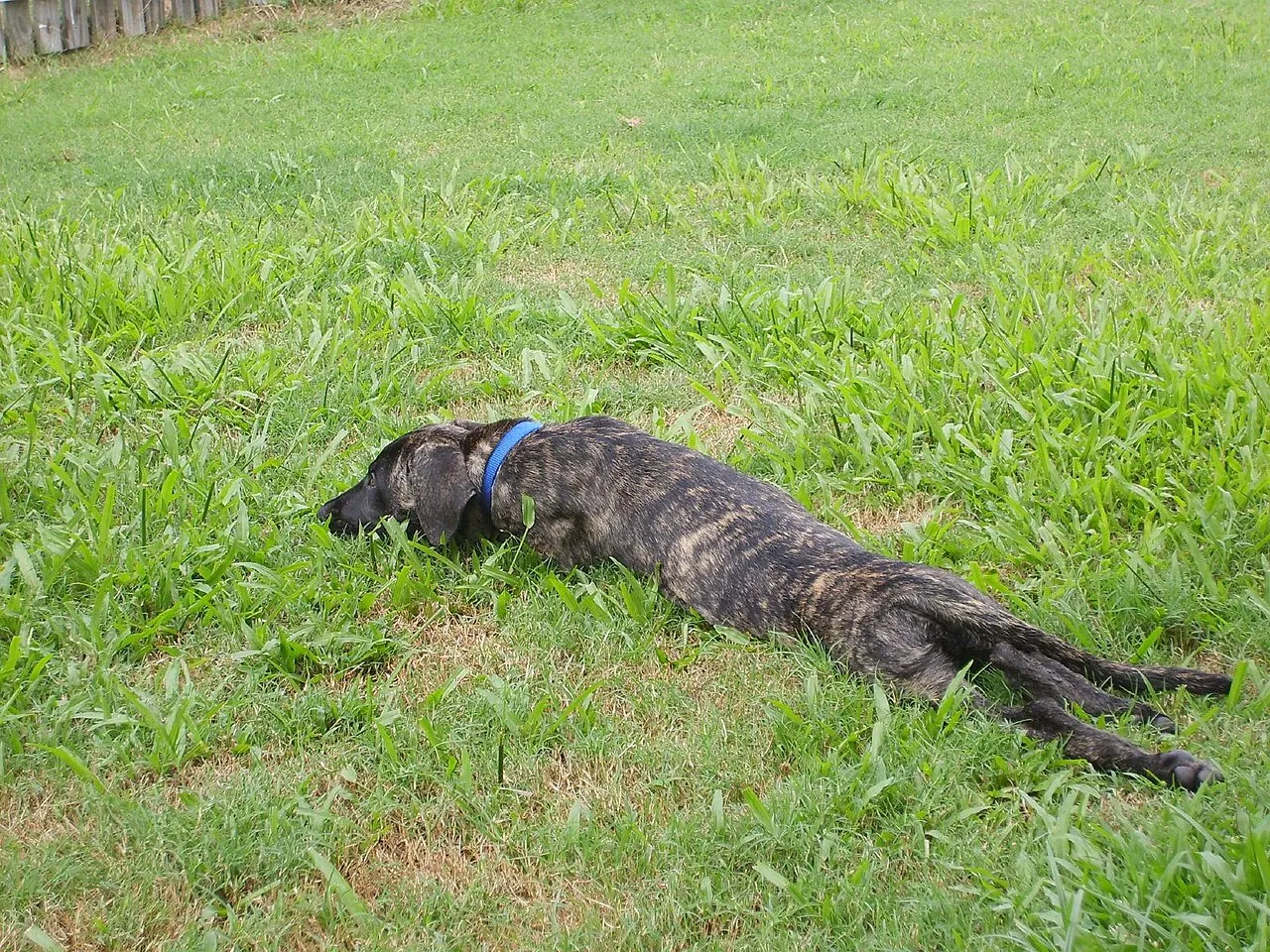
- Brindle Great Dane puppy stretched out on the grass: Photo: Rob and Stephanie Levy / Wikimedia Commons, CC BY 2.0


1 thought on “When to Switch a Puppy to Adult Dog Food: Timeline by Breed Size”
Pingback: How Big Will My Puppy Get? 7 Ways to Estimate