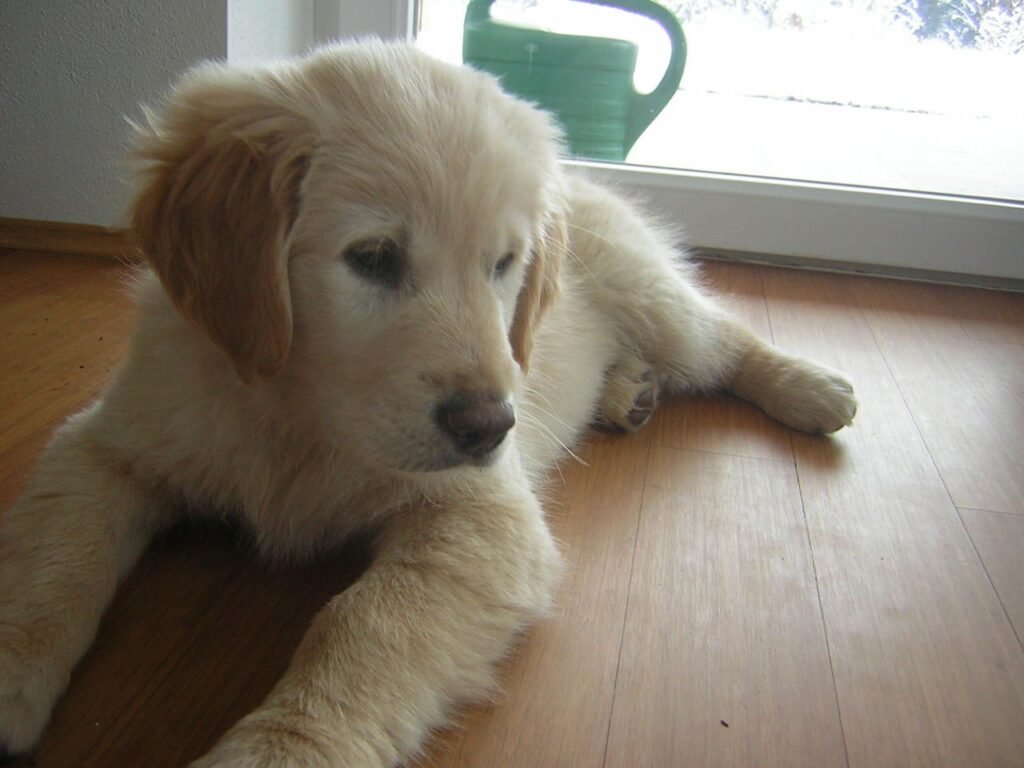
The best dog breeds for first time owners are usually friendly, eager to please and moderate in energy. Labrador Retrievers, Golden Retrievers, Cavalier King Charles Spaniels, Poodles, Bichon Frises, Shih Tzus, Havanese and Boston Terriers top most lists. Still, the right dog depends on your space, schedule, budget and how much grooming you’ll do.
Quick takeaways
- Look for a breed with a friendly temperament, manageable energy and a coat you’re willing to care for.
- Labs and Goldens are great for active families, but they need daily exercise and lots of training as puppies.
- Cavaliers, Bichons, Shih Tzus and Havanese suit smaller homes and calmer routines.
- Every individual dog is different, so meet the parents or the dog itself whenever you can.
- Adult dogs and mixed breeds from shelters can be a great first dog, since their personality is already known.
In this guide
- What makes a dog breed good for first-time owners?
- Best dog breeds for first time owners at a glance
- Which big dog breeds are best for beginners?
- Which small dog breeds are best for first-time owners?
- Best dog breeds for first time owners with kids, cats or apartments
- Which breeds are harder for first-time owners?
- How do I choose the right first dog?
- Frequently asked questions
Choosing your first dog is exciting, and it’s also a big decision. A dog can live 10 to 15 years or longer, so the breed you pick will shape your daily routine for a long time. The good news is that several breeds are known for being forgiving of first-time mistakes, easy to train and happy in a regular family home.

What makes a dog breed good for first-time owners?
Before looking at specific breeds, it helps to know what you’re looking for. Most beginner-friendly dogs share a few traits:
- A friendly, steady temperament. They like people and other dogs and bounce back quickly from new experiences.
- Eagerness to please. Dogs that enjoy working with you pick up house training and basic cues faster.
- Moderate energy. A dog that needs hours of hard exercise every day can be tough to keep up with.
- Manageable grooming. Some coats need daily brushing or regular trips to a groomer, which adds time and money.
- Good general health. Choose a responsible breeder who health tests, or a rescue that shares what it knows.
Keep in mind that breed only gives you odds, not guarantees. Individual dogs vary a lot, and training and socialization matter as much as genetics. The AVMA’s guide to selecting a pet for your family is a good place to start thinking about fit.
Best dog breeds for first time owners at a glance
Adult weights below are typical ranges from the American Kennel Club breed standards and pages. Individual dogs can fall outside them.
| Breed | Typical adult weight | Energy | Grooming |
|---|---|---|---|
| Labrador Retriever | 55 to 80 lb | High | Weekly brushing, heavy seasonal shedding |
| Golden Retriever | 55 to 75 lb | High | Brushing a few times a week |
| Standard Poodle | 40 to 70 lb | Medium to high | Regular clipping, low shedding |
| Cavalier King Charles Spaniel | 13 to 18 lb | Medium | Brushing a few times a week |
| Bichon Frise | 12 to 18 lb | Medium | Regular grooming, low shedding |
| Shih Tzu | 9 to 16 lb | Low to medium | Daily brushing or a short clip |
| Havanese | 7 to 13 lb | Medium | Regular brushing, low shedding |
| Boston Terrier | 12 to 25 lb | Medium | Minimal |
| Greyhound (retired racer) | 60 to 70 lb | Low indoors | Minimal |
Which big dog breeds are best for beginners?
Labrador Retriever
Labs are friendly with almost everyone and love to learn, which makes them a favorite for families. They’re also strong, busy puppies who chew everything and need a lot of exercise. Plan on daily walks, games of fetch and early training so your Lab doesn’t drag you down the street. Our Labrador puppy guide covers the first year. The AKC’s Labrador Retriever page is a good overview too.
Golden Retriever
Goldens are gentle, people-loving and very trainable. They do best with families who want a dog involved in everything. Expect shedding and a long puppy phase full of energy. Like Labs, they need daily exercise and things to do. See the AKC’s Golden Retriever page for more on temperament and care.
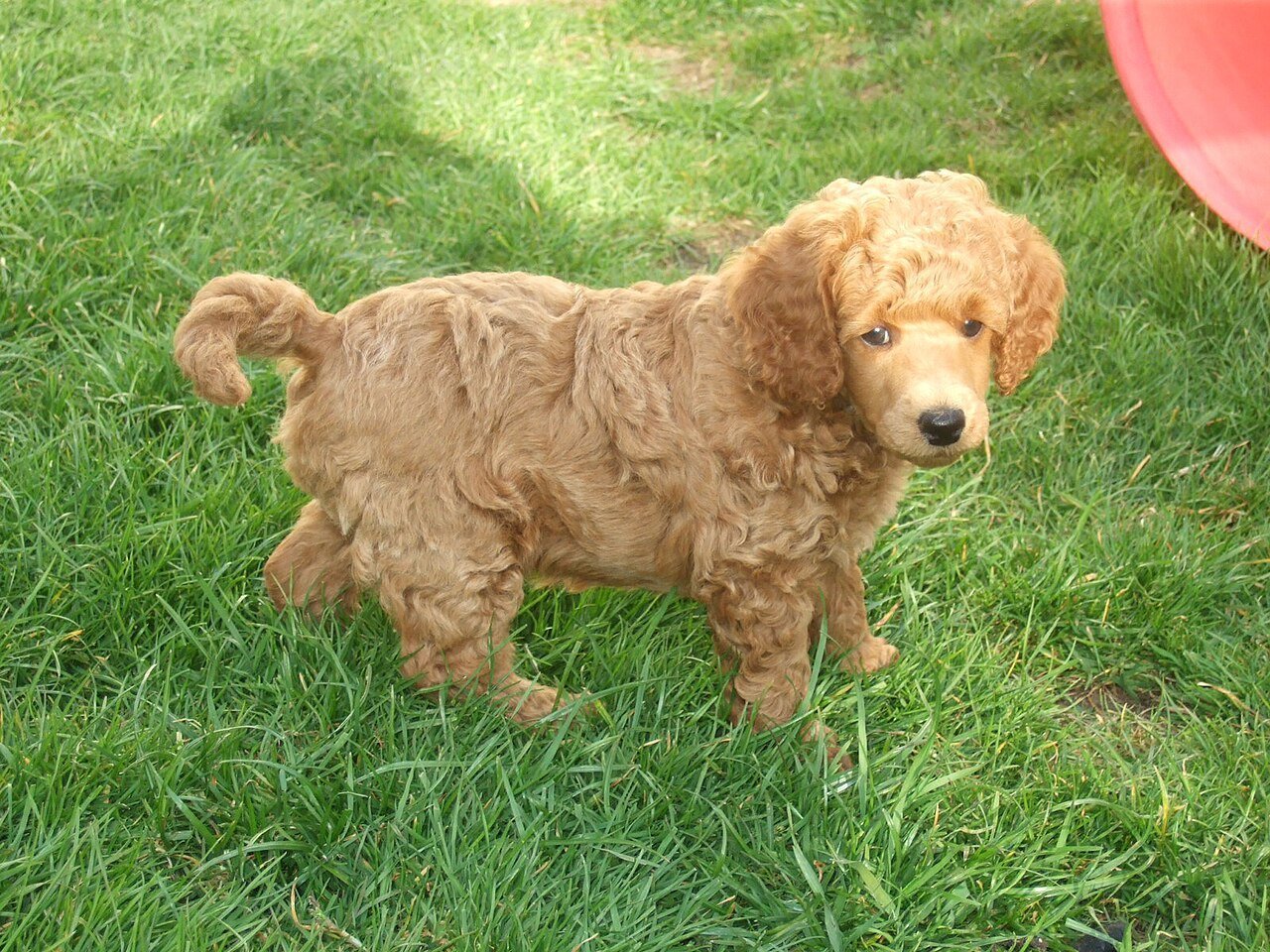
Standard Poodle
Poodles are smart, athletic and less likely to leave hair on your couch. That smart brain needs work, though. Training games and walks keep them happy. Their coat keeps growing, so budget for regular grooming every several weeks.
Retired racing Greyhound
This one surprises people. Many retired racers are calm, quiet dogs indoors who sleep much of the day. They do need a securely fenced area to run, since they’re fast and may chase small animals. Adopting an adult Greyhound also skips the puppy stage, which many first-time owners appreciate.
Which small dog breeds are best for first-time owners?
Cavalier King Charles Spaniel
Cavaliers are affectionate, adaptable and usually good with kids and other pets. They’re happy with a couple of walks and plenty of lap time. Ask breeders about heart and eye health testing, since the breed is prone to certain inherited problems.
Bichon Frise
Bichons are cheerful and playful, and their coat sheds less than many breeds. They need regular grooming to prevent mats. Some can be slow to house train, so a steady routine helps.
Shih Tzu
Shih Tzus were bred as companions, and it shows. They’re happy with short walks and lots of time with their people. Their long coat needs daily brushing, or you can keep it in a short “puppy cut.” Like other flat-faced breeds, they can struggle in heat, so keep them cool in summer.

Havanese
The Havanese is a small, sturdy, social dog that adapts well to apartments and houses alike. They tend to be easy to train with treats and praise. They don’t like being left alone for long, so they suit homes where someone is around much of the day.
Boston Terrier
Boston Terriers are compact, funny and low maintenance on the grooming side. They’re playful but not overly demanding. As a short-nosed breed, they need care in hot weather and during exercise.
Best dog breeds for first time owners with kids, cats or apartments
Your home setup can narrow the list fast.
- With kids: Labs, Goldens and Cavaliers are known for patience. Supervise all play, and teach kids to let a resting dog rest. Our list of best dog breeds for kids goes deeper.
- With cats: Many Cavaliers, Bichons and Havanese live happily with cats. Breeds with a strong chase drive, including some Greyhounds, need careful introductions. Shelters often cat-test adult dogs, which is a big help.
- In apartments: Smaller, quieter dogs tend to fit best, but energy matters more than size. See our best dog breeds for apartments list.
- With allergies: No breed is truly hypoallergenic. Lower-shedding breeds such as Poodles and Bichons may bother some people less. Spend time around the breed before you commit, and read our guide to dog breeds for allergies.
Which breeds are harder for first-time owners?
Some wonderful breeds are just a lot for a beginner. Working and herding breeds like Border Collies, Belgian Malinois and Australian Cattle Dogs were bred to work all day and can get frustrated in a quiet home. Strong-willed guardian breeds and very independent hunting breeds can also be harder to train. That doesn’t mean you can’t own one. It means you should go in with a plan, a trainer and plenty of time.

How do I choose the right first dog?
Answer these questions before you start looking:
- How many hours a day will the dog be alone?
- How much time can you spend on walks, play and training?
- How much grooming are you willing to do, or pay for?
- Do you rent, and does your lease have breed or weight limits?
- Who else lives with you, including kids, older adults and other pets?
Then meet dogs in person. If you’re buying a puppy, meet the mother and ask about health testing. If you’re adopting, ask the shelter about the dog’s history and behavior. Adult dogs and mixed breeds often make excellent first dogs because what you see is what you get. The ASPCA’s adoption page is a good starting point for searching near you.
Once you’ve chosen, our guide on how to take care of a puppy walks you through the first year.
Frequently asked questions
What are good dog breeds for first time owners?
Breeds known for being friendly, adaptable and easy to train usually work best. Popular picks include the Labrador Retriever, Golden Retriever, Cavalier King Charles Spaniel, Poodle, Bichon Frise, Shih Tzu, Havanese and Boston Terrier. A calm adult mixed-breed dog from a shelter can be just as good a choice.
What is the best big dog breed for first time owners?
The Labrador Retriever and Golden Retriever are the most common recommendations. Both are friendly, social and very trainable. Standard Poodles are another good option if you want a larger dog that sheds less. Retired racing Greyhounds also surprise many people by being calm couch dogs indoors.
What is the best dog breeds for first time owners?
There isn’t a single best breed for everyone. The best fit is a dog whose size, energy level and grooming needs match your daily life. Start by being honest about how much time you have for walks, training and brushing, then narrow your list from there.
What is a good dog breed for first time owners?
A good first dog is usually people-focused, not too stubborn and not extremely high energy. Cavalier King Charles Spaniels are a common pick for smaller homes, while Labs fit active households. Avoid choosing on looks alone. Breeds bred for herding, guarding or hunting all day can be a lot for a beginner.
Vet note: This article is general information and is not a substitute for advice from your own veterinarian. If your puppy is having trouble breathing, collapses, has a seizure or may have eaten something toxic, call your vet or the nearest emergency animal hospital right away. ASPCA Animal Poison Control: 888-426-4435 (a fee may apply).
