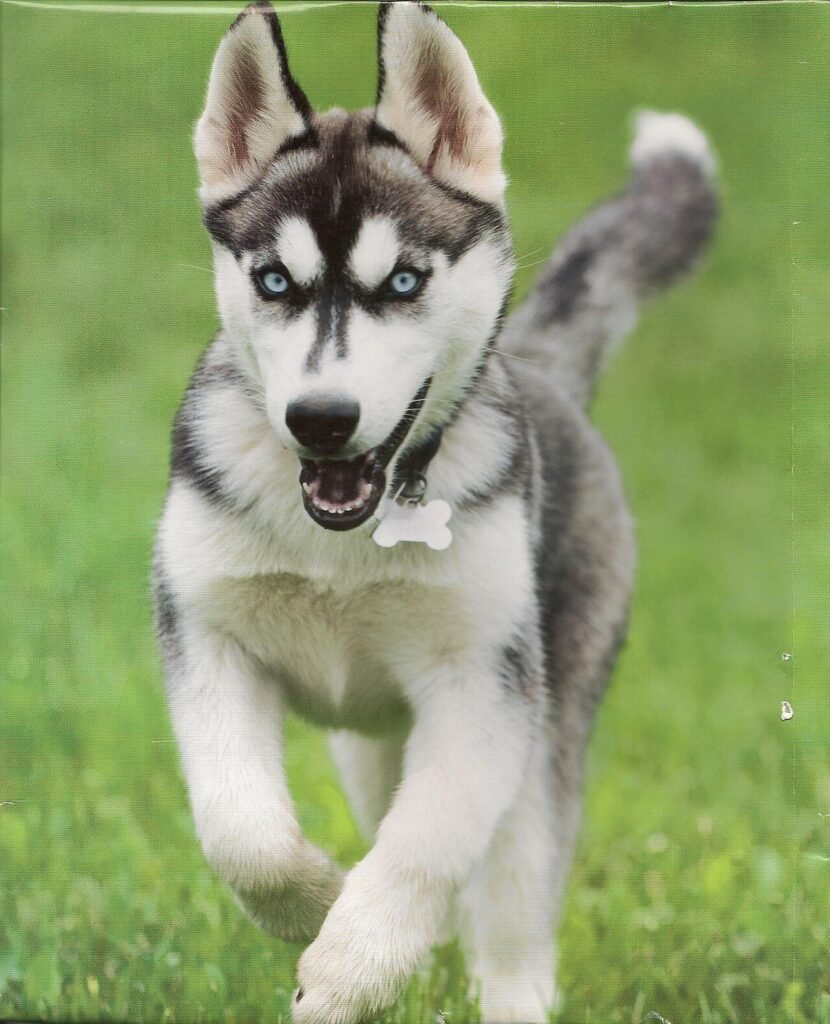
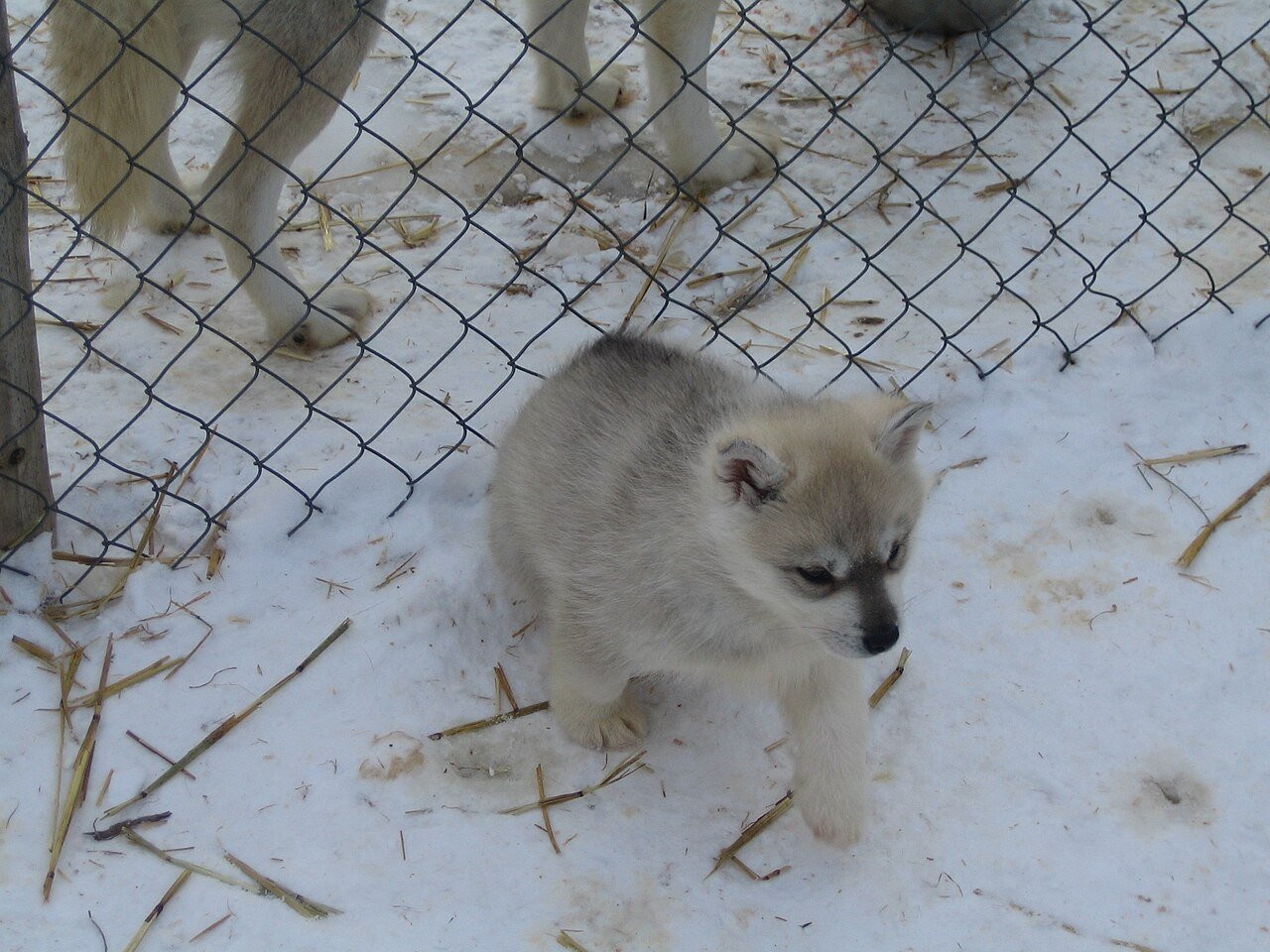
A husky puppy is a friendly, high-energy sled dog in a small package. Siberian Huskies grow to about 35 to 60 pounds, live 12 to 14 years, shed heavily twice a year and love to run. Plan on daily exercise, a secure fence, a leash at all times and early, reward-based training.
Quick takeaways
- Adult Siberian Huskies stand about 20 to 23.5 inches tall and weigh roughly 35 to 60 pounds, per the AKC breed standard.
- Huskies were bred to run, so most should never be off leash outside a securely fenced area.
- They’re social dogs and don’t do well left alone all day.
- Expect a big coat blow twice a year and weekly brushing the rest of the time.
- Feed a complete puppy food and measure meals; Huskies tend to need less food than you’d guess for their size.
In this guide
- What is a Siberian Husky like as a puppy?
- How much exercise does a husky puppy need?
- Why huskies need a leash and a tall fence
- How do you train a husky puppy?
- What should a husky puppy eat?
- How much do huskies shed?
- Is cold weather safe for a husky puppy?
- Is a husky puppy right for you?
- Frequently asked questions
Huskies are gorgeous, funny and full of opinions. They’re also one of the breeds people most often underestimate. Before you bring a husky puppy home, it helps to know what the breed was built for: pulling light loads over long distances in deep cold. That history explains nearly everything about living with one, from the running to the shedding to the howling. Size and lifespan figures here come from the AKC’s Siberian Husky breed page.
What is a Siberian Husky like as a puppy?
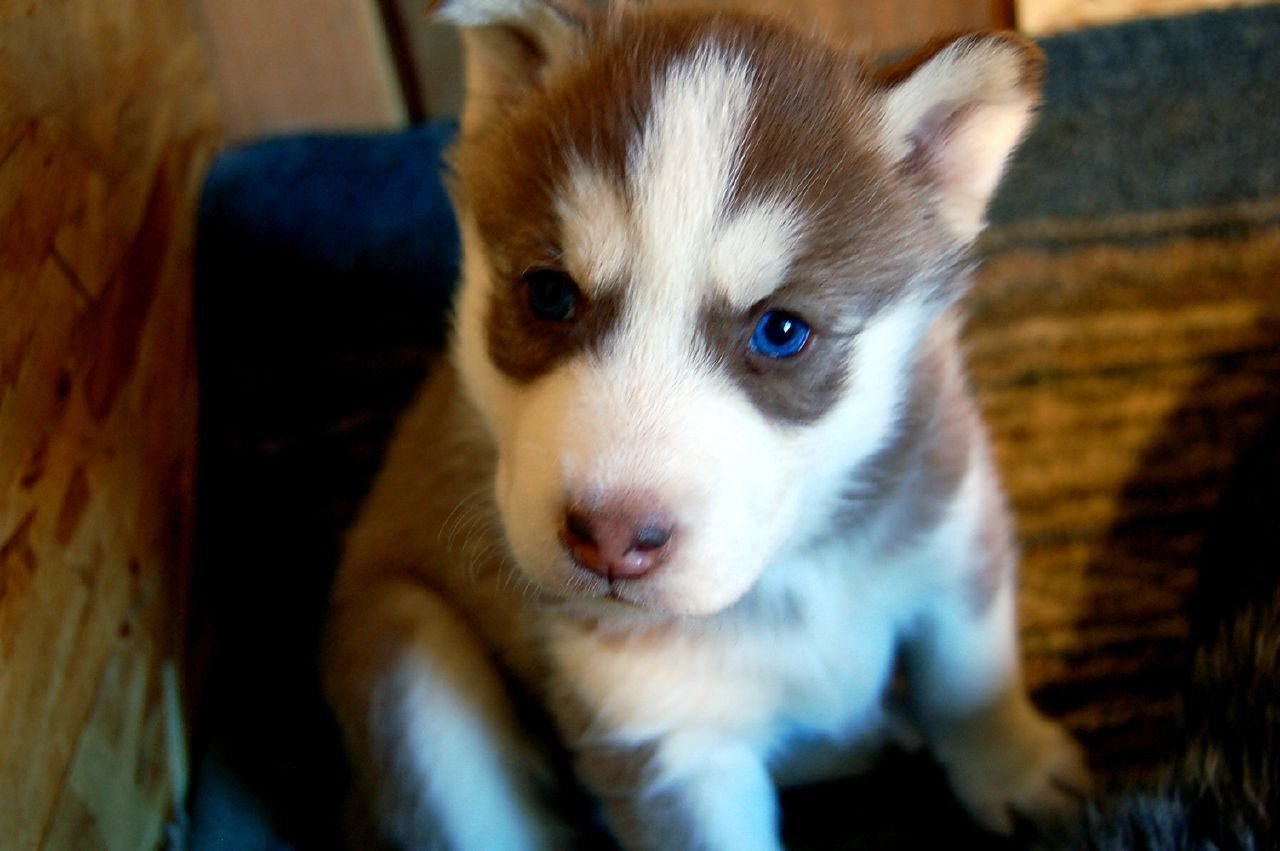
Most husky puppies are friendly with everyone, including strangers, which makes them poor guard dogs and great party guests. They’re curious, quick and a little mischievous. They also tend to talk. Expect “woo-woo” noises and howling more than barking.
Here’s what you’re signing up for:
| Trait | What to expect |
|---|---|
| Adult height | About 21 to 23.5 inches (males), 20 to 22 inches (females) |
| Adult weight | About 45 to 60 pounds (males), 35 to 50 pounds (females) |
| Life expectancy | 12 to 14 years |
| Energy | High; built for endurance |
| Coat | Double coat that sheds heavily twice a year |
| Alone time | Not suited to being left alone all day |
If you’re still deciding whether this is the right first dog, our guide to the best dog breeds for first-time owners compares easier starter breeds.
How much exercise does a husky puppy need?
Adult Huskies need a lot of daily activity. Puppies need it too, but in shorter pieces. Young joints are still growing, so skip long runs, jogging next to a bike and repeated jumping until your vet says your dog’s growth plates have closed.
Good outlets for a young husky:
- Several short walks a day on a harness or flat collar
- Free play in a fenced yard
- Sniffing games, food puzzles and short training sessions
- Supervised play with calm, vaccinated adult dogs
A tired husky is a polite husky. A bored one digs, chews and looks for a way out.
Why huskies need a leash and a tall fence
The AKC is blunt about this: Siberians have an overwhelming desire to run and should be on leash or in a securely fenced area at all times. Even well-trained Huskies may take off after a squirrel or just because the road looks interesting, and they can cover a lot of ground fast.
Before your puppy comes home, check your yard for gaps under the fence, loose boards and anything your puppy could climb. Many Husky owners add dig guards along the bottom of the fence. Keep a microchip registered with your current phone number and an ID tag on the collar, because escapes happen to careful owners too.
How do you train a husky puppy?
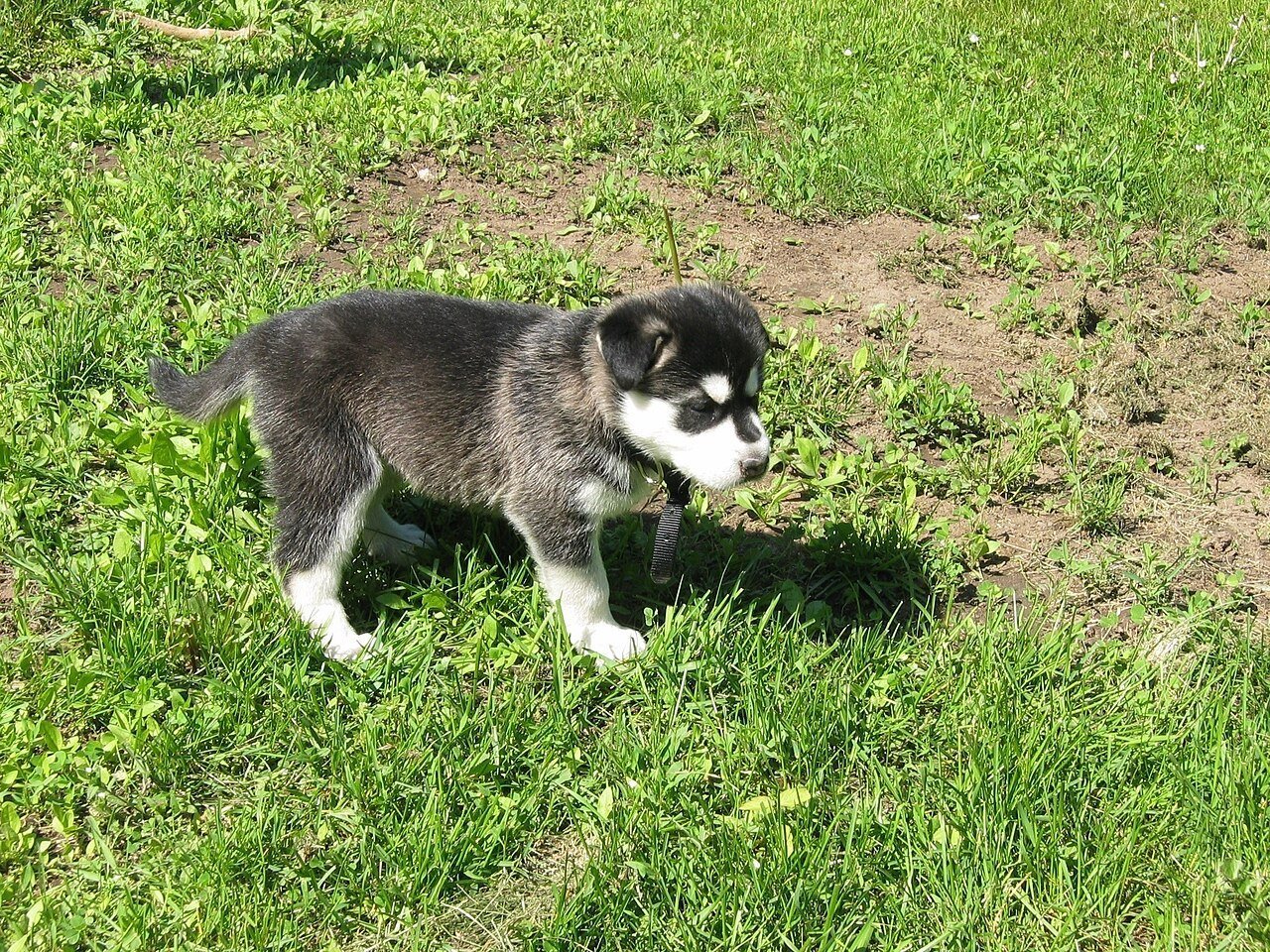
Huskies are smart and learn fast, but they weren’t bred to wait for instructions. Sled dogs had to think for themselves. That’s why they can seem stubborn when they’re really asking, “What’s in it for me?”
What works:
- Short sessions. Three to five minutes, a few times a day.
- Food rewards. Small, soft treats your puppy loves, or part of each meal.
- Name, sit, come and loose-leash walking first. Practice indoors, then in the yard, then on quiet walks.
- Crate and alone-time practice. Start with a few minutes so your puppy learns that you always come back.
- A puppy class. Practice around other dogs and people is hard to set up on your own.
Harsh corrections tend to backfire with this breed. Keep it fun, end on a win and come back later.
What should a husky puppy eat?
Choose a complete and balanced puppy food with a growth or all-life-stages statement on the label. Feed measured meals, usually three a day until around six months and two a day after that. The AKC points out that Huskies were bred to work hard on little food and often keep a healthy weight on less than other breeds their size. Use the feeding chart on the bag as a starting point, then adjust so you can feel your puppy’s ribs under a thin layer of padding.
Treats should stay small, about 10 percent of daily calories at most. Ask your vet before adding supplements.
How much do huskies shed?
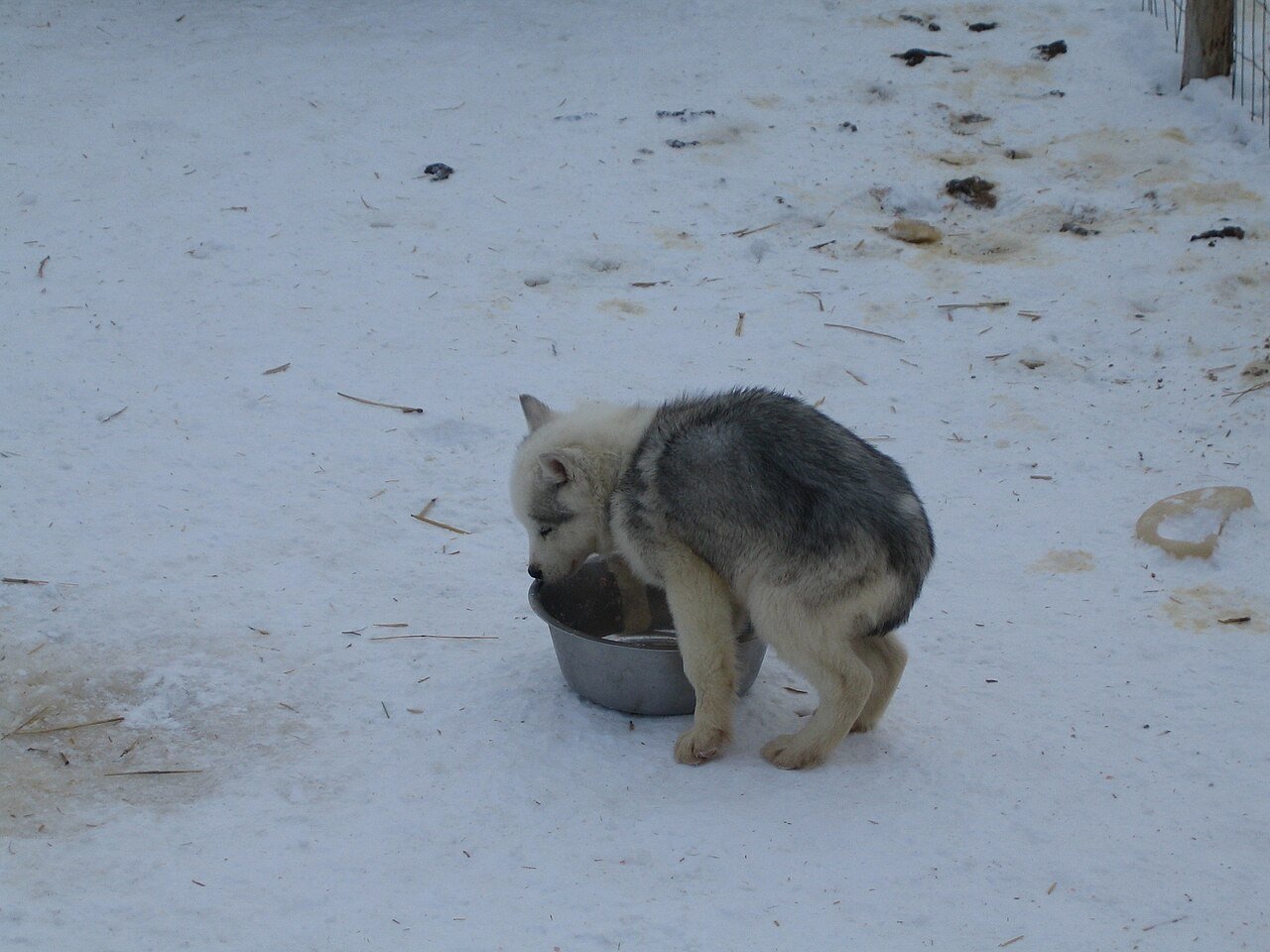
A lot. Huskies have a double coat: a soft, dense undercoat and longer guard hairs on top. They shed some year-round and “blow” the undercoat about twice a year, when it comes out in clumps for a few weeks.
- Brush once a week most of the year, and every day or two during a coat blow.
- An undercoat rake or pin brush plus a metal comb works well.
- Baths are only needed a few times a year. Huskies are naturally clean and have little body odor.
- Never shave a husky to keep it cool. The double coat helps insulate against heat as well as cold.
Trim nails every few weeks and start handling paws and ears early so grooming stays easy.
Is cold weather safe for a husky puppy?
Adult Huskies handle cold well, which is why many owners in Minnesota, Colorado and New England love them. Puppies are a different story. They’re smaller, still growing their full coat and lose heat faster.
- Keep winter outings short at first and watch for shivering or lifting paws.
- Wipe paws after walks to remove ice melt and road salt.
- Your puppy should live indoors with the family, with outdoor time as an activity, not a home.
Heat is the bigger risk for the breed. On warm days, exercise early or late, offer shade and water, and stop if your puppy is panting hard.
Is a husky puppy right for you?
A husky can be a wonderful dog for an active household that likes being outdoors, has a secure yard and can give the dog company most of the day. It’s a tougher fit if you want an off-leash hiking partner, a quiet apartment dog or a dog that’s fine alone for nine hours. If you love the look but aren’t sure about the energy level, spend time with adult Huskies through a local breed club or rescue before deciding. You might also compare a more biddable breed, like a golden retriever puppy or a smaller cavapoo puppy.
Rescue and adoption
Many Huskies end up in shelters when owners realize how much exercise and supervision they need. Breed rescues often know each dog’s history, energy level and whether it’s escaped before, which makes matching easier. A young adult from rescue can be a good option if you’d rather skip the chewing stage.
Frequently asked questions
How do you train a husky puppy?
Use short, upbeat sessions with food rewards, a few minutes at a time, several times a day. Start with name recognition, sit, come and loose-leash walking. Huskies get bored with repetition, so keep it playful and stop before your puppy loses interest. A puppy class helps with manners around other dogs.
What is a husky puppy’s price?
Prices vary a lot by region, breeder and pedigree, so ask several breeders for a written quote and what it includes. Adoption fees at shelters and Husky rescues are usually much lower. Be wary of very cheap online listings and anyone who won’t let you meet the mother.
What do husky puppies eat?
A complete and balanced puppy food labeled for growth, fed in measured meals three times a day at first and twice a day later. The AKC notes that Huskies keep a healthy weight on less food than many breeds their size, so use the bag as a starting point and adjust to your puppy’s body shape.
Do husky puppies’ ears stand up?
Yes. Siberian Huskies have upright ears as adults, and many puppies’ ears are already standing by the time they go home. Ears can flop or tilt for a while during teething. If one ear still isn’t up by the time adult teeth are in, mention it at your next vet visit.
Will my husky puppy change color?
Often a little. The puppy coat is replaced by the adult double coat over the first year, and markings can look lighter or darker once it comes in. Eye color can also shift in the first few months before it settles.
Vet note: This article is general information and is not a substitute for advice from your own veterinarian. If your puppy is having trouble breathing, collapses, has a seizure or may have eaten something toxic, call your vet or the nearest emergency animal hospital right away. ASPCA Animal Poison Control: 888-426-4435 (a fee may apply).
