
Here’s how to socialize a puppy: give them short, positive experiences with many people, gentle vaccinated dogs, sounds, surfaces and places during the first three months, while avoiding dog parks and high-traffic dog areas. The American Veterinary Society of Animal Behavior says socialization should start before vaccines are complete, with sensible precautions.
Quick takeaways
- The first three months are the prime window for socialization.
- Veterinary behaviorists recommend socializing before vaccines are complete.
- Puppy classes can start as early as 7 to 8 weeks with basic precautions.
- Avoid dog parks and areas used by dogs of unknown health.
- Quality matters more than quantity. Watch for signs of fear and go slower.
In this guide
- What is puppy socialization?
- When should I start socializing my puppy?
- How do I socialize a puppy before full vaccination?
- How do I socialize a puppy with people?
- How do I socialize a puppy with other dogs?
- How do I socialize a puppy with cats?
- What should be on a puppy socialization checklist?
- How do I know if my puppy is scared?
- How do I socialize a puppy in the winter?
- What comes after the socialization window?
- Frequently asked questions
Socialization is one of the most important things you’ll do for your puppy, and the clock is ticking. The experiences your puppy has in the first few months shape how they’ll feel about people, other animals and the world for the rest of their life. Here’s how to do it well and safely, even before vaccines are finished.
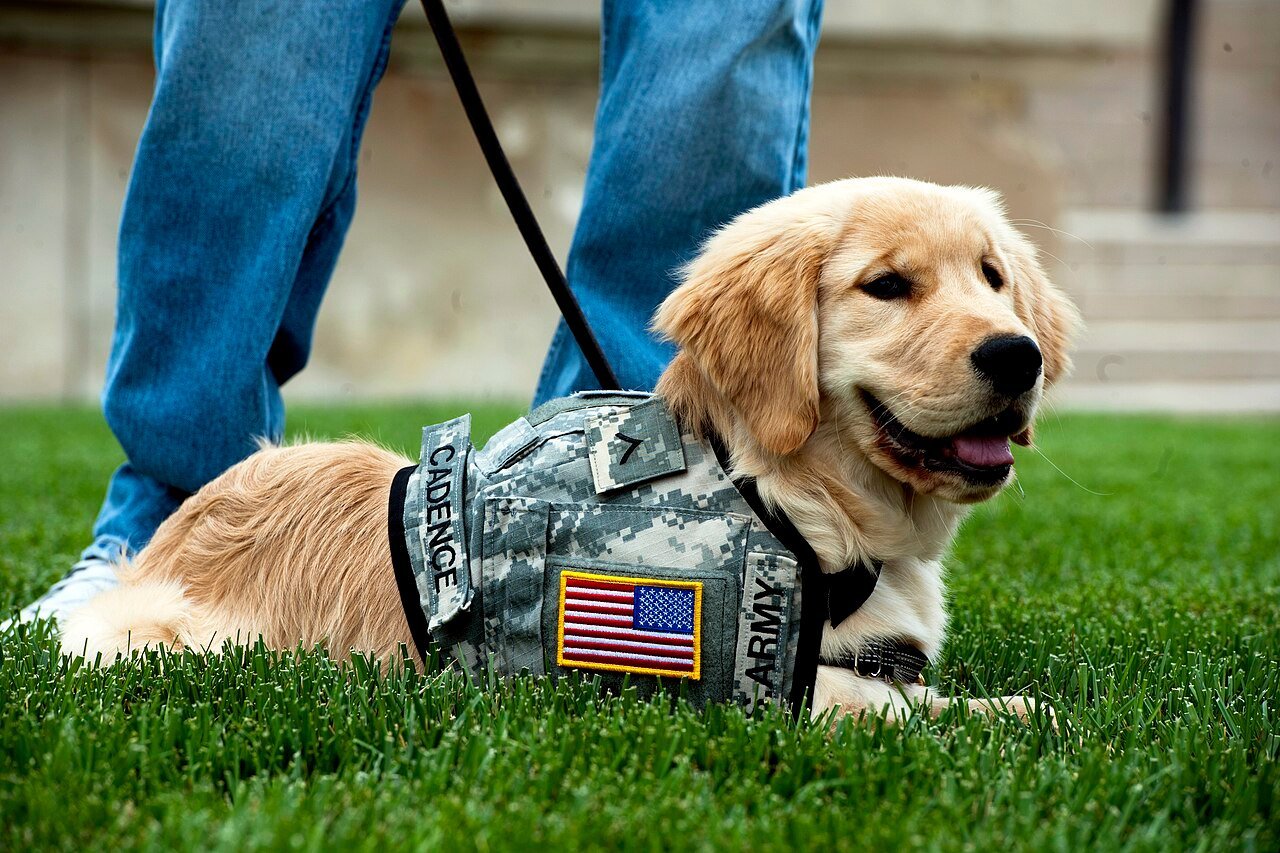
What is puppy socialization?
Socialization means helping your puppy have calm, positive experiences with the things they’ll meet in life: people, dogs, other animals, sounds, surfaces, places and handling. The goal isn’t to make your puppy meet everyone. It’s to help them feel safe and curious instead of scared.
When should I start socializing my puppy?
Now. The American Veterinary Society of Animal Behavior (AVSAB) explains in its puppy socialization position statement that the first three months of life are the primary window, when puppies’ sociability outweighs fear. VCA Animal Hospitals’ guide on socialization and fear prevention describes the most sensitive period as about 3 to 16 weeks.
Since most puppies come home around 8 weeks, you have only a couple of months to make the most of this window.
How do I socialize a puppy before full vaccination?
This is the question that worries most new owners. AVSAB states that socialization before vaccines are complete should be the standard of care, because behavior problems are a leading reason dogs are surrendered to shelters. It also notes that the combination of maternal immunity, early vaccines and sensible care keeps infection risk relatively low.
Safe ways to socialize before vaccines are done:
- Carry your puppy or use a wagon or stroller in stores, outdoor cafes and busy sidewalks.
- Invite people over. Ask a variety of friends to visit and offer treats.
- Host puppy playdates with healthy, vaccinated, gentle adult dogs you know.
- Sit and watch. Park on a bench outside a school pickup line, a shopping center or a train station and let your puppy take it in.
- Join a puppy class. AVSAB says classes can start as early as 7 to 8 weeks if puppies have had at least one set of vaccines at least 7 days before class and a first deworming.
What to avoid: dog parks and other areas that aren’t cleaned and are used by lots of dogs of unknown vaccine or health status. Our puppy parvo symptoms guide explains why.
How do I socialize a puppy with people?
Aim for variety, and let your puppy set the pace.
- Men, women and kids of different ages
- People with hats, hoods, sunglasses, beards, umbrellas or backpacks
- People using canes, walkers, wheelchairs or strollers
- Delivery drivers and visitors at the door
Ask people to crouch sideways, let your puppy approach and offer a treat. If your puppy hangs back, let them watch from a distance and reward calm behavior. Children should always be supervised and taught to be gentle.
How do I socialize a puppy with other dogs?
Choose dogs who are healthy, vaccinated and known to be patient with puppies. A calm adult dog can teach your puppy good manners. Keep sessions short and interrupt rough play with a break. Puppy classes give your puppy safe practice with other puppies of similar age.
How do I socialize a puppy with cats?
Go slowly and protect the cat’s comfort.
- Keep your puppy on a leash or behind a baby gate at first.
- Reward your puppy for looking at the cat calmly and then looking back at you.
- Make sure the cat has high perches and escape routes.
- Never let your puppy chase the cat, even in play.
Our step-by-step guide to introducing a puppy and a cat walks you through the process.

What should be on a puppy socialization checklist?
| Category | Ideas |
|---|---|
| Sounds | Doorbell, vacuum, thunder recordings, traffic, kids playing, fireworks recordings at low volume |
| Surfaces | Grass, gravel, tile, carpet, metal grates, wobbly cushions, wet ground |
| Places | Car rides, a vet clinic “happy visit,” dog-friendly stores, outdoor cafes |
| Handling | Paws, ears, mouth, collar grabs, brushing, nail trims |
| Objects | Umbrellas, bikes, skateboards, shopping carts, trash cans |
| Animals | Calm vaccinated dogs, cats, and (safely) farm animals or birds |
Pair each new experience with treats or play. Start at a low intensity, like a quiet sound or a distant view, and increase only when your puppy stays relaxed.
How do I know if my puppy is scared?
Watch body language. Signs of fear or stress include a tucked tail, ears pinned back, lip licking, yawning, turning away, freezing, trying to hide or refusing treats. If you see these, create more distance, lower the intensity and try again later. Forcing a scared puppy to “face their fears” can backfire.
Some puppies go through short phases where they seem more cautious. That’s normal. Keep things positive and patient.
How do I socialize a puppy in the winter?
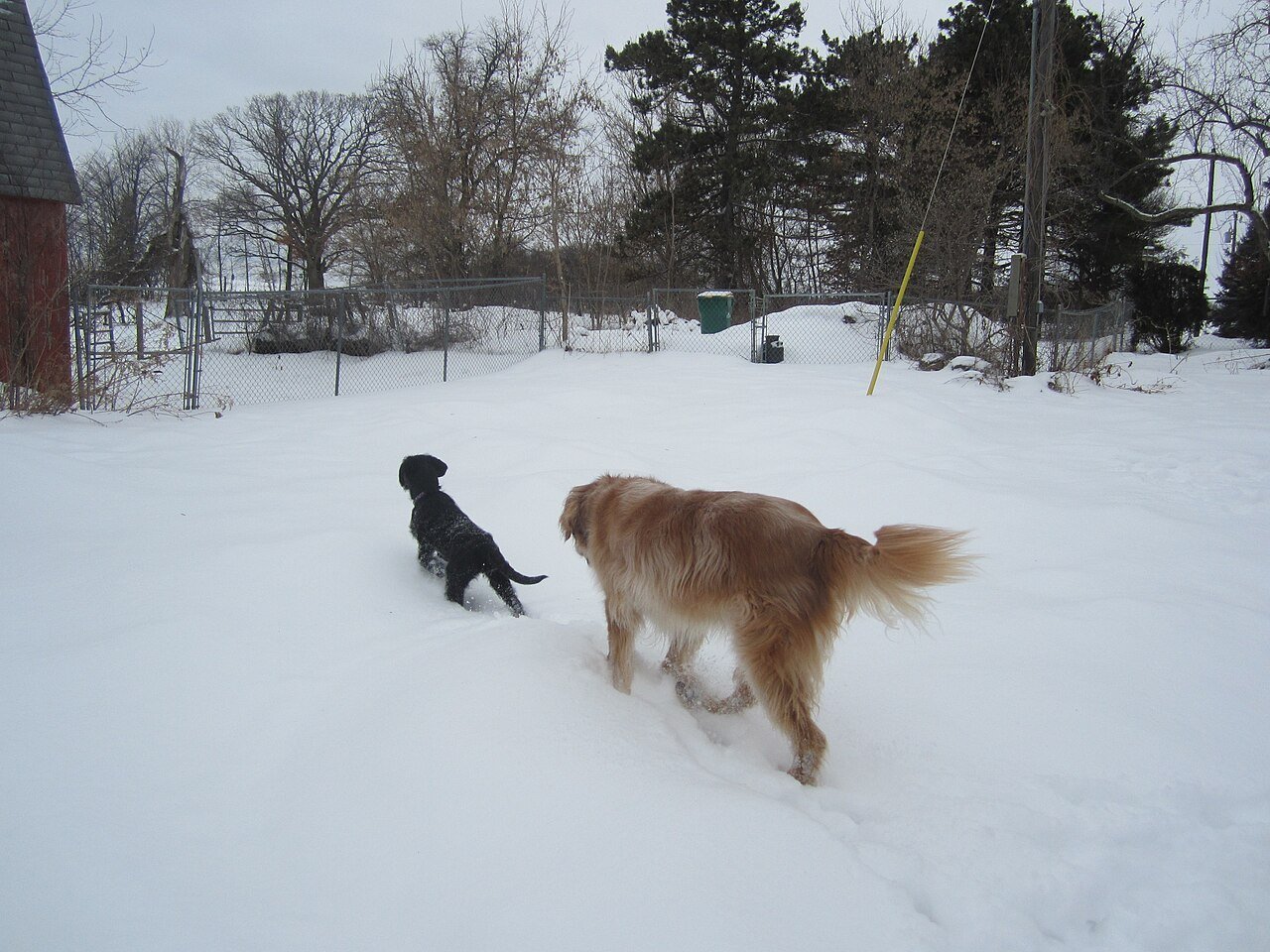
Cold weather makes outings harder, but you can bring the world inside: host visitors, build indoor obstacle courses, play sound recordings and take short car trips to dog-friendly stores. Our guide to socializing a puppy in the winter has more ideas, and our puppy cold weather tips cover safety outside.
What comes after the socialization window?
AVSAB encourages owners to keep socializing after three months, too. Keep up the new experiences, add basic training and stay consistent. Our guide on how to train a puppy covers the next steps. If you work long hours, see our tips on potty training a puppy when you work so socialization and training fit your schedule.
Frequently asked questions
How do you socialize a puppy before it’s fully vaccinated?
Invite healthy, vaccinated dogs and new people to your home, carry your puppy in public places, sit outside stores and parks to watch the world, and join a puppy class that requires vaccine records and cleans its floors. Skip dog parks and pet store floors.
How do you socialize a puppy before vaccinations?
Start at home. Play recordings of everyday sounds at low volume, let your puppy explore different surfaces and practice gentle handling. Have friends of different ages visit. AVSAB says puppies can start classes at 7 to 8 weeks once they’ve had at least one set of vaccines a week before and a first deworming.
How do you socialize a puppy with people?
Let your puppy meet a variety of calm people, including men, women, kids, people with hats, beards or glasses, and people using canes or wheelchairs. Ask them to crouch, let your puppy approach and offer a treat. Never force a greeting.
How do you socialize a puppy with cats?
Introduce them slowly. Keep the puppy on a leash or behind a gate, reward calm looks at the cat and make sure the cat always has an escape route and high places. Short, positive sessions over days or weeks work best.
How do you socialize a puppy in the winter?
Bring the world indoors. Invite visitors, set up obstacle courses with different surfaces, play sound recordings and take short, warm trips to dog-friendly stores where you can carry your puppy. Indoor puppy classes are a great option in cold weather.
Vet note: This article is general information and is not a substitute for advice from your own veterinarian. If your puppy is having trouble breathing, collapses, has a seizure or may have eaten something toxic, call your vet or the nearest emergency animal hospital right away. ASPCA Animal Poison Control: 888-426-4435 (a fee may apply).
