
Puppy vomiting can come from eating too fast, a food change or swallowing something, but it can also signal parvo, parasites, poisoning or a blockage. One vomit in a bright, playful puppy may be minor. Call your vet right away if your puppy vomits more than once, seems tired, has diarrhea, won’t eat or isn’t fully vaccinated.
Quick takeaways
- One vomit in an otherwise normal puppy can be minor, but puppies get sick fast.
- Repeated vomiting, lethargy, diarrhea or not eating need a vet call.
- Unvaccinated puppies who vomit should be checked for parvo.
- Blood or material that looks like coffee grounds is an emergency.
- Don’t give human medicines unless your vet says to.
In this guide
Hearing your puppy start to heave is enough to make any owner jump off the couch. Puppies vomit for lots of reasons, from gobbling dinner too fast to serious illness. Because puppies are small and can dehydrate quickly, it pays to know which situations can wait and which can’t.
This article is general information. If you’re worried, call your vet.
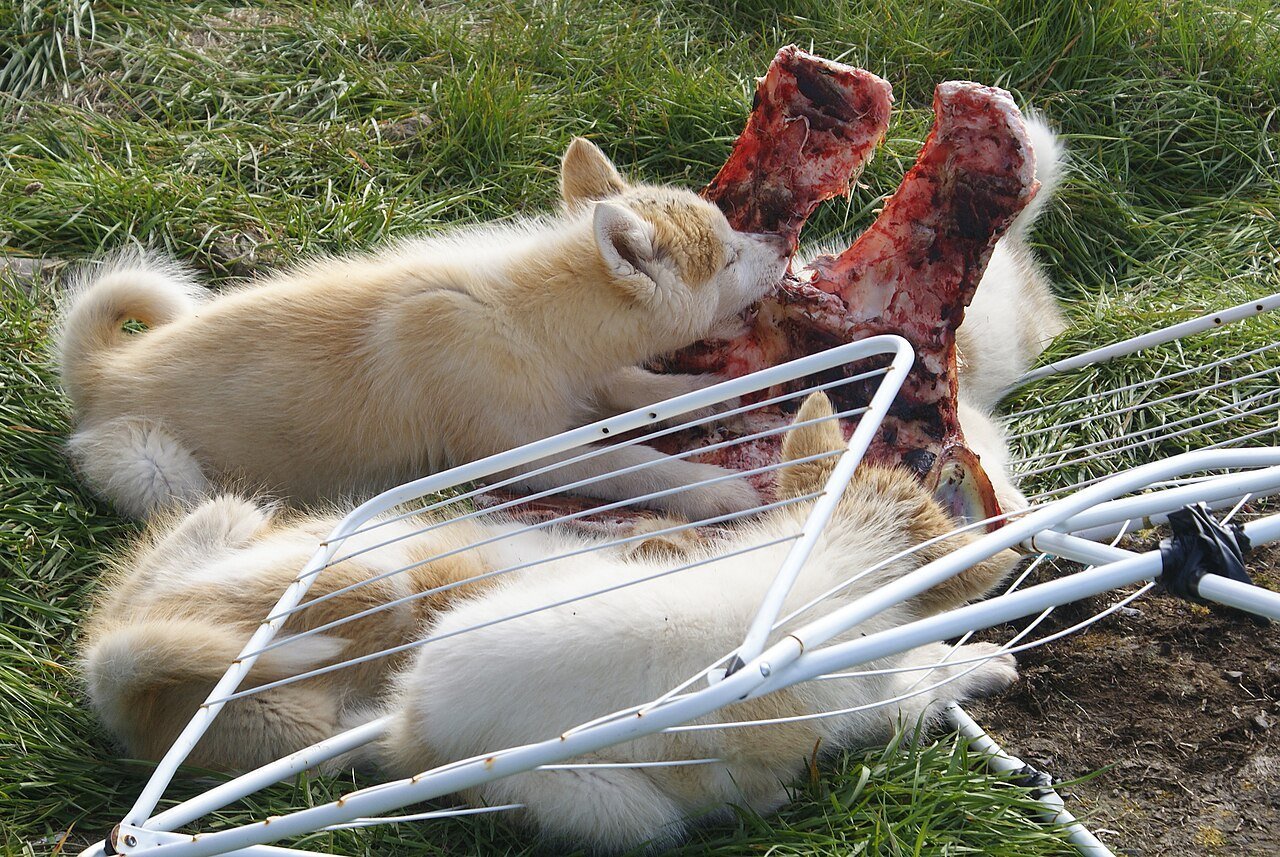
Is it vomiting or regurgitation?
It helps to know the difference, since it points your vet in different directions. VCA Animal Hospitals’ guide to vomiting in dogs explains:
- Vomiting involves effort. You’ll see heaving and belly contractions, and the material comes from the stomach or upper intestine.
- Regurgitation is passive. Food comes back up quickly, often right after eating or drinking, with no warning or heaving.
Take a video if you can. It can help your vet tell what’s going on.
What causes puppy vomiting?
- Eating too fast or too much
- A sudden change in food
- Eating garbage, grass, toys or other non-food items
- Motion sickness during car rides
- Intestinal parasites like roundworms
- Viral infections, especially parvovirus
- Toxins like certain plants, human foods, medicines or antifreeze
- A swallowed object that causes a blockage
Puppies explore with their mouths, so swallowed objects and toxins are common concerns. If you suspect your puppy ate something toxic, call your vet or ASPCA Animal Poison Control at (888) 426-4435 right away. Our article on antifreeze poisoning explains why some exposures can’t wait.
What does the color of puppy vomit mean?
Color can give clues, but it can’t tell you the cause. Use it along with how your puppy is acting.
| What you see | What it may suggest |
|---|---|
| Yellow foam or liquid | Bile, often from an empty stomach |
| White foam | Stomach irritation or air mixed with fluid |
| Clear liquid | Water or stomach fluid, sometimes after drinking quickly |
| Undigested food | Eating too fast, or regurgitation |
| Grass or plant material | Eating plants, which may or may not be safe |
| Red streaks or blood | Irritation or bleeding, needs a vet call |
| Dark material like coffee grounds | Possible digested blood, an emergency |
| Worms | Intestinal parasites, call your vet |
What if my puppy is vomiting but acting normal?
A single episode in a puppy who’s otherwise playful, eating and drinking normally may be minor. VCA notes that many cases of sudden vomiting improve on their own within 24 hours. Still, call your vet for advice, especially with a young puppy, and watch closely for any change.
When is puppy vomiting an emergency?
VCA advises seeking veterinary care immediately if a vomiting dog has any of these signs:
- Fever
- Lethargy
- Loss of appetite
- Belly pain
- Diarrhea
- Dehydration
- Blood in the vomit
- A chance they ate something that could get stuck or is toxic
For puppies, add a few more:
- Vomiting more than once, or unable to keep water down
- Not fully vaccinated
- Swollen or tight belly
- Retching without bringing anything up
Vomiting plus diarrhea in an unvaccinated puppy is a classic sign of parvo. Read our guide to puppy parvo symptoms, and see our article on puppy diarrhea for related red flags.
What should I do if my puppy is vomiting?
- Remove food for now and keep your puppy calm.
- Look at the vomit. Note the color, contents and anything unusual, like pieces of a toy.
- Check for other signs. Energy level, gums, diarrhea, belly pain.
- Call your vet for advice on what to do next.
If your vet agrees it’s mild, they may suggest:
- Small amounts of water at a time
- A short break from food, based on your puppy’s age and size
- Small, frequent meals of a bland diet, such as plain boiled chicken and rice
- A gradual return to regular food over a few days
VCA notes that for vomiting from eating something they shouldn’t, vets may advise withholding food for a short time and then offering a bland, easily digested diet. Don’t fast a young or small puppy without your vet’s guidance, because they can develop low blood sugar. And don’t give human medicines like antacids or anti-nausea drugs unless your vet tells you to.
How will my vet find the cause?
Your vet will ask about diet, vaccines, deworming and anything your puppy might have eaten. Depending on what they find, tests may include a fecal exam, a parvo test, blood and urine tests, X-rays or an ultrasound. Treatment may include anti-nausea medicine, fluids for dehydration, a special diet, dewormers or, if there’s a blockage, surgery.
How can I prevent puppy vomiting?
- Change foods slowly over a week or more.
- Use a slow-feeder bowl if your puppy gulps.
- Keep trash, toys with small parts, socks and medications out of reach.
- Learn which plants and foods are toxic to dogs.
- Keep up with vaccines and deworming. Our puppy vaccination schedule shows the timing.
- Help car-sick puppies with short, positive car rides on an empty-ish stomach, and ask your vet about options.
Bring up any vomiting at your puppy’s checkups, even if it seemed minor. If this is your first time through puppy vet care, our guide to your puppy’s first vet visit explains what to expect. And if you notice other symptoms, like goopy eyes, our guide to puppy eye discharge can help you decide when to call.
Frequently asked questions
What causes puppy vomiting?
Common causes include eating too fast, eating something they shouldn’t, sudden food changes, motion sickness, intestinal parasites and viral infections like parvo. More serious causes include swallowed objects that cause a blockage and toxins. Your vet can help narrow it down.
What can I give my puppy for vomiting?
Don’t give human medicines unless your vet tells you to. If your vet agrees the vomiting is mild, they may suggest a short rest for the stomach, small sips of water and then small portions of a bland diet. Puppies shouldn’t go long without food, so follow your vet’s timing.
What should I do if my puppy is vomiting?
Remove food for the moment, keep your puppy calm and watch closely. Note what the vomit looks like and how often it happens. Call your vet, especially if your puppy is young, unvaccinated, vomits more than once or shows other signs of illness.
Is puppy vomiting normal?
An occasional single vomit can happen, often from eating too fast or eating grass. Frequent or repeated vomiting isn’t normal. Puppies have small bodies and can get dehydrated quickly, so it’s better to call your vet early than to wait.
When should I worry about puppy vomiting?
Worry if your puppy vomits repeatedly, can’t keep water down, has blood in the vomit, seems weak or tired, has diarrhea, has a swollen or painful belly, may have eaten something toxic or an object, or hasn’t finished vaccines. These need a vet visit right away.
Vet note: This article is general information and is not a substitute for advice from your own veterinarian. If your puppy is having trouble breathing, collapses, has a seizure or may have eaten something toxic, call your vet or the nearest emergency animal hospital right away. ASPCA Animal Poison Control: 888-426-4435 (a fee may apply).
