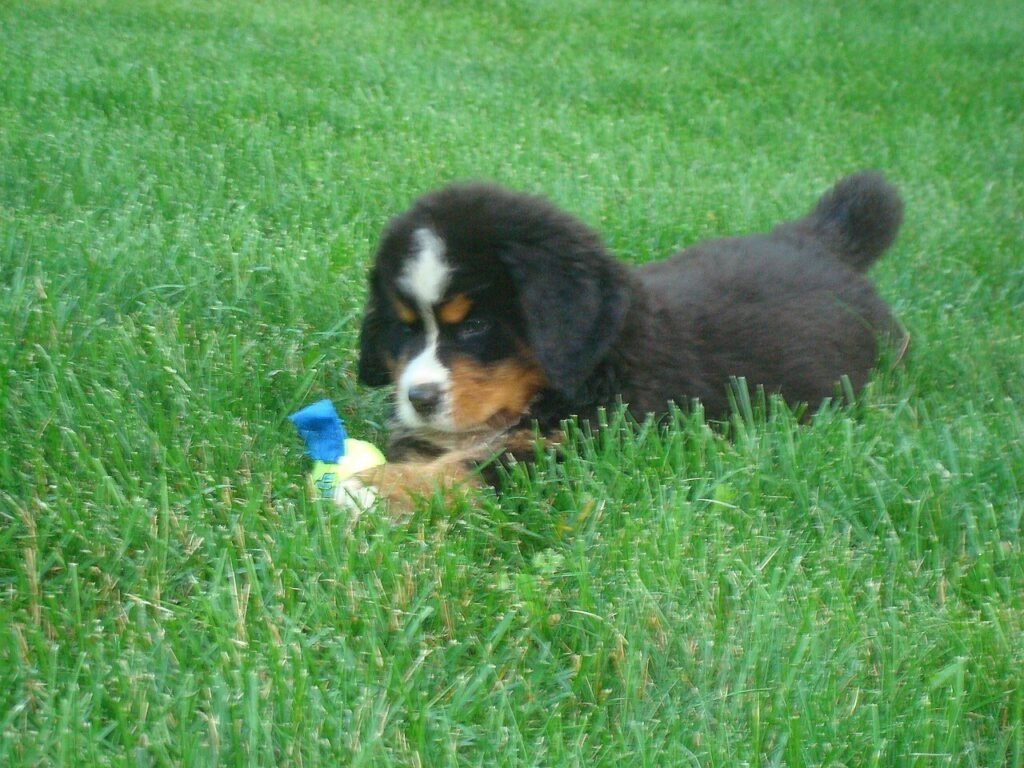
A Bernese mountain dog puppy grows from a fluffy armful into a dog that can top 100 pounds, so it needs a large breed puppy food, controlled exercise and early training. Berners are gentle and eager to please but sensitive to harsh correction. Choose a breeder who screens for hip and elbow dysplasia and other inherited problems.
Quick takeaways
- AKC lists adult males at 25 to 27.5 inches and 80 to 115 pounds, and females at 23 to 26 inches and 70 to 95 pounds.
- Feed a puppy food that meets AAFCO’s growth profile for large size dogs and keep your puppy lean.
- Berners train well with rewards and don’t respond well to harsh methods.
- The double coat sheds, with heavier shedding twice a year. Brush weekly, daily in shedding season.
- AKC gives a life expectancy of 7 to 10 years, so health screening of the parents matters.
In this guide
- How big does a Bernese Mountain Dog puppy get?
- What should a Berner puppy eat?
- How much exercise does a Berner puppy need?
- How do you train a Bernese Mountain Dog puppy?
- How do you groom a Berner puppy?
- What health problems should you know about?
- How much does a Bernese Mountain Dog puppy cost?
- Is a Bernese Mountain Dog good for first-time owners?
- Frequently asked questions
A Bernese Mountain Dog puppy looks like a stuffed animal with paws. It doesn’t stay that way for long. Berners grow into big, strong working dogs, and the first year sets them up for life. Here’s what to know about growth, food, training, grooming and health before you bring one home.
How big does a Bernese Mountain Dog puppy get?
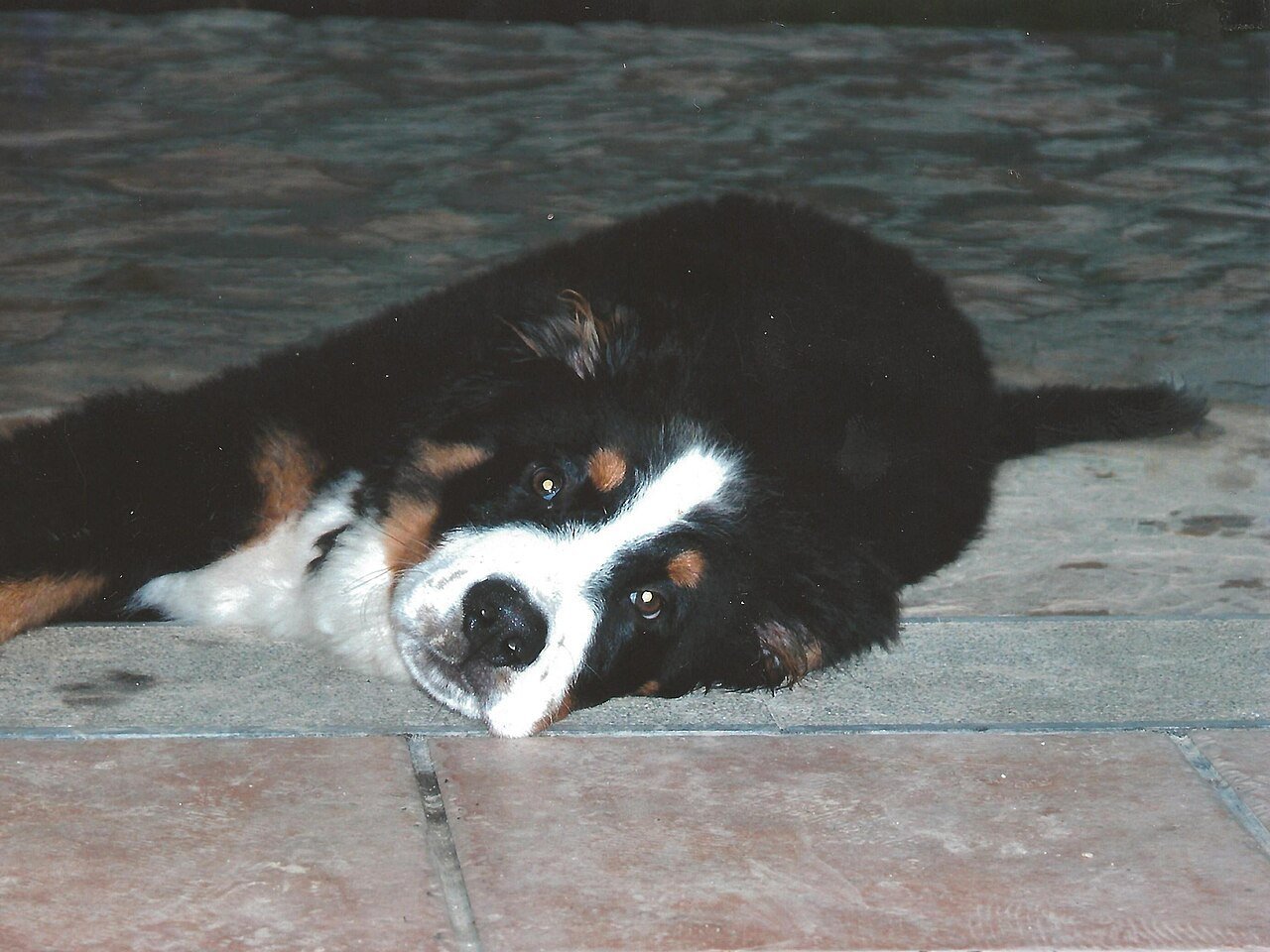
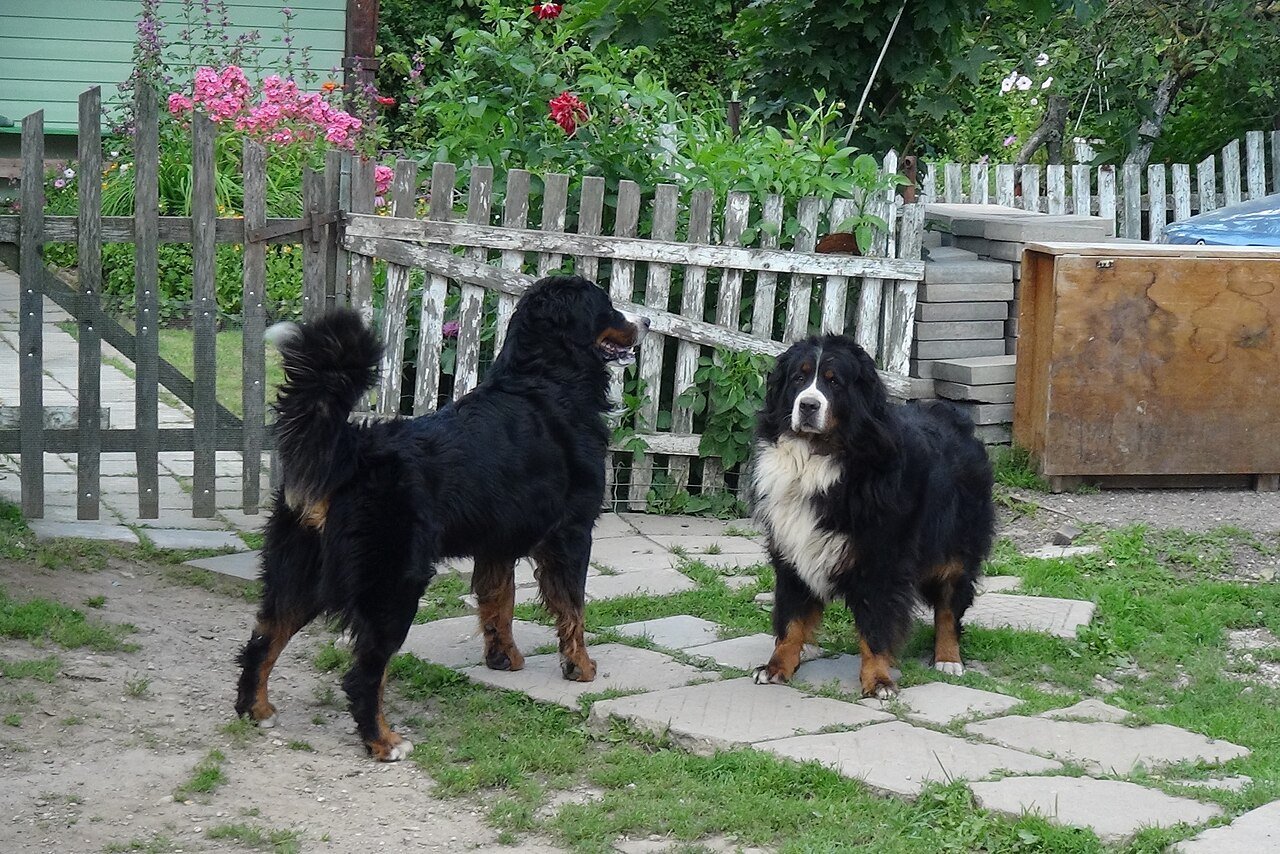
Big. The American Kennel Club’s breed standard lists adult males at 25 to 27.5 inches at the shoulder and 80 to 115 pounds. Females run 23 to 26 inches and 70 to 95 pounds. Large and giant breeds keep growing longer than small dogs do, and VCA says large and giant breeds can take up to 18 to 24 months to reach adulthood.
Expect fast weight gain in the first six months, then a lanky teenage stage where your puppy seems to be all legs. For a sense of how other giants compare, see our guide on Great Dane puppy size.
What should a Berner puppy eat?
Feed a puppy food that says it meets AAFCO nutrient profiles for growth, including growth of large size dogs (70 pounds or more as an adult). Those foods keep calcium in a range that supports steady bone growth. Too much calcium or too many calories in large breed puppies can contribute to bone and joint problems.
Practical tips:
- Feed measured meals, three or four a day for young puppies, dropping to two by around 6 months.
- Keep your puppy lean. You should feel the ribs easily under a thin layer of fat.
- Don’t add calcium or other supplements unless your vet tells you to.
- Keep treats under about 10% of daily calories.
Ask your vet about bloat (gastric dilatation-volvulus). AKC notes that all large breeds are susceptible to it, and it’s an emergency. Signs include a swollen belly, pacing, and retching without bringing anything up.
How much exercise does a Berner puppy need?
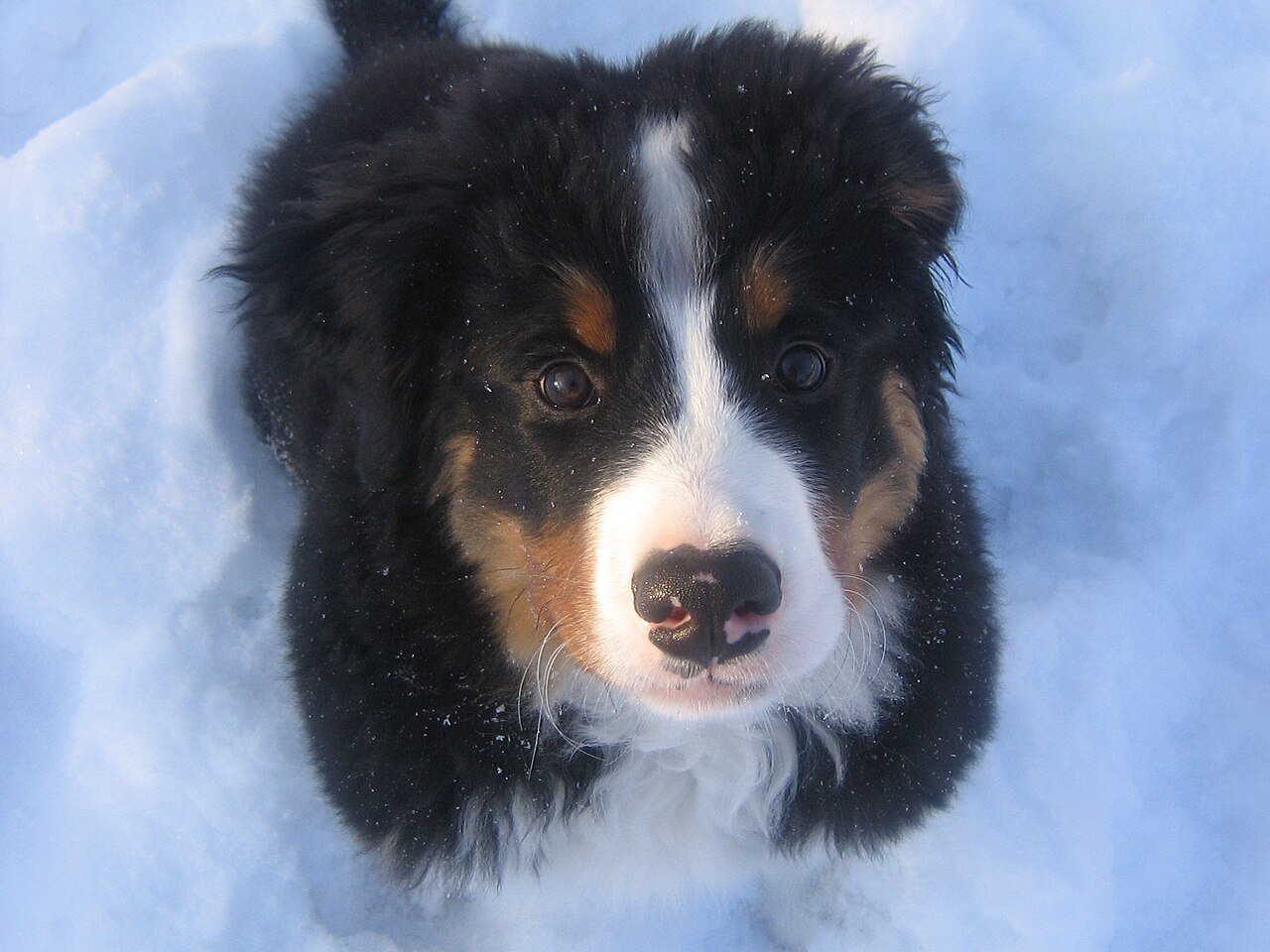
AKC recommends at least a half hour of moderate exercise a day for adult Berners. Puppies need activity too, but in small doses. Several short walks and free play on soft ground beat long runs or repeated jumping while the growth plates are still developing. Hold off on jogging, agility jumps and long hikes until your vet says your dog is skeletally mature.
Berners were bred as farm dogs and cart pullers in Switzerland, so they enjoy having a job. Short training sessions, sniff walks and food puzzles burn mental energy without stressing young joints.
How do you train a Bernese Mountain Dog puppy?
AKC calls Berners intelligent and eager to please, which usually makes training go smoothly. They’re also sensitive, and harsh corrections can backfire. Reward-based training works best.
Start right away with:
- Name recognition and a happy recall
- Sit, down and wait
- Walking on a loose leash, before your puppy outweighs you
- Polite greetings with four paws on the floor
- Calm handling of paws, ears and mouth for grooming and vet visits
Socialize early and gently. Let your puppy meet friendly people, calm vaccinated dogs and everyday sounds in small, positive doses. A good puppy class helps with all of this.
Berners want to be with their people. AKC notes that undesirable behaviors can show up if a Berner is regularly left alone for long stretches, so plan for company, a dog walker or daycare if you work long days.
How do you groom a Berner puppy?
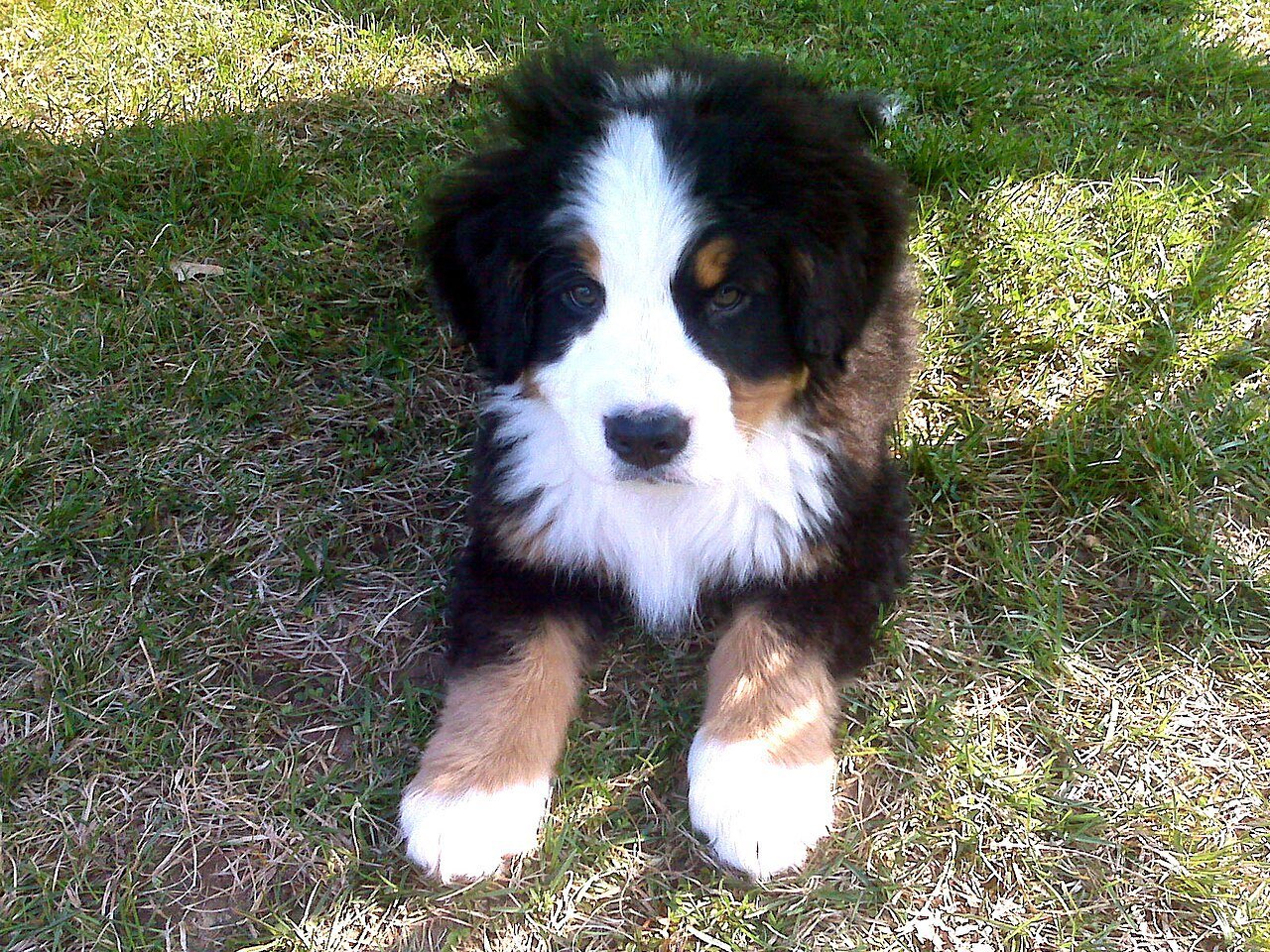
Berners have a double coat: a longer outer coat over a woolly undercoat. They shed year-round and more heavily twice a year. AKC suggests brushing weekly and daily during shedding season, using a slicker brush or metal comb for tangles.
Get your puppy used to the routine early:
- Short, gentle brushing sessions with treats
- Nail trims every few weeks
- Ear checks, since floppy ears can trap moisture
- Tooth brushing with a dog toothpaste
What health problems should you know about?
The breed has a shorter life span than many dogs. AKC lists 7 to 10 years. Responsible breeders screen their breeding dogs for hip and elbow dysplasia, blood disorders, some cancers and progressive retinal atrophy, according to AKC. Ask to see the parents’ results, such as OFA hip and elbow certifications, before you commit.
Call your vet if your puppy limps, has trouble getting up, or seems stiff after rest. Those can be early signs of joint problems.
How much does a Bernese Mountain Dog puppy cost?
Prices vary widely by region and breeder. A well-bred Berner from health-tested parents usually costs more than a puppy from a breeder who skips testing, and the testing is worth it for a breed with known inherited problems. Be wary of very low prices, puppies always available, or sellers who won’t show you health records.
The bigger cost comes after you bring your puppy home. Giant dogs eat more, need bigger crates and beds, and pay more for many medications. For comparison, our French Bulldog puppy price guide covers what drives breeder prices.
You can also look for Berners through breed rescues and shelters. Adult dogs are more common than puppies, but they do turn up.
Is a Bernese Mountain Dog good for first-time owners?
They can be, if you’re ready for the size, the hair and the shorter life span. Berners are affectionate and usually gentle with family. They need space, steady training and lots of time with their people. If a smaller dog fits your life better, look at our lists of best dog breeds for first-time owners, or read about the Dachshund puppy and the Cavapoo puppy.
Frequently asked questions
How to train bernese mountain dog puppy?
Use short, upbeat sessions with treats and praise, and start the day your puppy comes home. AKC describes Berners as intelligent and eager to please, but their feelings are easily hurt, so skip harsh corrections. Focus early on name, sit, loose-leash walking and not jumping on people, since those habits matter a lot once your puppy weighs 90 pounds.
How much should bernese mountain dog puppy eat?
It depends on the food’s calories, your puppy’s age and how fast it’s growing. Start with the large breed puppy food’s feeding chart, split into three or four meals for young puppies, and adjust so you can feel the ribs easily without seeing them. Your vet can check body condition at each visit.
How to feed bernese mountain dog puppy?
Feed a complete puppy food labeled for growth of large size dogs, in measured meals instead of a full bowl all day. Skip calcium supplements unless your vet prescribes them. Ask your vet about bloat, since it can affect large, deep-chested breeds, and how to lower the risk.
How much does bernese mountain dog puppy cost?
Prices vary a lot by region and breeder. A puppy from a breeder who does full health testing usually costs more than one from a breeder who doesn’t, and the testing is worth paying for. Budget for food, vet care and supplies sized for a giant dog, which cost more than they do for a small breed.
What does a bernese mountain dog puppy look like?
Berner puppies are tricolor: a black base with rust markings on the cheeks, above the eyes and on the legs, plus white on the chest and face. They look like fluffy teddy bears at 8 weeks and grow very fast over the first year.
Vet note: This article is general information and is not a substitute for advice from your own veterinarian. If your puppy is having trouble breathing, collapses, has a seizure or may have eaten something toxic, call your vet or the nearest emergency animal hospital right away. ASPCA Animal Poison Control: 888-426-4435 (a fee may apply).
