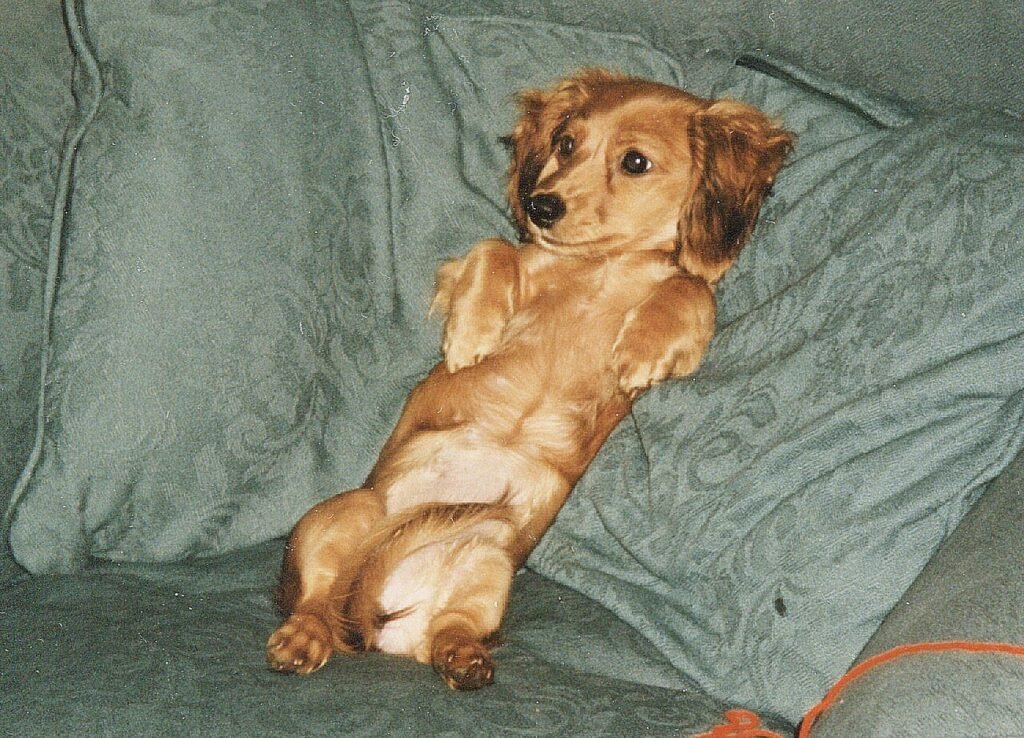
A Dachshund puppy needs care that protects its long back. Hold it with one hand under the chest and one under the rear, keep it lean, block stairs and furniture jumps, and build muscle with daily walks. Use patient, reward-based training, since Dachshunds are smart, independent and often stubborn.
Quick takeaways
- Always support both the chest and the hindquarters when you pick up a Dachshund puppy.
- Keeping a Dachshund lean is one of the best ways to protect its back.
- Use ramps or gates so your puppy doesn’t jump off furniture or run up and down stairs.
- Reward-based training works best. Dachshunds shut down with harsh corrections.
- Back pain, a wobbly walk or weak back legs need a vet visit right away.
In this guide
- What should you know before getting a Dachshund puppy?
- How do you hold a Dachshund puppy?
- How do you protect a Dachshund puppy’s back?
- How do you feed a Dachshund puppy?
- How do you train a Dachshund puppy?
- How much exercise does a Dachshund puppy need?
- How do you groom a Dachshund puppy?
- Should you adopt or buy a Dachshund puppy?
- Frequently asked questions

What should you know before getting a Dachshund puppy?
Dachshunds are bold, curious and very attached to their people. According to the American Kennel Club, they come in two sizes and three coat types:
| Trait | Standard | Miniature |
|---|---|---|
| Adult height | 8 to 9 inches | 5 to 6 inches |
| Adult weight | 16 to 32 pounds | 11 pounds and under |
| Life expectancy | 12 to 16 years | 12 to 16 years |
| Coats | Smooth, longhaired, wirehaired | Smooth, longhaired, wirehaired |
The breed was developed to hunt badgers, so a Dachshund puppy often has a big bark, a strong nose and a mind of its own. They want to be with their family and don’t do well as outdoor dogs.
The most important thing to know is the back. Dachshunds are a chondrodystrophic breed, which means their discs can harden and break down earlier than in many other dogs. That makes them prone to intervertebral disc disease (IVDD). The American College of Veterinary Surgeons says Dachshunds account for 45 to 70% of all disc rupture cases, with signs most often starting between 3 and 6 years of age. Good habits that start in puppyhood can help lower the strain on that long spine.
How do you hold a Dachshund puppy?
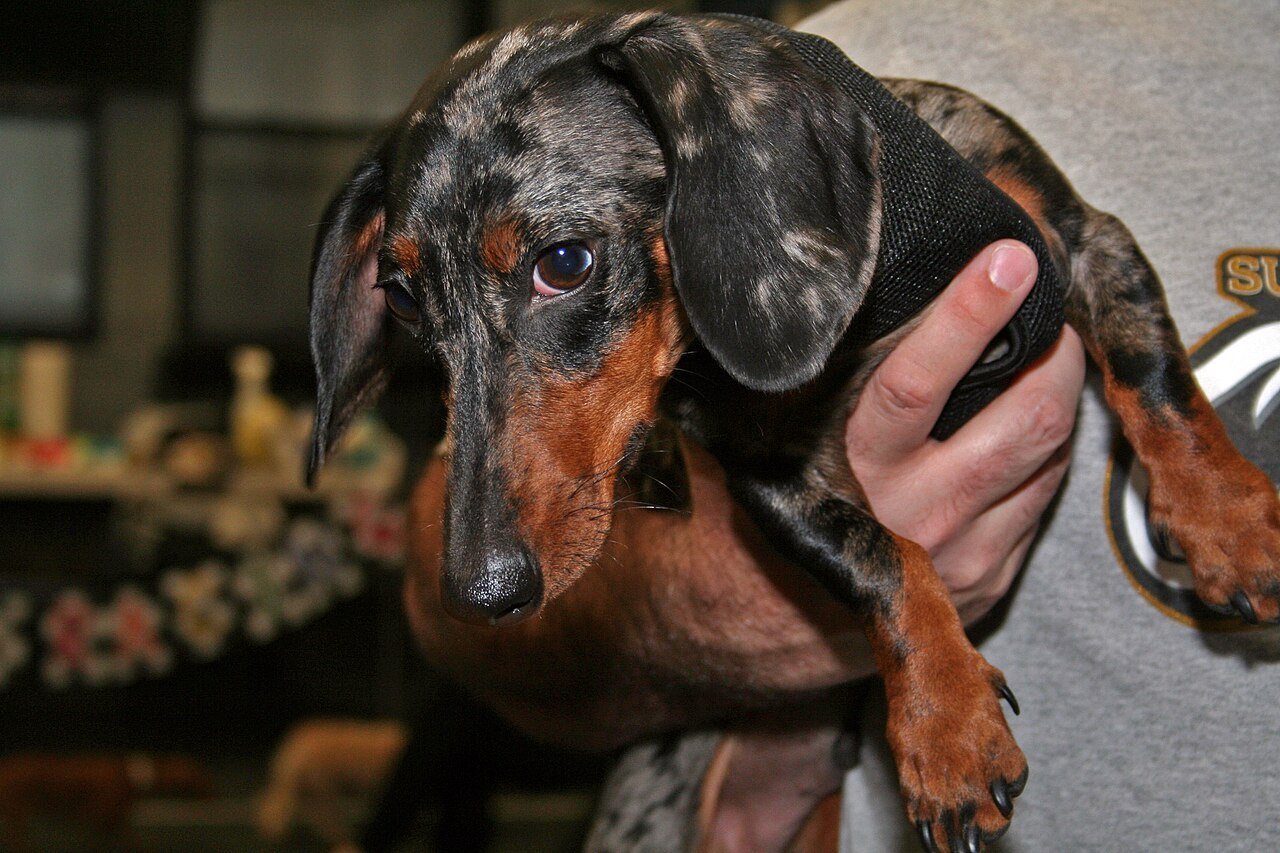
Support both ends, every time. Put one hand under the chest, just behind the front legs, and the other under the rear. Lift so the back stays level, then hold the puppy close to your body.
Don’t scoop a Dachshund puppy up by the front legs, under the armpits only, or by the scruff. That leaves the back end hanging and puts stress on the spine. Kids should sit on the floor to hold the puppy so there’s no risk of a fall.
How do you protect a Dachshund puppy’s back?
- Keep your puppy lean. The AKC calls it extremely important that a Dachshund not become overweight, since extra weight strains the back.
- Block the stairs. The AKC advises never letting a Dachshund run up and down stairs. Use baby gates.
- No jumping off furniture. Use pet ramps or steps for the couch and bed, or keep your puppy on the floor.
- Use a harness. A body harness puts less pressure on the neck than a collar when your puppy pulls.
- Build muscle. Regular walks help develop the muscles that support the spine.
- Play gently. Avoid games that twist the back or encourage leaping high in the air.
What are the signs of back trouble?
Know these signs even in a young dog. ACVS lists back or neck pain, a wobbly “drunken sailor” walk, back feet that cross or knuckle, and loss of use of the back legs, which can come with trouble urinating. A dog in pain may refuse to move, cry when picked up, hunch its back or shiver.
Call your vet right away if you see any of these. ACVS describes disc rupture as a true surgical emergency in many cases, and dogs do best when treated quickly.
How do you feed a Dachshund puppy?
Choose a complete and balanced puppy food labeled for growth or all life stages. Miniatures often do well on a small-breed puppy formula with small kibble. Read our guide to small breed puppy food for tips on tiny eaters.
- Feed measured meals, three or four a day for young puppies, then two as your puppy matures.
- Weigh your puppy regularly and adjust portions with your vet’s help.
- Keep treats to about 10% of daily calories.
- Skip fatty table scraps and cooked bones.
- Store food out of reach. A Dachshund’s nose finds everything.

How do you train a Dachshund puppy?
The AKC describes Dachshunds as very intelligent but independent and often stubborn. They respond best to positive, reward-based training and don’t react well to harsh commands or punishment.
Keep sessions to a few minutes and use food your puppy loves. Start with the basics: name, sit, come, leave it and loose-leash walking. Dachshunds have a strong prey drive and an excellent nose, so practice recall in a fenced area and keep your puppy on a leash in open spaces.
Socialize your puppy with gentle people, calm dogs and everyday sounds during the early weeks. A well-run puppy class helps. Our guide on how to train a puppy covers the first lessons step by step.
How do you potty train a Dachshund puppy?
Dachshunds have a reputation for being slow to housetrain, so consistency matters. Humane World for Animals suggests taking puppies out at least every two hours and right after waking, play, meals and drinks. A puppy can hold its bladder about one hour for every month of age.
- Go to the same potty spot every time.
- Reward the moment your puppy finishes.
- Use a crate for naps and short rest periods.
- Clean accidents with an enzyme cleaner.
- Never scold or punish accidents.
Many Dachshunds dislike rain and cold. A covered potty area or a small coat can help in winter.
How much exercise does a Dachshund puppy need?
Short, frequent play sessions and gentle walks work best for puppies. The AKC suggests two moderate walks a day for adult Dachshunds to keep them fit and build the muscles that protect the back. Increase walk length gradually as your puppy grows. Sniffing games and food puzzles give that busy nose a job.
How do you groom a Dachshund puppy?
- Smooth coat: a quick wipe with a towel or hound glove.
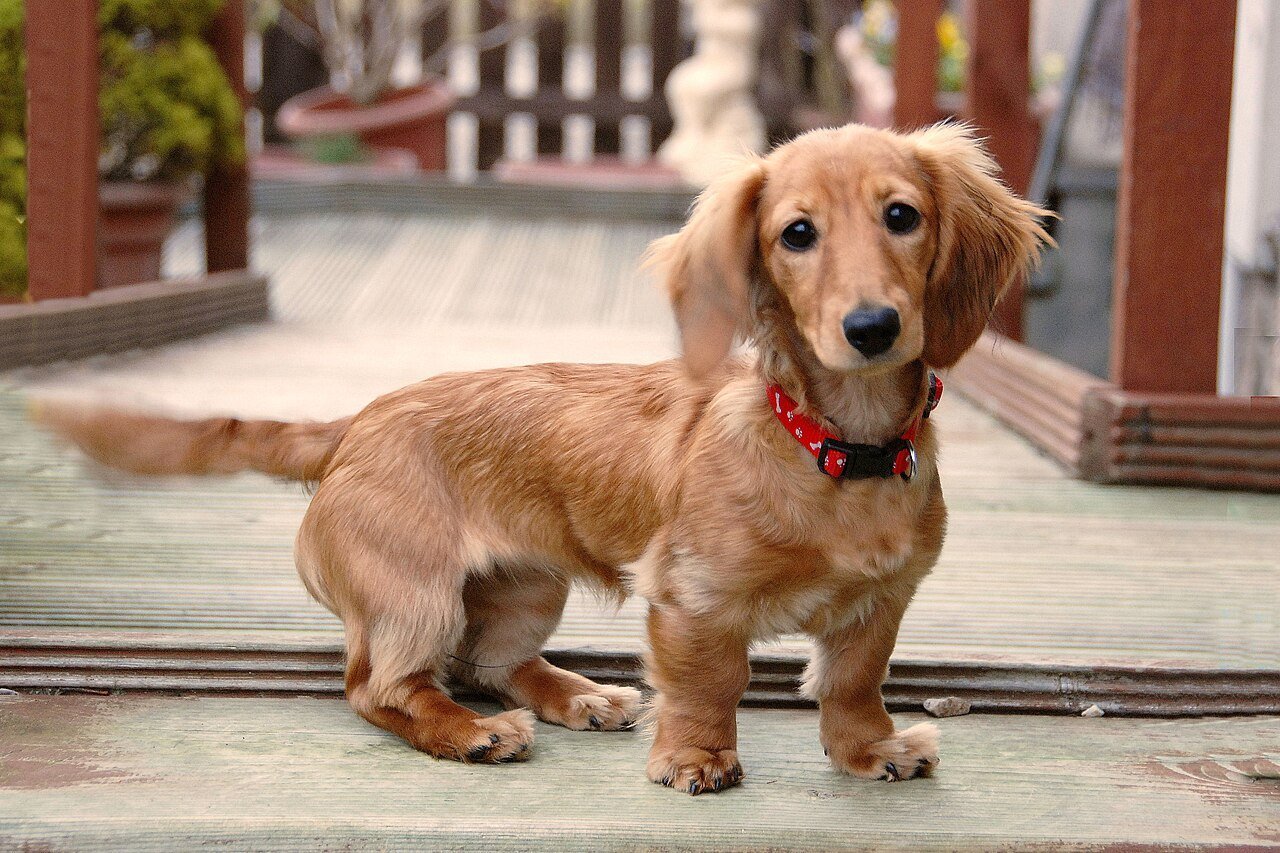
- Longhaired: regular brushing to prevent tangles, especially behind the ears.
- Wirehaired: brushing once or twice a week, with plucking or hand-stripping a few times a year.
All Dachshunds need monthly nail trims. Check and clean those drop ears, since the AKC notes they can be prone to ear infections. Start handling paws, ears and mouth early so grooming stays easy.
Should you adopt or buy a Dachshund puppy?
Both can work. Dachshund rescues and shelters sometimes have puppies and young dogs. If you buy, choose a breeder who welcomes visits, raises puppies in the home and shares health records for the parents. Our list of the best dog breeds for first time owners can help you decide if a Dachshund fits your home. You can also compare other breed guides like the Bernese Mountain Dog puppy and cavapoo puppy.
Frequently asked questions
How do you train a Dachshund puppy?
Use short, upbeat sessions with treats, praise and play. Dachshunds are intelligent but independent, so make training a game and keep it consistent. Avoid harsh corrections. Start with name recognition, sit, come and leash walking, and enroll in a puppy class once your vet says your puppy is ready.
How do you hold a Dachshund puppy?
Slide one hand under the chest behind the front legs and the other under the hindquarters, then lift so the back stays level. Never pick a Dachshund up by the front legs or let the back end dangle. Teach kids to sit on the floor to hold the puppy.
How do you feed a Dachshund puppy?
Feed a complete and balanced puppy food in measured meals, usually three or four a day for young puppies, dropping to two as your puppy grows. Use the bag’s feeding guide as a starting point and adjust with your vet so your puppy stays lean. Keep treats small.
How do you train a Dachshund puppy to potty outside?
Take your puppy out at least every two hours and after waking, eating and play. Go to the same spot and reward right after your puppy goes. Use a crate for short rest periods, clean accidents with an enzyme cleaner, and never punish. Expect it to take several months.
What does a Dachshund puppy cost?
Prices vary a lot by region, breeder, size and coat type. Shelter and rescue adoption fees are usually much lower than breeder prices. Whatever you pay, plan for vet care, food, a crate, ramps and training in the first year, and ask breeders for health screening records.
Vet note: This article is general information and is not a substitute for advice from your own veterinarian. If your puppy is having trouble breathing, collapses, has a seizure or may have eaten something toxic, call your vet or the nearest emergency animal hospital right away. ASPCA Animal Poison Control: 888-426-4435 (a fee may apply).
