
The puppy mill vs breeder difference comes down to priorities. A puppy mill breeds as many puppies as possible for profit, often in crowded, dirty conditions, and sells through pet stores or websites. A responsible breeder raises a few litters in a home or clean kennel, health-tests parents, lets you meet the mother and screens buyers.
Quick takeaways
- Responsible breeders let you visit and meet the puppy’s mother, and usually the father or his health records.
- Puppy mills rely on pet stores, online listings and meeting in parking lots so buyers never see the conditions.
- Ask for health testing results that match the breed, a written contract and a take-back promise.
- Registration papers and a USDA license don’t prove a breeder is responsible.
- Shelters and breed rescues are a good alternative to buying.
In this guide
- What is a puppy mill?
- What does a responsible breeder do differently?
- What are the red flags of a puppy mill?
- What about backyard breeders?
- Do AKC papers or a USDA license mean a breeder is good?
- What questions should you ask a breeder?
- How do you check an online puppy listing?
- Should you adopt instead?
- What if you think you bought from a puppy mill?
- Frequently asked questions
Most people who buy a puppy from a mill never set out to. They see a sweet face online or in a store window, the price seems fair and the seller has an answer for everything. The puppy mill vs breeder question is worth sorting out before you fall for a puppy, because once you’re holding one, walking away gets very hard.
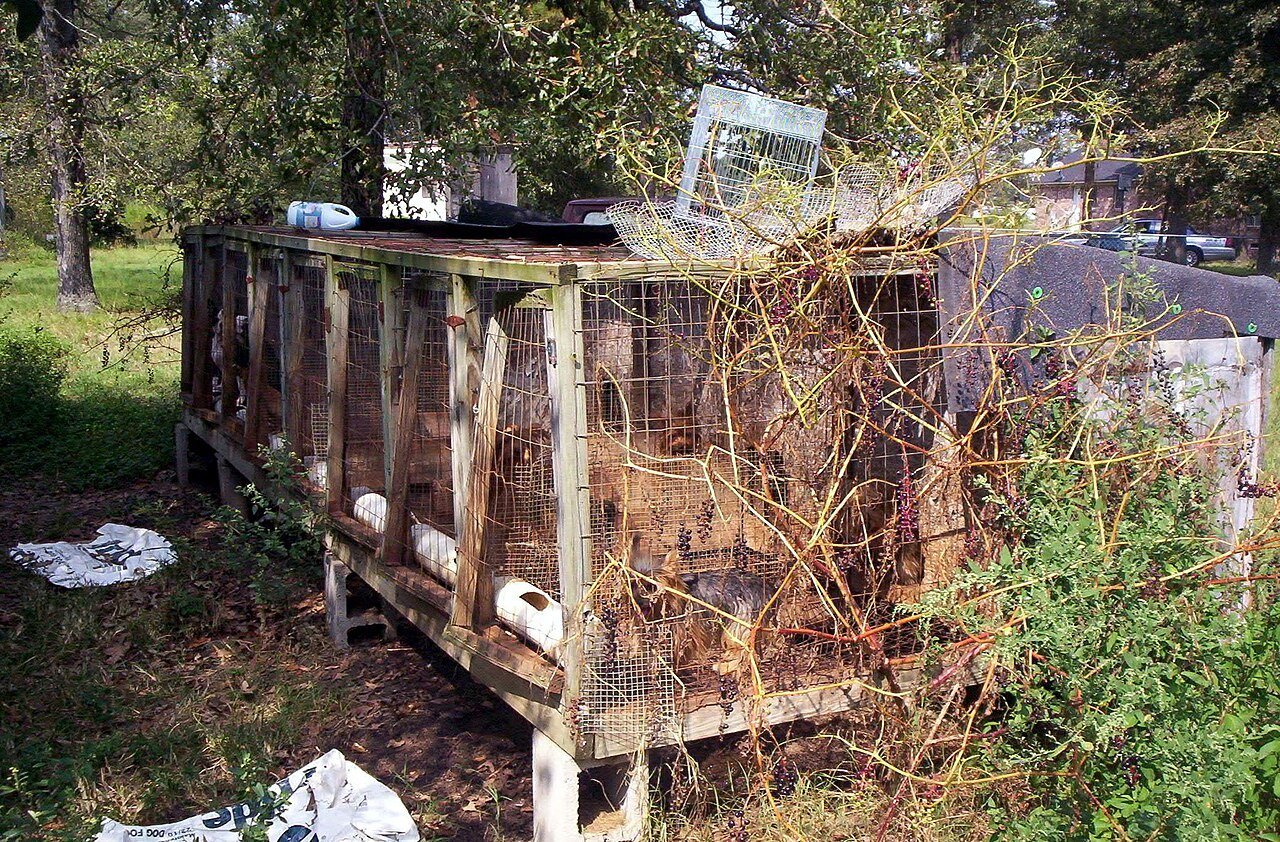
What is a puppy mill?
A puppy mill is a commercial breeding operation that produces puppies in volume for profit, with the dogs’ welfare a distant second. Mothers are often bred again and again, puppies get little human contact, and the parents may never leave their pens. The ASPCA’s Puppy Mills 101 explains how puppies move from these facilities to pet stores and websites through brokers and transporters, which keeps buyers from ever seeing where the dogs came from.
Puppies from these operations can come home with health problems from poor genetics or crowded conditions, along with behavior problems linked to missing out on early socialization.
What does a responsible breeder do differently?
A responsible breeder is trying to produce healthy, stable dogs and put each one in the right home. That shows up in a lot of small ways.
| Puppy mill or broker | Responsible breeder | |
|---|---|---|
| Visits | Not allowed, or meet in a parking lot | Welcome, and you meet the mother |
| Breeds | Many breeds or “designer” mixes on demand | One or two breeds |
| Availability | Puppies always in stock | Waitlist; litters planned months ahead |
| Health testing | Vague “vet checked” promise | Breed-specific tests on both parents, with results |
| Questions | Few or none about you | Detailed interview about your home and plans |
| Age at sale | Sometimes younger than 8 weeks | Usually 8 weeks or older |
| Contract | Little or nothing in writing | Written contract and take-back promise |
| After the sale | Hard to reach | Available for questions for the dog’s whole life |
Humane World for Animals, formerly the Humane Society of the United States, puts it plainly: responsible breeders don’t sell to the first person with cash, and they won’t sell through a pet store or any setup that keeps them from meeting you.
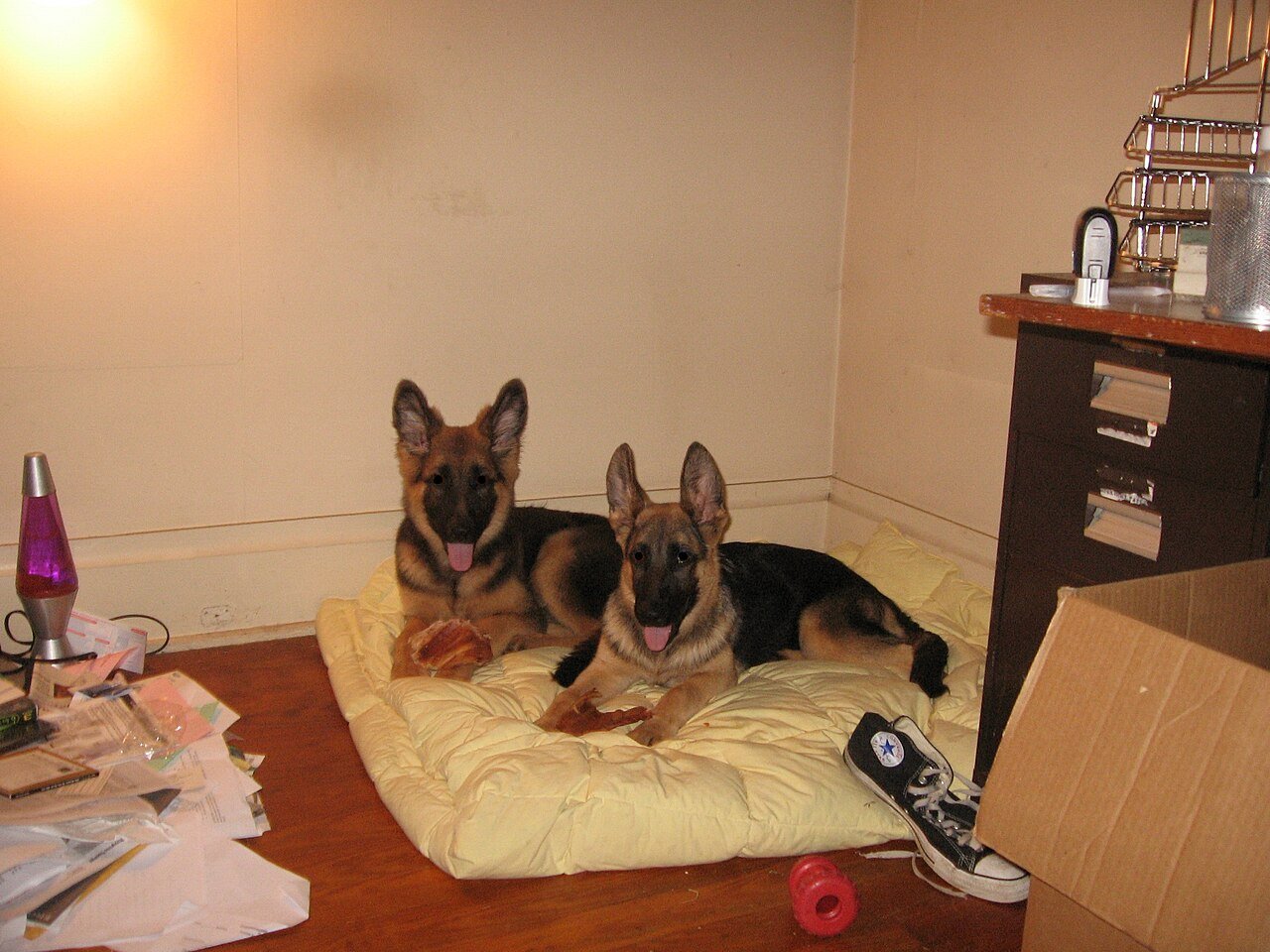
What are the red flags of a puppy mill?
Any one of these is a reason to slow down. Several together is a reason to walk away.
- You can’t visit, or the seller insists on meeting somewhere else.
- The seller has lots of breeds and always has puppies ready.
- You never see the mother, or the “mom” seems unfamiliar with the puppies.
- Puppies are dirty, thin, coughing, have runny eyes or seem afraid of people.
- The seller offers to ship the puppy without meeting you.
- You’re pushed to pay a deposit today.
- The seller only takes wire transfers, gift cards or payment apps.
- Health “guarantees” require you to use the seller’s vet or return the puppy.
What about backyard breeders?
A backyard breeder is usually a person breeding a family pet, often without health testing or much knowledge of the breed. Conditions may look homey, and there’s no mill-sized operation behind them. The puppies can still carry inherited problems that testing would have caught. Use the same checklist: health tests, a written contract, a visit and a breeder who asks you questions.
Do AKC papers or a USDA license mean a breeder is good?
Not by themselves. Registration papers record a puppy’s parentage. They aren’t a stamp of quality or health. A USDA license applies to certain commercial breeders and dealers and sets minimum standards of care. Plenty of large commercial facilities hold one. Look at the breeder’s actual practices instead of the paperwork alone.
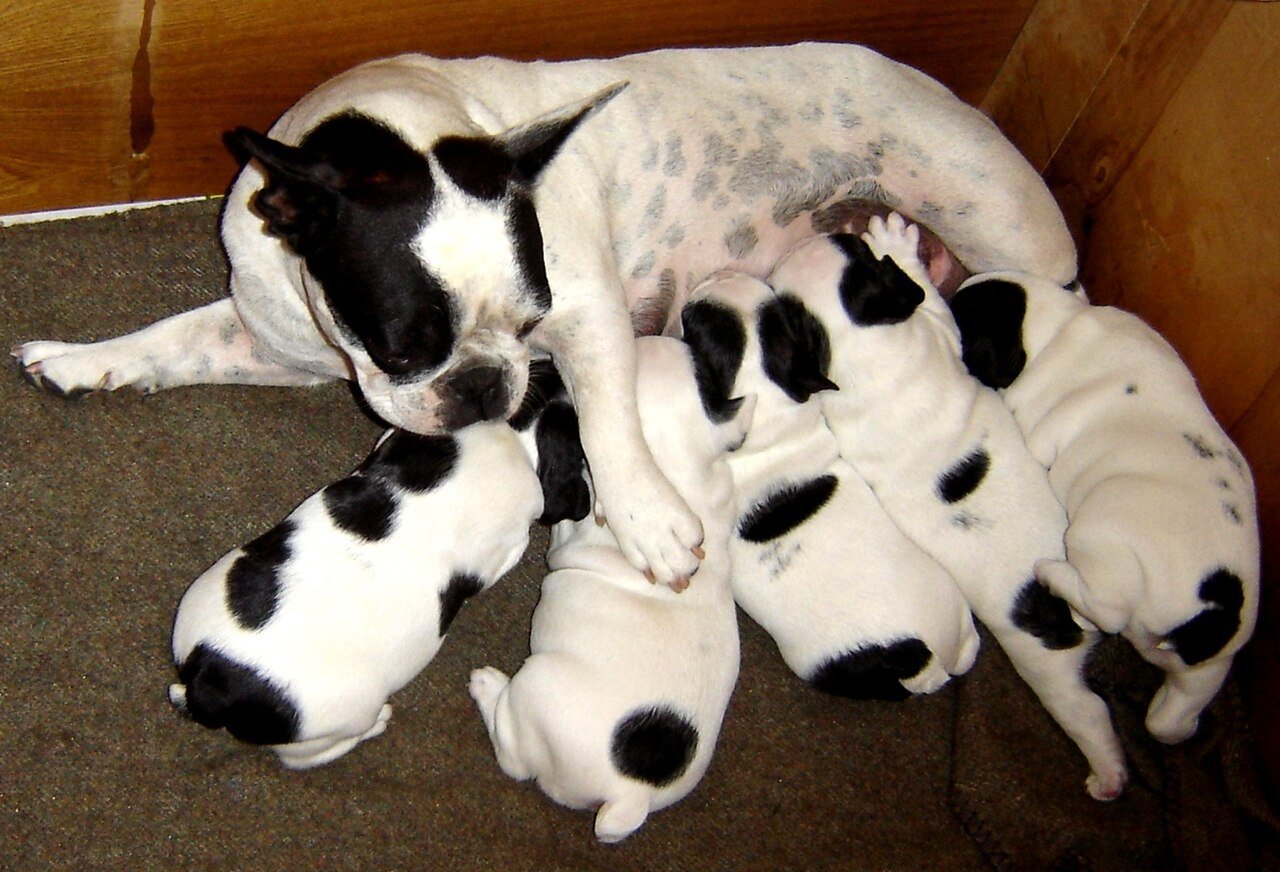
What questions should you ask a breeder?
Bring this list to every call or visit:
- Can I meet the mother and see where the puppies are raised?
- What health tests have the parents had, and can I see the results?
- How many litters does the mother have, and how often?
- How are the puppies socialized before they go home?
- At what age do puppies leave, and what vaccines and deworming will they have had?
- What does your contract cover, and will you take the dog back at any age?
- Can I talk to people who bought puppies from you before?
A good breeder will have ready answers and will ask you just as many questions. If you’re still deciding between breeds or sexes, our post on male vs female puppies can help you think it through before the interview.
How do you check an online puppy listing?
Online listings are where many buyers get caught. Before you send money:
- Reverse image search the photos to see if they show up elsewhere.
- Ask for a live video call that shows the puppy, the mother and the space.
- Search the breeder’s name, phone number and website along with words like “scam” or “complaint.”
- Check that the breeder belongs to the national breed club and ask the club about them.
- Never pay with a method you can’t dispute.
Should you adopt instead?
Shelters and rescues place puppies and adult dogs every day, including purebreds. Humane World suggests starting there, and many breed rescues take in dogs released from commercial breeding. Our guides on buying a puppy vs adopting and adopting a puppy vs an adult dog walk through the trade-offs.
What it’s like to adopt a former puppy mill dog
Retired breeding dogs can make lovely companions, but many need extra patience. Some have never walked on grass, climbed stairs or lived in a house. Expect house training to start from scratch, keep routines predictable, and let the dog approach people on its own terms. A trainer who uses reward-based methods can help with fear.
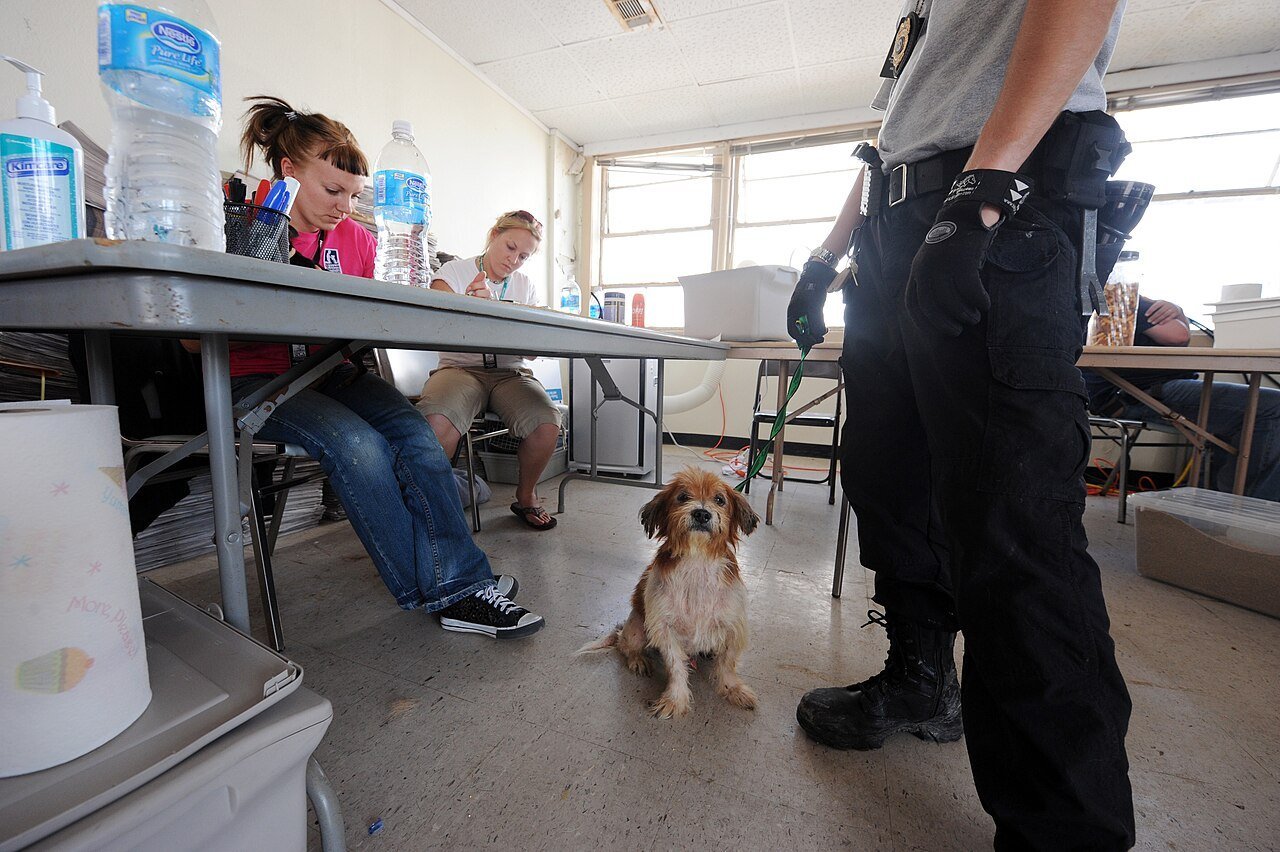
What if you think you bought from a puppy mill?
Take your puppy to a vet within a few days to check for parasites, infections and congenital problems. Keep every receipt, message and listing screenshot. Some states have “puppy lemon laws” that may give you options if a puppy gets sick soon after sale, so look up your state’s rules. You can also report the seller to your state attorney general or local animal control.
Whatever happened before, the puppy in front of you still needs good care. Our new puppy checklist covers the supplies and first-week steps.
Frequently asked questions
What is the difference between a puppy mill and a breeder?
A puppy mill is a high-volume operation that treats dogs as inventory, with mothers bred repeatedly and puppies sold without regard for where they go. A responsible breeder focuses on one or two breeds, health-tests the parents, raises puppies with people, interviews buyers and takes dogs back if things don’t work out.
How can I rescue a puppy mill dog?
Contact local shelters and breed-specific rescues. Many take in dogs released from commercial breeding operations, especially retired mothers. Ask about each dog’s history, and expect some to need extra time with house training, handling and confidence. A patient routine helps a great deal.
How do you spot a puppy mill?
Watch for sellers with many breeds, puppies always available, no visit allowed, meet-ups in parking lots, shipping a puppy sight unseen, no health testing, pressure to pay a deposit fast, and puppies sold younger than 8 weeks. Any one of these is a reason to slow down.
How do I identify a puppy mill online?
Reverse image search the photos, look for the same puppies on several sites, and ask for a live video call that shows the mother and the place the puppies are kept. Be wary of sellers who only take wire transfers, gift cards or payment apps and won’t put anything in writing.
What does puppy mill mean?
Puppy mill is the common term for a commercial dog-breeding facility that puts profit ahead of the dogs’ health and welfare. Dogs are often kept in cages, bred frequently and given little socialization or veterinary care.
Vet note: This article is general information and is not a substitute for advice from your own veterinarian. If your puppy is having trouble breathing, collapses, has a seizure or may have eaten something toxic, call your vet or the nearest emergency animal hospital right away. ASPCA Animal Poison Control: 888-426-4435 (a fee may apply).
