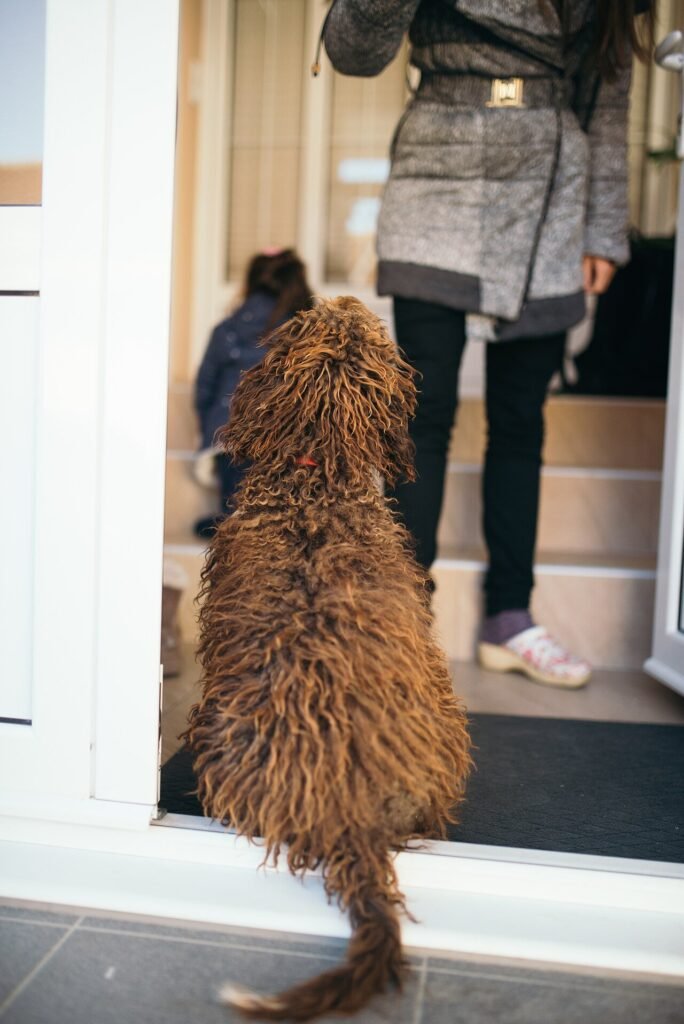
Puppy separation anxiety is real distress when a puppy is left alone, shown by nonstop crying, drooling, panting, accidents or frantic chewing at doors. You can prevent and ease it by practicing very short, calm absences every day and stretching them slowly, so your puppy learns that being alone is safe and boring.
Quick takeaways
- Some crying when a new puppy is left alone is normal. Panic that doesn’t settle is a different problem.
- Teach alone time in tiny steps, starting with seconds, and increase only while your puppy stays relaxed.
- Keep departures and returns low key.
- Never punish anxious behavior. The ASPCA notes it’s a distress response, not spite.
- Talk to your vet if your puppy panics within minutes, injures itself or isn’t improving.
In this guide
- What is puppy separation anxiety?
- What are the signs of separation anxiety in a puppy?
- Is it separation anxiety or something else?
- Why do puppies get separation anxiety?
- How do you prevent separation anxiety in a puppy?
- What is a good separation anxiety training schedule?
- Should a puppy with separation anxiety be crated?
- How do you handle separation anxiety at night?
- What should you never do?
- When should you get professional help?
- Frequently asked questions
Few things tug at you like a puppy crying behind a gate. Most of the time it’s a new puppy learning that you leave and come back. Sometimes it’s true panic. Puppy separation anxiety is easier to prevent than to fix, so the first few weeks at home are the best time to work on it.

What is puppy separation anxiety?
Separation anxiety is distress triggered by being apart from the person, or people, a dog is attached to. The ASPCA’s guide to separation anxiety describes dogs that become upset as their owners get ready to leave, then bark, howl, chew, have accidents or try to escape soon after they’re gone.
A puppy who whines for a few minutes and then naps is learning. A puppy who works itself into a lather and never settles is suffering.
What are the signs of separation anxiety in a puppy?
Signs usually start as you get ready to leave or within minutes after you go. They happen when your puppy is alone, not when you’re home.
- Barking, howling or crying that doesn’t settle
- Drooling, heavy panting or pacing in a fixed path
- Accidents in a puppy that’s otherwise doing well with house training
- Chewing or scratching at doors, windows and crate bars
- Trying to escape, sometimes with broken nails or sore gums
- Following you room to room and getting worked up when you pick up keys
A pet camera helps here. Watch the first 30 minutes after you leave. That’s when most anxious behavior shows up.
Is it separation anxiety or something else?
Plenty of puppy problems look like separation anxiety. The ASPCA suggests ruling these out first:
| What you see | Could also be |
|---|---|
| Accidents | Incomplete house training, a urinary tract infection, excitement peeing |
| Chewing | Normal puppy chewing and teething, boredom |
| Barking | Reacting to noises outside, frustration at being confined |
| Restlessness | Needs a potty break, not enough exercise |
The clue is timing. If the behavior also happens while you’re home, it’s probably not separation anxiety. Mention any accidents to your vet so a medical problem doesn’t get missed.
Why do puppies get separation anxiety?
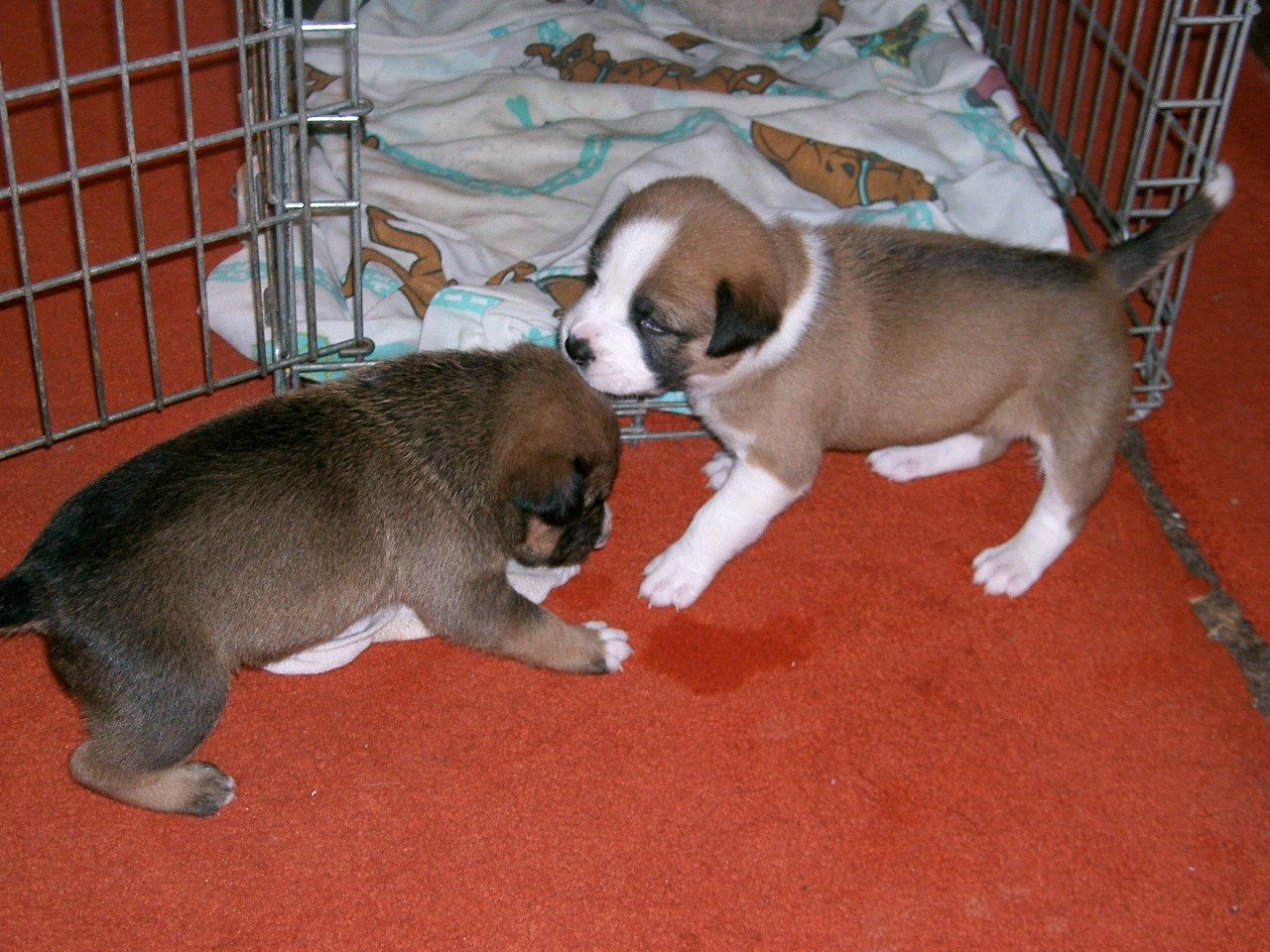
Nobody knows exactly. The ASPCA notes that dogs adopted from shelters have this problem more often than dogs who stayed with one family from puppyhood, and that big changes can set it off, including a new home, a sudden switch in schedule or someone leaving the household.
For a puppy, the classic trigger is a family that’s home all the time for the first few weeks and then suddenly returns to work. Planning for that change is half the battle.
How do you prevent separation anxiety in a puppy?
Start teaching alone time on day one, even if you work from home.
- Build a safe spot. A crate, playpen or puppy-proofed room with a bed, water and a chew toy.
- Practice short rests while you’re home. Put your puppy in the spot with a food toy while you make dinner or answer email in the next room.
- Keep comings and goings calm. Skip the big goodbye and the over-the-top hello. The ASPCA suggests quiet greetings until your puppy settles.
- Exercise before alone time. A walk and a short training session make a nap more likely.
- Follow a routine. Predictable meals, walks and naps help puppies relax.
The ASPCA also suggests that scheduled time alone in a crate or bed may help prevent separation anxiety.
What is a good separation anxiety training schedule?
Use this as a rough guide and move at your puppy’s pace. The rule from the ASPCA is to keep each absence shorter than the time it takes your puppy to get upset.
Week 1: Seconds out of sight. Step behind a door or baby gate for 2 to 10 seconds, come back calmly and wait a few minutes before the next rep. Do several short sessions a day.
Week 2: Predeparture cues. Pick up keys, put on shoes or grab your bag, then sit back down. You’re teaching your puppy that these cues don’t always mean you’re leaving.
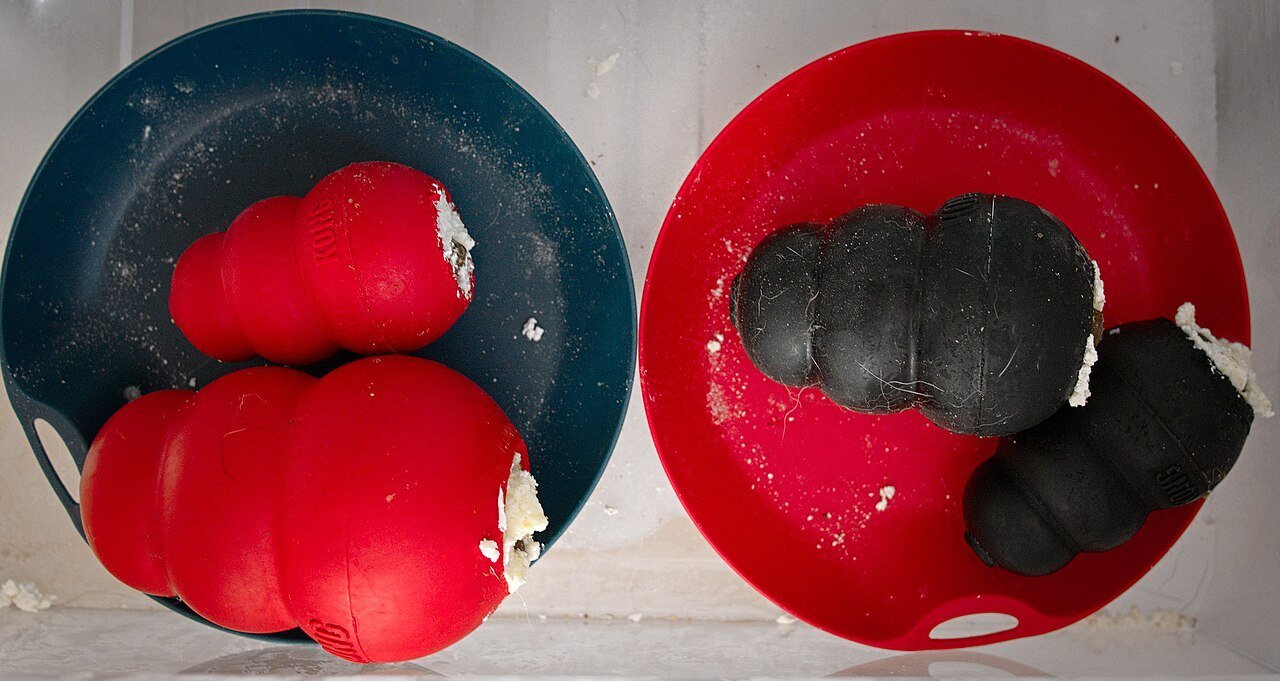
Week 3: Short real exits. Hand over a stuffed food toy, walk out the door and come back within 30 seconds to a few minutes. Remove the special toy when you return so it only appears during alone time.
Weeks 4 and beyond: Add time slowly. Increase by small amounts, and drop back if your puppy starts whining or pacing. The ASPCA says most anxious behavior happens in the first 40 minutes, so getting past that mark is a big milestone.
Progress isn’t a straight line. A bad day just means you go back to a shorter time for a few sessions.
Should a puppy with separation anxiety be crated?
It depends on the puppy. A crate is a cozy den for many dogs. For others it adds to the panic. The ASPCA suggests watching how your puppy acts in the crate while you’re home. Heavy panting, drooling, frantic escape attempts or bent bars mean the crate isn’t helping. A playpen or a gated room might work better.
If your puppy loves the crate, it can be a great alone-time base. Feed meals there and keep a favorite chew inside so the space has good associations.
How do you handle separation anxiety at night?
New puppies often cry at night because everything is new. That’s usually not true separation anxiety. Put the crate next to your bed for the first weeks so your puppy can hear and smell you. Take your puppy out right before bed and keep night potty trips quiet, then put your puppy straight back to bed. Once nights are calm, you can move the crate a few feet at a time if you want it somewhere else.
What should you never do?
- Don’t punish. The ASPCA is clear that scolding an anxious dog can make the problem much worse.
- Don’t leave for hours at once while you’re still training. Use a sitter, friend, dog walker or daycare to bridge long days.
- Don’t rush. Long jumps in time are the most common reason training stalls.
When should you get professional help?
Call your vet if your puppy panics within minutes, hurts itself trying to escape, or isn’t improving after a few weeks of careful practice. Your vet can check for medical causes and talk about whether anti-anxiety medication makes sense. The ASPCA notes that medication can help severe cases, usually alongside a behavior plan. A veterinary behaviorist or a certified trainer who uses reward-based methods can build a step-by-step program and adjust it as you go.
Build independence in everyday life
Alone-time training works better when your puppy has confidence elsewhere. Teach a settle on a mat, play find-it games with kibble and practice short stays. Our guide on how to train a puppy covers the basics. If you live in a building with neighbors on the other side of the wall, the tips in potty training a puppy in an apartment help with the noise and routine side, and puppy recall training gives you another fun way to build trust and focus.
Frequently asked questions
How do I stop puppy separation anxiety?
Avoid leaving your puppy alone longer than it can handle, then rebuild from very short absences. Give a stuffed food toy as you step out, come back before your puppy gets upset, and slowly lengthen the time over weeks. Pair this with exercise, calm greetings and, if needed, help from your vet or a qualified behavior professional.
How can I fix separation anxiety in an older puppy?
The approach is the same at any age: gradual absences your dog can handle, predeparture cue practice and a sitter or daycare for the long days while you train. Older puppies may have more practice panicking, so progress can be slower. A veterinary behaviorist can help with stubborn cases.
How do I help a puppy with separation anxiety at night?
Many new puppies sleep best with the crate or bed next to your bed for the first weeks. Take your puppy out right before bed, keep night potty trips quiet and boring, and move the bed farther away a little at a time once nights are settled.
How can I prevent separation anxiety in a new puppy?
Start practicing alone time on day one with short rests in a crate, playpen or gated room while you’re home. Keep a predictable routine, offer chews and food puzzles during quiet time, and avoid going from being home all day to leaving your puppy alone for hours at once.
Does music help puppy separation anxiety?
A radio, soft music or white noise can mask outside sounds that set some puppies off, and it may help a mildly worried puppy relax. It isn’t a treatment by itself. Gradual alone-time training does the real work.
Vet note: This article is general information and is not a substitute for advice from your own veterinarian. If your puppy is having trouble breathing, collapses, has a seizure or may have eaten something toxic, call your vet or the nearest emergency animal hospital right away. ASPCA Animal Poison Control: 888-426-4435 (a fee may apply).
