
Here’s how to crate train a puppy: pick a crate just big enough to stand up, turn around and lie down in, then make it a great place with meals, treats and chew toys. Start with the door open, close it for a few seconds at a time and build up slowly. Never use the crate for punishment.
Quick takeaways
- Choose a crate that fits your puppy’s adult size and use a divider so it grows with them.
- Feed meals and give special chews in the crate so it means good things.
- Build up time with the door closed in tiny steps, starting with seconds.
- Keep the crate in your bedroom at night during the first weeks.
- Don’t crate a puppy longer than they can hold their bladder, and never as punishment.
In this guide
- Why crate train a puppy?
- How do I choose the right crate?
- How to crate train a puppy step by step
- How to crate train a puppy at night
- How long can a puppy stay in a crate?
- What if my puppy cries in the crate?
- Common crate training mistakes
- Crate training a rescue puppy or an apartment puppy
- Frequently asked questions
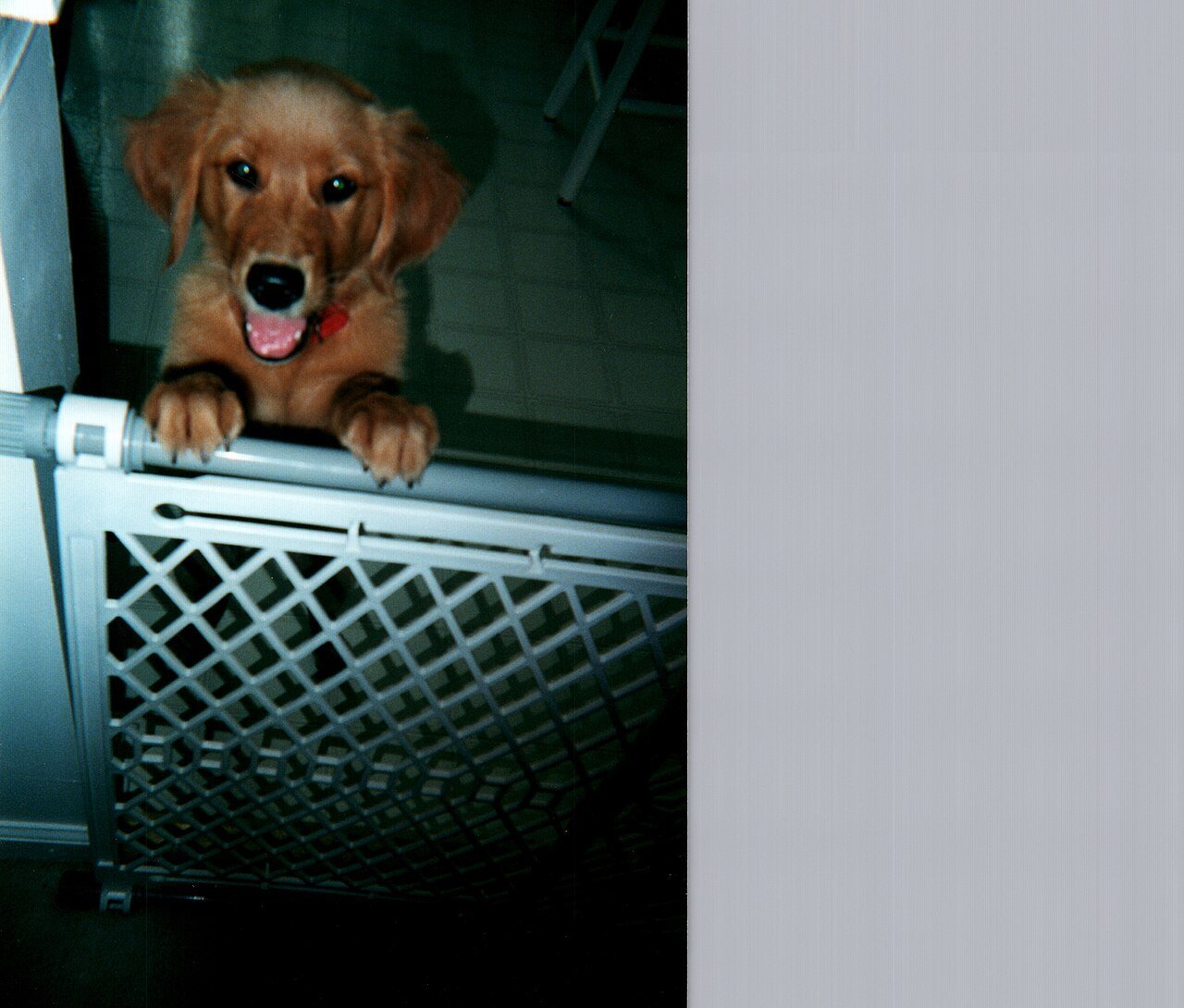
A crate can be one of the most helpful tools you’ll ever buy for a puppy. It keeps them safe when you can’t watch them, speeds up potty training and gives them a quiet place to rest. But it only works if your puppy actually likes being in it. Here’s how to crate train a puppy so the crate feels like a cozy den, not a jail.
Why crate train a puppy?
Crate training helps with a lot of everyday problems:
- Potty training. Most puppies try not to soil where they sleep, so a right-sized crate helps them learn to hold it.
- Safety. Puppies chew cords, swallow socks and get into the trash. A crate keeps them out of trouble when you can’t supervise.
- Rest. Puppies need lots of sleep and don’t always know when to stop. A crate gives them a calm place to nap.
- Travel and vet visits. A puppy who’s comfortable in a crate handles car trips, boarding and hospital stays with less stress.
The American Kennel Club calls being comfortable in a crate an important life skill and stresses that a crate should never be used as punishment.
How do I choose the right crate?
Your puppy should be able to stand up, turn around and lie down comfortably. If the crate is much bigger than that, they may use one end as a bathroom.
| Crate type | Good for | Keep in mind |
|---|---|---|
| Wire crate | Home use, airflow, visibility | Many come with a divider |
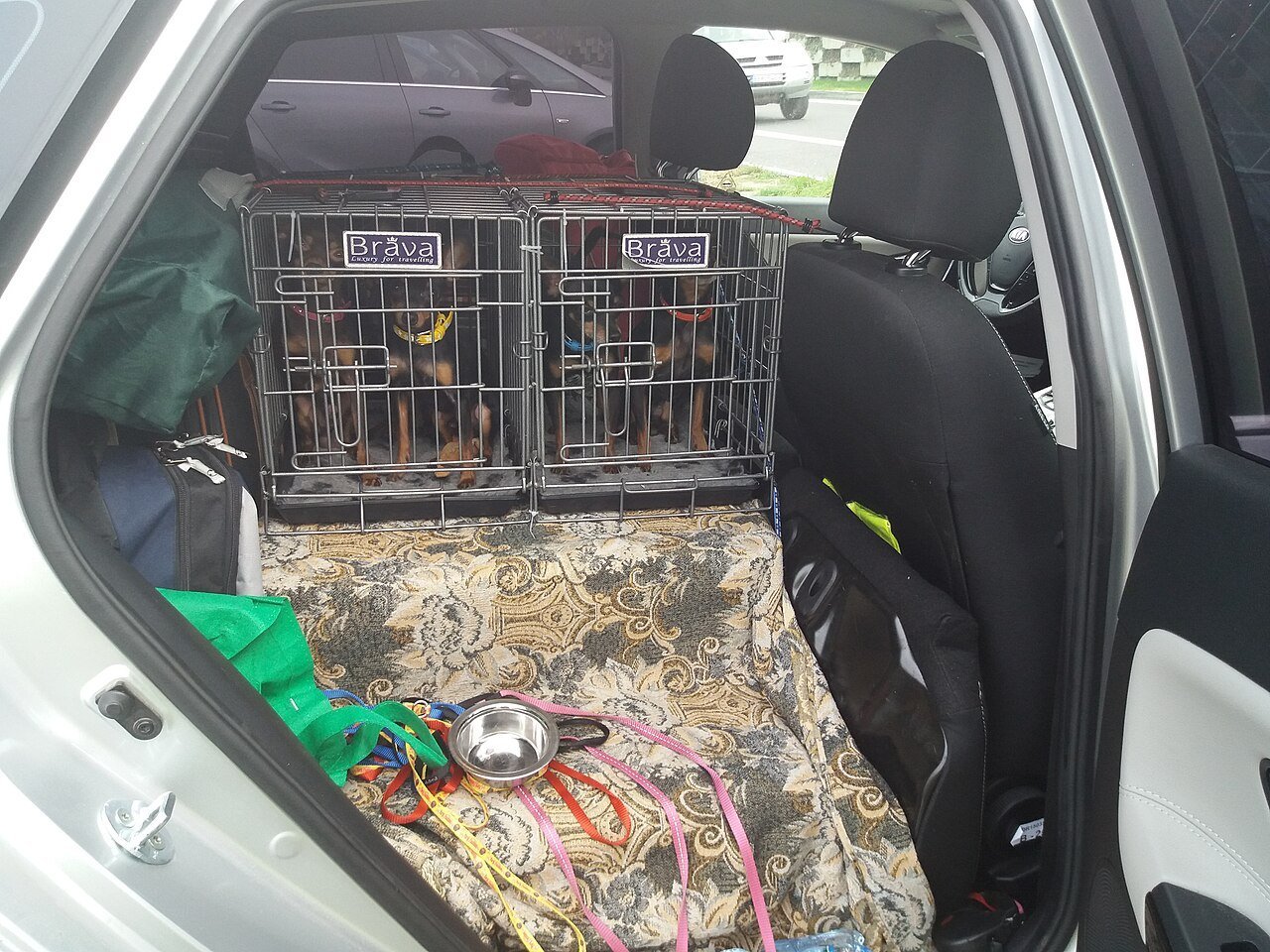
| Plastic travel crate | Car trips, flights, den-like feel | Check airline rules before you fly |
| Soft-sided crate | Calm small dogs and travel | Not for chewers or escape artists |
Buying a wire crate sized for your puppy’s adult size with a divider saves money, since you can move the divider back as they grow.
How to crate train a puppy step by step
Every puppy moves at their own speed. Some breeze through this in a few days, while others need a couple of weeks. Don’t rush.
Step 1: Make the crate a great place
Put the crate in a busy part of the house, add a soft towel and leave the door open. Toss treats inside throughout the day and let your puppy wander in to find them. Praise them when they go in on their own.
Step 2: Feed meals in the crate
Set the food bowl just inside the door at first, then move it farther back over a few meals. Once your puppy is happily eating all the way inside, close the door while they eat and open it as soon as they finish.
Step 3: Close the door for short stretches
Give your puppy a special chew or a stuffed food toy inside the crate. Close the door for a minute while you sit nearby, then open it before they start fussing. Slowly add time: 2 minutes, 5, 10 and so on.
Step 4: Leave the room briefly
Once your puppy can relax for 10 minutes or so with you nearby, start stepping out of sight for a few seconds, then a minute, then longer. Come and go calmly. Big hellos and goodbyes make your coming and going feel like a big deal.
Step 5: Practice short absences from home
Leave the house for 5 to 10 minutes, then build up. Keep these early absences short so your puppy learns that you always come back.
How to crate train a puppy at night
Nights are where crate training really pays off. For the first few weeks, keep the crate right next to your bed. Most puppies settle faster when they can hear and smell you.
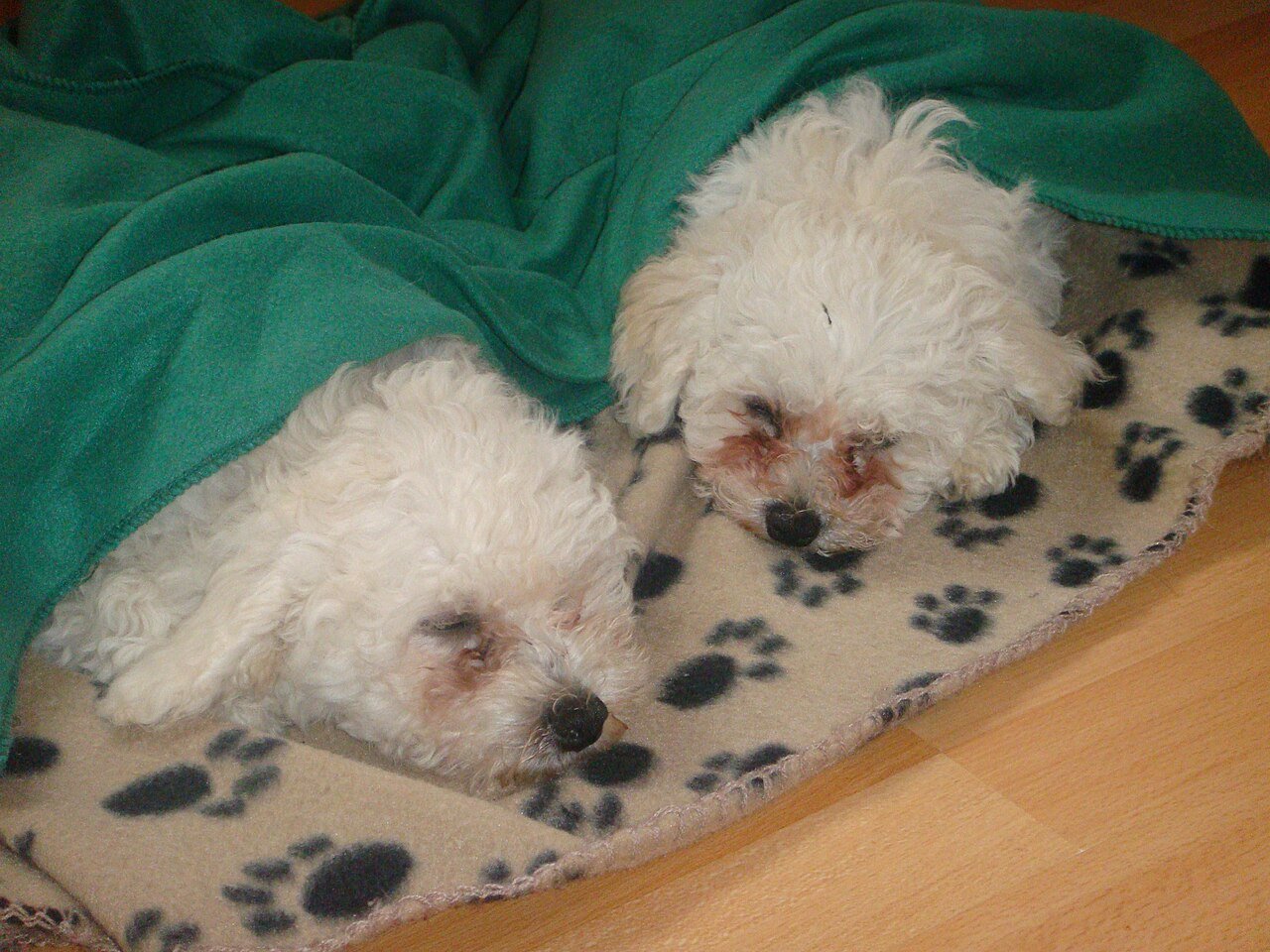
Take your puppy out to potty right before bed. Inside the crate, add a towel and one safe chew toy. If your puppy wakes and cries after sleeping a while, that’s usually a potty need. Carry them outside, let them go, praise quietly and put them right back. Keep the lights low and skip the play. Our guide to puppy crying at night explains how to read different kinds of crying.
How long can a puppy stay in a crate?
Not too long. A common rule of thumb is that a puppy can hold their bladder for about one hour per month of age, plus one, up to a limit. That’s only a rough guide, and many puppies need breaks more often during the day, when they’re active and drinking.
| Puppy age | Rough daytime crate limit |
|---|---|
| 8 to 10 weeks | 30 to 60 minutes |
| 11 to 14 weeks | 1 to 3 hours |
| 15 to 16 weeks | 3 to 4 hours |
| 17 weeks and older | Up to about 4 to 5 hours, with breaks |
The AKC’s trainers advise never crating a dog longer than they’re comfortable or can hold their bladder. If you work full time, plan a midday break with a family member, neighbor or dog walker, or use a larger puppy pen instead of a closed crate.
What if my puppy cries in the crate?
First, ask why. If they just woke up, they may need to potty. If they cried as soon as you closed the door, you may have moved too fast. Go back a step and build up again with shorter sessions.
The AKC notes that crying that starts within minutes of going inside is likely stress or anxiety, and advises never forcing a dog inside or leaving them to cry it out. If your puppy barks or whines for attention after you know all their needs are met, wait for a pause in the noise before you let them out. Our article on puppy barking in the crate has more ideas.
Common crate training mistakes
- Using the crate as punishment. That teaches your puppy to dread it.
- Going too fast. Long stretches before your puppy is ready usually lead to crying.
- Using a crate that’s too big. Extra space can turn into a bathroom.
- Leaving a collar on. Tags and collars can catch on wire bars. Take them off inside the crate.
- Skipping exercise. A puppy with lots of energy left won’t settle easily.
Crate training a rescue puppy or an apartment puppy
If you’ve adopted from a shelter, your puppy may have had bad experiences with confinement. Go extra slow and keep the door open longer at the start. Our guide on adopting a puppy from a shelter covers the first weeks.
In an apartment, the crate helps you control accidents when the potty spot is an elevator ride away. Pair it with a regular schedule and the tips in our guide to potty training a puppy in an apartment.
Crate training is one piece of the bigger picture. Our puppy training guide has the next lessons to work on.
Frequently asked questions
How to crate train a puppy at night?
Put the crate next to your bed, take your puppy out to potty right before bed and give them a safe chew inside. If they wake up and cry after sleeping for a while, carry them outside to potty, then put them right back without play. Most puppies need one or two night trips at first.
How to crate train a puppy during the day?
Use the crate for naps after play and potty breaks, and for short periods when you can’t supervise. Start with a few minutes while you’re in the room, then step out briefly. Mix in lots of time out of the crate for play, training and exploring, so the crate stays a resting spot rather than a holding cell.
How to crate train a puppy with separation anxiety?
Go very slowly and stop if your puppy panics. Signs of real distress include drooling, frantic howling, scratching or biting at the bars and hurting themselves. A puppy in that state shouldn’t be left crated. Talk to your vet, who may refer you to a veterinary behaviorist or a qualified trainer.
How to crate train a puppy to pee outside?
Take your puppy straight from the crate to the same potty spot outside every time. Wait quietly, then praise and reward as soon as they go. Because most puppies avoid soiling where they sleep, a right-sized crate encourages them to hold it until you take them out.
What does crate train a puppy mean?
Crate training means teaching your puppy to feel relaxed in a dog crate. A crate-trained puppy will walk in on their own, settle down and rest quietly with the door closed for a reasonable amount of time. It helps with potty training, travel, vet stays and keeping your puppy safe when you can’t watch them.
Vet note: This article is general information and is not a substitute for advice from your own veterinarian. If your puppy is having trouble breathing, collapses, has a seizure or may have eaten something toxic, call your vet or the nearest emergency animal hospital right away. ASPCA Animal Poison Control: 888-426-4435 (a fee may apply).
