
Puppy proofing your house means getting down to puppy height and removing anything they could chew, swallow or get stuck in. Hide electrical cords, lock up cleaners and medications, cover trash cans, move toxic plants, block stairs and pick up shoes, socks and small toys. Then set up one safe puppy room or pen.
Quick takeaways
- Look at each room from your puppy’s eye level, since that’s where the trouble is.
- Medications, cleaners, xylitol gum, chocolate and grapes are top poison risks in most homes.
- Cords, socks, hair ties and kids’ toys are common chewing and swallowing hazards.
- A gated puppy room or exercise pen is the easiest way to keep a young puppy safe.
- Save the ASPCA Animal Poison Control number and your nearest emergency vet in your phone.
In this guide
- How do I start puppy proofing my house?
- Puppy proofing checklist: kitchen
- Puppy proofing checklist: living room
- Puppy proofing checklist: bedrooms and bathrooms
- Puppy proofing checklist: garage, laundry room and basement
- How do I puppy proof the yard?
- What is a puppy proof room?
- Puppy proofing for tiny breeds like Chihuahuas
- What about seasonal hazards?
- What should I do if my puppy eats something dangerous?
- Puppy proofing on the go
- Frequently asked questions
Puppies are curious, fast and chew on everything. In just a few minutes alone, a puppy can find a phone charger, a dropped pill or a sock under the bed. Puppy proofing your house before your puppy comes home saves you a lot of stress, and it may save you a trip to the emergency vet.
How do I start puppy proofing my house?
Get down on your hands and knees. Seriously. Look at each room from your puppy’s height, and you’ll spot things you never noticed: cords behind the TV, a gap behind the fridge, a pen under the couch.
Then work room by room through the checklist below. Focus first on the rooms your puppy will use most.
Puppy proofing checklist: kitchen
The kitchen is full of smells, which makes it a puppy magnet.
- Trash: use a can with a locking or heavy lid, or keep it behind a cabinet door.
- Food on counters: push food back from the edge. Puppies grow into counter surfers fast.
- Toxic foods: keep chocolate, grapes, raisins, onions, garlic, coffee and anything with xylitol out of reach. The ASPCA’s list of people foods to avoid feeding pets is a good reference.
- Cleaning products: move them up high or add childproof latches to low cabinets.
- Dish towels and sponges: hang them out of reach. They’re easy to swallow.

Puppy proofing checklist: living room
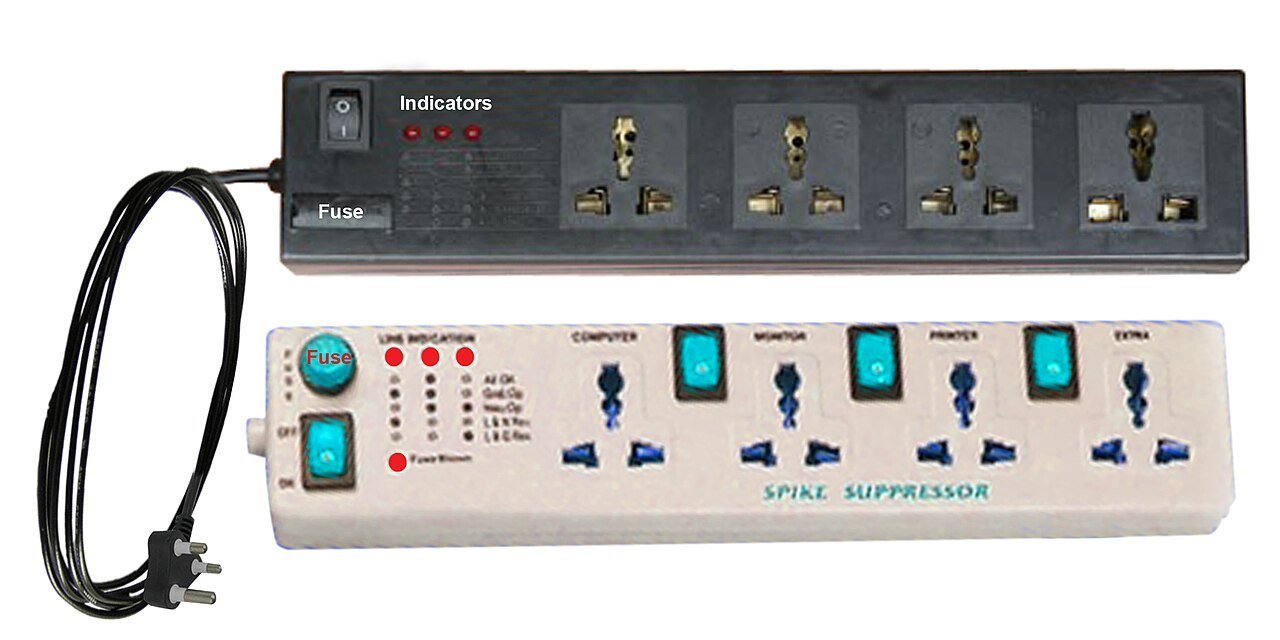
- Cords and chargers: bundle them with cord covers or route them behind furniture.
- Remote controls and phones: batteries can cause serious injury if chewed.
- Small objects: coins, hair ties, LEGO pieces and toy parts can cause choking or blockages.
- Houseplants: check every plant on the ASPCA’s toxic and non-toxic plants list. Move or rehome any that are toxic to dogs.
- Blinds: tie up dangling cords.
- Fireplaces and space heaters: use a screen or keep your puppy out.
Puppy proofing checklist: bedrooms and bathrooms
- Shoes, socks and underwear: put them in closets or hampers with lids. Socks are a common cause of intestinal blockage.
- Medications: keep all pills, vitamins and supplements in a closed cabinet, never on a nightstand or in a purse on the floor. Pills dropped on the floor are a real risk.
- Personal care items: toothpaste, mouthwash, sugar-free gum and some nicotine products may contain ingredients that are dangerous to dogs.
- Toilet lids: keep them closed, especially if you use cleaning tablets.
- Hair ties and jewelry: keep them in drawers.
Puppy proofing checklist: garage, laundry room and basement
These spaces often hold the most dangerous chemicals in the house.
- Antifreeze: it can be deadly to dogs even in small amounts. Store it sealed and high, and clean up drips right away.
- Rodent bait and insect traps: keep them where your puppy can’t reach, or better yet, ask a pest company about pet-safe options.
- Lawn and garden products: fertilizers, weed killers and slug bait can all be harmful.
- Laundry pods and detergents: store them up high and closed.
- Tools, screws and nails: clear floors and low shelves.
How do I puppy proof the yard?
- Fences: walk the line and check for gaps, holes or spots your puppy could squeeze under.
- Gates: make sure they latch on their own.
- Pools and hot tubs: fence them off or cover them, and never leave your puppy alone near water.
- Plants and mulch: check garden plants against the ASPCA list. Cocoa bean mulch is a known risk for dogs.
- Mushrooms: pick up any wild mushrooms that pop up after rain.
- Shade and water: make sure there’s both, any time your puppy is outside.
What is a puppy proof room?
Even a well-proofed house has risks, so most trainers suggest a single, safe “puppy zone” for times you can’t watch. A kitchen, laundry room or gated corner of the family room works well.
Inside it, put:
- A crate or bed
- A water bowl
- Two or three safe chew toys
- A potty pad in a corner, for very young puppies
- Nothing you’d mind getting chewed
Use baby gates or an exercise pen to close it off. This setup is especially handy if you work outside the home. Our guide on how to take care of a puppy has more on daily routines.

Puppy proofing for tiny breeds like Chihuahuas
Small breeds have their own risks:
- Gaps: tiny puppies can slip behind appliances, under fences and through stair railings. Check every gap.
- Falls: jumping off a high bed or couch can injure a toy puppy. Use pet steps or keep them off furniture.
- Being stepped on: teach everyone in the house to shuffle their feet and look down.
- Cold: toy breeds lose heat quickly. Keep their area warm and away from drafts.
What about seasonal hazards?
Holidays add new risks. Halloween candy bowls, Thanksgiving leftovers, tinsel, ribbons, ornaments and string lights all appeal to puppies. If you think your puppy got into candy, see our guide on what to do if a dog ate Halloween candy. Winter also brings antifreeze and ice melt, so wipe your puppy’s paws after walks.
What should I do if my puppy eats something dangerous?
Act fast. Call your vet, your nearest emergency hospital or the ASPCA Animal Poison Control Center right away. A consultation fee may apply. Don’t make your puppy vomit unless a vet tells you to. Have the package or a photo of what they ate ready when you call.
Puppy proofing on the go
Your car and any travel spots need proofing too. Use a crate or a car harness, and never leave your puppy alone in a car. Our puppy travel essentials checklist covers what to pack, and our guide on harness vs collar for puppies helps you choose the safest gear for walks.
Frequently asked questions
What to do to puppy proof your house?
Start in the rooms your puppy will use most. Hide or cover cords, latch low cabinets, put cleaners, medications and personal care products up high, use lidded trash cans, move toxic plants and pick up anything small enough to swallow. Add baby gates at stairs and set up a safe pen for times you can’t watch your puppy.
What is puppy proofing?
Puppy proofing is making your home safe for a curious, chewing puppy before they arrive. It’s the same idea as baby proofing: removing hazards, blocking off risky areas and giving your puppy safe things to chew instead.
Do i need to puppy proof my house?
Yes. Puppies explore with their mouths and can swallow things that cause poisoning or a blockage that may need surgery. Puppy proofing also protects your stuff and makes training easier, since your puppy has fewer chances to learn bad habits.
What is a puppy proof room?
It’s a small room or gated area, often a kitchen, laundry room or bathroom, where everything dangerous or chewable has been removed. It usually holds a crate or bed, water, safe toys and a potty pad, so your puppy can stay safe when you can’t supervise.
How can i puppy proof my home for a chihuahua?
Tiny puppies can squeeze through gaps that bigger puppies can’t, so check under furniture, behind appliances and between stair rails and gate bars. Prevent falls by blocking access to high beds and couches or adding ramps, and keep floors clear of small objects. Chihuahua puppies also chill easily, so keep their area warm.
Vet note: This article is general information and is not a substitute for advice from your own veterinarian. If your puppy is having trouble breathing, collapses, has a seizure or may have eaten something toxic, call your vet or the nearest emergency animal hospital right away. ASPCA Animal Poison Control: 888-426-4435 (a fee may apply).
