
Homemade puppy food is possible, but it’s harder to get right than adult dog food because puppies need precise levels of calcium, phosphorus and other nutrients to grow. Use a recipe written for your puppy by a board-certified veterinary nutritionist, follow it exactly, and keep a complete commercial puppy food as the base until you have one.
Quick takeaways
- Most home-cooked dog food recipes found online or in books are missing at least one essential nutrient.
- Puppies are more sensitive to mistakes than adults, especially with calcium and phosphorus in large breeds.
- A board-certified veterinary nutritionist can write a recipe for your puppy’s age, size and health, and update it as they grow.
- Never swap ingredients, skip the supplement or drop the oil in a balanced recipe.
- Cooked homemade food keeps about 3 to 4 days in the fridge. Freeze extra portions.
In this guide
- Why homemade puppy food is harder than it looks
- Homemade puppy food recipes vet approved: how to get one
- What goes into a balanced recipe
- Homemade puppy food for sensitive stomach
- Foods that never belong in homemade puppy food
- How to cook and store homemade puppy food safely
- How to switch your puppy to homemade food
- Is a mix of homemade and commercial food OK?
- Frequently asked questions
Cooking for your puppy can feel like the most caring choice you can make. You know every ingredient, nothing is ultra-processed and the kitchen smells great. The problem is that puppies are growing fast, and a recipe that looks healthy can still leave them short on nutrients they need for bones and organs. Here’s how to make homemade food work without risking your puppy’s growth.
Why homemade puppy food is harder than it looks
Adult dogs have some wiggle room. Puppies don’t. They need more calories, protein, calcium and phosphorus per pound than adults, in the right ratio, every day. Too little calcium can weaken bones. Too much, especially in large and giant breeds, can also cause skeletal problems.
The American Kennel Club’s guide to balanced homemade dog food reports that researchers at the University of California, Davis found 95% of 200 home-cooked dog food recipes they analyzed lacked at least one essential nutrient. The same article says homemade diets are risky for growing puppies without expert supervision. Signs of deficiencies can take months to appear, and by then some damage may not be reversible.
Common gaps in online recipes
- Not enough calcium, often because the recipe uses meat without bone or a calcium source
- Missing trace minerals like zinc, iodine and selenium
- Too little or the wrong kind of fat
- Vague amounts like “a handful” or “one chicken breast”
- No note on what life stage the recipe is balanced for
Homemade puppy food recipes vet approved: how to get one
When you see “vet approved” on a recipe, ask who approved it and for which life stage. The safest route is a recipe written for your puppy by a board-certified veterinary nutritionist (they use the letters DACVIM (Nutrition) or DECVCN). Your regular vet can refer you, and some nutritionists offer remote consults.
Expect them to ask for:
- Your puppy’s age, current weight and expected adult size
- Breed or mix, since large and giant breeds need special care with calcium
- Any health issues or food sensitivities
- Ingredients you’d like to use or avoid, and your budget
You’ll get a recipe with gram weights and a specific supplement. Because your puppy’s needs change as they grow, plan on rechecking the recipe at intervals the nutritionist suggests.
What goes into a balanced recipe
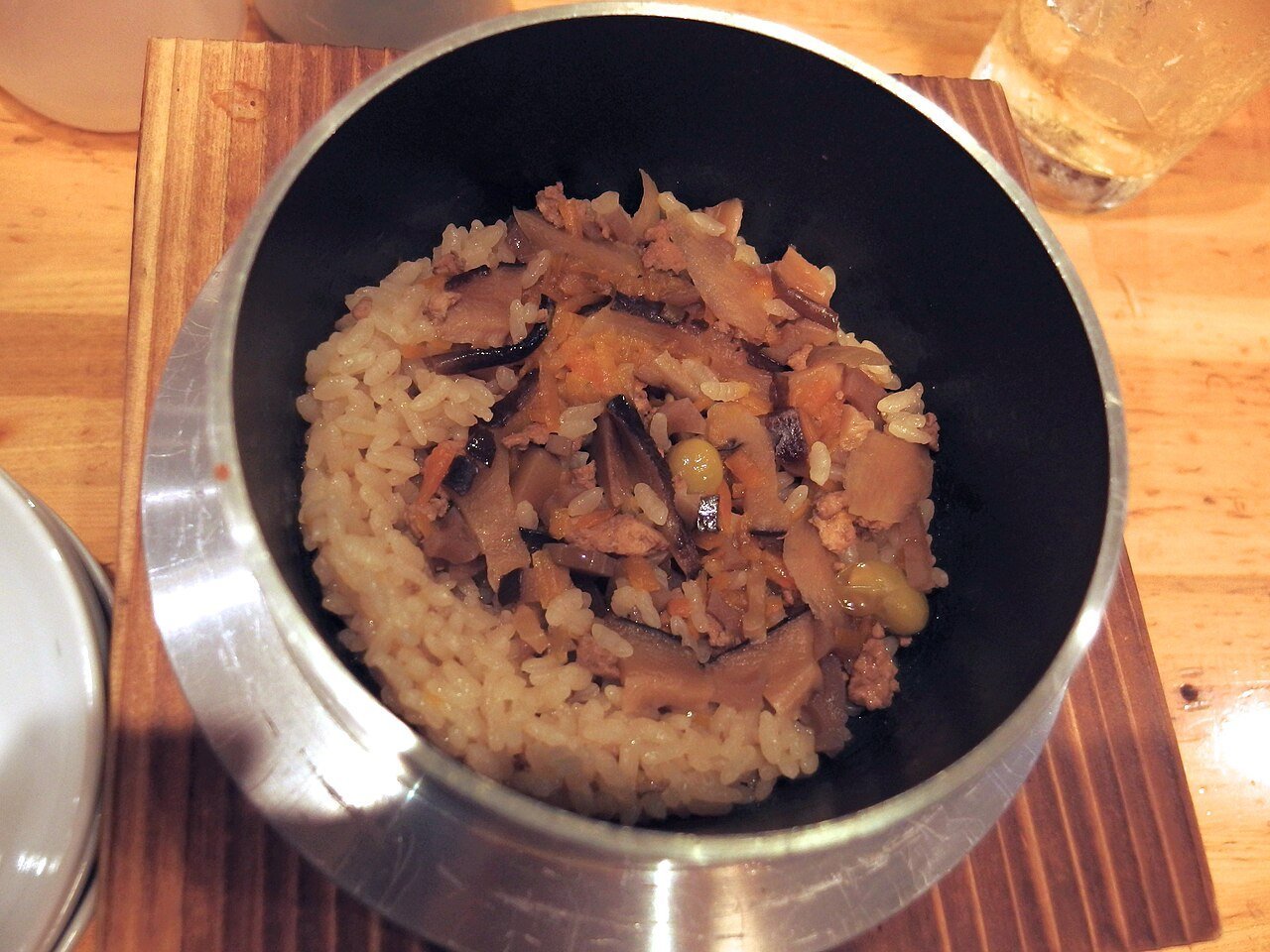
Every recipe is different, but most balanced home-cooked diets for puppies include these parts:
| Part | Common examples | Why it’s there |
|---|---|---|
| Protein | Cooked chicken, turkey, lean beef, eggs, fish | Growth and muscle |
| Carbohydrate | Cooked rice, oats, sweet potato | Energy and fiber |
| Fat | A specific oil, like fish oil or vegetable oil | Calories, skin and brain development |
| Vegetables | Cooked carrots, green beans, pumpkin | Fiber and some vitamins |
| Supplement | A vitamin and mineral mix named in the recipe | Fills gaps food alone can’t |
The supplement is the part people skip most often, and it’s the part that makes the recipe complete. A generic multivitamin isn’t a substitute. Human vitamins can also contain ingredients that are harmful to dogs.
Homemade puppy food recipes with chicken
Chicken is the most common protein in home-cooked dog food because it’s easy to find and most puppies like it. Cook it all the way through, remove skin and every bone, and weigh it after cooking if that’s how your recipe is written. Cooked bones splinter and can injure the mouth, throat or gut.
Homemade puppy food recipes for small breeds
Toy and small breed puppies have tiny stomachs and fast metabolisms. They may need four meals a day for longer and can get low blood sugar if they skip food. A nutritionist can write a calorie-dense recipe so your puppy doesn’t have to eat a large volume. Our puppy feeding schedule covers how many meals to give by age.
Homemade puppy food for sensitive stomach
If your puppy has loose stools or vomits often, see your vet before changing the diet. Stomach upset in puppies has many causes, including parasites and infections. A vet may suggest a short-term bland diet, such as plain cooked chicken and white rice, for a day or two. That’s for short-term rest only. It isn’t balanced and shouldn’t become your puppy’s regular food.
Foods that never belong in homemade puppy food
- Onions, garlic, leeks and chives, including powders
- Grapes and raisins
- Chocolate, coffee and caffeine
- Xylitol, found in some peanut butters, gum and baked goods
- Macadamia nuts
- Cooked bones of any kind
- Heavily salted, seasoned or fatty foods like gravy, bacon and ham

How to cook and store homemade puppy food safely
- Wash your hands, counters and cutting boards before and after handling raw meat.
- Cook meat, poultry and eggs fully. Cooking kills the bacteria that are common in raw meat.
- Weigh ingredients on a kitchen scale. Measuring cups aren’t precise enough for small puppies.
- Mix in the supplement after cooking if the recipe says so, because heat can damage some vitamins.
- Portion into containers for each day.
- Refrigerate what you’ll use in about 3 to 4 days and freeze the rest.
- Thaw frozen portions in the fridge, not on the counter.
- Throw out food your puppy leaves in the bowl after about 20 minutes.
How to switch your puppy to homemade food
Change slowly so your puppy’s stomach can adjust. Over about a week, mix the new food into the old food in growing amounts: about a quarter new for two days, half for two days, three quarters for two days, then all new. If stools turn loose, slow down.
Weigh your puppy every week or two after the switch, and ask your vet to check body condition at each visit. Steady growth, a shiny coat and normal stools are good signs. Weight loss, a dull coat, limping or swollen joints are reasons to call your vet and the nutritionist.
Is a mix of homemade and commercial food OK?
Many owners feed a complete commercial puppy food and add a small amount of fresh food on top. Keep extras to about 10 percent of daily calories so you don’t throw off the balance of the main diet. Plain cooked chicken, a spoon of plain canned pumpkin or a few green beans are common choices.
When your puppy gets close to adult size, the recipe will need to change again. Our guides on when to switch to adult food and the difference between puppy and adult dog food explain what changes and when. For newborns who can’t nurse, homemade formula isn’t a safe substitute for a commercial puppy milk replacer.
Frequently asked questions
How to make homemade puppy food?
Start with a recipe formulated for growing puppies by a board-certified veterinary nutritionist. Weigh every ingredient on a kitchen scale, cook meats and grains fully, add the exact supplement the recipe calls for, then portion and refrigerate or freeze. Don’t change the recipe without asking the nutritionist.
What is the best homemade puppy food?
The best one is a recipe made for your specific puppy and labeled complete and balanced for growth. There isn’t a single best recipe because a toy breed and a giant breed have very different needs.
Can I make my own puppy food?
Yes, with expert help. Without a balanced recipe, homemade diets can cause bone and growth problems in puppies that may not show up for months. If you just want to add some fresh food, small toppers on a complete puppy food are a lower-risk option.
When can I start feeding my puppy homemade food?
Most owners wait until the puppy is fully weaned and eating solid food well, usually after 8 weeks, and has seen a vet. Then switch slowly over about a week, using a recipe made for growth.
How long is homemade puppy chow good for?
Cooked homemade dog food is usually good for about 3 to 4 days in the fridge and a few months in the freezer. If you mean the Muddy Buddies style snack people call puppy chow, that’s made with chocolate and is not for dogs.
Vet note: This article is general information and is not a substitute for advice from your own veterinarian. If your puppy is having trouble breathing, collapses, has a seizure or may have eaten something toxic, call your vet or the nearest emergency animal hospital right away. ASPCA Animal Poison Control: 888-426-4435 (a fee may apply).
