
A pitbull Lab mix puppy is a cross between a Labrador Retriever and a pit bull type dog. You will also see the mix called a Labrabull, Pitador, or Lab pit mix. These dogs are common in shelters and rescues across the United States, and many families who adopt one describe a loyal, goofy, people focused companion with a lot of energy.
Because this is a mixed breed rather than a standardized one, there is no breed standard to promise you a size, coat, or temperament. What you get depends on the parents and on how the puppy is raised. This guide explains what you can reasonably expect, based on the two parent breeds, and how to raise a Lab pit mix puppy into a well mannered adult dog.
What is a pitbull Lab mix?
The Labrador side is easy to define. The Labrador Retriever is a recognized breed and ranks 2 of 210 in the American Kennel Club popularity list. Labs were bred as working retrievers, which is why they tend to love carrying things, swimming, and being busy.
The “pit bull” side is less clear. Pit bull is a loose label rather than a single breed. People use it for the American Pit Bull Terrier, the American Staffordshire Terrier, the Staffordshire Bull Terrier, and many mixed dogs with a broad head and muscular build. The American Pit Bull Terrier is not recognized by the AKC, while the American Staffordshire Terrier is. In practice, many “pitbull Lab mix puppies” in shelters are labeled on looks alone, and a DNA test may show a wider mix of breeds than expected.
That matters for owners. A puppy labeled as a Lab pit mix is a mixed breed dog, and you should judge it as an individual. Our guide to mixed breed puppies explains why mixes can vary so much, even within one litter.
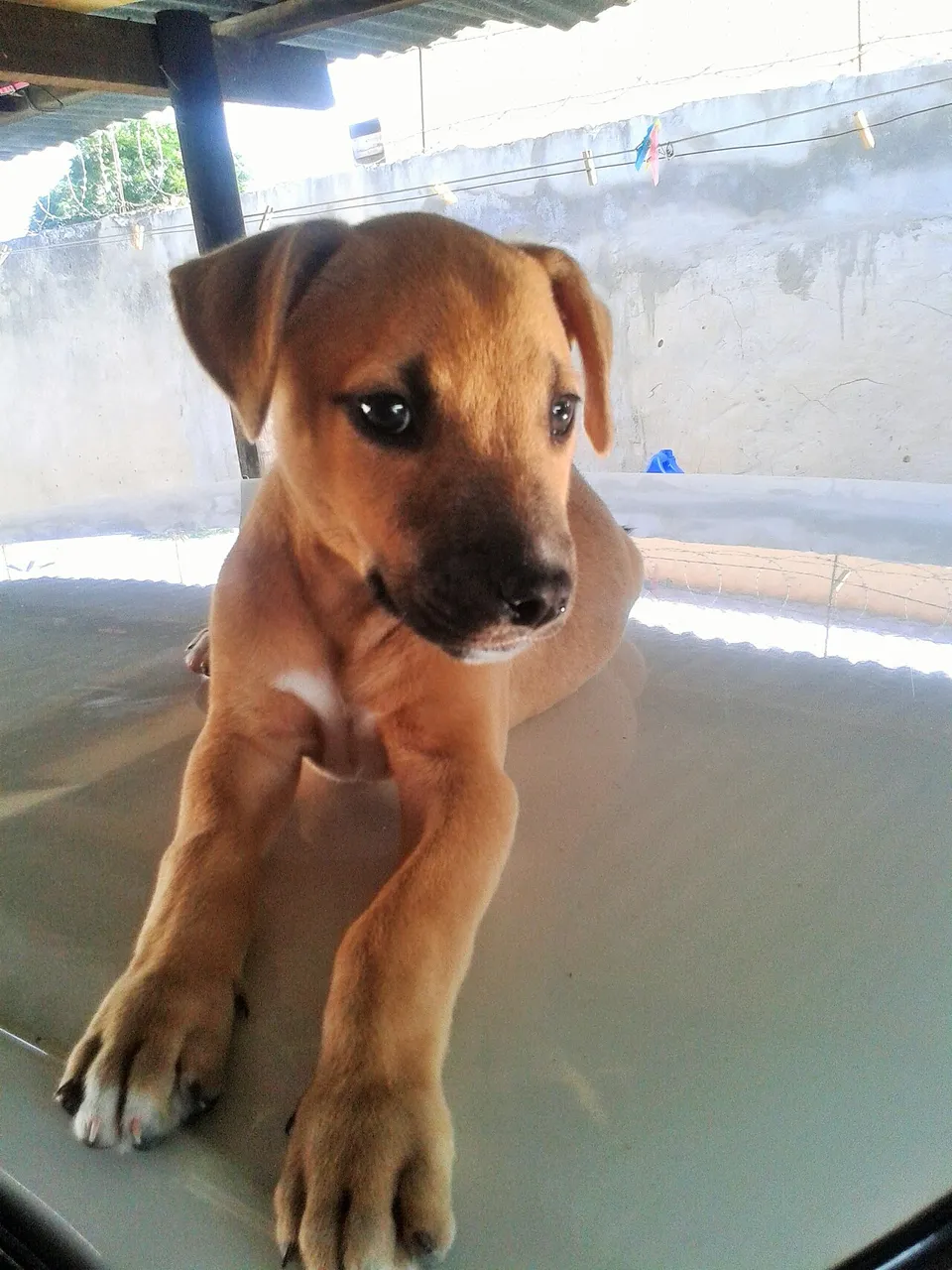
Pitbull Lab mix size: how big will the puppy get?
No one can tell you the exact adult size of a Lab pit mix puppy. The best you can do is look at the parent breeds and, if possible, the actual parents.
| Parent breed | Height | Weight | Life expectancy |
|---|---|---|---|
| Labrador Retriever (AKC) | 22.5 to 24.5 in (male), 21.5 to 23.5 in (female) | 65 to 80 lb (male), 55 to 70 lb (female) | 11 to 13 years |
| American Staffordshire Terrier (AKC) | 18 to 19 in (male), 17 to 18 in (female) | 55 to 70 lb (male), 40 to 55 lb (female) | 12 to 16 years |
Most Lab pit mixes land somewhere within the range set by their parents, which makes them a medium to large dog. A puppy with a smaller pit bull type parent may end up lighter, while one with a big Lab parent may be on the heavier side. Paw size and current weight give hints, but they are not reliable on their own. Our how big will my puppy get guide shows how to estimate adult size from growth curves, and the puppy growth chart can help you track progress.
Because this mix can grow into a large dog, feed a food made for large breed puppies unless your vet advises otherwise. The AKC notes that excessive growth rate, improper weight, and unbalanced nutrition can make a genetic tendency toward hip dysplasia worse. See our guide to large breed puppy dog food.
Appearance, coat, and colors
A pitbull Lab mix often has a short, dense coat, a broad head, and a strong, athletic body. Some look more like a slim Lab with a blockier head. Others look like a pit bull type dog with Lab ears and a longer muzzle.
Common colors include:
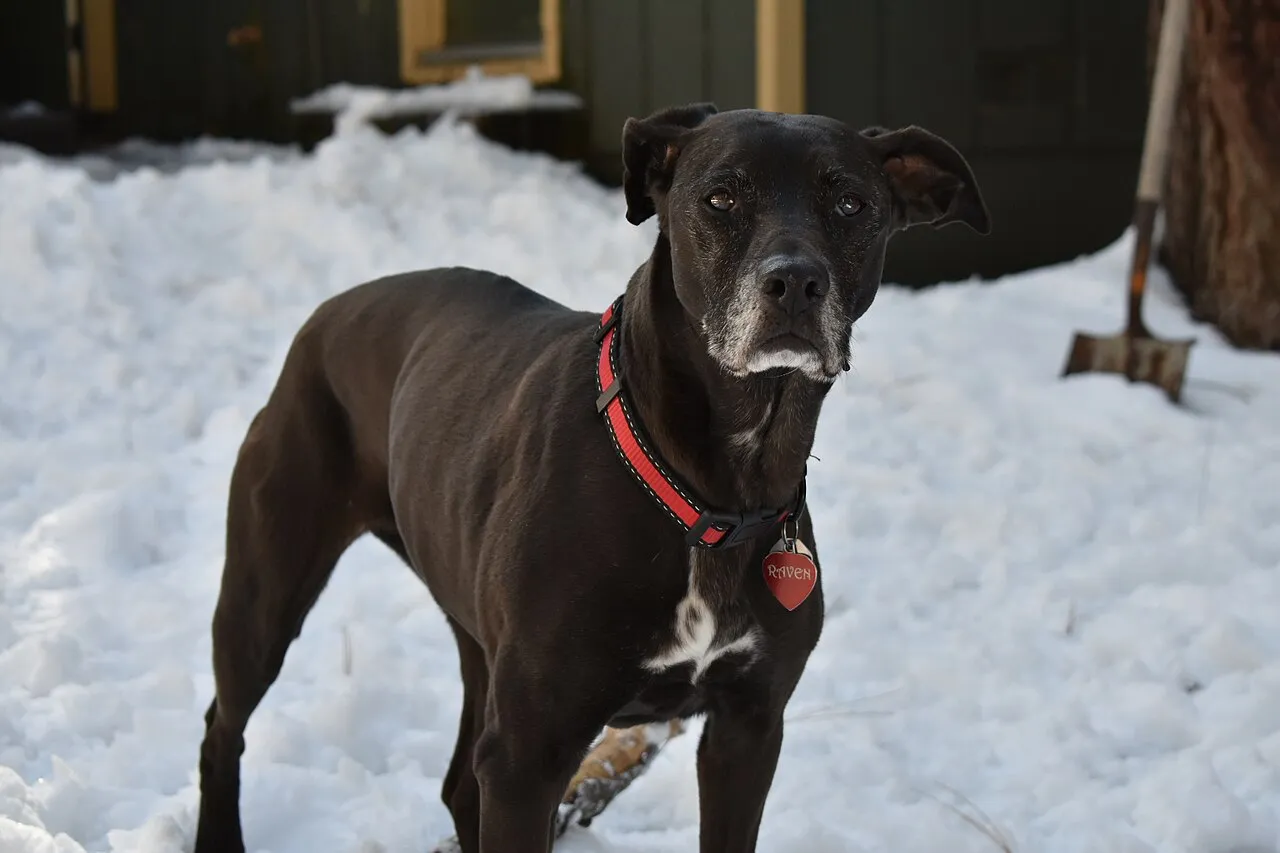
- Black, often with a white chest patch. Black Lab pit mix puppies are very common in rescues.
- Chocolate or brown, from a chocolate Lab parent or a brown pit bull type parent.
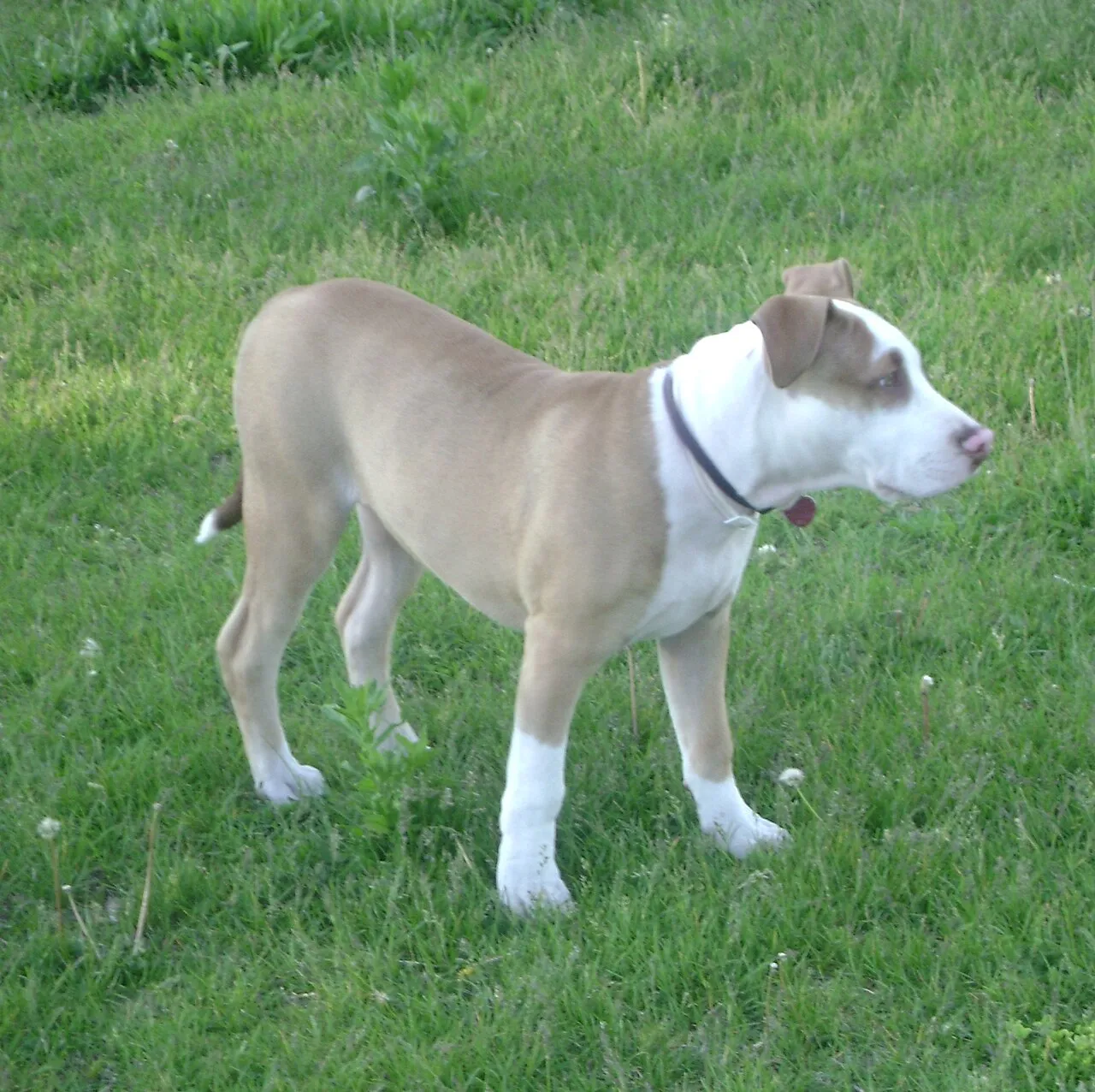
- Yellow, tan, or fawn, sometimes with white markings.
- Gray or blue, inherited from the pit bull side.
- Brindle or patched coats, depending on the parents.

Shedding and grooming
Both parent breeds have short coats, but Labs are known for steady shedding, and their double coat can blow out seasonally. Expect a Lab pit mix to shed moderately all year. Brushing once or twice a week with a rubber curry brush keeps loose hair down. Bathe only when the dog is dirty, trim nails every few weeks, and check ears regularly, especially if your dog swims. Short coated dogs can feel the cold, so some need a coat in winter.
Some pit bull type dogs have sensitive skin and are prone to allergies. If your puppy itches, licks its paws a lot, or develops red patches, talk to your vet. Our article on puppy allergy shampoo covers bathing options your vet may suggest.
Temperament and personality
Both parent breeds are known for being people oriented, and many Lab pit mixes are affectionate dogs who like to be close to their family. Labs bring a love of retrieving and water. Pit bull type dogs are often described as eager, playful, and very physical in how they show affection. Put them together and you often get an outgoing, high energy dog who enjoys games and wants to be included.
That said, temperament is not guaranteed by a label. Genetics, early handling, socialization, training, and the dog’s daily life all shape behavior. Two puppies from the same litter can be very different.
Traits owners commonly report in this mix:
- High energy. Most need daily exercise and mental work. A bored Lab pit mix can become a chewer or digger.
- Strong and enthusiastic. These dogs can pull hard on the leash and jump up in greeting. Training matters early.
- Mouthy as puppies. Lab puppies in particular love to carry and chew. See our guide on how to stop puppy biting.
- Social with people. Many are friendly with visitors once they are well socialized.
Are pitbull Lab mixes aggressive?
A dog’s breed label is a poor predictor of how it will behave as an individual. Visual breed identification of mixed dogs is often wrong, and a dog’s history, training, and environment have a large effect on behavior. The best way to raise a safe, friendly dog is thorough socialization, reward based training, good management, and supervision around children and other animals.
Some pit bull type dogs can be selective with other dogs as they mature. That is worth watching for with any mix that includes terrier breeds. Introduce new dogs slowly, read body language, and do not leave a young puppy unsupervised with unfamiliar dogs. If you see guarding of food or toys, read food aggression in puppies and get help early.
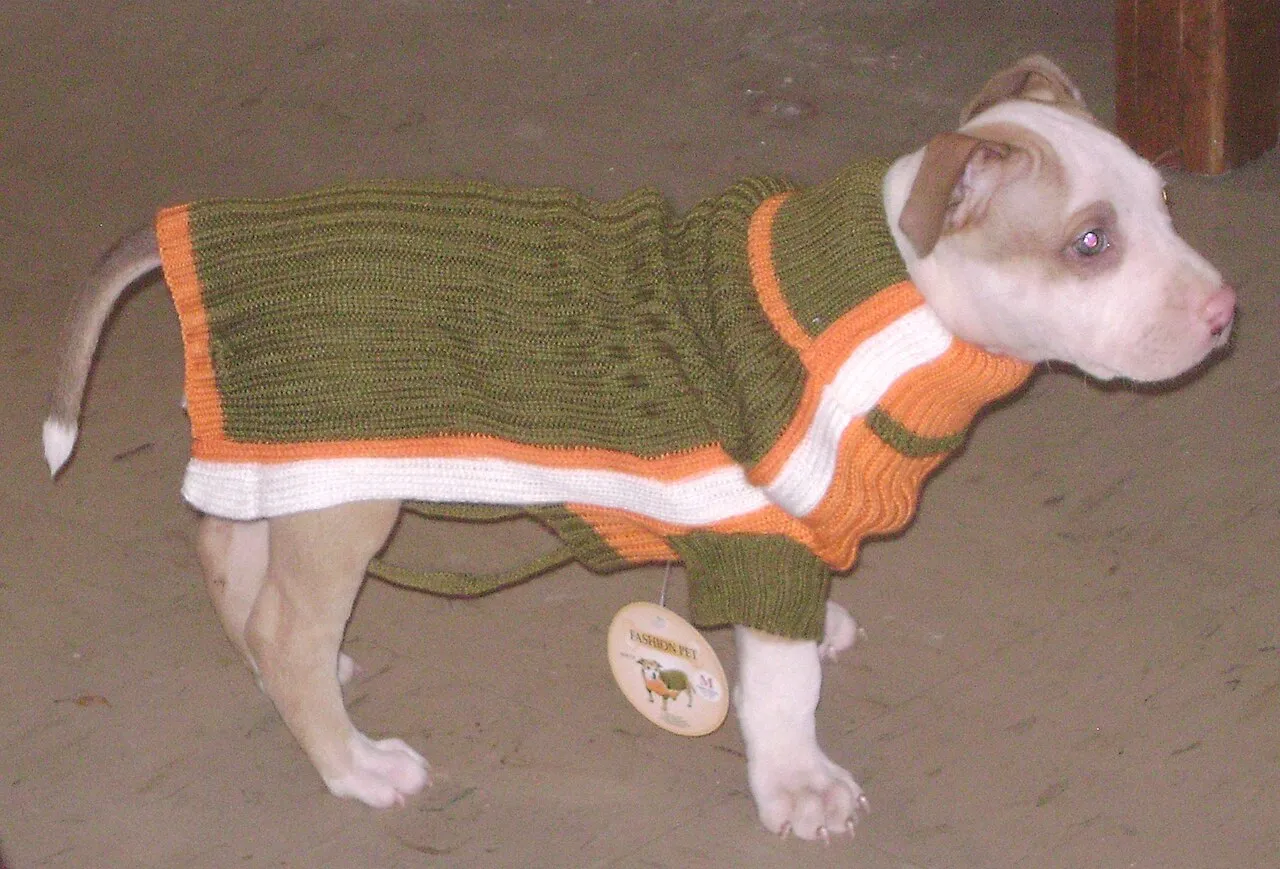
Training a Lab pit mix puppy
These puppies are usually food motivated and keen to engage, which makes them fun to train. Their strength and energy also mean you want good habits in place before they reach adult size.
Priorities in the first months:
- Socialization. Between roughly 3 and 14 weeks, puppies are especially open to new experiences. Safely expose your puppy to different people, surfaces, sounds, and calm vaccinated dogs. Our guide on how to socialize a puppy and the article on puppy socialization classes explain how to do this without overwhelming them.
- Loose leash walking. Start in the house and yard, rewarding the puppy for staying near you. A strong adult dog that pulls is hard to walk.
- Polite greetings. Teach “sit to say hello” so jumping does not become a habit.
- Bite inhibition and chew management. Give plenty of legal chew toys and redirect mouthing.
- Crate training and alone time. See crate training a puppy and, if your puppy fusses, puppy crying in crate.
- Recall. Start indoors with a fun cue and plenty of treats.
Use reward based methods. Harsh corrections can damage your relationship and can increase fear and reactivity. If you want breed specific tips, our pitbull puppy training and how to train a Lab puppy guides both apply to this mix.
Exercise needs
A grown Lab pit mix usually needs a good amount of daily activity: walks, play, and something to think about. Puppies need shorter sessions. Short walks, sniffing time, gentle play, and training games are better than long runs while their joints are still growing.
Activities many Lab pit mixes enjoy:
- Fetch with a ball or soft toy
- Swimming, if your dog takes to water like many Labs do
- Food puzzles and snuffle mats
- Scent games, such as hiding treats around the house
- Tug with clear rules (“take it” and “drop it”)
- Dog sports later on, such as agility or nosework, once your vet clears your dog
If you live near the coast, beach days can be a great outlet for a water loving mix. Owners in Southern California, for example, can check this local guide to the best beaches in San Diego, which points out dog friendly spots such as Ocean Beach Dog Beach and Coronado Dog Beach. Always check current leash rules before you go. Rinse salt water off afterward and do not let your dog drink sea water.
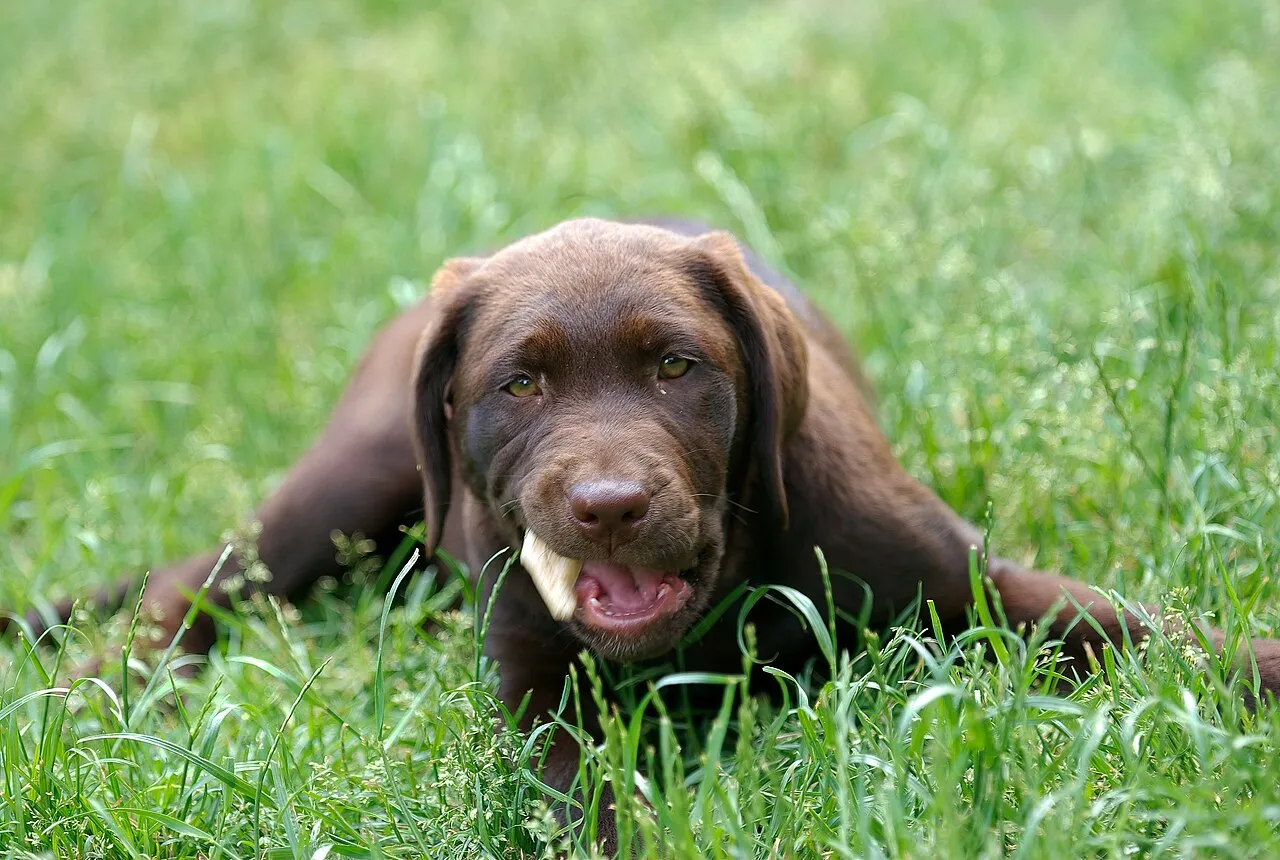
Health of a pitbull Lab mix
Mixed breed dogs can inherit health problems from either side. Ask about the parents’ health and testing where you can, and keep regular vet visits. Conditions that are worth knowing about in the parent breeds include:
- Hip and elbow dysplasia. The AKC says hip dysplasia is hereditary and especially common in larger dogs, and lists the Labrador Retriever among them. Signs include reluctance to climb stairs, a bunny hopping gait, and hind end lameness. The Orthopedic Foundation for Animals keeps records of health screening results for breeding dogs.
- Skin allergies. Itching, ear infections, and paw licking can all point to allergies.
- Obesity. Labs in particular tend to gain weight easily. Measure meals and count treats.
- Ear infections. Floppy ears and swimming can trap moisture.
- Eye conditions. Some eye diseases appear in Labs and some bully breeds.
- Bloat. Larger, deep chested dogs are at some risk. Learn the warning signs, such as a swollen belly, retching without vomiting, and restlessness, and treat it as an emergency.
This list is for awareness, not diagnosis. If your puppy limps, itches constantly, or seems unwell, see your vet. Keep up with puppy shots, parasite prevention, and dental care.
Life expectancy
The AKC lists 11 to 13 years for the Labrador Retriever and 12 to 16 years for the American Staffordshire Terrier. Many Lab pit mixes live within or near that combined range, though individual dogs vary with genetics, weight, and care.
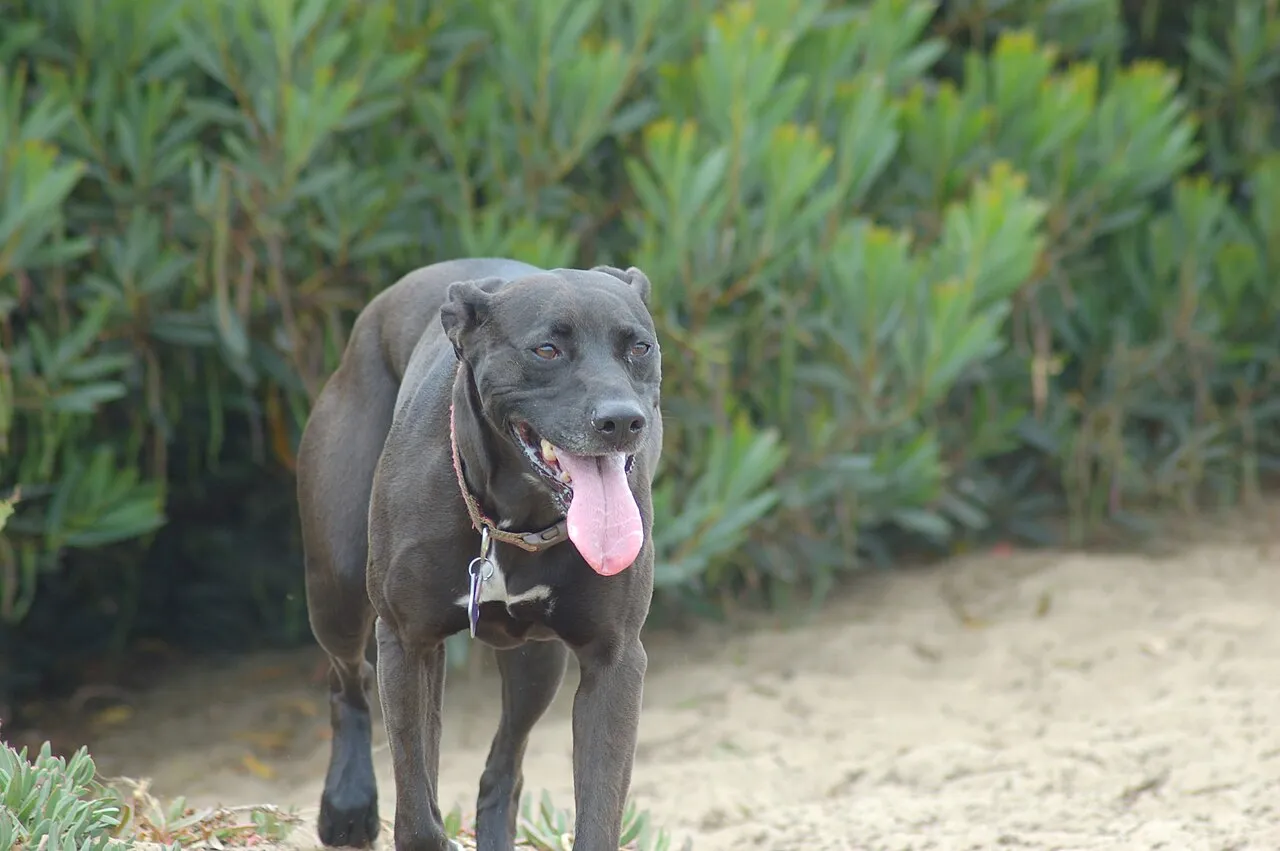
Feeding a Lab pit mix puppy
- Choose a complete and balanced food labeled for the growth of large breed dogs, unless your vet suggests otherwise.
- Feed three to four small meals a day for young puppies, moving to two meals as they get older.
- Use the feeding guide on the bag as a starting point and adjust to keep your puppy lean. You should be able to feel the ribs easily without seeing them sharply.
- Count treats as part of daily calories.
- Ask your vet before adding supplements, especially calcium, which can upset growth in large breed puppies.
Our guide on when to switch puppy dog food explains when to move to adult food.
Is a pitbull Lab mix good with kids?
Many Lab pit mixes are affectionate with the children in their family. Because they are strong, bouncy, and mouthy as puppies, they can easily knock over a small child by accident. Supervise every interaction, teach children not to grab, hug, or chase the puppy, and give the puppy a quiet space to retreat. Training the puppy to sit for greetings protects everyone.
If you have other pets, introduce them slowly and with supervision. Some Lab pit mixes do well with cats when raised with them, while others have a stronger chase drive.
Where to find a Lab pit mix puppy
Rescues and shelters
Lab pit mixes are frequently available in shelters, often labeled simply as “Lab mix” or “pit mix.” Adopting gives a puppy or adult dog a home, and many shelters include vaccines, deworming, spay or neuter, and a microchip in the fee. The ASPCA adoption search can help you find dogs near you. Our guides to how much it costs to adopt a puppy and adopting a puppy for free explain fees and what they usually cover.
Consider an adult dog too. With an adult, you can see the size, coat, and personality you are getting.
Breeders
Because this is a cross rather than a recognized breed, there is no breed club standard for Lab pit mix breeders. If you buy a puppy, be careful. Ask to meet the mother, see where the puppies are raised, and ask for vet records and any health screening on the parents. Avoid sellers who have many litters at once, refuse visits, or want to meet in a parking lot. See mixed breed puppies for a checklist of questions.
How much does a pitbull Lab mix puppy cost?
Prices vary widely by region, source, and what is included. Shelter and rescue adoption fees are usually far lower than breeder prices and often include first vaccines and spay or neuter. Breeder prices for mixes vary a lot, and a high price does not guarantee good health practices.
Budget beyond the purchase price for:
- Vet visits, vaccines, and parasite prevention in the first year
- Spay or neuter, if not included
- A large crate, bed, leash, harness, and sturdy chew toys
- Large breed puppy food, which adds up as the dog grows
- Training classes
- Pet insurance or an emergency fund
Similar mixes to consider
If you like the Lab pit mix, you might also look at:
- Boxer Lab mix puppy
- Hound Lab mix puppy
- German Shepherd and Lab mix puppy
- Chihuahua pitbull mix puppies, for a much smaller pit mix
- Siberian Husky and pitbull mix puppies
- Golden Retriever Lab mix puppies
For name ideas, browse our pitbull puppies names and chocolate Lab puppy names lists.
Is a pitbull Lab mix right for you?
A Lab pit mix is often a good fit if you:
- Have time for daily exercise and training
- Want an affectionate dog who likes to be close to people
- Can handle a strong dog on a leash
- Enjoy outdoor activities, especially fetch or swimming
- Can supervise children and other pets during the puppy months
It may not suit you if you are away from home for long hours with no help, want a low energy dog, or live where local rules restrict pit bull type dogs. Check housing rules and local laws before you adopt, because some landlords and insurers have breed restrictions that may apply to mixes.

Frequently asked questions
What is a pitbull Lab mix called?
Common names are Labrabull, Pitador, and Lab pit mix. None of these is a recognized breed name. They are informal names for a cross between a Labrador Retriever and a pit bull type dog.
How big does a pitbull Lab mix get?
Most become medium to large dogs. The Labrador Retriever and the American Staffordshire Terrier together cover a range of about 40 to 80 pounds by AKC standards, and most Lab pit mixes fall within the range of their own parents. Exact size is hard to predict.
Do pitbull Lab mixes shed a lot?
They shed moderately. Labs are steady shedders, and many mixes inherit that coat. Weekly brushing keeps it manageable.
Are pitbull Lab mixes good family dogs?
Many are affectionate family companions when they get enough exercise, training, and socialization. As strong, bouncy dogs, they need supervision with small children.
How long do pitbull Lab mixes live?
The parent breeds have AKC life expectancies of 11 to 13 years for the Labrador and 12 to 16 years for the American Staffordshire Terrier. Lifespan in a mix depends on genetics, weight, and care.
Are pitbull Lab mixes easy to train?
Many are food motivated and eager to please, which helps. Their energy and strength mean you should start early with reward based training and plenty of socialization.
Can I find a black Lab pit mix puppy at a shelter?
Often, yes. Black Lab pit mixes are common in rescues and shelters. Ask staff about the puppy’s history and personality, and consider a DNA test if you are curious about its background.
The bottom line
A pitbull Lab mix puppy is usually an energetic, people loving dog who grows into a medium to large adult. The mix is not a standardized breed, so size, coat, and personality vary. Plan for daily exercise, early socialization, reward based training, and large breed puppy nutrition. Choose a reputable rescue or a careful breeder, and work with your vet on health checks as your puppy grows.
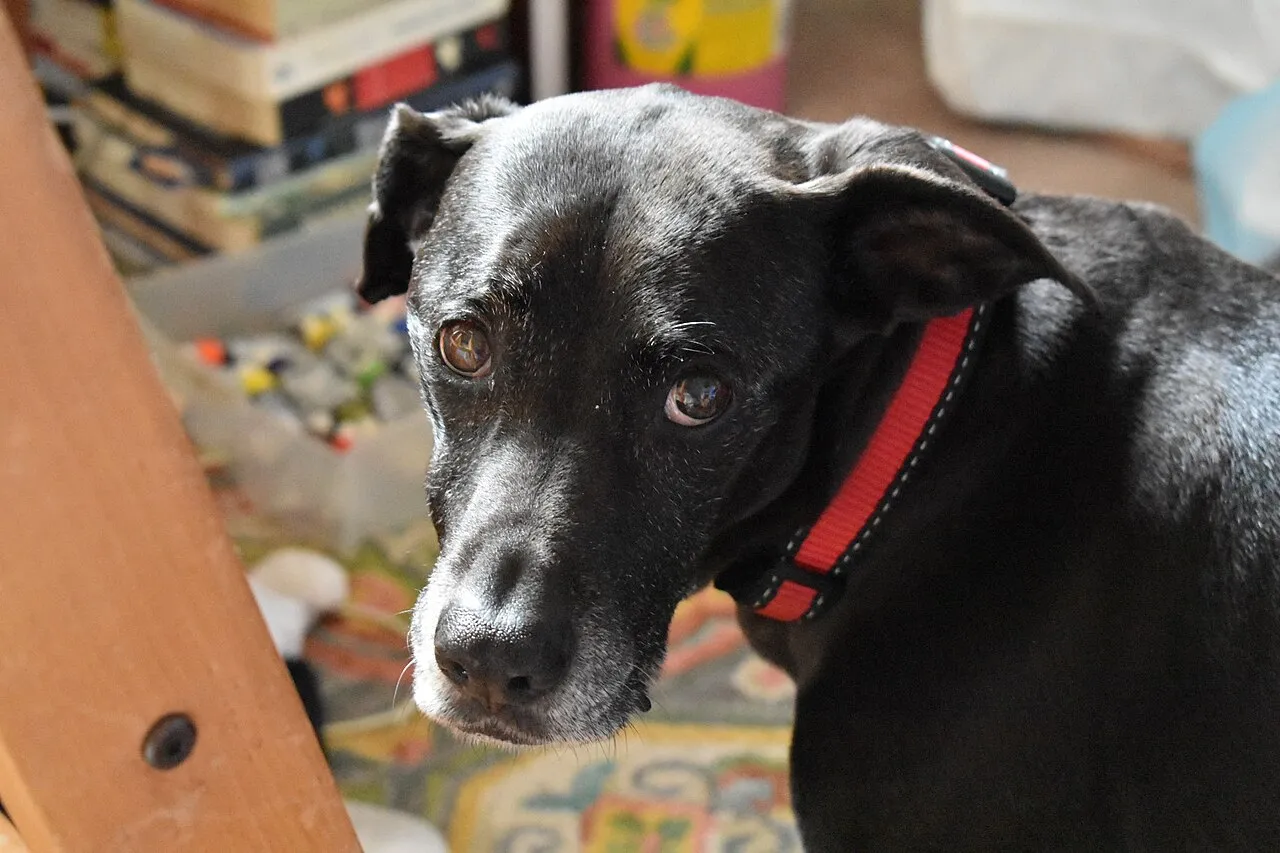
Photo credits
- Black Labrador and pit bull mix dog lying in grass: Photo: Eugeva / Wikimedia Commons, CC BY-SA 4.0
- Young tan pit bull cross puppy standing on a table: Photo: Thelordofsomething / Wikimedia Commons, CC BY-SA 4.0
- Pitbull Lab mix carrying a stick through shallow water: Photo: Sheila Sund from Salem, United States / Wikimedia Commons, CC BY 2.0
- Seven week old American Pit Bull Terrier puppy wearing a knitted sweater: Photo: Edwin Luciano / Wikimedia Commons, Public domain
- Twelve week old chocolate Labrador Retriever puppy lying on grass: Photo: Rob Hanson / Wikimedia Commons, CC BY 2.0
- Gray pitador mix standing outdoors with tongue out: Photo: Jpesch95 / Wikimedia Commons, CC BY-SA 4.0
- Black pitador dog standing in snow: Photo: Jpesch95 / Wikimedia Commons, CC BY-SA 4.0
- Red nose American Pit Bull Terrier puppy at 20 weeks old on grass: Photo: Edwin Luciano / Wikimedia Commons, Public domain
- Gray Labrador puppy chewing a ball: Photo: Ghilt / Wikimedia Commons, CC BY-SA 4.0
- Senior black Labrabull with a gray muzzle and red collar: Photo: Jpesch95 / Wikimedia Commons, CC BY-SA 4.0


