
A puppy breathing fast while sleeping is usually normal, especially during dream sleep, when twitching, whimpering and quick, shallow breaths are common. Those bursts should pass within minutes. Call your vet if fast breathing stays steady, looks like hard work, or comes with coughing, pale or blue gums, weakness or poor appetite.
Quick takeaways
- Fast, irregular breathing during REM sleep is normal in puppies, and puppies dream more than adult dogs.
- The AAHA puts a normal resting breathing rate for dogs at about 15 to 30 breaths per minute.
- Count breaths for 30 seconds while your puppy sleeps calmly, then multiply by 2.
- Breathing that’s labored, noisy or steadily fast is not a dream. Call your vet.
- Trouble breathing after a vaccine can be an allergic reaction and needs care right away.
In this guide
- Why do puppies breathe fast while sleeping?
- What’s a normal sleeping breathing rate for a puppy?
- How do you count your puppy’s breathing rate?
- When is fast breathing while sleeping a problem?
- Why would a puppy breathe fast in its crate?
- Is fast breathing after vaccination normal?
- What health problems can cause fast breathing in puppies?
- How can you help your puppy sleep and breathe comfortably?
- Frequently asked questions
You check on your sleeping puppy and notice its little chest going up and down fast. Maybe its paws twitch and it lets out a tiny whimper. Seeing a puppy breathing fast while sleeping can be scary, but most of the time it’s a normal part of puppy sleep. Here’s how to tell normal dream breathing from breathing that needs a vet.
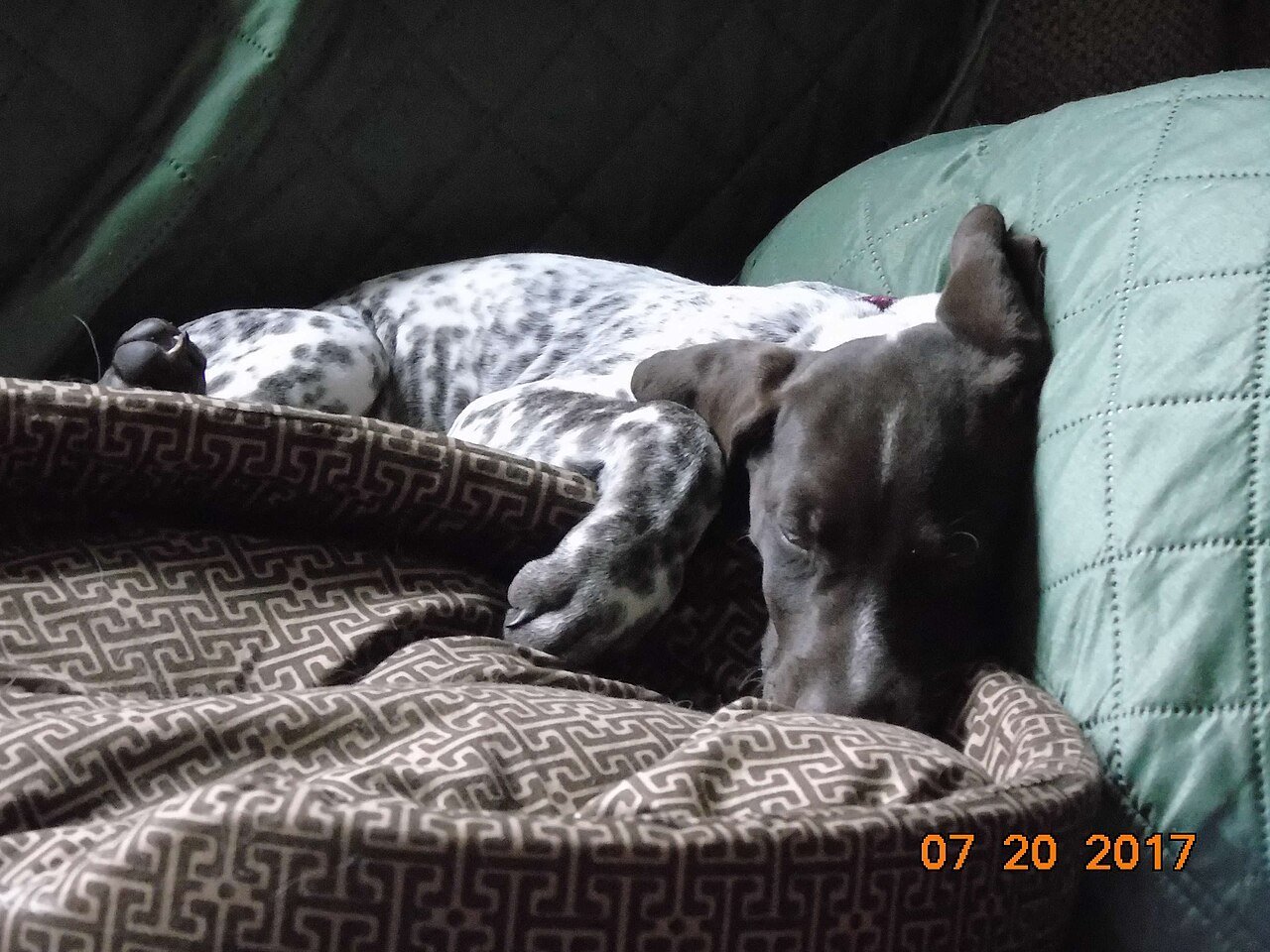
Why do puppies breathe fast while sleeping?
Dogs go through sleep cycles much like people do. According to VCA Animal Hospitals, dogs start in slow wave sleep, when breathing becomes deeper and more regular. Later they move into REM sleep, the stage linked with dreaming. During REM, a dog may whine, twitch its legs and breathe quickly, with breaths that are shallow and irregular.
VCA also notes that puppies dream more than adult dogs, likely because they’re taking in so much new information every day. Smaller dogs seem to dream more often too. So a toy breed puppy may cycle in and out of fast dream breathing many times during a single nap.
Other normal reasons for faster breathing at rest include:
- A warm room or a cozy blanket pile
- A big play session right before the nap
- Excitement or stress before falling asleep
- A full stomach after a meal
What’s a normal sleeping breathing rate for a puppy?
The American Animal Hospital Association says the normal number of breaths at rest for dogs is about 15 to 30 per minute, and anything continuously over 40 to 60 breaths per minute is concerning. Young puppies may run a bit higher than adults, and rates rise with heat, activity and stress.
The key word is “continuously.” A burst of fast breathing during a dream is different from a puppy whose breathing stays fast through calm, deep sleep.
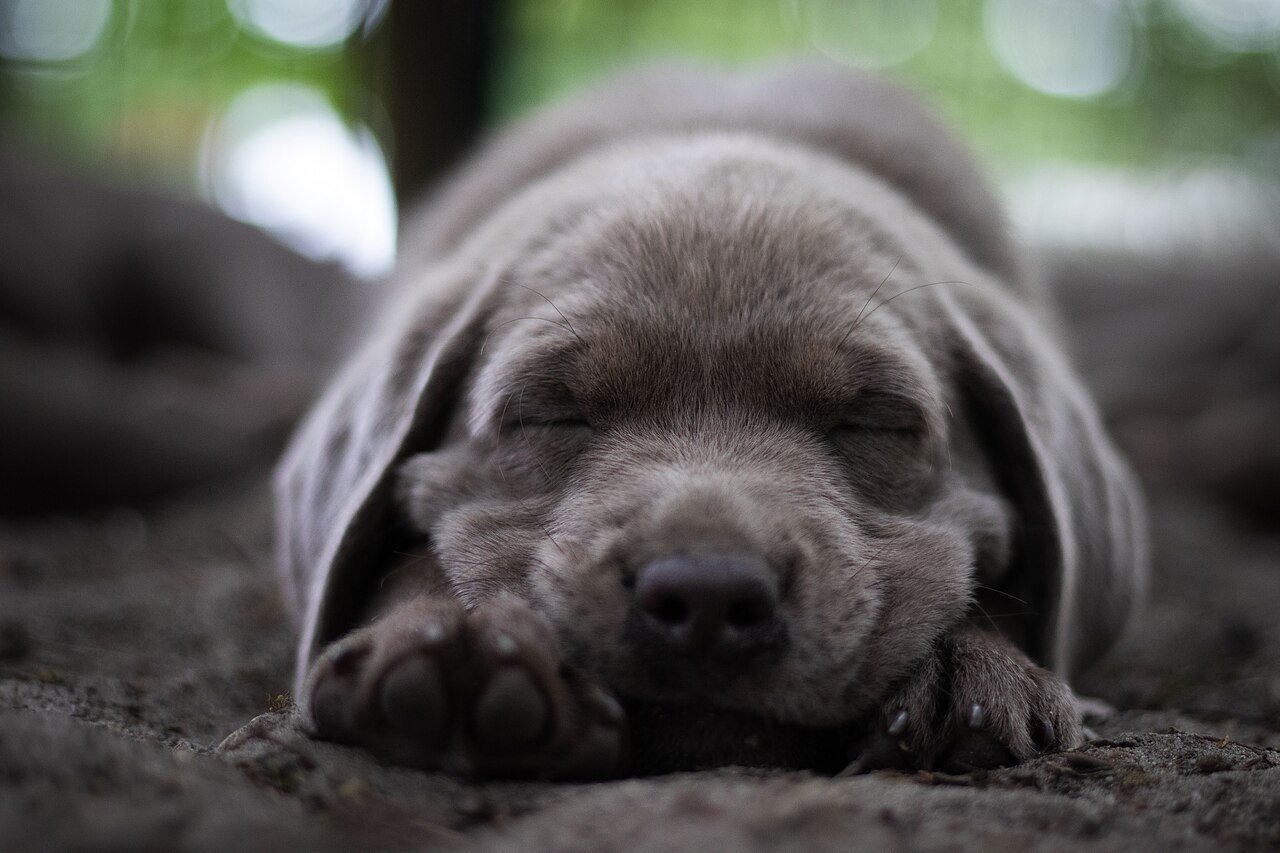
How do you count your puppy’s breathing rate?
Counting at home gives you a real number to share with your vet. VCA’s guide to home breathing rate checks suggests this approach:
- Wait until your puppy is sleeping calmly, not dreaming or just after play.
- Watch the chest or belly. One rise and one fall count as one breath.
- Count breaths for 30 seconds.
- Multiply by 2 to get breaths per minute.
Do this a few times on different days so you know your puppy’s normal. If you’re worried, take a short video of the breathing to show your vet. It helps, since many pets breathe faster at the clinic than they do at home.
When is fast breathing while sleeping a problem?
The AAHA lists signs of breathing trouble in dogs. Call your vet, or go to an emergency hospital if it’s after hours, when fast breathing comes with:
- Breathing that stays fast during calm sleep and doesn’t settle
- Belly muscles working hard with each breath
- Open-mouth breathing or panting at rest in a cool room
- Noisy, raspy or wheezing breaths
- Coughing
- Restlessness, getting up and down, or refusing to lie flat
- Sitting up with the head stretched out to breathe
- Pale, gray, blue or purple gums or tongue
- Weakness or collapse
The AAHA’s handout says sustained trouble breathing is an emergency and recommends going straight to the nearest ER.
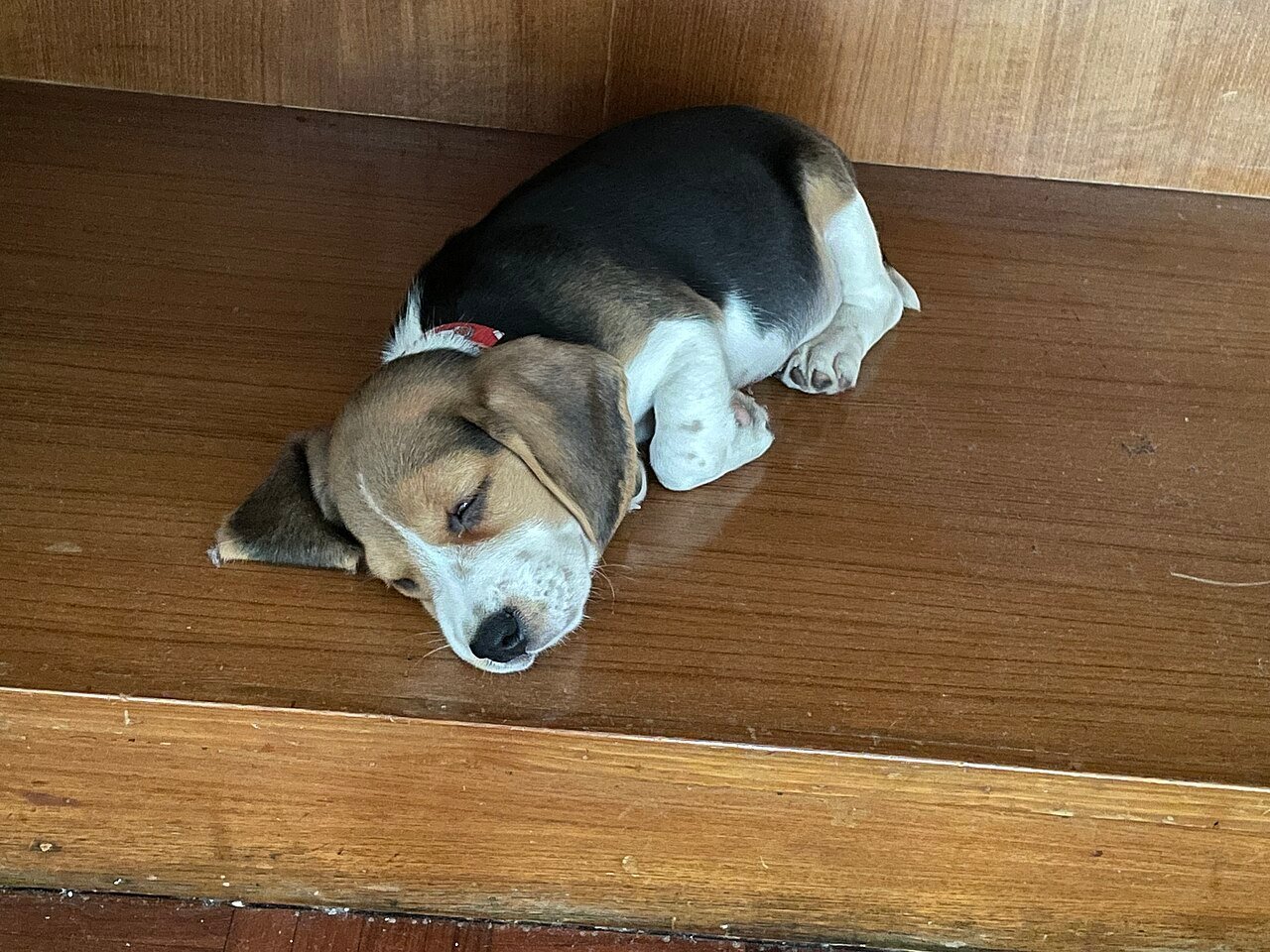
Why would a puppy breathe fast in its crate?
A crate can get warm, especially with a cover, a thick bed and a furry puppy inside. Make sure air moves freely and the crate isn’t in direct sun or next to a heater. Some puppies also breathe fast in a crate because they’re anxious about being alone. That kind of breathing usually comes with whining or restlessness and settles once the puppy relaxes.
If your puppy’s breathing stays fast after it falls into deep sleep in a cool, comfortable crate, count the breaths and check in with your vet.
Is fast breathing after vaccination normal?
The AVMA says mild side effects are common within hours of a vaccine: tiredness, mild fever, decreased appetite and soreness or swelling where the shot went in. These usually go away within 24 hours.
Difficulty breathing is different. The AVMA lists it as a sign of a rare but possibly life-threatening allergic reaction, along with facial swelling, hives, persistent vomiting or diarrhea, severe coughing and collapse. Get veterinary care immediately if you see any of these. Intranasal vaccines, such as some kennel cough vaccines, can cause sneezing or a mild cough 2 to 5 days later, which is usually mild. Our puppy vaccination schedule explains which shots your puppy gets and when.
What health problems can cause fast breathing in puppies?
The AAHA lists several causes of breathing trouble in dogs, including pneumonia, heart disease, trauma, pain, and fluid or air around the lungs. In puppies, a vet may also look for:
- Respiratory infections, including kennel cough
- Heatstroke, especially in flat-faced breeds
- Fever or pain from an injury
- Anemia, sometimes linked to heavy parasite loads
- Congenital heart problems
Fast breathing that comes with skipped meals or low energy is worth a call too. See our guide on what to do when your puppy is not eating.
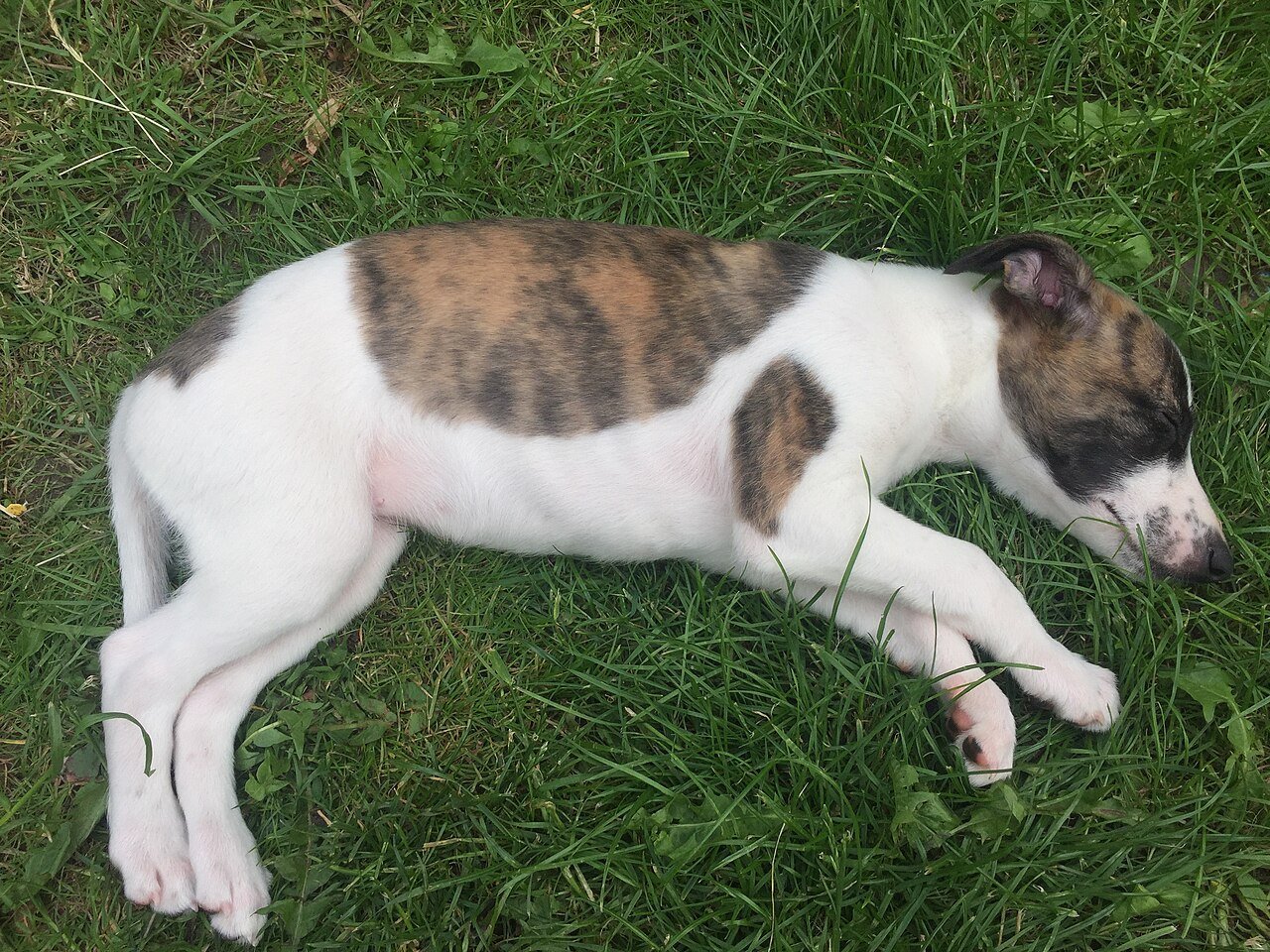
How can you help your puppy sleep and breathe comfortably?
- Keep the sleeping area cool, quiet and well ventilated.
- Give a calm wind-down period after play before naps and bedtime.
- Let your puppy sleep without interruption. VCA notes that dogs need uninterrupted sleep, and that many dog bites to children happen when a child wakes a sleeping dog.
- Keep a note of your puppy’s normal resting breathing rate.
Bring up breathing at your puppy’s checkups. Your vet will listen to the heart and lungs at every visit, starting with the first vet visit, and can tell you what’s normal for your puppy’s breed and age.
Frequently asked questions
How long do puppies breathe fast while sleeping?
Dream-related fast breathing usually comes in short bursts during REM sleep, often lasting a minute or a few minutes before breathing settles back down. If your puppy breathes fast the whole time it sleeps, or for most of a nap, count the breaths and call your vet.
Why is my puppy breathing fast while sleeping at night?
Most often, your puppy is dreaming. A warm room, a big play session before bed or a full belly can also speed things up for a while. Steady fast breathing, effort from the belly, or other signs like coughing or low energy point to something else and should be checked.
Do puppies breathe faster while sleeping?
Puppies can breathe faster than adult dogs, and their breathing often speeds up during REM sleep. VCA notes that puppies dream more than adult dogs, which is one reason quick breathing during naps is so common in young dogs.
Do puppies breathe heavy while sleeping?
Some do, especially flat-faced breeds like Bulldogs and Pugs, which may snore or breathe noisily. Loud, raspy or effortful breathing in any puppy deserves a vet check, because it can point to an airway or lung problem.
Is it normal for a puppy to breathe fast after vaccines?
Mild tiredness, a low fever and a sore injection spot are common within hours of a vaccine, according to the AVMA. Difficulty breathing is not a mild side effect. It can signal an allergic reaction, so get veterinary care immediately, especially if you also see facial swelling, hives, vomiting or collapse.
Vet note: This article is general information and is not a substitute for advice from your own veterinarian. If your puppy is having trouble breathing, collapses, has a seizure or may have eaten something toxic, call your vet or the nearest emergency animal hospital right away. ASPCA Animal Poison Control: 888-426-4435 (a fee may apply).
