
Here’s how to teach a puppy its name: say the name once in a happy voice, and the instant your puppy looks at you, mark it with “yes” and give a treat. Repeat 5 to 10 times per session, a few sessions a day. Most puppies start turning to their name within a few days.
Quick takeaways
- Say the name once, then reward the look. Don’t repeat it over and over.
- Practice in short sessions of 1 to 3 minutes, several times a day.
- Start somewhere quiet, then add distractions slowly.
- Never use the name to scold or for things your puppy dislikes.
- Treats work fastest, but toys, play and praise can replace some of them later.
In this guide
- What does it mean for a puppy to “know” its name?
- How do you teach a puppy its name? A 5-day plan
- What mistakes slow down name training?
- How do you teach a puppy its name without treats?
- How do you teach a puppy its name fast?
- How do you add distractions?
- How do kids and other pets fit in?
- When should you start teaching the name?
- What comes after name training?
- Frequently asked questions
Your puppy’s name is the first word you’ll teach and one you’ll use thousands of times. It’s the word that gets attention before every other cue, from “sit” to “come.” Knowing how to teach a puppy its name the right way makes everything else easier, and it only takes a few minutes a day.
What does it mean for a puppy to “know” its name?
A puppy who knows its name turns and looks at you when you say it, even with something else going on. That’s it. The name is an attention cue, not a recall cue. Coming to you is a separate skill you’ll train later.
This matters because many owners use the name to mean “come here,” “stop that” and “good dog” all at once. A clear meaning, “look at me and good things happen,” keeps the name useful.
How do you teach a puppy its name? A 5-day plan
You’ll need a quiet room, a pocket of small soft treats and a few minutes. The approach is the same reward-based training covered in our main guide on how to train a puppy.
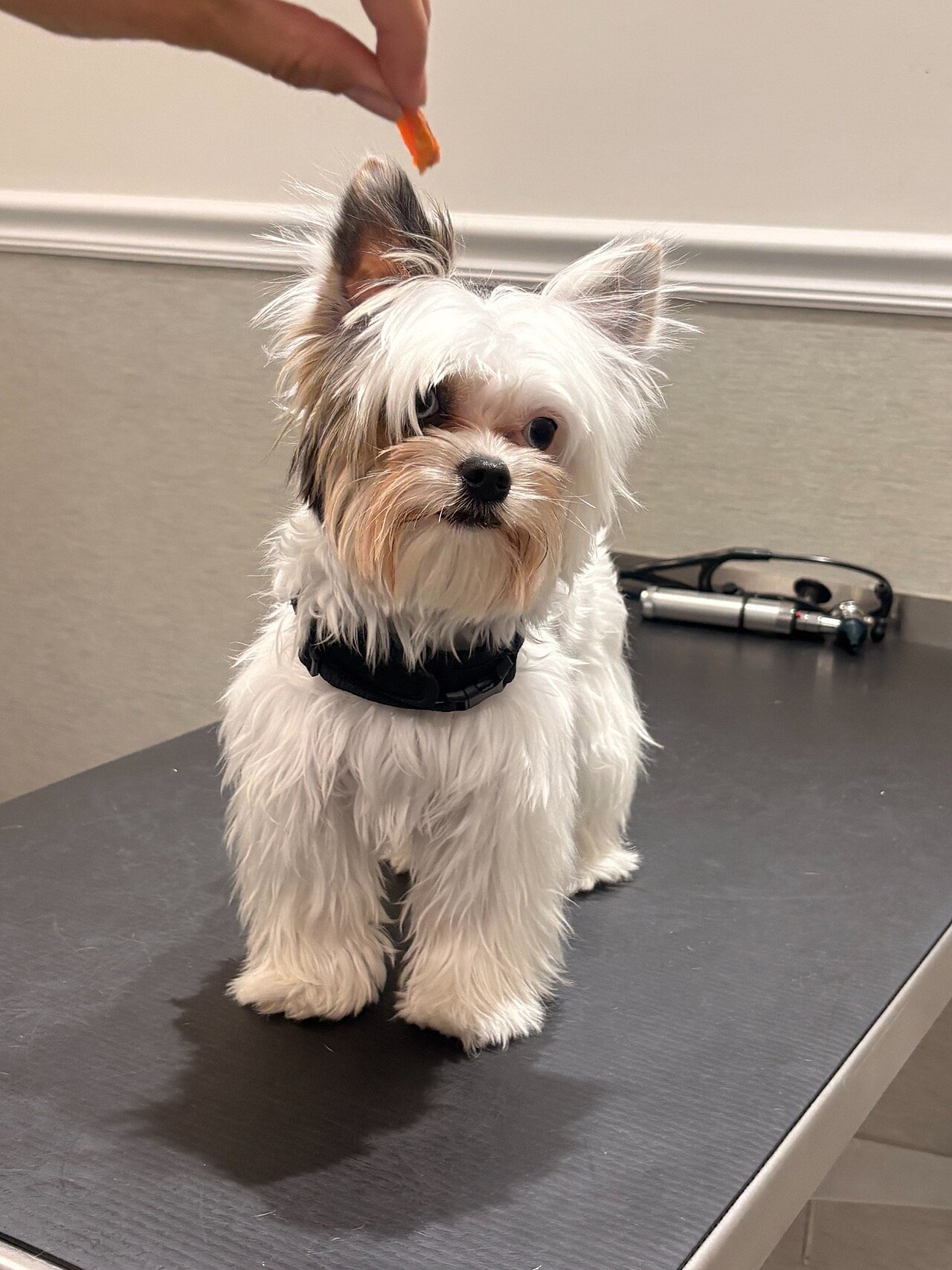
Day 1: Name equals treat. Sit near your puppy. Say the name once in a cheerful voice. Give a treat right away, even if your puppy didn’t look. Do this 5 to 10 times. You’re building the link between the sound and good stuff.
Day 2: Wait for the look. Say the name once. The moment your puppy glances at your face, say “yes” and treat. If there’s no look within a couple of seconds, make a kissy noise or move a little, then reward when your puppy looks.
Day 3: Add a little distance. Practice when your puppy is a few feet away and looking at something else, like a toy. Reward fast looks with an extra-good treat.
Day 4: Change rooms. Try in the kitchen, the hallway and the backyard. New places are harder, so go back to Day 2 rules if your puppy struggles.
Day 5: Add mild distractions. Practice while someone else is in the room or your puppy is sniffing a toy. Keep wins frequent.
Keep each session to 1 to 3 minutes. End while your puppy is still keen.

What mistakes slow down name training?
- Repeating the name. “Max, Max, MAX!” teaches your puppy that the name means nothing until the fourth time. Say it once.
- Using the name to scold. If the name comes before a bath, nail trim or “no,” your puppy may start ignoring it.
- Long sessions. Puppies have short attention spans. Several quick sessions beat one long one.
- Late rewards. Reward within a second of the look so your puppy knows what earned it.
- Too many nicknames. Pick one name for the first few weeks. Nicknames can come later.
How do you teach a puppy its name without treats?
Food works fastest for most puppies, but you can use other rewards too:
- A quick game of tug or a toy toss
- Happy praise and a scratch behind the ears
- Letting your puppy go back to sniffing or playing
- Opening the door to the yard
You can also use part of each meal, a few kibble pieces at a time, so you’re not adding extra calories. Once your puppy responds reliably, rewards can become less frequent, but keep paying sometimes so the name stays worth listening to.
How do you teach a puppy its name fast?
Speed comes from timing and repetition, not volume. A few tips:
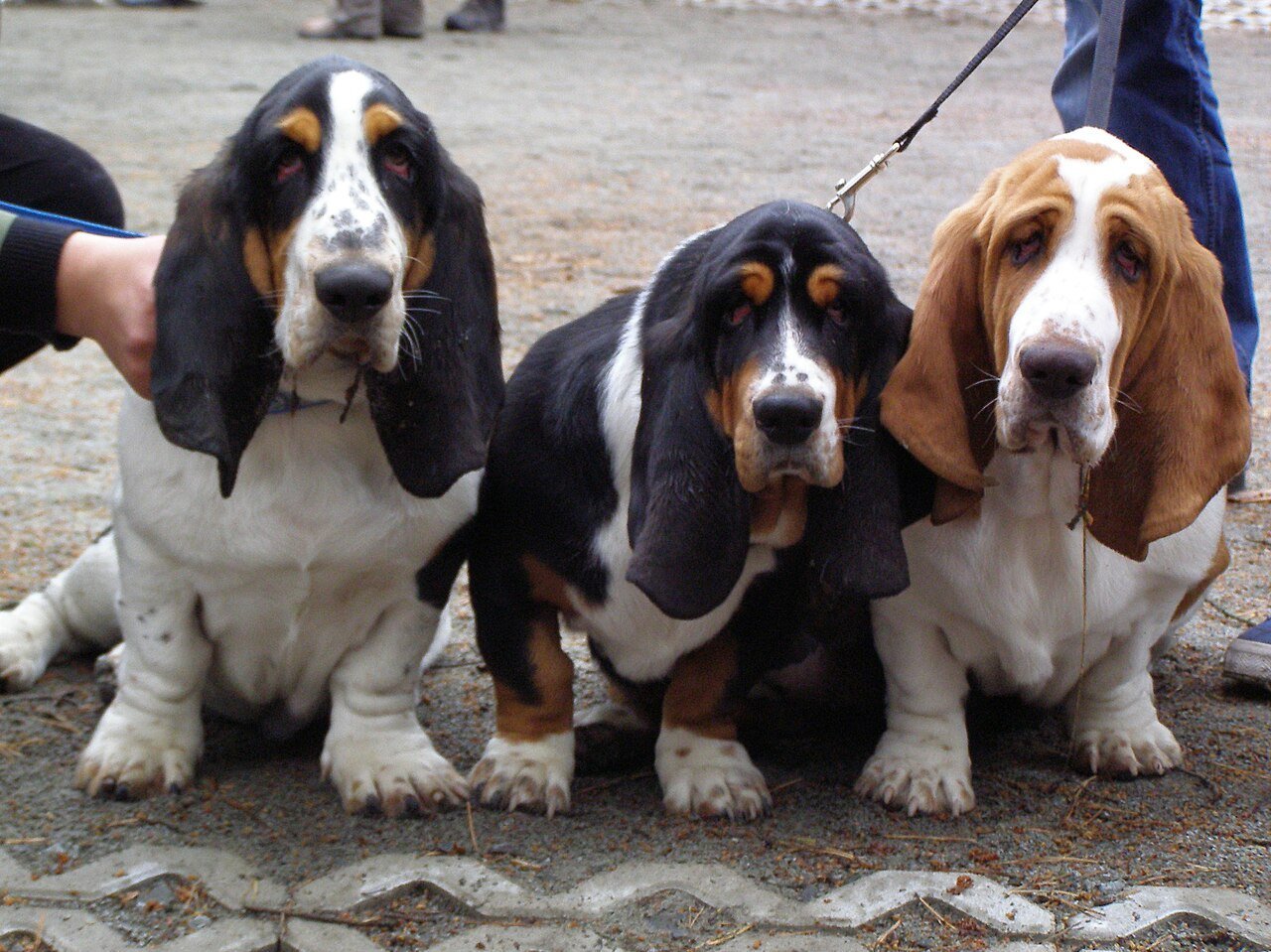
- Pick a short name. One or two syllables are easiest to say clearly.
- Avoid names that sound like cues. “Kit” sounds like “sit,” and “Bo” sounds like “no.”
- Practice before meals, when your puppy cares about treats.
- Use high-value rewards like tiny bits of cooked chicken in a new or noisy place.
- Get the whole household involved, using the same name and the same rules.
How do you add distractions?
Distractions are where most name training falls apart. Build up in small steps:
- Inside, with a toy on the floor
- Inside, with a person walking by
- In the backyard
- On a quiet walk
- Near other people or dogs, at a distance
If your puppy can’t respond, you’ve moved too fast. Back up a step, get a few wins, then try again.
How do kids and other pets fit in?
Kids can help with name training, and it’s a great first job for them. Have a child sit on the floor, say the name once and toss a treat on the ground rather than holding it out, which keeps fingers away from sharp puppy teeth. An adult should supervise and keep sessions short.
If you have another dog, train the puppy’s name in a separate room at first. Then practice with both dogs nearby, saying each name and rewarding only the dog you called. Older dogs often learn that their name means “your turn,” which keeps the household calmer at treat time.
When should you start teaching the name?
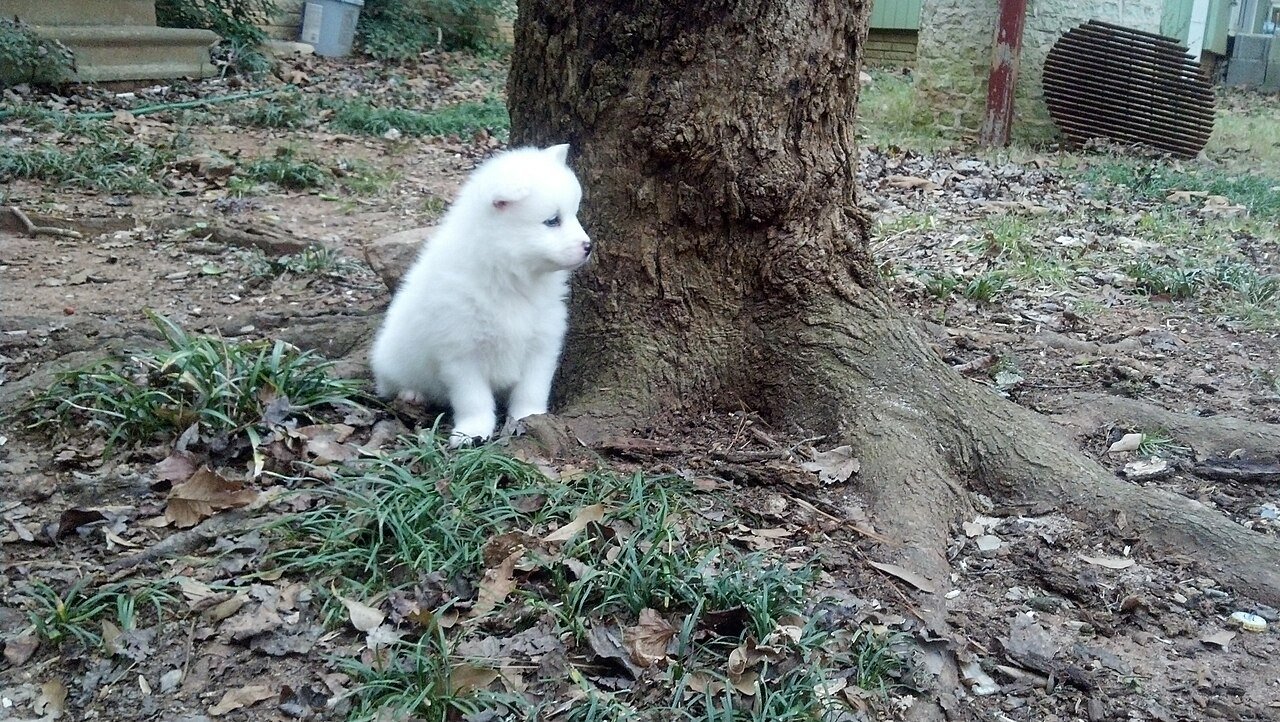
Right away. Even an 8-week-old puppy can learn its name in the first few days. Keep sessions light during the first week while your puppy adjusts to the new home. Some puppies are busy settling in, especially if they’re dealing with crying at night, so let training be one of the fun, easy parts of the day.
What comes after name training?
Once your puppy turns toward its name reliably, you’re ready for the next cues. Name plus cue is a great combination: “Luna, sit.” The name gets attention, and the cue tells your puppy what to do. Our step-by-step guide on how to train a puppy to sit is a natural next lesson.
Make the name a lifelong good thing
Keep using the name in happy situations: meals, walks, play and cuddles. When you need to do something your puppy dislikes, go get your puppy instead of calling. The name stays a word your dog loves to hear, which pays off in busy parks, at the vet and the day your dog slips out the front door.
Frequently asked questions
How can I teach my puppy its name fast?
Pick a short name, use small soft treats your puppy loves, and practice in a quiet room right before meals when your puppy is a little hungry. Say the name once, reward the look instantly, and do several quick sessions a day. Consistency across everyone in the house speeds things up.
How do I teach a puppy its name without treats?
Use whatever your puppy wants in the moment: a quick game of tug, tossing a toy, praise and petting, or letting your puppy go sniff. You can also use part of each meal as rewards. Treats tend to work fastest at first, so many owners start with food and add other rewards later.
How do I teach a new puppy her name?
The process is the same for any puppy. Start the first day she comes home, keep sessions short and happy, and reward the moment she looks at you. Have everyone use the exact same name, not nicknames, during the first weeks.
How does a puppy learn its name?
Through association. Puppies don’t know the word is “them” at first. They learn that a certain sound predicts something good, like a treat or attention, when they look toward the person saying it. Repeat that pattern enough and turning toward the sound becomes a habit.
Can I change my puppy’s name?
Yes. Puppies and adult dogs can learn a new name with the same training. Pick a name that sounds different from the old one, and practice with treats for a week or two.
Vet note: This article is general information and is not a substitute for advice from your own veterinarian. If your puppy is having trouble breathing, collapses, has a seizure or may have eaten something toxic, call your vet or the nearest emergency animal hospital right away. ASPCA Animal Poison Control: 888-426-4435 (a fee may apply).
