
Puppy hiccups are usually harmless. They happen when the diaphragm, the muscle under the lungs, spasms. Eating or drinking fast, swallowing air, excitement, tiredness and cold can all set them off. Most episodes stop on their own within a few minutes, and many puppies hiccup less as they grow.
Quick takeaways
- Hiccups are more common in puppies than in adult dogs, and they usually pass within minutes.
- Fast eating and drinking, gulping air, excitement, tiredness and cold are common triggers.
- A calm belly rub, a slow sip of water or a short, easy walk can help.
- Slow feeder bowls and smaller, more frequent meals can cut down on hiccups.
- Call your vet if hiccups last more than about an hour, keep coming back through the day, or show up with vomiting, coughing, wheezing or a poor appetite.
In this guide
Why do puppies get hiccups?
A hiccup is a quick, involuntary spasm of the diaphragm. That’s the dome-shaped muscle that sits between the chest and the belly and moves every time your puppy breathes. When it twitches out of rhythm, air rushes in and the vocal cords snap shut, which makes that small “hic” sound and the little jerk you see in your puppy’s chest or belly.
Hiccups are more common in puppies than in adult dogs. Their muscles and nervous systems are still developing, and a lot of what puppies do all day (gulping food, playing hard, getting overexcited, crashing into naps) can set off a spasm. According to PetMD, it can be normal for a puppy to hiccup every day.
VCA Animal Hospitals says many young puppies have hiccup episodes that last several minutes, and that this is normal and fades over a few weeks or months.
Are puppy hiccups normal?
Yes, in most cases. A healthy puppy that hiccups for a few minutes, then goes back to playing, eating and sleeping normally, doesn’t need treatment. Puppy hiccups a lot in the first few months for the simple reason that puppies do a lot of the things that trigger them.
Flat-faced breeds such as Pugs, Bulldogs and Boxers can be more prone to hiccups because of the shape of their airways.
What matters most is the whole picture. Hiccups on their own are rarely a concern. Hiccups mixed with other signs of illness are a different story, which we cover below.
What causes puppy hiccups?
These are the most common triggers:
- Eating or drinking too fast. Gulping pulls air into the stomach along with food or water.
- Overeating. A very full stomach presses up against the diaphragm.
- Excitement or rough play. Fast, heavy breathing can lead to swallowing air.
- Tiredness. Overtired puppies often hiccup as they wind down.
- Cold or sudden temperature changes. Going from a warm house into cold air can do it.
- Stress. A new home, car rides or loud noises can play a part.
- Inhaled irritants. Dust, smoke or strong sprays can irritate the airway.
Why does my puppy get hiccups after eating?
Puppy hiccups after eating are usually about speed. Many puppies inhale their meals, especially if they share a feeding area with siblings or other pets. Air goes down with the kibble, the stomach stretches, and the diaphragm spasms. A slow feeder bowl, a snuffle mat or a puzzle feeder can help. So can splitting the daily amount into smaller meals. Our puppy feeding schedule shows how many meals to offer by age.
Why does my puppy get hiccups after drinking water?
The cause is the same. Puppy hiccups after drinking water often follow a big play session, when your puppy is thirsty and laps up a bowl in seconds. Offer water a little at a time after hard play, and let your puppy catch its breath first.
Why does my puppy get hiccups after playing?
Puppy hiccups after playing come from fast breathing and excitement. A wild game of tug or a round of zoomies can leave a puppy panting and gulping air. Build calm breaks into play, and read our guide to puppy zoomies if your puppy gets the evening crazies.
Why does my puppy hiccup while sleeping?
Puppy hiccups while sleeping are common and usually harmless. Puppies often hiccup when they are tired or deeply relaxed. As long as your puppy is breathing comfortably and wakes up acting normal, there’s no need to wake it up.
How can you help a puppy with hiccups?
Most episodes stop on their own. If you want to help them along, try one of these gentle steps:
- Stay calm and offer comfort. A soft belly rub or a cuddle can relax your puppy.
- Pick up the bowl. If your puppy is gulping food, take a short break.
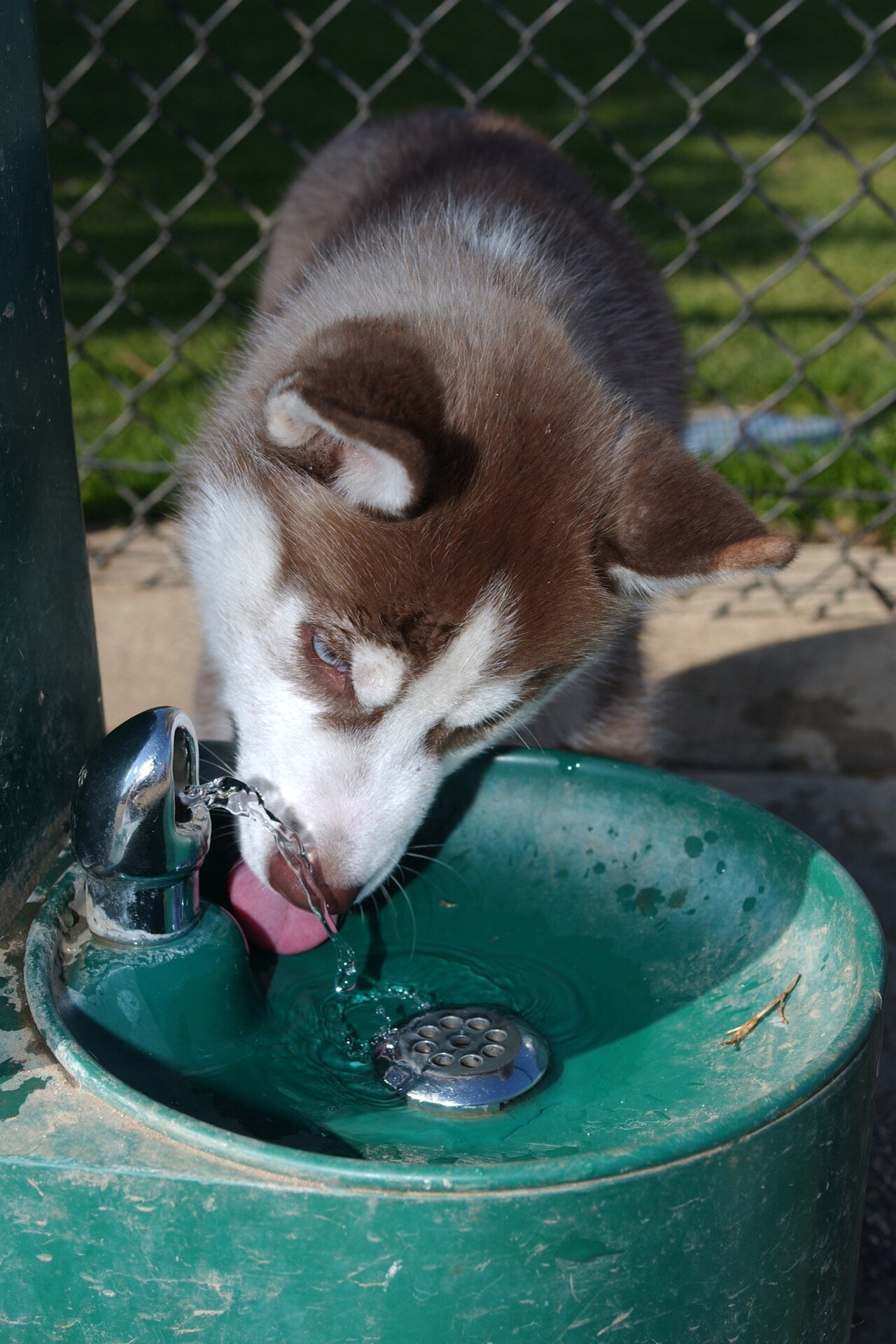
- Offer a slow drink of water. Make sure it’s calm, small sips rather than a frantic gulp.
- Take a short, easy walk. Light movement can reset breathing.
- Give it a few minutes. Patience works most of the time.
Avoid anything meant to startle your puppy. It doesn’t help and can make a young puppy nervous. Don’t give human hiccup remedies, medications or sugary treats. If you think something else is going on, talk to your vet first.
How can you prevent puppy hiccups?
| Trigger | What to try |
|---|---|
| Gulping food | Slow feeder bowl, puzzle feeder or snuffle mat |
| Big meals | Smaller meals more often through the day |
| Excited mealtimes | Feed in a quiet spot away from other pets |
| Gulping water after play | Let your puppy settle, then offer water |
| Rough play | Short sessions with rest breaks |
| Cold air | Limit sudden swings from warm to cold |
| Diet changes | Switch foods slowly over about a week |
Most puppies simply grow out of frequent hiccups as they mature.
When should you worry about puppy hiccups?
Call your vet if hiccups last more than about an hour, keep coming back many times a day, or show up with any of these signs:
- Vomiting, retching or drooling
- Diarrhea
- Not eating or drinking
- Lethargy or weakness
- Coughing or wheezing
- Trouble swallowing
- Labored or noisy breathing
- Signs of pain or distress
In rare cases, hiccups can be linked to a medical problem. Respiratory illness, heart disease, nausea and heatstroke can all affect the diaphragm or breathing. Coughing and lethargy in a young puppy are worth a prompt call, especially if your puppy hasn’t finished its puppy vaccination schedule. Vomiting and diarrhea in an unvaccinated puppy can be a sign of serious infection, so review the puppy parvo symptoms and call your vet the same day.
If your puppy is struggling to breathe, has pale or bluish gums, or collapses, go to an emergency vet right away.
Is it hiccups or something else?
Hiccups are rhythmic and fairly quiet. You’ll see a small jerk in the chest or belly with each one, and your puppy can usually keep doing what it was doing. Coughing, gagging, honking or repeated retching look and sound different. If you’re not sure what you’re seeing, take a short video on your phone and show it to your vet. That’s often the fastest way to sort it out.
Your puppy’s first vet visit is a good time to ask about hiccups and any other quirks you’ve noticed. Your vet can tell you what’s normal for your puppy and what deserves a closer look.
Frequently asked questions
How do you stop puppy hiccups?
Most hiccups stop on their own in a few minutes. You can help by calming your puppy with a gentle belly rub, picking up the food bowl if it’s gulping, offering a slow sip of water, or taking a short, easy walk. Skip anything that startles or stresses your puppy.
How do you help puppy hiccups?
Keep your puppy calm and relaxed. Soft petting, a quiet spot to rest and a little water usually do the trick. If hiccups often follow meals, try a slow feeder bowl or a puzzle feeder and split the daily food into smaller meals.
How do you cure puppy hiccups?
Normal hiccups don’t need a cure because they go away by themselves. There’s no medicine you should give at home. If hiccups keep coming back or last a long time, your vet can look for an underlying cause such as an upset stomach or a breathing problem.
How do you fix puppy hiccups?
Fix the trigger. Slow down fast eaters with a slow feeder, keep mealtimes calm, avoid big temperature swings, and give your puppy rest breaks during rough play. Most puppies hiccup less often as they get older.
How long do puppy hiccups last?
A typical episode lasts a few minutes. Puppies may have episodes often in the first few months, and that usually fades as they mature. Hiccups that last more than about an hour, or that come back several times a day, are worth a call to your vet.
Vet note: This article is general information and is not a substitute for advice from your own veterinarian. If your puppy is having trouble breathing, collapses, has a seizure or may have eaten something toxic, call your vet or the nearest emergency animal hospital right away. ASPCA Animal Poison Control: 888-426-4435 (a fee may apply).
