
When do puppies lose their baby teeth? Most puppies start losing their baby teeth at around 3 to 5 months of age, and by about 6 months nearly all of them have been replaced by adult teeth. If you’ve found a tiny tooth on the floor, or spotted a little blood on a chew toy, this is completely normal.
This guide walks through the full puppy tooth timeline, which teeth fall out first, what you’ll notice at home, how to keep your puppy comfortable, and the signs that mean it’s time to see your vet.
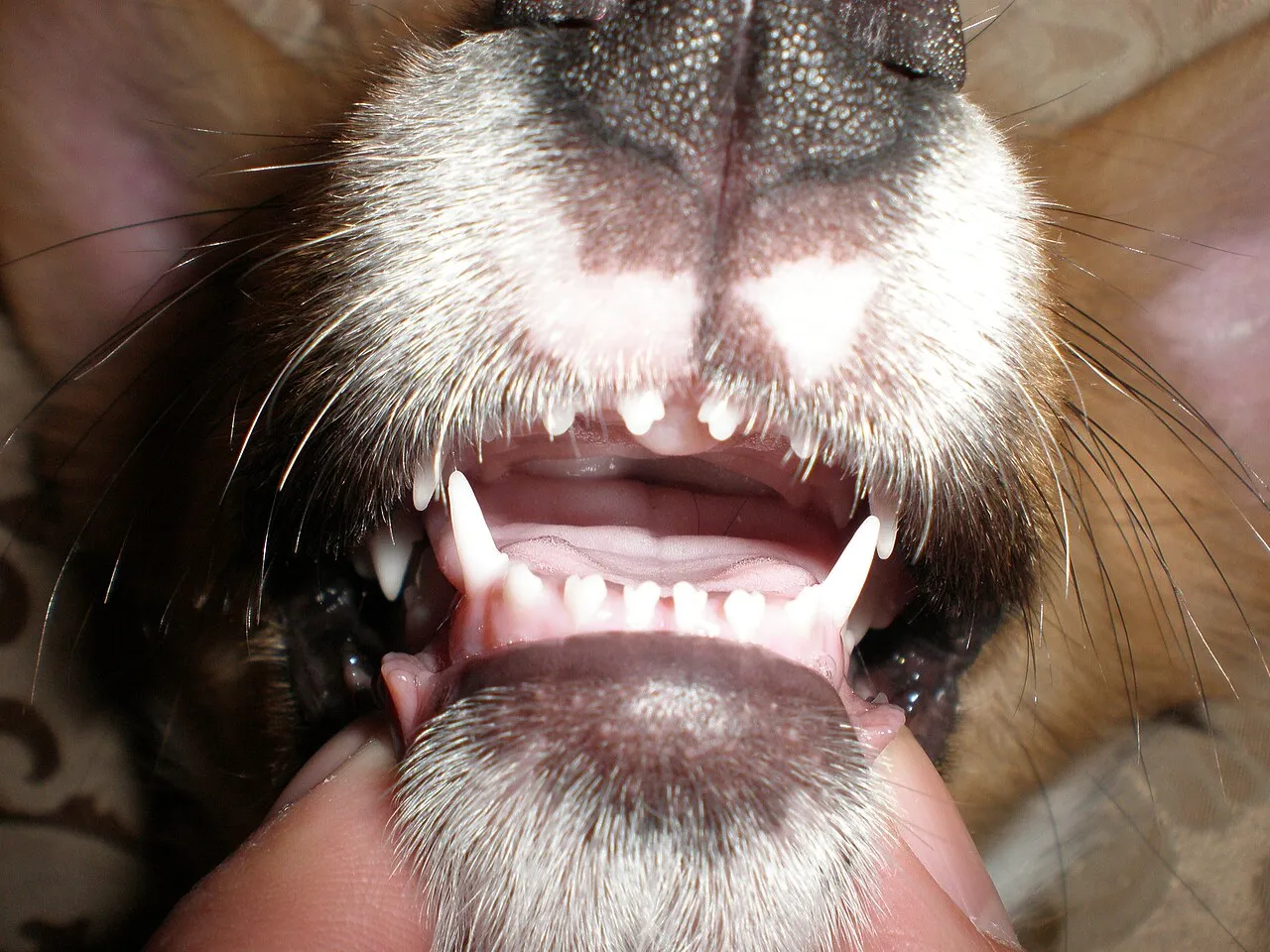
Quick answer: the puppy teeth timeline
Here’s what typically happens, based on guidance from the AKC’s puppy teething timeline and PetMD’s veterinary dentist reviewed teething guide:
| Puppy age | What’s happening |
|---|---|
| Birth | Puppies are born without visible teeth |
| 2 to 4 weeks | The first baby teeth start coming through |
| 5 to 8 weeks | A full set of about 28 baby teeth is usually in place |
| 3 to 5 months | Baby teeth start falling out as adult teeth push through |
| 4 to 6 months | Teething is at its peak, with lots of chewing |
| Around 6 months | Most baby teeth are gone and adult teeth are in |
| 6 to 7 months | Adult teeth finish settling, and you’ll see a full set of about 42 |
Every puppy is a little different. Breed, size and genetics all play a part, so a few weeks either way is normal. For a printable version, see our puppy teething age chart.
How many teeth do puppies have?
Puppies have about 28 baby teeth, also called deciduous or milk teeth. Adult dogs have about 42 permanent teeth, which is around ten more than people. The extra adult teeth are mostly molars and premolars at the back of the mouth, which have no baby versions.
Baby teeth are small, thin and very sharp. That’s why puppy nips hurt so much more than you’d expect from such a small mouth. Those needle teeth help puppies learn bite inhibition while playing with littermates and their mother.
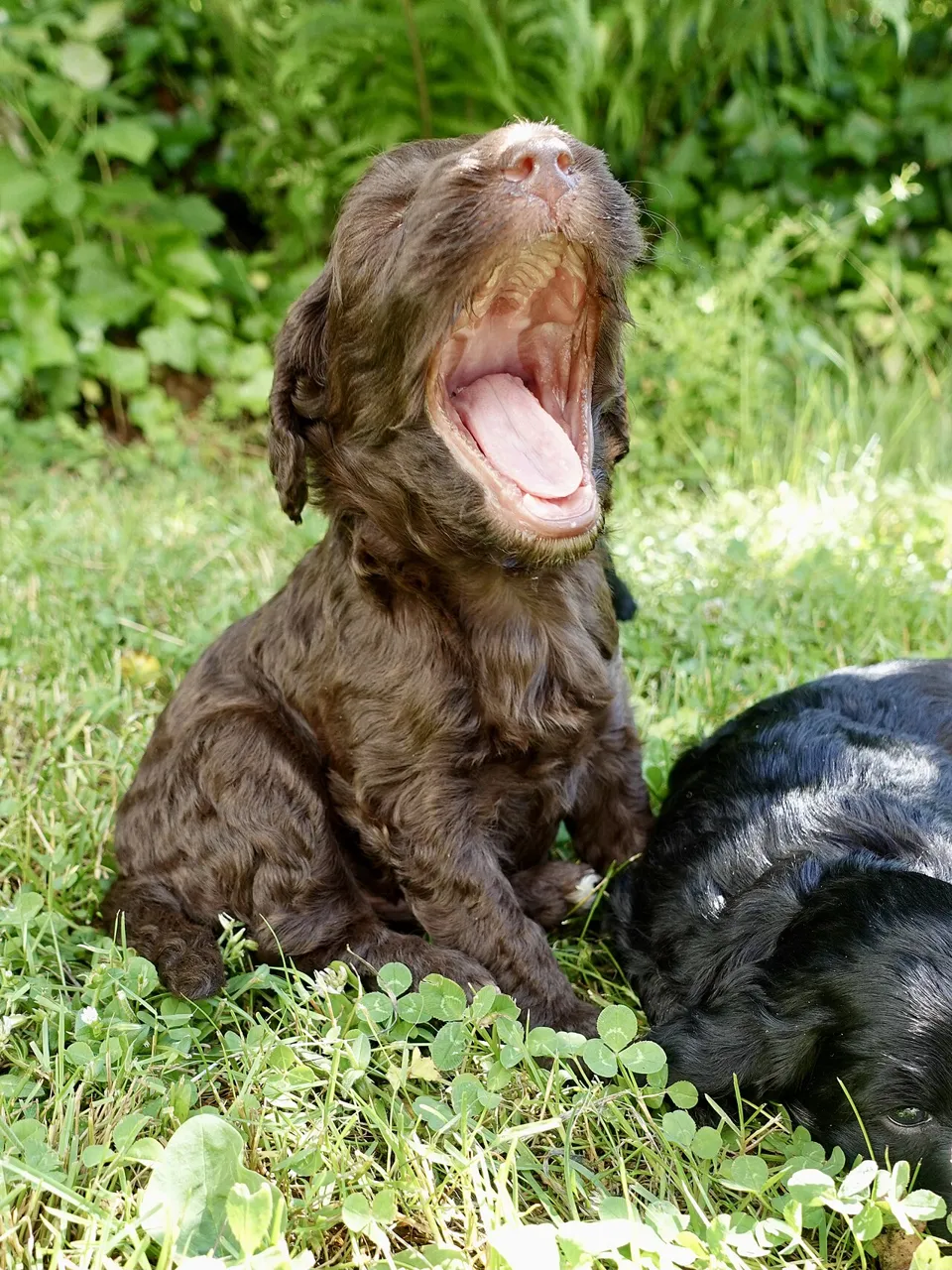
When do puppies get their baby teeth?
Puppies’ baby teeth start coming through at about 2 to 4 weeks of age. This lines up with the time puppies begin to try soft food while still nursing. According to PetMD, the teeth tend to erupt in this order:
- Incisors, the small front teeth
- Canines, the longer “fang” teeth
- Premolars, the teeth behind the canines used for chewing
By around 6 to 8 weeks, most puppies have their full set of 28 baby teeth. This is often the age when they go to new homes, so you’ll usually bring home a puppy with a mouth full of sharp little teeth.

When do puppy teeth fall out?
Puppies usually start losing their baby teeth between about 3 and 5 months of age. As the adult teeth grow beneath the gums, they push against the roots of the baby teeth. The baby tooth roots break down, the teeth loosen, and they fall out.
Which teeth fall out first?
The baby incisors at the front are usually the first to go. After that come the canines, then the premolars. Adult molars come in at the back of the mouth without replacing any baby teeth.
Do puppies lose all their baby teeth?
Yes. All 28 baby teeth should fall out and be replaced. In some puppies, especially small breeds, a baby tooth can stay put after the adult tooth has come in. These are called retained baby teeth, and we explain them below. You can read more about the fangs in our guide do puppies lose their canine teeth.
When are all the adult teeth in?
By about 6 months, most puppies have lost their baby teeth and have their adult teeth. The back molars may still be finishing up until around 7 months. See when do puppies get their adult teeth for details on each type of tooth.
Why you may never find the teeth
Many owners are surprised that they never see a single baby tooth. That’s normal. Puppies often swallow their tiny teeth while eating or chewing, and PetMD notes this is generally harmless. Others fall out during play and land in the carpet, grass or a toy box.
If you do find one, it may look like a tiny hollow shell. That’s because most of the root has already dissolved before the tooth falls out.
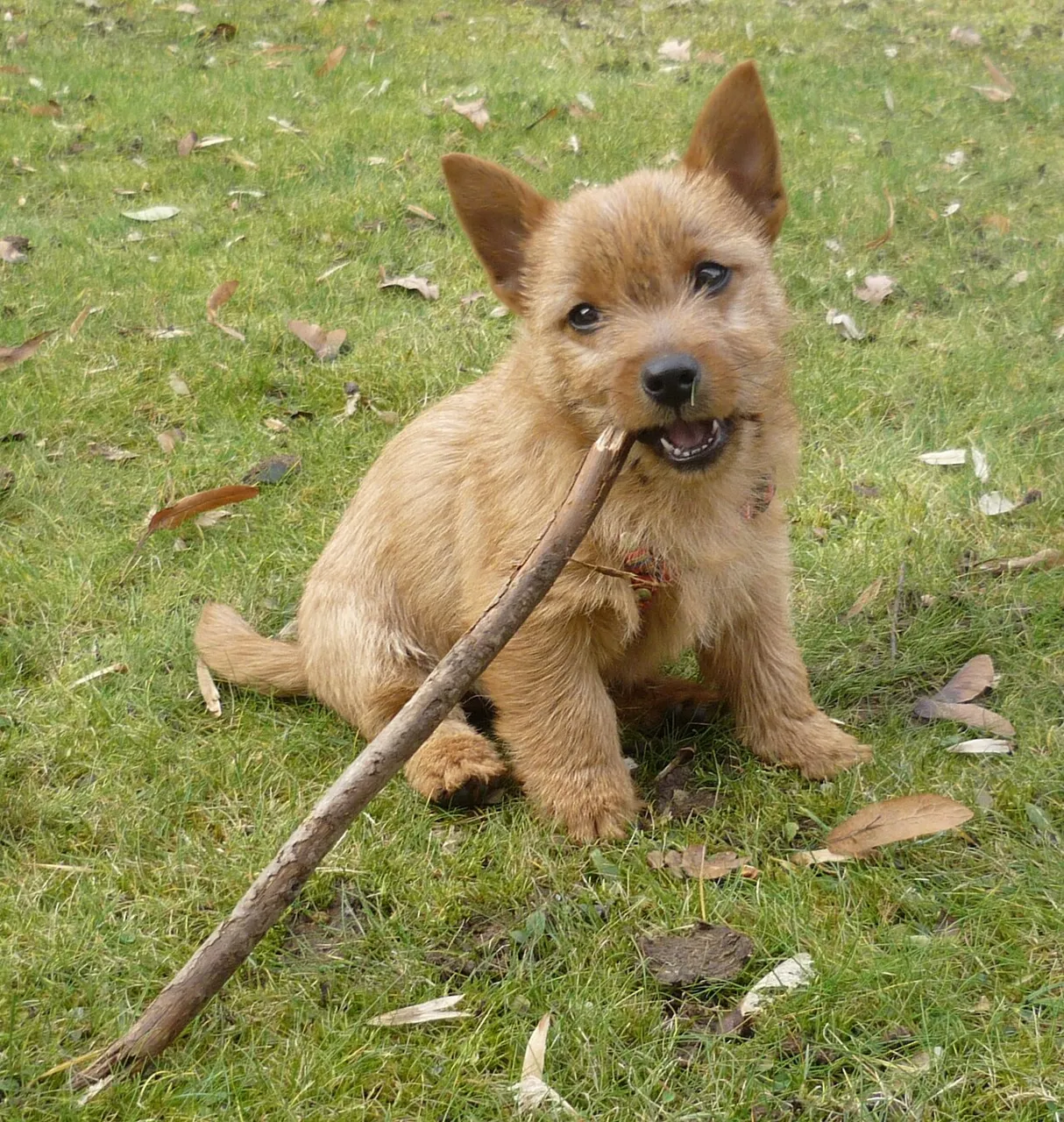
Signs your puppy is losing teeth
You may notice some of these signs while your puppy’s teeth are changing:
- Chewing on everything. Shoes, furniture legs, hands and sleeves are all targets.
- Small spots of blood on chew toys or in the water bowl.
- Red or slightly swollen gums.
- Drooling more than usual.
- Finding tiny teeth on the floor or in bedding.
- Mild fussiness about food, especially hard kibble, for a day or two.
- More mouthing and nipping during play.
These signs usually come and go during the teething period. Our main teething puppy guide covers the whole stage in more depth.
Does losing teeth hurt puppies?
Teething can cause some soreness, a bit like it does in human babies. Most puppies cope well and keep eating and playing as normal. Chewing helps relieve the pressure, which is why teething puppies chew so much.
If your puppy seems in real pain, stops eating for more than a day, or has a lot of bleeding, call your vet. Those aren’t typical teething signs and should be checked.

How to help your puppy while teeth fall out
You can make this stage easier for your puppy and save your furniture at the same time.
Offer safe chew toys
Give your puppy a few sturdy, puppy sized chew toys and rotate them so they stay interesting. Rubber toys that can be stuffed with a little food, textured toys and puppy dental chews all help. The Veterinary Oral Health Council (VOHC) lists dental products that meet its standards for helping control plaque or tartar.
Try cold relief
Many puppies enjoy something cold on sore gums. Try a chilled, wet washcloth that’s been twisted and frozen, or a rubber toy chilled in the freezer. Always supervise so pieces don’t get swallowed.
Avoid risky chews
Steer clear of anything hard enough to break teeth, such as bones, antlers and hard plastic. A common rule of thumb is that if you can’t press your fingernail into it, it may be too hard for a puppy. Sticks can splinter and injure the mouth, so swap them for a toy when you can.
Manage biting
Teething and play biting overlap. Redirect your puppy’s mouth to a toy whenever teeth touch skin, and stop play for a moment if biting gets too hard. Our guide on how to stop puppy biting has step by step training tips, and how to help a teething puppy offers more comfort ideas.
Puppy proof your home
Put shoes, cables and anything precious out of reach. Use baby gates or a playpen when you can’t watch your puppy closely.
Retained baby teeth: when to see a vet
Sometimes a baby tooth doesn’t fall out even though the adult tooth has come through. You might see two teeth in the same spot, most often the canines. This is more common in small and toy breeds.

Retained baby teeth can cause problems because:
- Food and plaque collect between the two teeth, leading to gum disease
- The adult tooth may be pushed into the wrong position
- A misplaced tooth can rub against the gums or the roof of the mouth
If you notice a baby tooth still in place next to an adult tooth, ask your vet to take a look. They may recommend removing it, often during a neutering or spaying procedure if timing allows. For complex cases, a vet may refer you to a board certified veterinary dentist through the American Veterinary Dental College.
Other reasons to call your vet
Contact your vet if your puppy has:
- Heavy or ongoing bleeding from the mouth
- A broken or discolored tooth
- Bad breath that doesn’t go away
- Swelling of the face or jaw
- Refusal to eat for more than a day
- Teeth that seem to be coming in crooked or hitting the gums
Your vet will check your puppy’s teeth at routine visits, so this is a great time to ask questions.
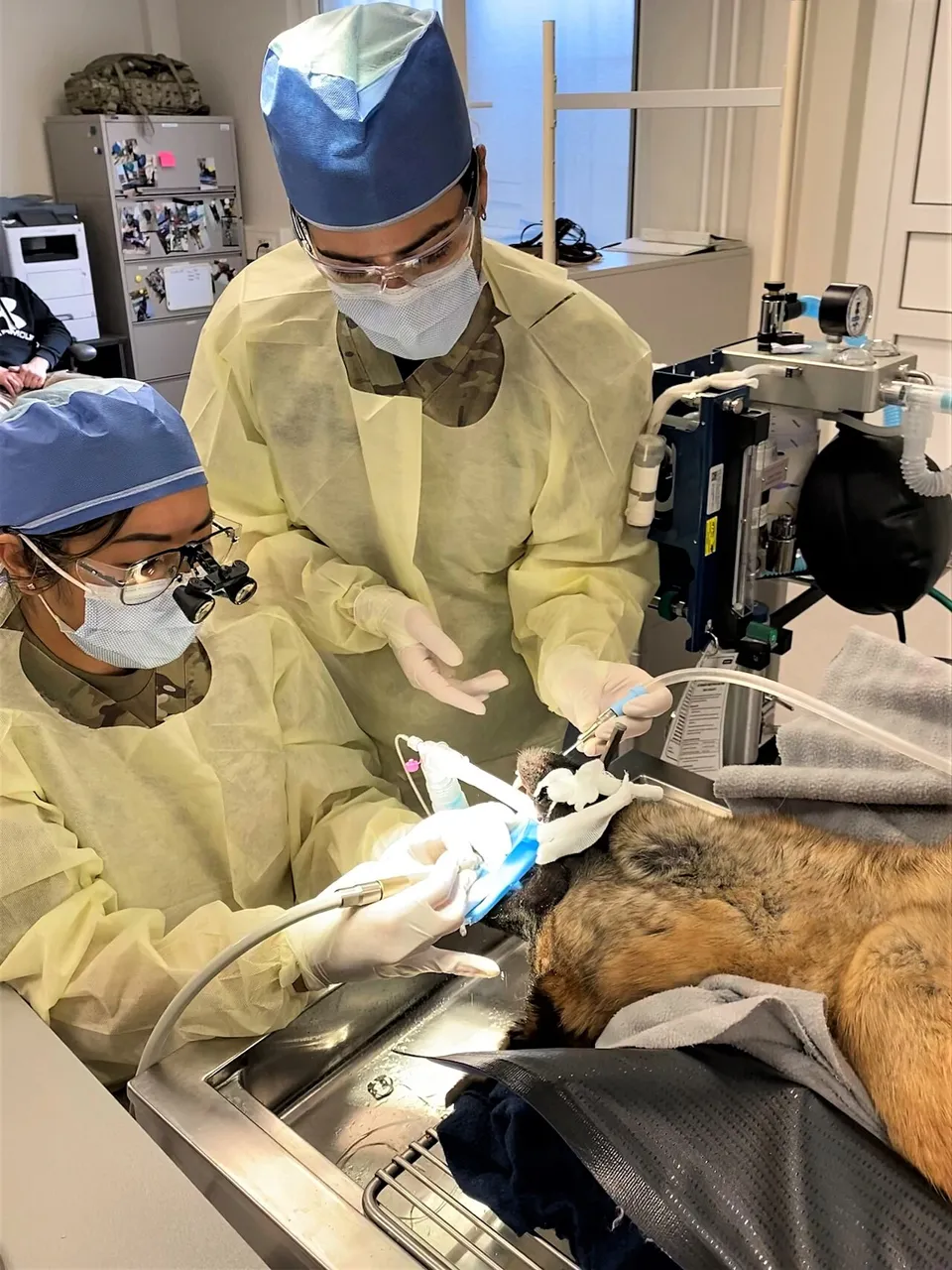
Start good dental habits early
The teething stage is the perfect time to get your puppy used to having its mouth handled. The AAHA dental care guidelines stress that home care plays a key role in keeping a dog’s mouth healthy for life.
- Handle the mouth gently. Lift the lips and touch the teeth for a second or two, then reward with a treat.
- Introduce a toothbrush slowly. Start with a finger brush and dog toothpaste. Never use human toothpaste, as some contain ingredients unsafe for dogs.
- Wait until the gums settle. If gums are very sore, keep sessions short and gentle until adult teeth are in.
- Keep up vet checks. Your vet will look at the teeth during vaccine and wellness visits.
Building these habits now makes brushing much easier when your puppy is an adult.
When do puppies stop teething?
Most puppies finish teething by around 6 to 7 months of age. Chewing doesn’t stop overnight, though. Many young dogs keep chewing a lot until they’re a year or older, especially active breeds. That’s normal behavior, not teething, so keep offering suitable chew toys. Read when do puppies stop teething for more.
Frequently asked questions
When do puppies lose their baby teeth?
Most puppies start losing baby teeth at about 3 to 5 months old, and most have all their adult teeth by around 6 months.
Is it normal for a puppy tooth to fall out?
Yes. Every puppy loses its baby teeth. Finding a tiny tooth or a spot of blood on a toy is a normal part of growing up.
What should I do if my puppy swallows a baby tooth?
Nothing in most cases. Puppies swallow baby teeth all the time and it’s generally harmless.
Do puppies lose their canine teeth?
Yes, the baby canines fall out and are replaced by adult canines, usually around 4 to 6 months. If a baby canine is still there once the adult canine is through, ask your vet.
How many teeth do puppies lose?
About 28. Adult dogs end up with around 42 teeth because extra molars and premolars come in.
Should my puppy’s gums bleed when teeth fall out?
A tiny amount of blood is normal. Heavy or ongoing bleeding isn’t, so call your vet if you see it.
Can I pull out my puppy’s loose tooth?
No. Let baby teeth fall out on their own. Pulling a tooth can break the root and cause infection. If a tooth seems stuck, see your vet.
The bottom line
Puppies lose their baby teeth between about 3 and 6 months of age, starting with the front incisors and finishing with the premolars. Expect chewing, a little drooling and the odd spot of blood. Offer safe chew toys, keep valuables out of reach, and check for any retained baby teeth as adult teeth come in. When in doubt, your vet is the best person to check your puppy’s mouth.
Photo credits
- Open jaw of an 11 week old Pembroke Welsh Corgi puppy showing sharp baby teeth: Photo: BrokenSphere / Wikimedia Commons, CC BY-SA 3.0
- Four week old brown doodle puppy yawning on the grass: Photo: Wolfmann / Wikimedia Commons, CC BY-SA 4.0
- Five week old puppy lying on a knitted blanket: Photo: GebienD / Wikimedia Commons, CC BY-SA 4.0
- Three month old Norwich Terrier puppy chewing a stick on the lawn: Photo: Gamma Corvi / Wikimedia Commons, CC BY-SA 4.0
- Two young dogs play biting on a sofa: Photo: Gopal Aggarwal from INDIA / Wikimedia Commons, CC BY 2.0
- Yorkshire Terrier mouth with retained baby canine teeth circled in red: Photo: Socknye / Wikimedia Commons, CC BY 3.0
- Army veterinary dental team treating a working dog under anesthesia: Photo: U.S. Army RHCE by Kirk Frady / Wikimedia Commons, Public domain


