
A new puppy checklist should cover food and bowls, a crate or pen, a collar or harness with an ID tag, a leash, chew toys, potty cleanup supplies and basic grooming tools. Before day one, puppy-proof your home, book a vet visit, collect health records and plan a simple daily routine for meals, potty breaks and sleep.
Quick takeaways
- Buy the basics first: food, bowls, crate or pen, bedding, collar, ID tag, leash and chew toys.
- Keep the same food your puppy ate before, at least for the first week or two.
- Puppy-proof the rooms your puppy will use before they come home.
- Book the first vet visit for the first few days and bring all records.
- Skip the expensive extras until you know your puppy’s size, chewing style and preferences.
In this guide
- New puppy checklist: the essentials to buy
- How should I set up my home for a puppy?
- What paperwork should I get from the breeder or shelter?
- New puppy checklist for the vet
- What should I plan before bringing a puppy home?
- What can wait until later?
- How do I start training on day one?
- Printable new puppy checklist
- Frequently asked questions
Getting ready for a puppy is part excitement, part shopping trip and part panic about what you forgot. A good checklist keeps it manageable. Below you’ll find what to buy, how to set up your home, what paperwork to collect and which appointments to make before your puppy walks through the door.

New puppy checklist: the essentials to buy
Here’s the core list. You can get by with just these for the first couple of weeks.
Feeding
- The same puppy food your puppy ate at the breeder or shelter, for a smooth start
- Stainless steel or ceramic food and water bowls
- A measuring cup for portions
- Small, soft training treats
Sleeping and confinement
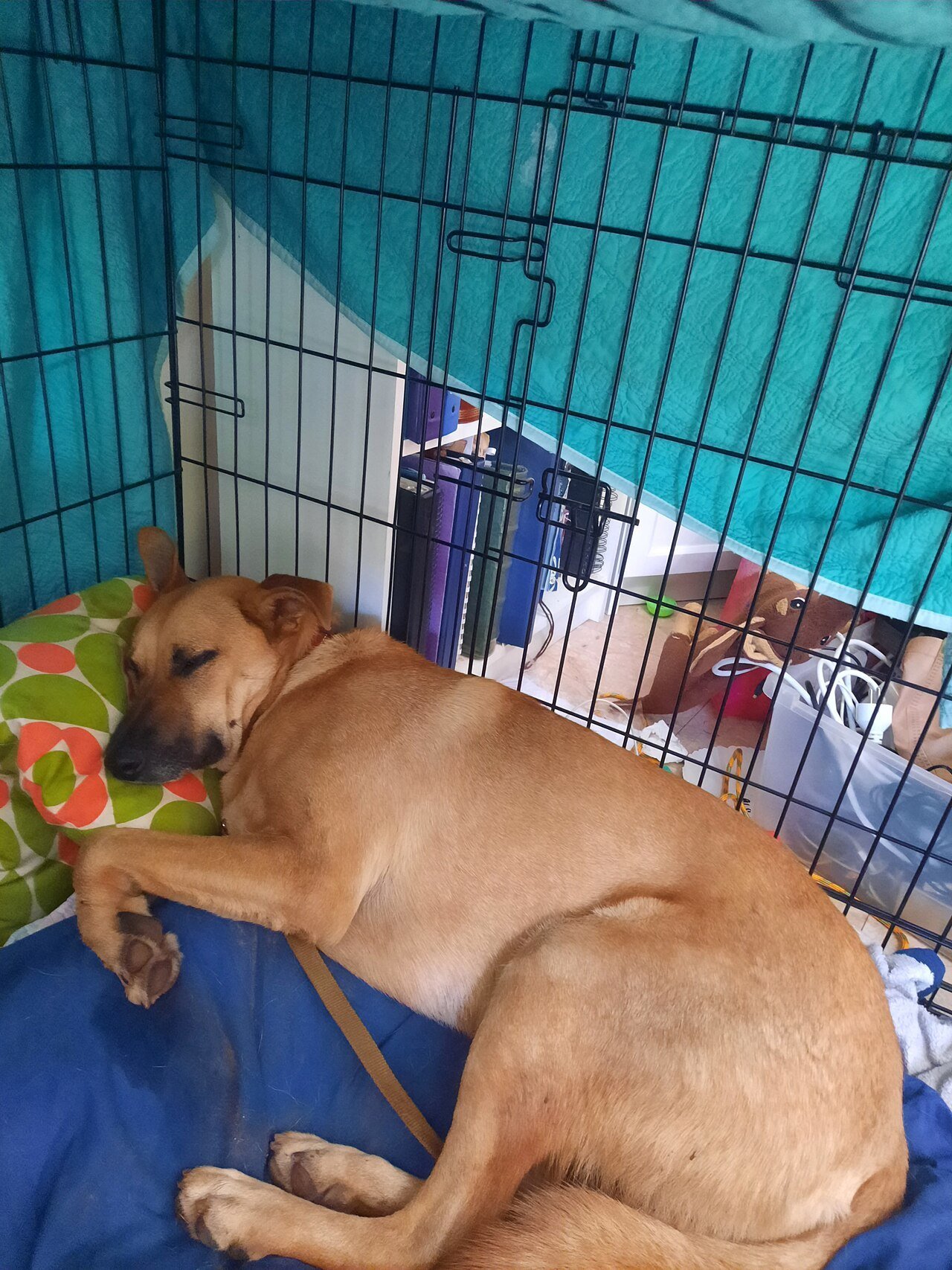
- A crate sized for your puppy’s adult size, with a divider
- Or a playpen or exercise pen for longer stretches
- Washable bedding or towels
- A baby gate or two to block off rooms and stairs
Walking and ID
- An adjustable flat collar or a harness
- An ID tag with your phone number
- A 6-foot leash (skip retractable leashes for now)
Chewing and play
- Three or four chew toys in different textures
- A food puzzle or rubber toy you can stuff with food
- A soft toy for cuddling
Potty and cleanup
- Poop bags
- An enzyme cleaner made for pet accidents
- Paper towels
- Puppy pads if you live in a high-rise or plan to use them
Grooming and health
- A brush or comb for your puppy’s coat type
- Nail clippers or a grinder
- A dog toothbrush and dog toothpaste
- A gentle dog shampoo
How should I set up my home for a puppy?
Set up before your puppy arrives, so day one isn’t spent chasing them away from cords.
- Pick a home base. Choose a puppy-safe room or area, often the kitchen or family room, where your puppy will spend most of their time with you.
- Place the crate. For the first few weeks, many owners put it in the bedroom at night so they can hear when the puppy needs to go out.
- Puppy-proof. Hide cords, latch low cabinets, move cleaning products and medications up high, and pick up shoes, socks and small toys. Check for toxic houseplants with the ASPCA’s toxic and non-toxic plants list.
- Choose a potty spot. Pick one area outside that’s easy to reach day and night.
- Gate off stairs and off-limit rooms. A puppy who can’t get into trouble can’t learn bad habits.
What paperwork should I get from the breeder or shelter?
Ask for these before you leave:
- Vaccine records with dates and product names
- Deworming dates and the product used
- Any vet exam notes or health certificates
- Microchip number and registration instructions
- The name and amount of the food they’ve been eating
- Registration papers and health test results for the parents, if buying a purebred
- Your contract, including any health guarantee and return policy
If you’re still deciding where to get your puppy, see our guides on buying a puppy vs adopting and the questions to ask a breeder.
New puppy checklist for the vet
Book your first vet visit for within the first few days. Bring all the paperwork above and a fresh stool sample. At that visit, plan to:
- Get a full physical exam and weight
- Continue the vaccine series
- Run a fecal test and deworm if needed
- Ask about flea, tick and heartworm prevention
- Confirm the microchip and register it in your name
- Ask when it’s safe to start puppy classes and visit public places
Save your vet’s number, your nearest 24-hour emergency hospital and the ASPCA Animal Poison Control Center in your phone.

What should I plan before bringing a puppy home?
The calmer and more predictable the first week is, the faster your puppy settles.
- Timing. Try to bring your puppy home at the start of a weekend or a few days off.
- House rules. Agree on where the puppy sleeps, whether they’re allowed on furniture and which words you’ll use for cues.
- Job list. Decide who handles breakfast, the last potty trip at night and the middle-of-the-night break.
- A simple schedule. Write out times for meals, potty breaks, play and naps and stick it on the fridge.
- First night. Our puppy first night at home guide walks through bedtime step by step.
What can wait until later?
It’s tempting to buy everything at once. These can usually wait a few weeks:
- A big, expensive bed. Many puppies chew bedding. Use towels until you know your puppy’s habits.
- Lots of toys. Find out what your puppy likes first.
- Clothes and costumes. Most puppies don’t need a coat yet, unless you have a tiny or short-coated breed and a cold winter.
- Large bags of food. Your vet might suggest a change, so buy smaller bags at first.
- A seat belt harness or car seat. Useful, but buy it once you know your puppy’s size.

How do I start training on day one?
Training begins the moment your puppy arrives, even if you don’t plan it. Reward the things you like, such as sitting calmly, going potty outside and chewing on toys. Gently redirect the things you don’t. Keep sessions short and fun.
A few early goals for the first week:
- Name recognition
- Sit
- Crate time with treats and the door open
- Potty outside on cue
- Gentle handling of paws, ears and mouth
Our puppy training guide has more simple first lessons. And if you’re still weighing your options, our comparison of adopting a puppy vs an adult dog may help you decide which is the better fit.
Printable new puppy checklist
Copy this short version to your phone or print it for the fridge:
- Puppy food, bowls, measuring cup, treats
- Crate with divider or playpen, bedding, baby gates
- Collar or harness, ID tag, 6-foot leash
- Chew toys, food puzzle
- Poop bags, enzyme cleaner, paper towels
- Brush, nail clippers, dog toothbrush and toothpaste
- Home puppy-proofed and potty spot chosen
- Vet booked, records collected, emergency numbers saved
- Daily schedule written and jobs assigned
Frequently asked questions
What to get for a new puppy checklist?
Start with puppy food, food and water bowls, a crate with a divider or a playpen, washable bedding, a collar or harness, an ID tag with your phone number, a 6-foot leash, several types of chew toys, small training treats, poop bags, an enzyme cleaner, a soft brush, nail clippers and a dog toothbrush.
What do i need for new puppy checklist?
Besides supplies, you need a plan. Choose a vet and book the first visit, decide where your puppy will sleep, puppy-proof your home, pick a potty spot outside and agree on house rules with everyone who lives with you. Have the number for a 24-hour emergency vet and animal poison control saved in your phone.
What do i need to prepare for new puppy?
Prepare the space, the people and the schedule. Set up the crate or pen, pick up anything chewable or toxic, agree on who handles meals and potty trips, and try to bring your puppy home at the start of a few days when someone can be home.
What do you need for a puppy checklist?
A good checklist covers four areas: supplies to buy, home setup, paperwork such as vaccine and deworming records, and appointments such as the first vet visit and puppy classes. Printing it or keeping it on your phone makes the last-minute shopping trip much easier.
Vet note: This article is general information and is not a substitute for advice from your own veterinarian. If your puppy is having trouble breathing, collapses, has a seizure or may have eaten something toxic, call your vet or the nearest emergency animal hospital right away. ASPCA Animal Poison Control: 888-426-4435 (a fee may apply).
