
The right puppy crate size lets your puppy stand without ducking, turn around and lie down stretched out, with little extra room. Measure from nose to tail tip and from floor to the top of the head, then add 3 to 4 inches. Buy a crate that fits the expected adult size and use a divider while your puppy grows.
Quick takeaways
- Measure length from nose to tail tip and height from floor to head, then add 3 to 4 inches.
- Buy for your puppy’s expected adult size and use a divider to shrink the space for now.
- A crate that’s too big lets a puppy potty in one end and sleep in the other.
- Move the divider back as your puppy grows, a few inches at a time.
- Put the crate where the family spends time, and near your bed at night for the first weeks.
In this guide
- Why does puppy crate size matter?
- How do you measure a puppy for a crate?
- What is a good puppy crate size chart?
- How do you use a crate divider?
- When should you expand a puppy crate?
- Where should you put a puppy crate?
- How do you make the crate comfortable?
- How does the crate fit into daily care?
- Frequently asked questions
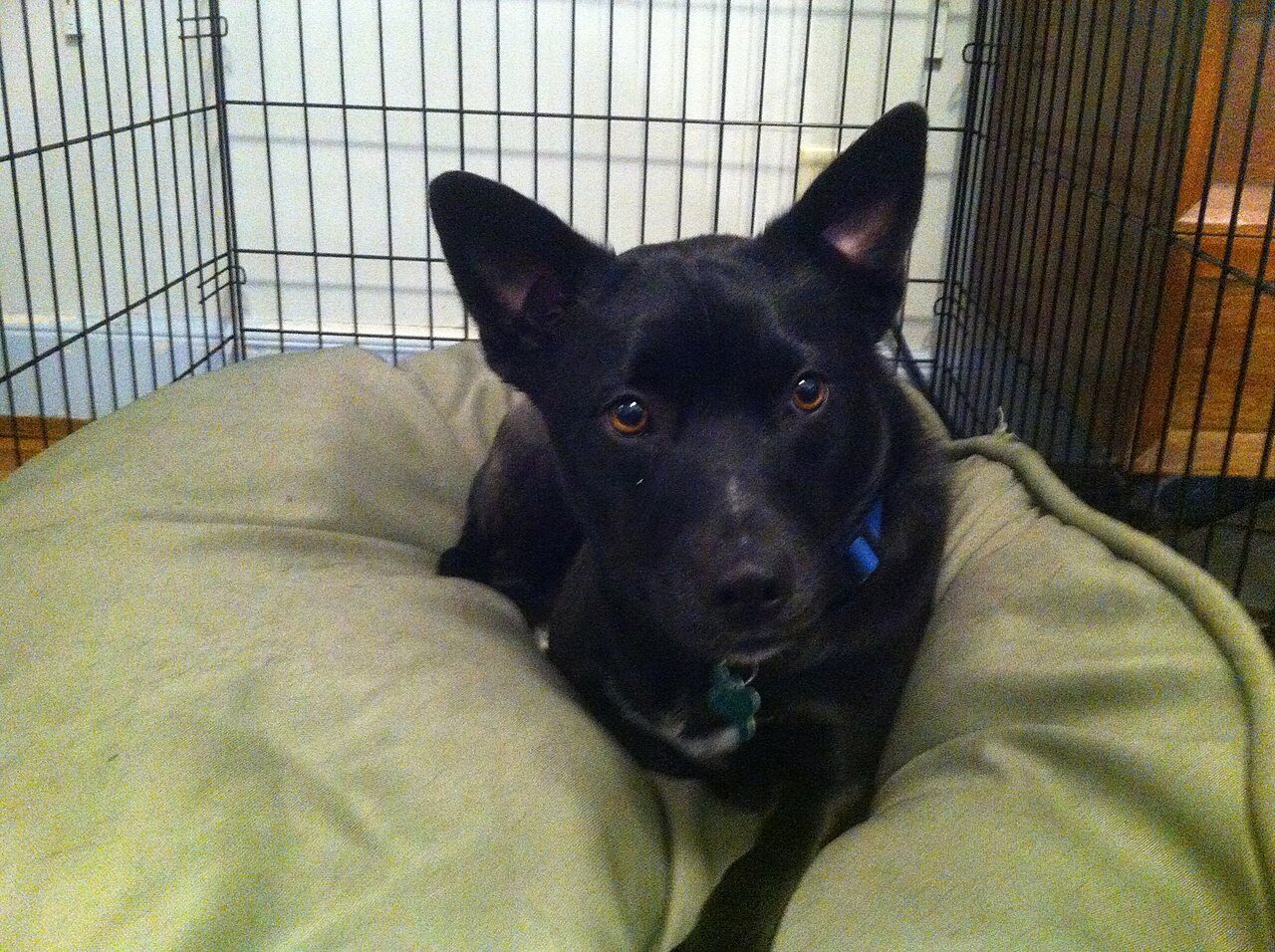
Why does puppy crate size matter?
A crate is a bed, a safe spot and a potty training tool all in one. Size affects all three. Too small and your puppy is cramped. Too big and your puppy has room to pick a “bathroom corner” away from its bed, which works against house training.
The American Kennel Club says your dog needs enough room to sit, stand and lie down comfortably, and warns that a crate that’s too large could encourage your dog to eliminate inside it. Cornell’s Riney Canine Health Center recommends a crate big enough for your dog as an adult, with a divider to fit a growing puppy.
How do you measure a puppy for a crate?
You need a soft tape measure and a few treats.
- Length. With your puppy standing, measure from the tip of the nose to the tip of the tail.
- Height. Measure from the floor to the top of the head (or the tips of upright ears, if higher).
- Add 3 to 4 inches to each number. That’s the crate length and height you need, following AKC guidance.
For a puppy, do the math for the expected adult size too. Ask your breeder or vet what adult size to expect, or look up your breed’s standard. For mixed breeds, the parents’ sizes and your vet’s estimate help.
What is a good puppy crate size chart?
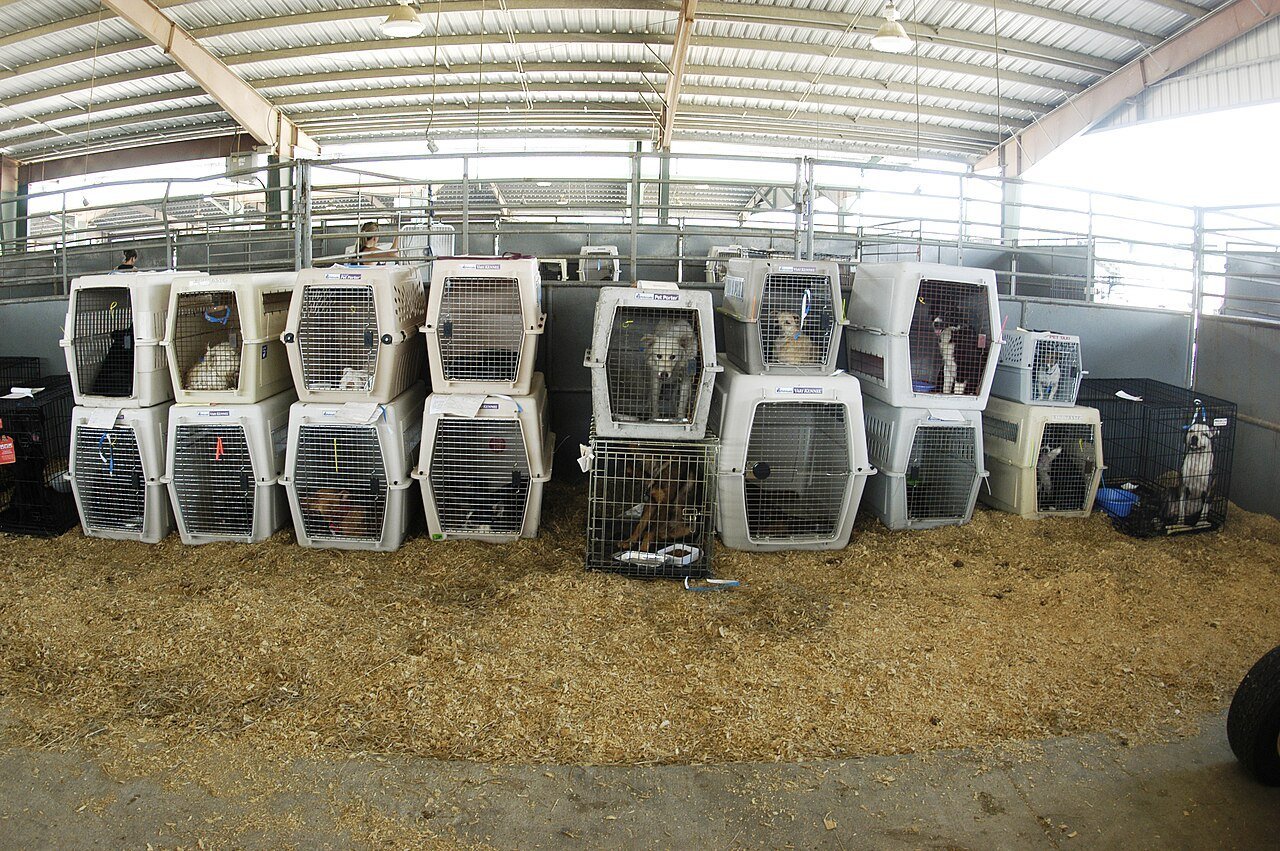
Crates are usually sold by length in inches. This chart is a rough starting point. Always check with your dog’s own measurements.
| Crate length | Typical adult fit | Example breeds |
|---|---|---|
| 18 to 22 inches | Very small toy dogs | Chihuahua, Yorkshire Terrier |
| 24 inches | Toy and small dogs | Maltese, Pomeranian, Shih Tzu |
| 30 inches | Small to medium dogs | Beagle, Cavalier King Charles Spaniel, French Bulldog |
| 36 inches | Medium dogs | Border Collie, Cocker Spaniel, Bulldog |
| 42 inches | Large dogs | Labrador Retriever, Golden Retriever, Boxer |
| 48 inches | Large dogs | German Shepherd, Doberman, large doodles |
| 54 inches and up | Giant dogs | Great Dane, Mastiff, Newfoundland |
Size within breeds varies a lot. A tall Lab may need a 48-inch crate, and a petite one may fit in a 36. When in doubt between two sizes, measure again and choose the one that fits your dog’s adult measurements without a lot of extra space.
Dog crate sizes by type
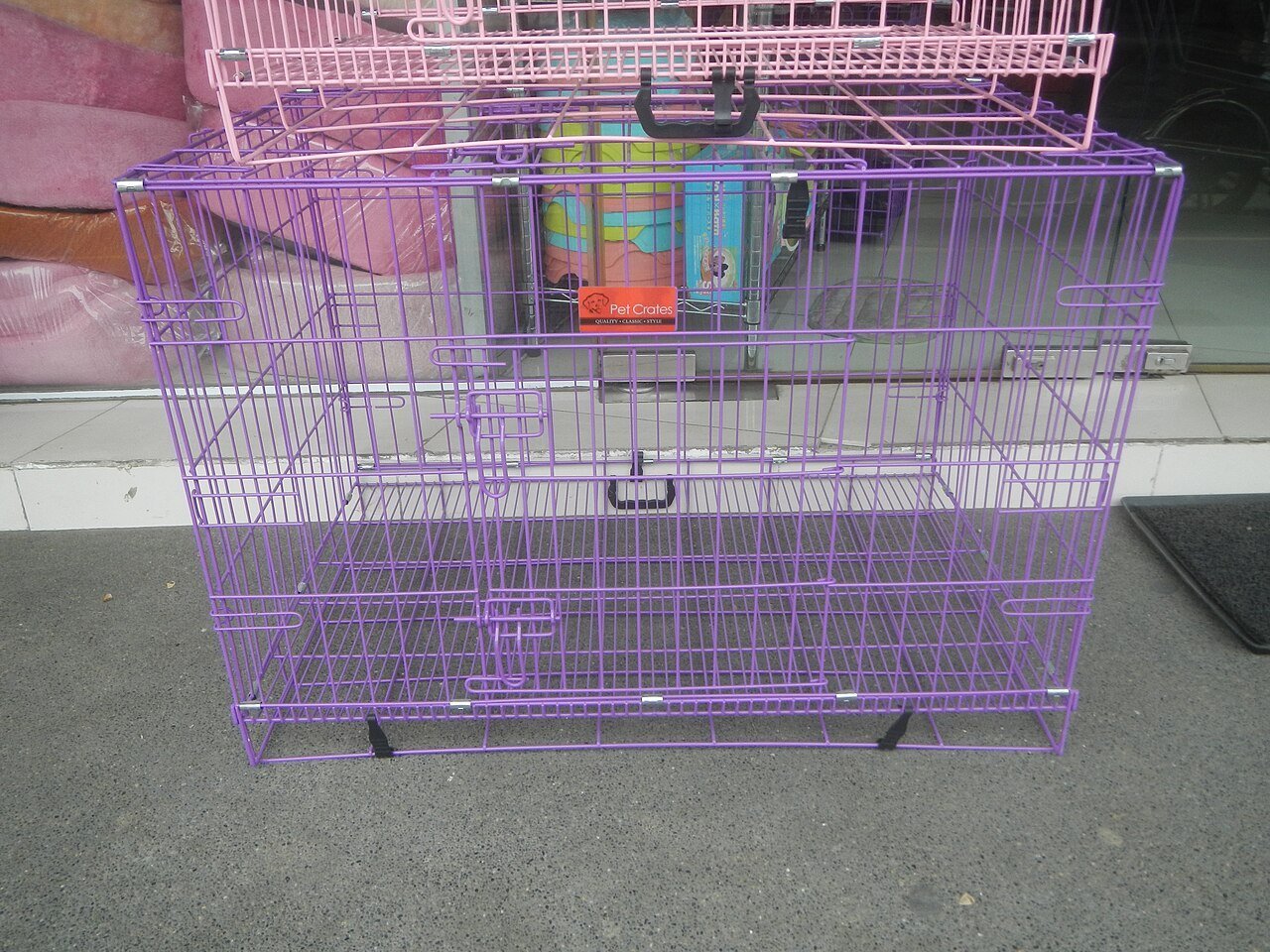
- Wire crates are sturdy, easy to clean and often come with a divider. Cornell suggests covering part of a wire crate for a den-like feel, leaving one or two sides open.
- Plastic crates feel cozy and are often used for travel. They don’t usually come with dividers.
- Fabric crates are light and fold flat, but puppies and chewers can tear them. They’re better for older, calm dogs.
How do you use a crate divider?
Set the divider so your puppy can stand, turn and lie down with a little room to spare. That’s it. As your puppy grows, move the divider back a few inches at a time.
Check the fit every couple of weeks during growth spurts. Your puppy needs more room if it:
- Ducks its head to stand
- Struggles to turn around
- Can’t lie on its side with legs stretched out
- Lies curled tightly every time
When should you expand a puppy crate?
Expand it for size as your puppy grows, and expand it for freedom as your puppy earns it. Once your puppy has stayed clean in the crate for a few weeks, a bit of extra room is fine. Fully house-trained adults can use the whole crate, and Cornell notes a larger crate with room to stretch out is fine for a dog that’s already house-trained.
Where should you put a puppy crate?
During the day, put the crate where the family spends time, such as the living room or kitchen. The AKC suggests placing it where you and your family hang out so your dog can be near you. A puppy shut away in a back room is more likely to cry.
At night, many owners move the crate, or use a second one, next to the bed for the first weeks. Your puppy will settle faster when it can hear and smell you, and you’ll hear when it needs a potty break. Our guide to puppy crying at night has more tips for the first nights.
What spots should you avoid?
- Direct sun, heating vents, radiators or drafty doors
- Near cords, houseplants or anything your puppy can pull through the bars
- Garages, basements or anywhere isolated
- Next to trash cans, purses or bags with candy, gum or medicine. See what to do if your dog ate Halloween candy for why that matters.
How do you make the crate comfortable?
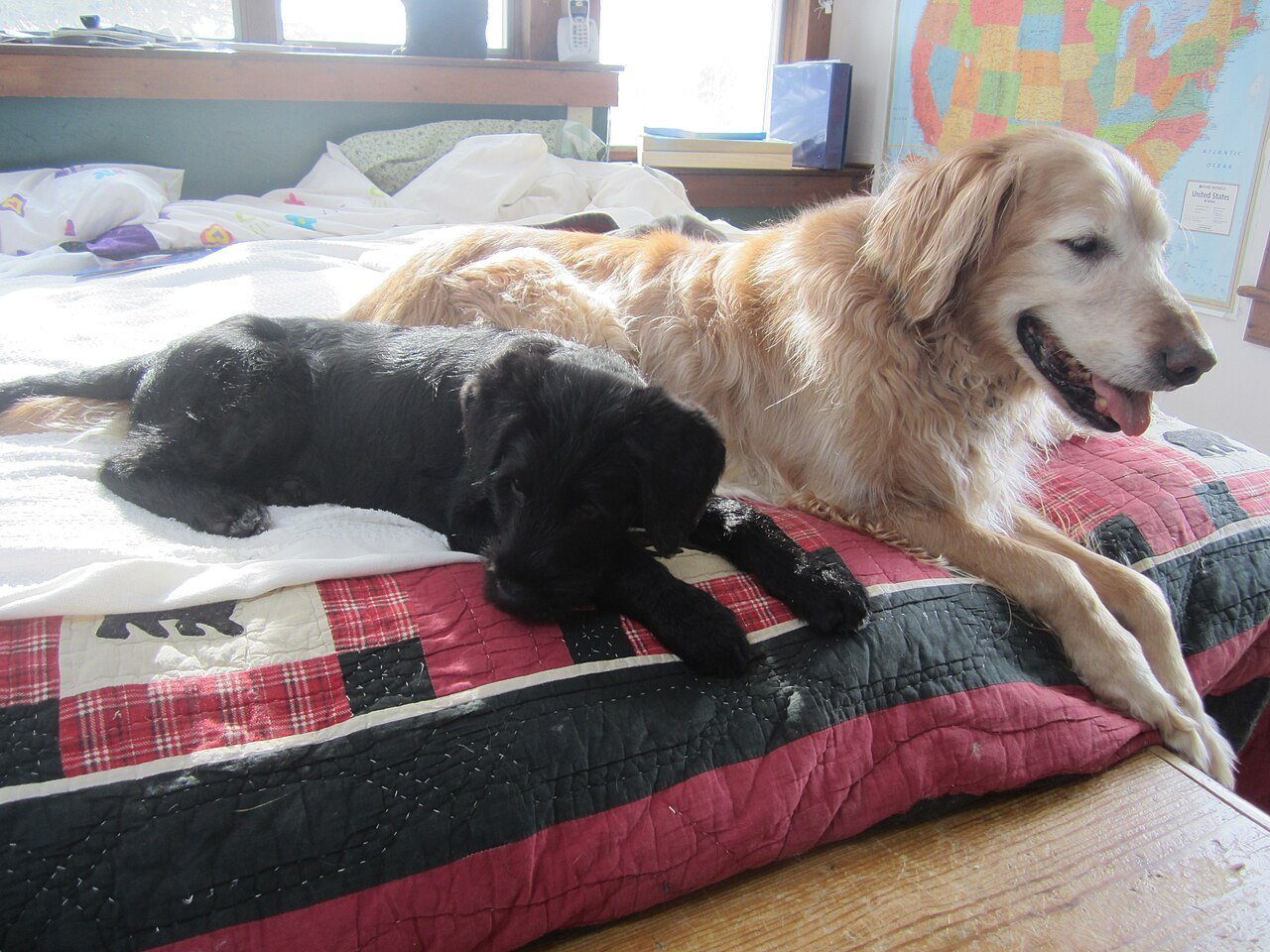
- Add a washable bed or blanket. Skip expensive beds until you know your puppy won’t chew them.
- Give a safe chew or a stuffed food toy for crate time.
- Offer water for longer stays if your vet recommends it.
- Leave the door open when you’re home so your puppy can nap there by choice.
Humane World for Animals advises never using the crate as punishment and notes that puppies under 6 months shouldn’t stay in a crate for more than three or four hours at a time. Use our guide on how to crate train a puppy to build crate time slowly.
How does the crate fit into daily care?
The crate works best as one part of a full routine: meals, potty trips, play, training, naps and handling. Quiet crate time after a play session is also a good moment for gentle handling practice, like touching paws or brushing puppy teeth. Our how to take care of a puppy guide puts it all together.
Frequently asked questions
How big should a puppy crate be?
Big enough for your puppy to stand up without ducking, turn around and lie down comfortably, and not much bigger. Measure your puppy’s length from nose to tail tip and height from floor to the top of the head, then add 3 to 4 inches to each to get the crate size you need.
What happens if a crate is too big for a puppy?
Your puppy may use one end as a bathroom and sleep in the other, which slows potty training. A large crate can also feel less cozy. A divider panel solves this by shrinking the usable space until your puppy is older.
Can you put a puppy in a large crate?
Yes, if you use a divider. Most wire crates come with one. Buying an adult-size crate and blocking off part of it saves money because you won’t need to buy several crates as your puppy grows.
When should you increase puppy crate size?
When your puppy has to duck its head, can’t turn around easily, or can’t lie on its side with legs stretched out. Check every couple of weeks during fast growth, and move the divider back a few inches at a time.
When should you expand a puppy crate?
Expand it as your puppy grows and gains bladder control. Once your puppy stays clean in the crate for a few weeks, you can give a bit more room. Fully house-trained dogs can use the whole crate.
Vet note: This article is general information and is not a substitute for advice from your own veterinarian. If your puppy is having trouble breathing, collapses, has a seizure or may have eaten something toxic, call your vet or the nearest emergency animal hospital right away. ASPCA Animal Poison Control: 888-426-4435 (a fee may apply).
