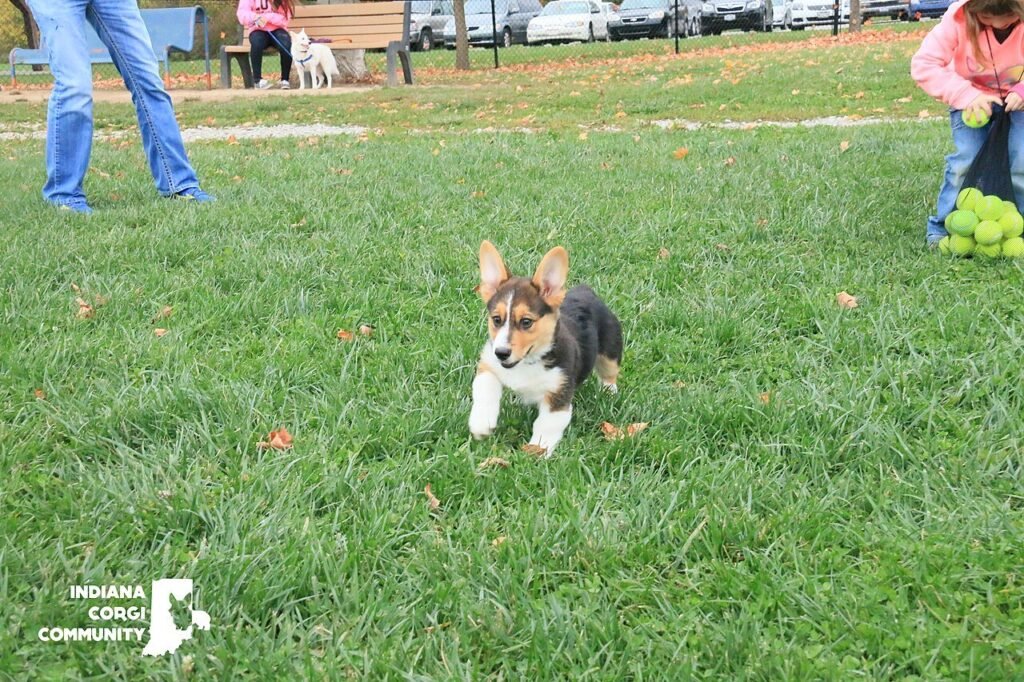
Puppy recall training teaches your puppy to stop what it’s doing and come to you when called. Start indoors with the name game, call from a few feet away, and reward with something great every time. Then add distance and distractions slowly, and use a long line outside before trusting your puppy off leash.
Quick takeaways
- Teach your puppy’s name first, so hearing it means “look at me.”
- Make coming to you the best deal in town with high-value treats, praise and play.
- Practice collar grabs so being caught never feels like the end of the fun.
- Move outside on a long line and build distance and distractions a little at a time.
- Never call your puppy to punish it, and don’t repeat “come” over and over.
In this guide
- What is puppy recall training?
- What do you need for recall training?
- How do you teach a puppy recall step by step?
- How do you use a recall training lead outside?
- What are the best puppy recall training tips?
- How do you improve puppy recall?
- Should you send your puppy to training?
- Frequently asked questions
What is puppy recall training?
Recall means your puppy comes to you when you call, and keeps coming until it reaches you. The American Kennel Club calls a reliable recall potentially lifesaving, since in an emergency you need your dog to come no matter what.
Puppies are a great age to start. Young puppies naturally want to stay close, and every positive rep now builds a habit that will matter when your puppy hits the more independent teenage months. Recall is part of the core skills in our guide on how to train a puppy.
What do you need for recall training?
- High-value treats. Small, soft, smelly pieces your puppy loves, such as bits of cooked chicken.
- A marker word like “yes,” or a clicker.
- A 6-foot leash for early practice.
- A long line of about 15 to 30 feet for outdoor training, attached to a harness.
- A recall cue. “Come” or “here” works. Pick one word and have the whole family use it.
How do you teach a puppy recall step by step?
Step 1: Play the name game
Before you teach “come,” teach your puppy that its name means “look at me.” In a quiet room, wait until your puppy is looking away, say its name in a happy voice, and the moment it looks at you, say “yes” and reward. Practice until your puppy whips its head around every time. If you need help, see our guide on how to teach a puppy its name.
Step 2: Teach the “gotcha”
The AKC recommends teaching a “gotcha” so collar grabs feel good. Lure your puppy close with a treat, say “gotcha,” gently take the collar, then give the treat. Over time, make the grab a little quicker, and always follow it with a reward. This keeps your puppy from coming close and then darting away when you reach for it.
Step 3: Start indoors, close up
With your puppy a few feet away, say its name and then “come.” Clap, crouch, back up or make happy noises to draw it in. The moment it arrives, mark and reward with praise and a great treat. Running backward makes you more exciting to chase.
Step 4: Add distance, then other rooms
Let your puppy wander to the end of the leash, then call. Next, try it off leash in a quiet room, then in other rooms. Two fun games:
- Round robin. Two or more people sit apart and take turns calling the puppy.
- Find me. Hide in another room, then call. Celebrate when your puppy finds you.
Step 5: Add a sit at the end
Once your puppy comes reliably, ask for a sit when it arrives, then reward. This keeps your puppy close instead of bouncing off as soon as it gets the treat.
How do you use a recall training lead outside?
Outdoors is a whole new challenge. Even a puppy that comes every time in the kitchen will struggle with grass, birds and smells. The AKC advises not letting your dog roam free outside at this stage and using a long line instead.
- Attach a long line to a harness, not a collar, to protect your puppy’s neck.
- Start in a quiet yard or empty field.
- Let your puppy drift away on the line, then call once.
- If your puppy ignores you, don’t reel it in like a fish. Walk closer, make yourself interesting and try again from a shorter distance.
- Reward big for every success.
The line is there to keep your puppy safe and stop it from learning that it can run off. It’s not for dragging your puppy back.
Before your puppy is fully vaccinated, choose outdoor areas where unknown dogs don’t go. Ask your vet when it’s safe to train in parks.
What are the best puppy recall training tips?
| Do | Don’t |
|---|---|
| Call once in a happy voice | Repeat “come, come, come” |
| Reward every recall in the early weeks | Call your puppy to scold or punish it |
| Use better treats outside than inside | Call for things your puppy dislikes, like nail trims |
| Practice often in short sessions | Practice until your puppy is bored or tired |
| Go back a step if your puppy struggles | Chase your puppy when it runs off |
| Use a long line in open areas | Let your puppy off leash too soon |
A good rule: if you’re not fairly sure your puppy will come, go get it instead of calling. Every time your puppy ignores the cue, the word loses meaning.
What if your puppy runs away from you?
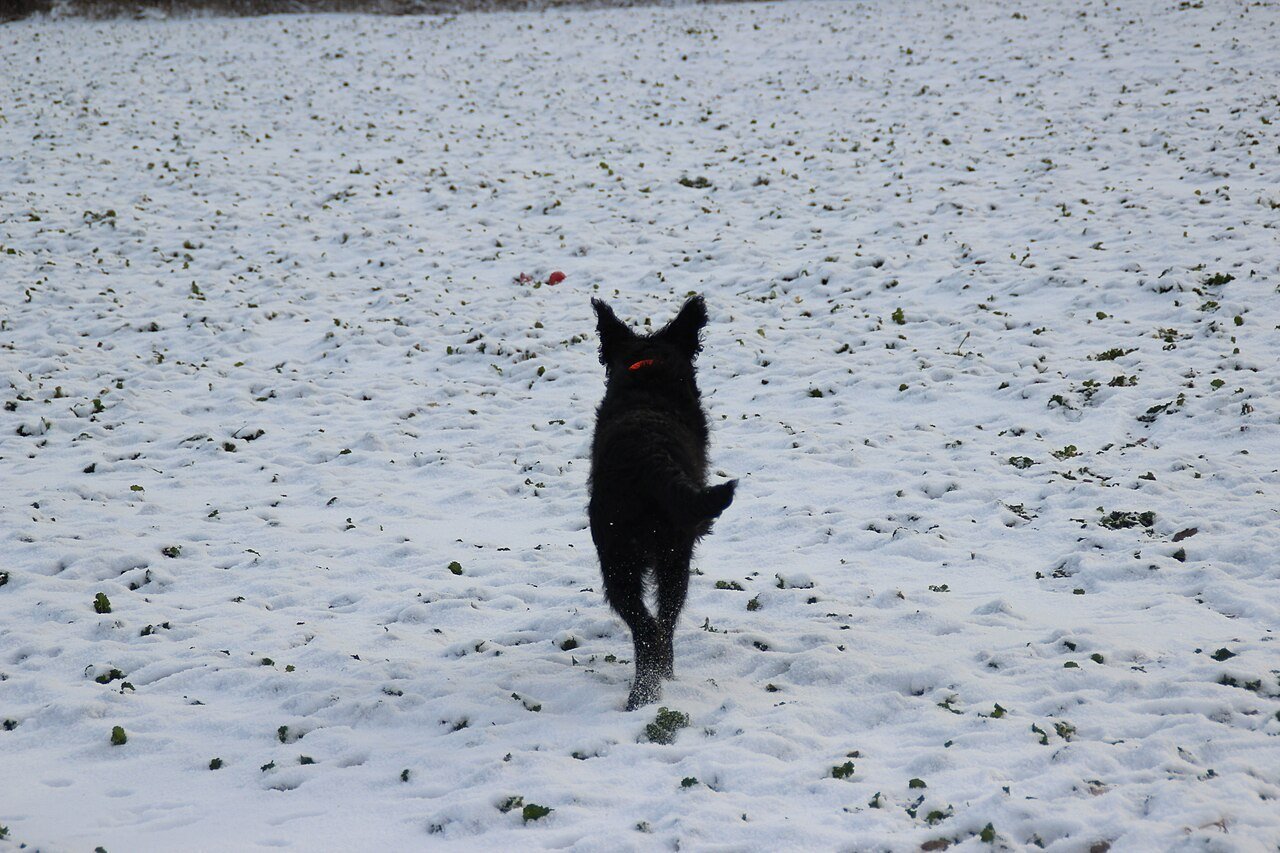
Don’t chase. Most puppies think it’s a great game. Instead, run the other way while calling happily, crouch down, or toss a toy near you. When your puppy reaches you, reward it, even if it took a while. Coming to you should always pay off.
How do you improve puppy recall?
- Upgrade the reward. For a hard recall, use your puppy’s favorite food or a quick game of tug.
- Make recalls not always mean the end of fun. Call your puppy, reward, then let it go back to playing.
- Practice through the teen months. Many puppies seem to forget their training around 6 to 12 months. Keep practicing on a long line.
- Start fresh if needed. If “come” has been overused, choose a new word and rebuild it from Step 3.
A recall that’s practiced with joy also helps nervous puppies feel more confident with you. Puppies that struggle when you leave the room may need extra help, which we cover in our guide to puppy separation anxiety.
Should you send your puppy to training?
A puppy class is a great way to practice recall around distractions with a trainer’s help. Look for one that uses positive reinforcement. You don’t need to send a puppy away for training to learn recall. Daily practice at home, in the yard and on walks does most of the work.
Living in a small space? You can still practice indoors and on walks. Our guide to how to potty train a puppy in an apartment has tips for apartment routines that fit training right in.
Even the best-trained dog won’t come 100% of the time, as the AKC notes. Keep your puppy leashed near roads and only allow off-leash time in safe, fenced or legal areas.
Frequently asked questions
What is puppy recall training?
Recall training teaches your puppy to come to you right away when you call, wherever you are and whatever is going on. It’s one of the most important safety skills a dog can learn, because a reliable recall can stop a puppy from running into a street or toward danger.
How do you teach a puppy recall?
Start in a quiet room. Say your puppy’s name and “come” in a happy voice from a few feet away, then mark with “yes” and give a great reward the moment it reaches you. Repeat in different rooms, then add distance, then add mild distractions, then move outside on a long line.
Should I send my puppy to training?
A group puppy class is a great idea for most puppies, since it adds safe socialization and expert coaching. Board-and-train programs aren’t needed for basic recall. You’ll still need to practice daily at home, because your puppy needs to learn to come to you, and a trainer can only get it started.
How do you train puppy recall?
Keep sessions short and fun, practice several times a day, and reward every successful recall. Use a long line outdoors so your puppy can’t practice running off. Increase one challenge at a time: distance, distraction or a new location, but never all at once.
How do you improve puppy recall?
Use better rewards, go back to easier settings, and call only when you’re fairly sure your puppy will come. Stop using “come” for things your puppy dislikes, like baths or leaving the park. If the cue has been ruined, pick a new word and start fresh.
Vet note: This article is general information and is not a substitute for advice from your own veterinarian. If your puppy is having trouble breathing, collapses, has a seizure or may have eaten something toxic, call your vet or the nearest emergency animal hospital right away. ASPCA Animal Poison Control: 888-426-4435 (a fee may apply).
